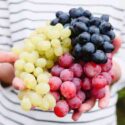
Looking for the best grapes for Zone 5? This expert guide reveals the most reliable varieties for fresh eating, juice, and wine. From sweet seedless grapes to hardy classics and premium wine cultivars, discover which grapes thrive in your climate and how to choose the perfect vines for success.
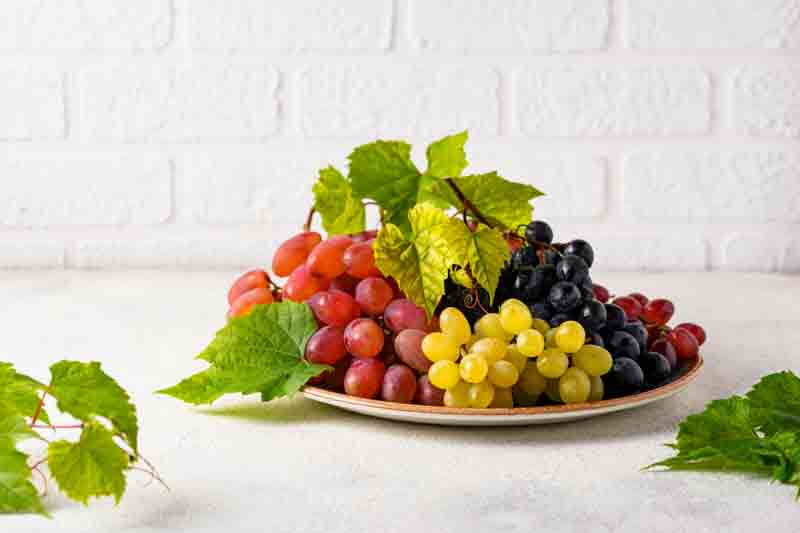


Growing grapes in USDA Zone 5 is one of the most rewarding ways to expand a cold-climate edible garden. This is the zone where grape growing becomes meaningfully broader than Zone 4, but it is not so mild that you can plant carelessly. Zone 5 still tests winter hardiness, still punishes late-ripening varieties in cooler seasons, and still exposes weak cultivars to black rot, downy mildew, and other disease problems. The difference is that Zone 5 gives you more room to choose grapes for flavor, texture, and end use instead of focusing almost entirely on survival.
That is why the best grapes for Zone 5 are not simply the most popular grapes or the most widely sold ones. They are the cultivars that can come through winter with limited injury, ripen dependably in a moderately long season, and produce fruit genuinely worth using for fresh eating, juice, jelly, or wine. A grape that performs beautifully in a warmer region can still disappoint badly in Zone 5 if it lacks cold resilience or struggles under humid summer disease pressure.
In practice, the strongest Zone 5 planting is rarely built around one “perfect” grape. It is usually built around a smart combination of varieties chosen for different strengths. One grape may be your best seedless table grape. Another may be your dependable processing workhorse. A third may be the vine you keep because it makes your best wine. That layered approach is how backyard grape growing becomes more productive, more resilient, and more satisfying over time.
This guide follows that logic. Instead of pretending every grape belongs in one generic top-ten list, it separates the best Zone 5 grapes by use, site fit, and performance. That matters because a great fresh-eating grape is judged differently from a great juice grape, and a strong wine grape is judged differently from a family-friendly backyard vine.
This guide is built around cultivars that are genuinely relevant to Zone 5, then narrowed by practical value: winter survival, ripening window, disease resilience, fruit quality, and end use. In other words, this is not a giant list of every grape that might survive somewhere in Zone 5 under ideal conditions. It is a working shortlist of the grapes most worth planting if you want dependable results.
For the broadest cultivar pool, start with your comparison database here: Grapevine comparison database.
This selection logic also matches the strongest cold-climate growing advice: “best” is contextual. It depends on your site, your winter exposure, your summer disease pressure, your harvest window, and the way you actually plan to use the fruit.
Zone 5 grape growing is shaped by four realities: winter cold, a moderately long growing season, spring frost risk, and summer disease pressure. A grape worth recommending for this zone has to perform reasonably well under all four.
Winter hardiness is still the first filter. Zone 5 is more forgiving than Zone 4, but not by enough to ignore cold injury. If a cultivar suffers repeated winter damage, it is not a dependable Zone 5 recommendation (as university extension guidance routinely emphasizes).
Ripening season is the second filter. Zone 5 can support more early-mid and mid-season grapes than colder zones, and in favorable Zone 5b sites even some later grapes can succeed. But earliness still matters. Earlier grapes reduce risk, especially in cooler summers or exposed gardens (a consistent priority in northern viticulture recommendations).
Disease performance is the third filter. Even in Zone 5, black rot and downy mildew can sharply reduce fruit quality and crop size. Powdery mildew and poor airflow can do the same. That is why disease resistance is not a side note. It is central to whether a grape feels easy or frustrating to grow (a point repeatedly documented in Midwest and Northeast extension material).
Intended use is the fourth filter. A strong fresh-eating grape is judged on sweetness, skin texture, seedlessness, and eating quality. A strong processing grape is judged on flavor intensity, yield, and reliability. A strong wine grape is judged by vineyard performance and winemaking value. Mixing those standards leads to weak recommendations.
This is also why Zone 5 guidance still leans heavily toward American grapes and hybrids rather than treating classic vinifera types as default options (a steady theme in cold-climate breeding and extension programs). In some protected Zone 5 sites, a few vinifera grapes may survive with skill and extra care. But for most home growers and most realistic recommendations, American and hybrid cultivars remain the safer and more defensible choice.
One of the biggest mistakes in grape advice is treating all of Zone 5 as if it were identical. It is not. A sheltered Zone 5b site with good air drainage and wind protection can support a wider range of grapes than an exposed Zone 5a site with frost pockets and harsher winter exposure.
If your site is windy, open, elevated, or consistently colder than nearby gardens, choose more conservatively. In practice, that means leaning harder toward grapes with stronger hardiness and earlier ripening rather than chasing the most refined late options. That distinction matters because it separates grapes that are reliable across much of Zone 5 from grapes that are best treated as good options for favorable sites (site exposure is a major factor in cold-climate vineyard performance).
| Cultivar | Hardiness Zones | Seeded or Seedless | Best Use | Season | Why It Stands Out |
|---|---|---|---|---|---|
| Reliance | 4, 5, 6, 7, 8 | Seedless | Fresh eating | Early | One of the strongest all-around seedless grapes for northern gardens |
| Somerset Seedless | 4, 5, 6, 7, 8 | Seedless | Fresh eating | Very early | Very hardy and especially valuable for colder or exposed sites |
| Mars Seedless | 5, 6, 7, 8 | Seedless | Fresh eating | Mid | Dependable seedless grape with useful disease resistance |
| Canadice | 4, 5, 6, 7, 8 | Seedless | Fresh eating | Early-mid | Good pink-red seedless option for favorable sites |
| Einset Seedless | 5, 6, 7, 8 | Seedless | Fresh eating | Early-mid | Flavorful seedless grape for gardeners wanting more variety |
| Venus | 5, 6, 7, 8, 9 | Seedless | Fresh eating | Early-mid | Dark-fruited seedless grape with strong backyard appeal |
| Jupiter | 5, 6, 7, 8 | Seedless | Fresh eating | Mid | Excellent table quality in favorable Zone 5 sites |
| Concord | 5, 6, 7, 8 | Seeded | Juice, jelly, jam | Mid | Classic processing grape with unmistakable American flavor |
| Niagara | 5, 6, 7, 8 | Seeded | Fresh use, juice | Mid | Important white-fruited backyard and processing grape |
| Edelweiss | 4, 5, 6, 7, 8 | Seeded | Fresh use, juice, sweet wine | Early | Aromatic and versatile grape with broad home-garden value |
| King of the North | 4, 5, 6, 7, 8 | Seeded | Juice, fresh use | Early fall | Productive backyard grape with reliable northern performance |
| Bluebell | 3, 4, 5, 6, 7 | Seeded | Fresh use, juice | Mid | Very hardy grape with strong backyard value |
| Beta | 3, 4, 5, 6, 7, 8, 9 | Seeded | Juice, jelly | Early-mid | Exceptionally cold-hardy processing grape |
| Valiant | 3, 4, 5, 6, 7, 8 | Seeded | Fresh use, juice, jelly, home wine | Very early | Extremely hardy and early ripening |
| St. Croix | 4, 5, 6, 7, 8 | Seeded | Red wine, juice, fresh use | Late August-early September | Useful multipurpose grape for mixed plantings |
| Brianna | 4, 5, 6, 7, 8 | Seeded | White wine, fresh use | Early-mid | Aromatic cold-hardy grape with dual-purpose value |
| Prairie Star | 3, 4, 5, 6, 7 | Seeded | White wine | Early-mid | Reliable earlier white for cooler or shorter-season sites |
| Itasca | 4, 5, 6, 7, 8 | Seeded | White wine | Early fall | Modern cold-climate white with lower acidity |
| La Crescent | 4, 5, 6, 7, 8 | Seeded | White wine | Mid-late | Benchmark aromatic white for northern vineyards |
| Frontenac Gris | 4, 5, 6, 7, 8 | Seeded | White and rosé wine | Mid-late | Hardy and productive white wine option |
| Frontenac | 3, 4, 5, 6, 7, 8 | Seeded | Red wine | Mid-late | Foundational cold-climate red wine grape |
| Marquette | 4, 5, 6, 7, 8 | Seeded | Red wine | Late September | Leading modern red wine grape for cold climates |
| Petite Pearl | 4, 5, 6, 7, 8 | Seeded | Red wine | Late September | Disease-resistant red wine grape with northern value |
| Marechal Foch | 4, 5, 6, 7, 8 | Seeded | Red wine | Very early | Very early wine grape for cooler or more difficult sites |
Best Zone 5 grapes by goal
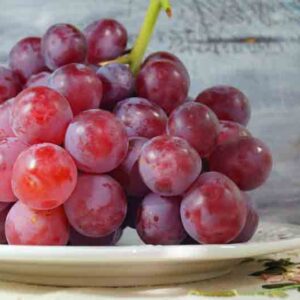
Best seedless table grapes: Reliance, Somerset Seedless, Mars Seedless, Canadice, Einset Seedless, Venus, Jupiter.
Best for colder or exposed Zone 5 sites: Beta, Valiant, Frontenac, Bluebell, Somerset Seedless, Prairie Star.
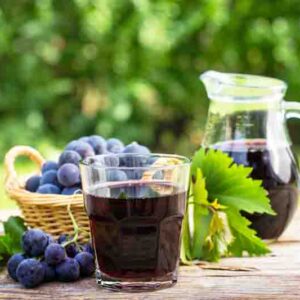
Best for juice and jelly: Concord, Niagara, Beta, Valiant, King of the North, Bluebell.
Best multipurpose grapes: Edelweiss, St. Croix, Niagara, Valiant, King of the North.
Best white wine grapes: La Crescent, Frontenac Gris, Prairie Star, Itasca, Brianna.
Best red wine grapes: Frontenac, Marquette, Petite Pearl, Marechal Foch, St. Croix.
Zone 5 gives gardeners access to a much stronger seedless grape lineup than Zone 4. That matters because seedless grapes are often what home growers want most, yet they are also the varieties most likely to disappoint if recommendations are too casual or too warm-climate focused.
Reliance remains one of the most important seedless grapes in the northern conversation because it makes cold-climate seedless grape growing feel realistic rather than experimental. It is sweet, appealing, and genuinely useful for fresh eating, which is exactly what many gardeners want first. It is also wise to frame it with some caution in humid climates, because disease management can matter more than casual catalog descriptions suggest (a nuance commonly noted in extension cultivar guides).
Somerset Seedless is one of the standout grapes for Zone 5 because it pairs very early ripening with unusually strong hardiness for a seedless cultivar. In more exposed gardens or colder Zone 5a sites, it is often the safer recommendation (and it is frequently highlighted as one of the hardiest seedless grapes for northern growers).
Mars Seedless deserves inclusion because Zone 5 is warm enough for it to become a serious contender in backyard plantings. It adds another seedless option with practical reliability, better broadening the article beyond the two usual names. It is also one of the better seedless grapes to mention when disease resistance is part of the conversation, though no grape should be treated as maintenance-free.
Canadice, Einset Seedless, Venus, and Jupiter help round out the Zone 5 conversation. These are not always the first grapes to recommend for the harshest sites, but they are exactly the kinds of cultivars readers search for when they want more table-grape variety. Their inclusion improves both usefulness and topical completeness.
If your priorities are flavor, reliability, and practical usefulness rather than seedlessness, Zone 5 offers a very strong bench of backyard grapes.
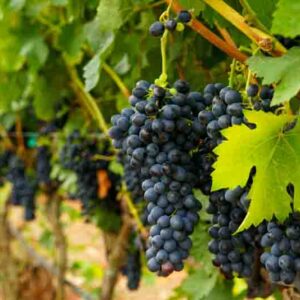
Concord remains one of the defining grapes in American home fruit growing. It is still one of the best choices for juice, jelly, jam, and the classic “grape” flavor many gardeners actually want. It also deserves honest framing, because strong flavor and strong disease resistance are not always the same thing (something extension disease guides regularly point out).
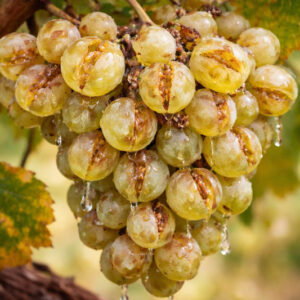
Niagara plays a similar role on the white-fruited side. It adds strong processing value and useful fresh-eating potential, especially for growers who like that traditional labrusca character. It is an important grape in the Zone 5 conversation because it broadens the backyard category beyond dark-fruited standards.
Beta remains one of the smartest recommendations when maximum hardiness matters more than refinement. It earns its place not by pretending to be a luxury table grape, but by being one of the toughest and most useful processing grapes available (often treated as one of the hardiest cultivated grapes in northern guidance).
Valiant combines extreme hardiness with very early ripening, which gives it real strategic value in northern gardens. Even in Zone 5, it is the kind of grape you are glad you planted when weather turns unpredictable.
Bluebell and King of the North both deserve more attention than they usually get in generic grape roundups. They are productive, hardy, and especially useful in real backyard settings.
One of the biggest advantages of Zone 5 is that you can build a small planting around multipurpose grapes without feeling like you are giving up too much in any one category.
Edelweiss is one of the best examples. It works for fresh eating, juice, and sweet wine, which makes it especially valuable when garden space is limited. That kind of versatility is easy to underestimate, but it matters enormously in smaller home gardens.
St. Croix is another strong fit for mixed plantings. It leans toward wine, but it still offers value for juice and fresh use, which makes it relevant to gardeners who want a flexible vine.
Niagara and Valiant also belong in this category because they reward growers who value versatility over narrow specialization.
Zone 5 is a very credible region for cold-climate white wine grapes, especially when growers focus on hybrids with proven northern performance. The best choice depends on whether you value aromatic intensity, earlier ripening, or a more modern acid profile.
La Crescent remains one of the benchmark aromatic white grapes in cold-climate viticulture. It is one of the first names serious growers mention when wine quality is the main goal. It is also sensible to note that strong wine potential does not remove the need for careful disease management (a common point in Midwest vineyard guidance).
Frontenac Gris is hardy, productive, and highly relevant for white and rosé wine styles. It belongs in any serious Zone 5 discussion because it brings both resilience and practical vineyard value.
Prairie Star is especially important for cooler, windier, or shorter-season sites. When a grower needs a white wine grape that reduces risk, Prairie Star often becomes the smarter choice.
Itasca adds a modern dimension to the Zone 5 conversation. Its lower-acid profile gives growers another stylistic direction, which is part of why it deserves inclusion in a serious article rather than a lightweight overview.
Brianna broadens the white wine category further with aromatic appeal and some fresh-use value, making it relevant both to home vineyard growers and mixed-purpose gardeners.
Zone 5 also offers a stronger red wine grape category than many gardeners expect. The key is not forcing classic vinifera into a climate that still carries winter risk, but instead using serious northern cultivars that were bred or selected for this kind of environment.
Frontenac remains one of the foundational red wine grapes for cold climates. Its hardiness and productivity make it one of the most defensible inclusions in any Zone 5 article.
Marquette is widely treated as a leading modern red wine grape for northern vineyards. It matters because it shifts the conversation beyond mere survival into real quality potential (and it is regularly highlighted by university breeding and extension programs for exactly that reason).
Petite Pearl deserves inclusion because disease resistance and red wine value make it highly relevant to growers who want performance with less spray pressure.
Marechal Foch remains important because its very early ripening gives it strategic value in cooler or more exposed sites. St. Croix also matters because it adds broader flexibility for growers who want wine potential without building a highly specialized vineyard.
The biggest mistake in Zone 5 grape advice is recommending as though the whole zone behaves like a protected warm pocket. It does not. Avoid treating late-ripening, disease-sensitive, or borderline-hardy grapes as universal recommendations. They may be possible in some favorable Zone 5b gardens, but that is different from being broadly dependable.
It is also a mistake to assume seedless always means better. Seedless grapes are often easier for fresh eating, but seeded grapes can be more vigorous, more cold-hardy, and more useful for processing or wine. The best choice depends on what you want from the vine.
Finally, do not choose solely by catalog flavor language. In Zone 5, reliability is part of flavor. A grape that ripens cleanly and crops consistently is far more valuable than one with impressive marketing but weak performance on your site.
If you prioritize fresh eating, start with Reliance or Somerset Seedless. If you want more variety and your site is favorable, add Mars Seedless, Canadice, or Jupiter.
For juice and jelly, build around Concord, Niagara, Beta, Valiant, Bluebell, or King of the North.
For wine, build around La Crescent, Frontenac Gris, Prairie Star, Itasca, Brianna, Frontenac, Marquette, Petite Pearl, St. Croix, and Marechal Foch.
The smartest beginner strategy is not to plant one of everything. It is to build a balanced planting with varieties that complement each other – one for fresh eating, one for processing, and one for wine or all-purpose use.
The best seedless grapes for Zone 5 are Reliance, Somerset Seedless, and Mars Seedless, with Canadice, Einset Seedless, Venus, and Jupiter as additional options for favorable sites. Reliance is one of the strongest all-around choices, while Somerset Seedless is especially valuable for hardiness and very early ripening.
Yes. Concord is a classic grape for Zone 5 and remains one of the best choices for juice, jelly, jam, and general home processing. It is still one of the most dependable grapes for gardeners who value strong flavor and reliable crops.
For colder or more exposed Zone 5 sites, Beta, Valiant, Frontenac, Bluebell, Somerset Seedless, and Prairie Star are among the safest options. They combine stronger hardiness with practical northern performance.
For Zone 5 wine growing, strong options include La Crescent, Frontenac Gris, Prairie Star, Itasca, Brianna, Frontenac, Marquette, Petite Pearl, St. Croix, and Marechal Foch. These cultivars matter because they combine cold-climate vineyard performance with real winemaking value.
Most bunch grapevines should be planted about 6 to 8 feet apart, with rows at least 8 feet apart. If you are training vines more vigorously or using larger systems, allow more space rather than less.
Most home grapevines produce their first meaningful crop around the third year after planting, although a few clusters may appear sooner. Good pruning and training are a big part of reaching that point on schedule.
Most bunch grapes are self-fruitful, so one vine can usually produce fruit on its own. That makes grapes easier to plan than many other fruit crops in Zone 5.
As a broad rule, grapes need about 155 to 160 frost-free days for dependable cropping, though some early cultivars need a little less and some later cultivars need more. That is one reason early and early-mid grapes are usually the safest Zone 5 recommendations.
Net grapes when the fruit begins to color and sweeten, before birds discover the crop. Waiting until the grapes are fully ripe is often too late.
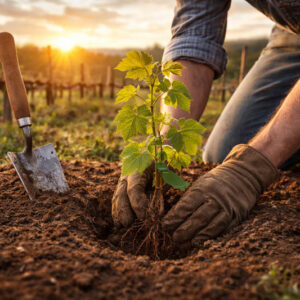
At planting, cut the vine back to 2 to 3 buds. On mature spur-pruned bunch grapes, leave 2 to 3 buds per spur and usually about 20 to 60 total buds per vine, depending on vigor and grape type.
No. Grapes should be harvested fully ripe because they do not become sweeter or more flavorful after picking.
Sometimes, but not always. In humid climates, even cold-hardy grapes can still face black rot, downy mildew, and other disease pressure. Lower-spray success depends on resistant cultivars, good pruning, and open canopies with strong airflow.
Updated: April 2026 • Reviewed by Gardenia Editors
| Hardiness |
3 - 10 |
|---|---|
| Plant Type | Climbers, Fruits |
| Plant Family | Vitaceae |
| Genus | Vitis |
| Exposure | Full Sun |
| Maintenance | High |
| Water Needs | Average |
| Soil Type | Chalk, Loam, Sand |
| Soil pH | Alkaline, Neutral |
| Soil Drainage | Well-Drained, Moist but Well-Drained |
| Attracts | Bees, Birds |
| Hardiness |
3 - 10 |
|---|---|
| Plant Type | Climbers, Fruits |
| Plant Family | Vitaceae |
| Genus | Vitis |
| Exposure | Full Sun |
| Maintenance | High |
| Water Needs | Average |
| Soil Type | Chalk, Loam, Sand |
| Soil pH | Alkaline, Neutral |
| Soil Drainage | Well-Drained, Moist but Well-Drained |
| Attracts | Bees, Birds |
Create a membership account to save your garden designs and to view them on any device.
Becoming a contributing member of Gardenia is easy and can be done in just a few minutes. If you provide us with your name, email address and the payment of a modest $25 annual membership fee, you will become a full member, enabling you to design and save up to 25 of your garden design ideas.
Join now and start creating your dream garden!
Create a membership account to save your garden designs and to view them on any device.
Becoming a contributing member of Gardenia is easy and can be done in just a few minutes. If you provide us with your name, email address and the payment of a modest $25 annual membership fee, you will become a full member, enabling you to design and save up to 25 of your garden design ideas.
Join now and start creating your dream garden!