Lupinus Gallery Red, Lupinus Polyphyllus ‘Gallery Red’, Gallery Red Lupine, Gallery Red Lupin, Red Gallery Lupine, Red Gallery Lupin
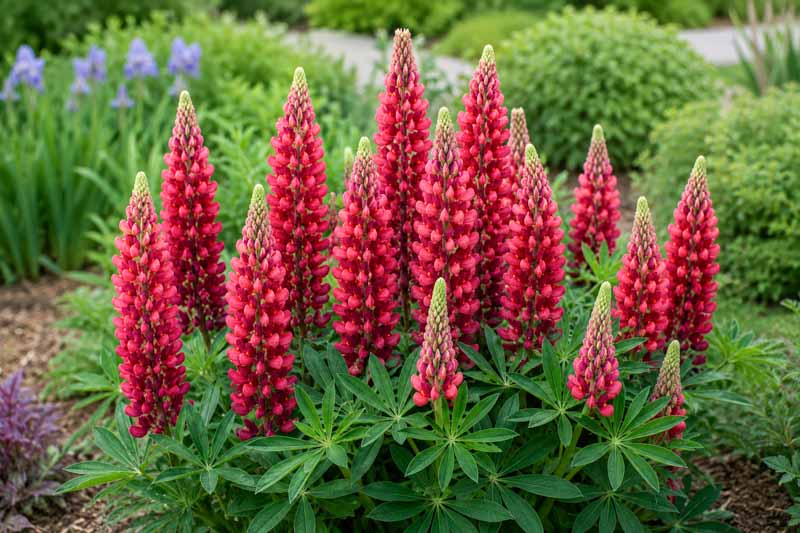


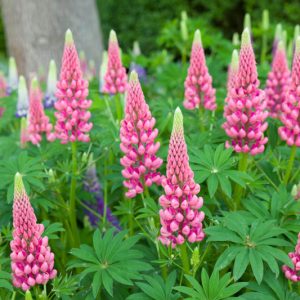
Lupinus ‘Gallery Red’, commonly called Gallery Red lupine or Gallery Red lupin, is a compact, clump-forming perennial prized for its vivid red flower spikes, handsome palmate foliage, and unmistakable cottage-garden charm. It gives you the bold vertical drama of traditional Russell lupines, but in a shorter, easier-to-place form that fits beautifully into sunny borders, pollinator gardens, cutting gardens, and smaller planting schemes.
Part of the popular Gallery Series, ‘Gallery Red’ was selected for its neat proportions, dense flower spikes, and strong garden presence. In late spring to early summer, upright racemes rise above fresh green, finger-like leaves, carrying rows of pea-shaped red flowers that bring instant color and structure. In cool weather, and with prompt deadheading, plants may produce a smaller second flush later in the season.
This is a plant for gardeners who love color with character. Lupinus ‘Gallery Red’ works best in full sun to light part shade, well-drained soil, and climates where spring and early summer are cool enough to keep the plants lush. It is not the longest-lived perennial in the border, but when grown well, it delivers a spectacular seasonal display that feels both classic and fresh.
Summary: Compact herbaceous perennial lupine with upright spikes of red, pea-like flowers and attractive palm-shaped green leaves.
Use: Excellent for sunny borders, cottage gardens, pollinator gardens, cutting gardens, small spaces, and colorful perennial combinations.
Highlight: Delivers strong red vertical color without the height of many older lupine varieties.
Note: Best in cool-summer climates with moist, well-drained soil. Deadhead spent spikes to encourage repeat bloom and reduce unwanted seedlings.
| Botanical Name | Lupinus ‘Gallery Red’; often associated with Lupinus Gallery Series; synonym listed by RHS: Lupinus nanus ‘Russel Gallery Red’ |
|---|---|
| Family | Fabaceae |
| Common Names | Gallery Red lupine, Gallery Red lupin, dwarf red lupine, lupine |
| Plant Type and Habit | Short-lived herbaceous perennial; compact, upright, clump-forming habit |
| Hardiness (USDA) | Usually grown in USDA Zones 4 to 8; best in regions with cool to moderate summers |
| Size | About 18 to 24 in. tall and 12 to 18 in. wide; RHS lists plants to about 60 cm tall |
| Sun and Exposure | Full sun in cool climates; light part shade where afternoons are hot |
| Soil | Moderately fertile, moist, well-drained soil; slightly acidic to neutral is ideal |
| Bloom Time | Late spring to early summer; possible lighter rebloom after deadheading |
| Flower Color | Red, deep rose-red, or raspberry-red tones depending on light, age, and growing conditions |
| Foliage Color | Fresh green, palmately divided leaves |
| Wildlife Value | Attractive to bees and other pollinators; may also be visited by butterflies and hummingbirds in some gardens |
| Deer Resistance | Often avoided by deer, but not deer-proof in high-pressure areas |
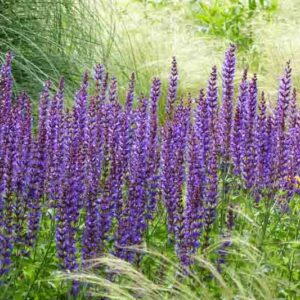
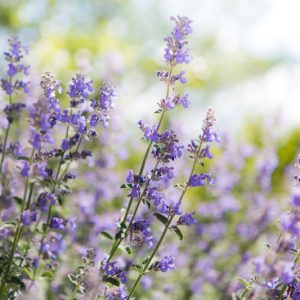
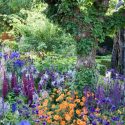
The easiest way to make ‘Gallery Red’ look intentional is to give it cool-color partners. Blue catmint, violet salvia, lavender cranesbill, and burgundy foliage all make the red spikes look richer, sharper, and more sophisticated.
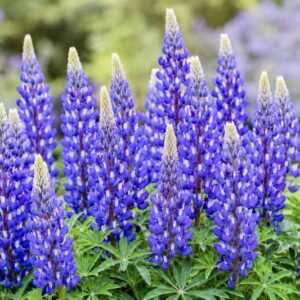
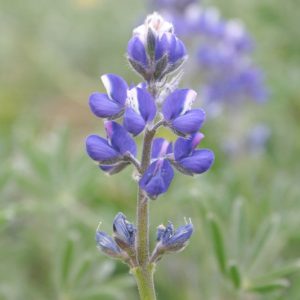
Lupinus ‘Gallery Red’ is a compact lupine cultivar grown for dense flower spikes, clear red color, and a tidy habit. It has the familiar lupine silhouette: a mound of palmate leaves at the base and upright flower racemes rising above. The flowers are pea-like, closely packed, and often lightly scented, giving the plant both ornamental and sensory appeal.
The Gallery Series is valued because it brings lupine drama into smaller spaces. Tall lupines can be magnificent, but they may lean, need staking, or overpower the front of a border. ‘Gallery Red’ is easier to weave among other perennials, especially where a strong vertical accent is needed without excessive height.
‘Gallery Red’ forms a compact clump, usually about 18 to 24 inches tall and 12 to 18 inches wide. RHS lists the plant as reaching about 60 cm, which fits its use as a dwarf or compact lupine. It is tall enough to stand out among low perennials, yet short enough for smaller borders, raised beds, cottage-garden edges, and mixed containers.
The main bloom display appears in late spring to early summer, often around May, June, or early July depending on climate. Each spike opens from the lower flowers upward, giving several days of changing color and texture. Remove faded stems before seed pods form to direct energy back into the crown and encourage additional shoots.
The foliage has real design value even before the flowers appear. Each leaf is divided into narrow green leaflets arranged like a hand, adding a soft, fresh texture beside roses, salvias, hardy geraniums, peonies, and ornamental grasses. After bloom, healthy foliage helps feed the crown, although plants may become tired in high heat, drought, or humid, crowded conditions.
Lupines are beautiful, but they are not plants to pamper with rich fertilizer or soggy soil. Give them sun, drainage, steady spring moisture, and quick deadheading. That simple combination usually matters more than feeding.
Lupinus ‘Gallery Red’ is generally suited to USDA Zones 4 to 8. It performs best where summers are moderate, nights are cool, and soil does not dry out completely during the flowering season. In hot, humid regions, lupines often behave as short-lived perennials or cool-season color plants rather than long-lasting border anchors.
One reason lupines can be short-lived is their root system. They develop a taproot, resent disturbance, and decline when planted in compacted, wet, or poorly drained soil. They also dislike being moved once established. Choose the planting site carefully, improve drainage before planting, and treat mature plants gently.
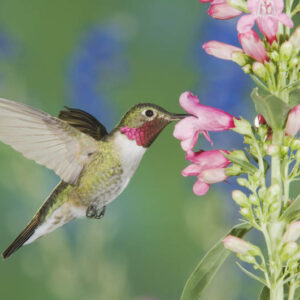
Lupines are useful flowers for pollinator-friendly gardens. Their pea-like blooms are especially attractive to bees, while butterflies and hummingbirds may also visit suitable garden plantings. For better habitat value, pair ‘Gallery Red’ with plants that bloom before and after lupines, so nectar and pollen are available across a longer season.
Lupines are often avoided by deer and can be useful in gardens where browsing pressure is moderate. However, no ornamental perennial is completely deer-proof. Young shoots may still be sampled in spring, especially if deer are hungry or local pressure is high. For broader planting ideas, explore deer-resistant plants.
‘Gallery Red’ is not a true drought perennial. It appreciates well-drained soil that remains evenly moist during active growth and bloom. Short dry spells are usually tolerated once plants are established, but drought during bud formation can shorten the display, reduce flower size, and stress the foliage.
Lupinus species can contain toxic alkaloids, and all parts should be treated as ornamental rather than edible. Keep children, pets, and livestock from eating foliage, flowers, or seeds. Seed pods are especially important to remove where curious children or animals may handle or ingest them.
Lupinus ‘Gallery Red’ is a cultivated, compact garden lupine and is not usually considered invasive in managed ornamental borders. Even so, lupines can self-seed where conditions suit them, and some species may be problematic outside their native range. Deadhead if you want to prevent seedlings and keep the display controlled.
Full sun is ideal in cool climates because it encourages strong stems, dense flower spikes, and the best bloom. In warmer regions, light afternoon shade can reduce heat stress and keep foliage fresher for longer. Avoid deep shade, where plants become loose, weak, and less floriferous.
Plant in moderately fertile, well-drained soil with a slightly acidic to neutral pH. Lupines dislike heavy, wet clay, compacted ground, and winter-wet crowns. If your soil is heavy, improve drainage before planting or grow ‘Gallery Red’ in a raised bed or deep container. Avoid overly rich conditions, which can encourage leafy growth at the expense of flowers.
Water regularly while plants establish and during the main flowering season. The goal is even moisture without sogginess. A light mulch can help cool the root zone and reduce evaporation, but keep mulch away from the crown to reduce rot risk.
Lupines are legumes, so they do not need heavy feeding. A spring topdressing of compost is usually enough in average garden soil. Avoid high-nitrogen fertilizers, which can produce soft foliage, fewer flowers, and growth that is more vulnerable to stress.
Plant in spring or fall, spacing plants about 12 to 18 inches apart. Choose the site carefully because established lupines dislike transplanting. Set the crown at soil level, water deeply after planting, and protect new growth from slugs and snails in spring.
Cut spent flower spikes as soon as they fade. This keeps the plant tidy, reduces seed formation, and can encourage smaller side spikes. Remove damaged or mildewed leaves as needed, but leave healthy foliage in place so the plant can rebuild energy after bloom.
Lupines can be grown from seed, although named cultivars may not come true from seed. Basal cuttings are a better method for preserving the exact traits of named selections. If sowing seeds, many gardeners nick or soak them before planting to improve germination.
‘Gallery Red’ is rewarding, but it is not completely carefree. Most failures come from wet soil, hot humid weather, slug damage, aphids, mildew, or plants being allowed to exhaust themselves by setting seed. Good siting, airflow, and prompt deadheading prevent many problems.
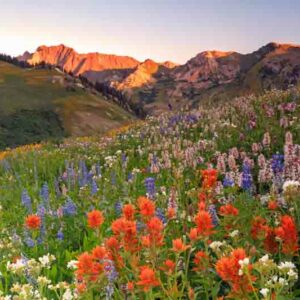
These companion plants suit Lupinus ‘Gallery Red’ because they overlap in hardiness, sun exposure, drainage, and average garden soil. They are not identical in every preference, so use them thoughtfully: keep lupines in the evenly moist heart of the planting, and place drought-tolerant companions slightly toward the drier edge. The shared sweet spot is full sun to light afternoon shade, well-drained soil, and neutral to slightly acidic or near-neutral conditions.
Lupinus ‘Gallery Red’ is a compact, clump-forming lupine grown for upright spikes of red, pea-like flowers and attractive palm-shaped green leaves. It belongs to the Gallery Series, which is known for shorter, denser, garden-friendly lupines.
Lupinus ‘Gallery Red’ usually grows about 18 to 24 inches tall and 12 to 18 inches wide. RHS lists the cultivar as reaching about 60 cm tall, making it much more compact than many traditional lupines.
Full sun is best in cool climates, but light afternoon shade is helpful in warmer regions. Too much shade can reduce flowering and produce weaker stems.
Lupinus ‘Gallery Red’ usually blooms from late spring into early summer. If spent spikes are removed promptly and the weather remains cool, it may produce a smaller second flush later in the season.
Yes. Lupinus ‘Gallery Red’ is usually grown as a short-lived herbaceous perennial. It may persist for several years in cool, well-drained gardens, but it can be shorter-lived in hot, humid, or poorly drained sites.
Yes. The colorful, pea-like flowers are especially attractive to bees and other pollinators. Butterflies and hummingbirds may also visit suitable mixed garden plantings.
Yes. Lupinus ‘Gallery Red’ can grow in containers if the pot is deep, drains well, and the soil is kept evenly moist. Avoid shallow pots because lupines develop a taproot and dislike drying out.
The most common reasons are failure to deadhead, hot weather, drought stress, heavy nitrogen feeding, or the plant setting seed. Cut faded flower spikes back promptly and keep soil evenly moist during active growth.
RHS – How to grow lupins: https://www.rhs.org.uk/plants/lupins/growing-guide
Gardenia.net – Lupinus (Lupine): https://www.gardenia.net/plants/genera/lupinus-lupine
Gardenia.net – Plant Combination Ideas – Lupinus: https://www.gardenia.net/plant-combinations/genera/lupinus-lupine
Updated: June 2026 • Reviewed by Gardenia Editors
| Hardiness |
4 - 8 |
|---|---|
| Heat Zones |
1 - 8 |
| Climate Zones | 1A, 1B, 2A, 2B, 3A, 3B, 4, 5, 6, 7, 14, 15, 16, 17, A1, A2, A3 |
| Plant Type | Perennials |
| Plant Family | Leguminosae |
| Genus | Lupinus |
| Common names | Lupine |
| Exposure | Full Sun, Partial Sun |
| Season of Interest | Spring (Late), Summer (Early) |
| Height | 1' - 2' (30cm - 60cm) |
| Spread | 1' - 2' (30cm - 60cm) |
| Spacing | 12" - 18" (30cm - 50cm) |
| Maintenance | Low |
| Water Needs | Average |
| Soil Type | Loam, Sand |
| Soil pH | Acid, Neutral |
| Soil Drainage | Moist but Well-Drained |
| Characteristics | Cut Flowers, Fragrant, Showy |
| Tolerance | Deer, Rabbit |
| Attracts | Butterflies, Hummingbirds, Bees |
| Garden Uses | Beds And Borders, Patio And Containers |
| Garden Styles | Butterfly Garden, Informal and Cottage, Pollinator Garden |


| Hardiness |
4 - 8 |
|---|---|
| Heat Zones |
1 - 8 |
| Climate Zones | 1A, 1B, 2A, 2B, 3A, 3B, 4, 5, 6, 7, 14, 15, 16, 17, A1, A2, A3 |
| Plant Type | Perennials |
| Plant Family | Leguminosae |
| Genus | Lupinus |
| Common names | Lupine |
| Exposure | Full Sun, Partial Sun |
| Season of Interest | Spring (Late), Summer (Early) |
| Height | 1' - 2' (30cm - 60cm) |
| Spread | 1' - 2' (30cm - 60cm) |
| Spacing | 12" - 18" (30cm - 50cm) |
| Maintenance | Low |
| Water Needs | Average |
| Soil Type | Loam, Sand |
| Soil pH | Acid, Neutral |
| Soil Drainage | Moist but Well-Drained |
| Characteristics | Cut Flowers, Fragrant, Showy |
| Tolerance | Deer, Rabbit |
| Attracts | Butterflies, Hummingbirds, Bees |
| Garden Uses | Beds And Borders, Patio And Containers |
| Garden Styles | Butterfly Garden, Informal and Cottage, Pollinator Garden |
How many Lupinus ‘Gallery Red’ (Lupine) do I need for my garden?
| Plant | Quantity | |
|---|---|---|
| Lupinus ‘Gallery Red’ (Lupine) | N/A | Buy Plants |
Create a membership account to save your garden designs and to view them on any device.
Becoming a contributing member of Gardenia is easy and can be done in just a few minutes. If you provide us with your name, email address and the payment of a modest $25 annual membership fee, you will become a full member, enabling you to design and save up to 25 of your garden design ideas.
Join now and start creating your dream garden!
Create a membership account to save your garden designs and to view them on any device.
Becoming a contributing member of Gardenia is easy and can be done in just a few minutes. If you provide us with your name, email address and the payment of a modest $25 annual membership fee, you will become a full member, enabling you to design and save up to 25 of your garden design ideas.
Join now and start creating your dream garden!