Upright Prairie Coneflower, Mexican Hat, Mexican Hat Plant, Prairie Coneflower, Prairieconeflower, Redspike Mexican Hat, Column Flower, Obelisk Flower, Rudbeckia columnaris, Rudbeckia columnifera
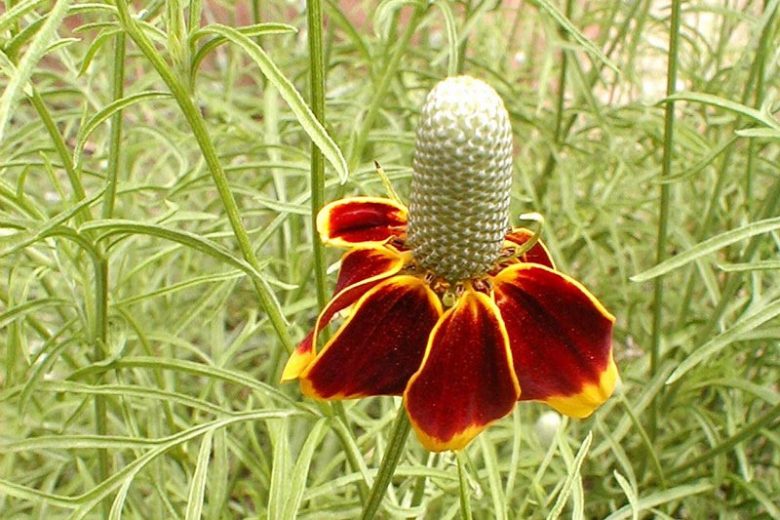
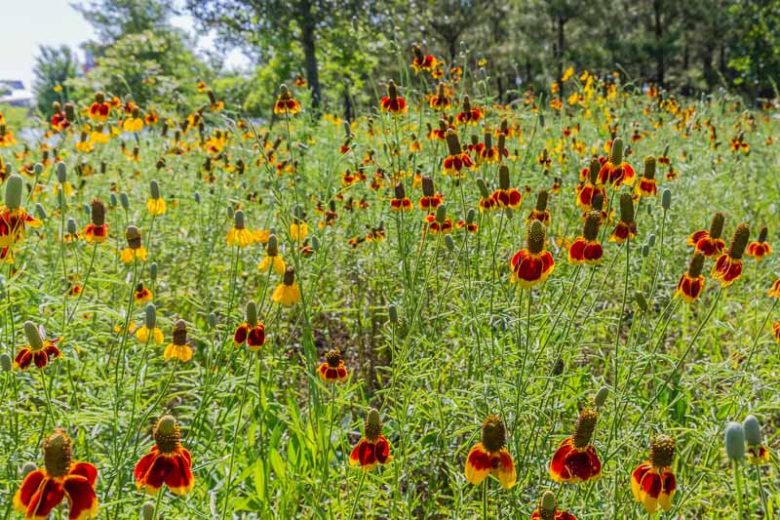


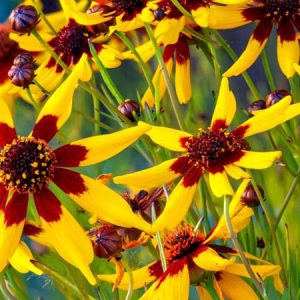
Looking for a tough, easy going wildflower that blooms for months, feeds pollinators and birds, and still handles heat and drought like a champ? Say hello to Ratibida columnifera, better known as the Mexican hat plant or prairie coneflower. Its drooping petals and tall, dark cone look just like a tiny sombrero – hence the name.
This North American native perennial wildflower thrives in open prairies, meadows, roadsides, and sunny borders. It is especially at home in Texas wildflower meadows and low water gardens. Once established, Ratibida columnifera provides waves of daisy like blooms from late spring into fall, with minimal care and impressive drought tolerance.
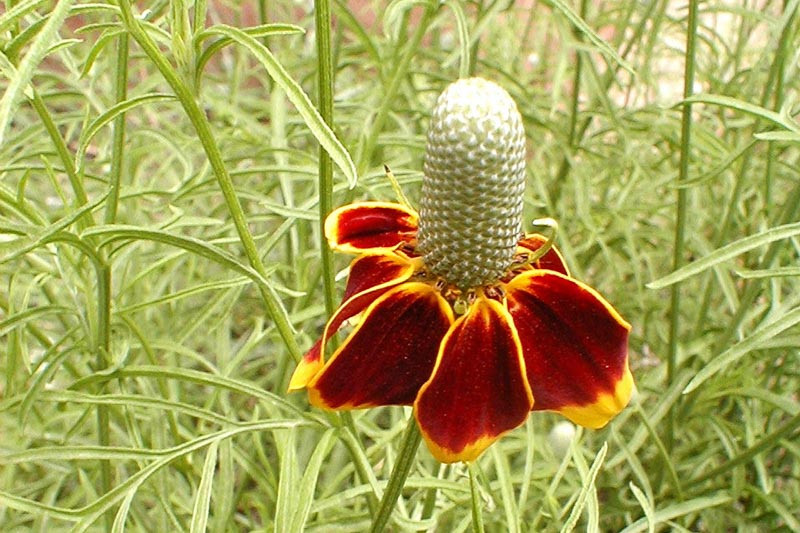
Summary: Upright, clump forming perennial wildflower with deeply cut, feathery foliage and distinctive daisies with drooping rays and a tall central cone that resembles a Mexican hat.
Use: Ideal for prairie plantings, meadows, sunny borders, wildlife gardens, pollinator patches, and low water naturalistic landscapes.
Highlight: Long blooming, drought tolerant, easy from seed, and low maintenance, Mexican hat plants attract butterflies, bees, and finches while thriving in hot, dry conditions.
Note: Frequently self sows and naturalizes into attractive drifts – great for wildflower meadows and informal designs.
| Botanical Name | Ratibida columnifera |
|---|---|
| Family | Asteraceae (aster or daisy family) |
| Common Names | Mexican hat plant, prairie coneflower, long headed coneflower, thimbleflower |
| Native Range | Native to central North America, especially the Great Plains, Texas, and northern Mexico, extending northward into parts of Canada. |
| Plant Type and Habit | Herbaceous perennial or short lived perennial that forms upright clumps and spreads by self seeding in open soil. |
| Hardiness (USDA) | Generally hardy in USDA Zones 4 to 9. |
| Size | Typically 1 to 3 feet tall and 12 to 18 inches wide (30 to 90 cm tall, 30 to 45 cm wide). Stems may be taller in rich soil. |
| Sun and Exposure | Full sun is best for sturdy growth and prolific flowering. Tolerates very light shade but blooms thin out with less light. |
| Soil | Prefers average, dry to medium, well drained soils. Tolerates poor, rocky, or sandy soils and even clay if drainage is acceptable. |
| Seasonal Interest | Profuse blooms from late spring to fall followed by ornamental seedheads that persist into winter and provide bird food. |
| Primary Uses | Prairie and meadow plantings, wildflower mixtures, native gardens, naturalized areas, cottage gardens, roadsides, and pollinator beds. |
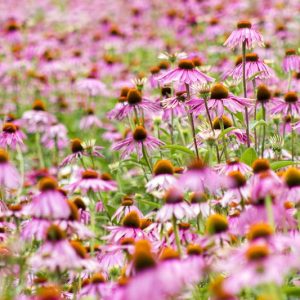
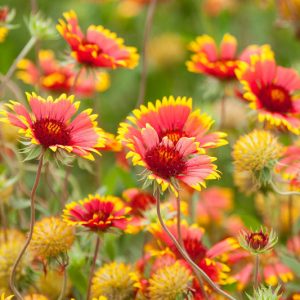
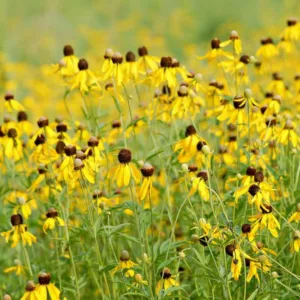
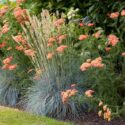
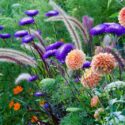
Ratibida columnifera is an upright, clump forming perennial boasting profuse, golden yellow or vibrant rust red daisies with 3 to 7 drooping rays surrounding a long and prominent central disk – resembling a sombrero with a drooping brim. Blooming from late spring to fall, the blossoms open on slender stems above bright green, feathery, deeply cleft leaves.
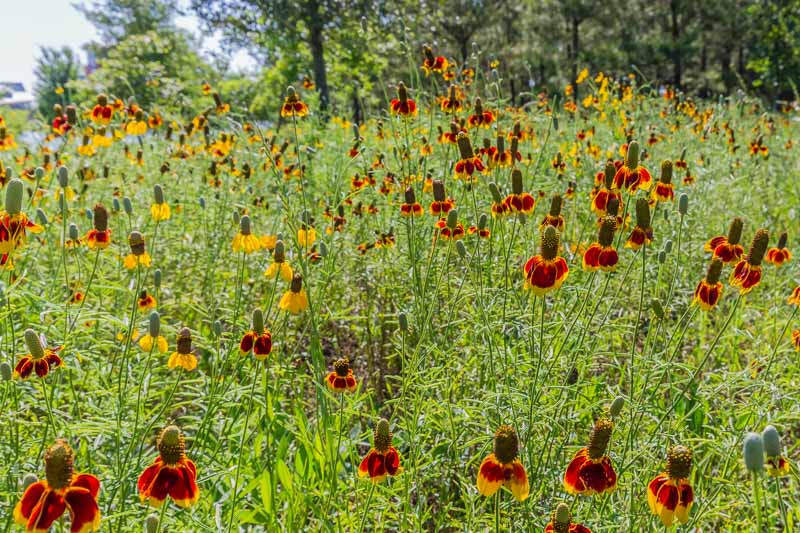
In bloom, Mexican hat plants often appear to float above surrounding foliage, their slender stems swaying gracefully in the wind. The flowers can be solid yellow, bicolored with red and yellow, or deep rusty tones, making them wonderful for color rich meadow plantings and naturalistic borders.
This species is native to North America, especially the Great Plains and central United States, including much of Texas, and south into northern Mexico. In the wild, you will often find Ratibida columnifera in:
This rugged native range explains why Mexican hat plant fits so well into Texas native plant landscapes, prairie gardens, and low input meadow mixes.
Mexican hat plants typically grow at a moderate rate, quickly reaching 1 to 3 feet tall in a season. Individual crowns may live several years, and the plant maintains its presence in the garden by self sowing where soil is bare or lightly mulched. In well suited sites, you will soon enjoy naturalized drifts of prairie coneflower.
If you want a tidy look, thin seedlings occasionally. For meadow style plantings, simply let seedlings fill gaps and create a more natural, layered community of wildflowers and grasses.
The blooms are the star of the show. Each flower features:
Butterflies, native bees, and other pollinators flock to the nectar and pollen. After flowering, the cones mature into attractive seedheads filled with seeds that are relished by finches and other birds. Leaving the seedheads standing provides both food and winter interest.
The foliage of Ratibida columnifera is finely cut and feathery, creating a soft backdrop for the bold flowers. Leaves are:
Because the stems are slender and flexible, Mexican hat plants add movement and a relaxed, prairie feel to the landscape, especially when paired with ornamental grasses.
Mexican hat plant is adapted to hot summers, cold winters, and variable rainfall, depending on region. It performs well in climates with:
This combination makes it an excellent choice for water-wise gardens, Texas landscapes, and prairie style plantings where resilience is needed.
Ratibida columnifera is wonderfully versatile. Use Mexican hat plant for:
Mexican hat plant is a natural choice for wildlife and pollinator gardens:
Because it thrives without heavy irrigation or chemical inputs, Ratibida columnifera supports more sustainable, nature friendly gardens.
Mexican hat plant is often considered deer-resistant to moderately deer-tolerant. The foliage is not usually a favorite food, although hungry deer may sample it. In many gardens it persists well even in areas with browsing pressure when part of a larger planting of deer-resistant native perennials.
One of the main reasons to grow Ratibida columnifera is its excellent drought tolerance once established. It is a natural fit for drought tolerant Texas plantings and xeriscapes. After the first year, it usually gets by with natural rainfall, needing extra water only during extreme drought.
Mexican hat plant is generally not considered highly toxic, but like many ornamentals it is best treated as a decorative wildflower rather than an edible crop. As with any garden plant, discourage pets and children from chewing on foliage or stems.
Within its native and adapted range, Ratibida columnifera is usually considered well behaved. It self sows freely in bare or lightly mulched soil, forming attractive drifts over time. If you prefer a more controlled look, simply pull unwanted seedlings in spring or deadhead plants before seeds mature.
Overall, Mexican hat plant care is simple: provide full sun, well drained soil, and modest water.
Plant Ratibida columnifera where it receives:
Mexican hat plant is highly adaptable and well suited to challenging soils:
This makes Ratibida columnifera an excellent choice for meadows, slopes, and difficult, low fertility sites.
Fertilizing is rarely necessary:
Mulch can be useful in the establishment phase but is not required long term.
Ratibida columnifera maintenance is minimal, making it perfect for low care landscapes.
In suitable conditions, Ratibida columnifera is a reliable, low maintenance wildflower.
Ratibida columnifera is a native North American wildflower usually called Mexican hat plant or prairie coneflower. It forms clumps of finely cut foliage topped by flowers with drooping petals and a tall, dark cone that looks like a little sombrero. Gardeners value it as a long blooming, drought tolerant perennial for prairies, meadows, and pollinator friendly gardens.
In the wild, Mexican hat plant grows on prairies, roadsides, dry slopes, and open fields across the Great Plains, Texas, and into northern Mexico. It thrives in sunny, open sites with well drained soil and is well suited to regions with hot summers, cold or cool winters, and relatively low to moderate rainfall.
A mature Mexican hat plant typically reaches about 1 to 3 feet tall and around 12 to 18 inches wide. In richer soil with more moisture, plants may grow a bit taller, but they usually stay airy and upright, making them easy to mix with other prairie perennials and grasses.
Ratibida columnifera is highly drought tolerant once established. During the first growing season, it benefits from occasional deep watering to develop strong roots. After that, most established plants only need supplemental water during extended droughts, especially in very hot, exposed sites or containers.
Mexican hat plant prefers full sun and well drained soil. It performs best with at least six hours of direct sun and tolerates a wide range of soils, including rocky, sandy, and clay soils, as long as they do not stay waterlogged. Lean, low fertility soils are often ideal for sturdy growth and abundant bloom.
Yes, Ratibida columnifera is excellent for wildlife. The daisy like blooms provide nectar and pollen for bees, butterflies, and other beneficial insects, while the mature seedheads feed finches and other small songbirds. Leaving some seedheads standing through winter increases its value in bird friendly gardens.
Mexican hat plant self sows readily, especially in open, lightly mulched soil, and can form nice drifts over time. In most gardens it is not considered invasive, but it can move around. If you want to keep it in specific areas, remove unwanted seedlings or deadhead before seeds mature.
Mexican hat plant typically blooms from late spring into summer, often continuing into early fall if conditions are favorable. Deadheading spent flowers can extend the display, but even without deadheading the overall bloom season is long compared to many wildflowers.
Yes, Ratibida columnifera is an outstanding choice for low maintenance, water wise gardens. It thrives in full sun, needs little to no fertilizer, handles heat and drought, and returns year after year by self seeding. It fits perfectly into xeriscapes, native prairies, and informal cottage style plantings where minimal care is a priority.
Updated: November 2025
| Hardiness |
4 - 9 |
|---|---|
| Climate Zones | 1, 1A, 1B, 2, 2A, 2B, 3, 3A, 3B, 4, 5, 6, 7, 8, 9, 10, 11, 12, 13, 14, 15, 16, 17, 18, 19, 20, 21, 22, 23, 24, A1, A2, A3, H1, H2 |
| Plant Type | Perennials |
| Plant Family | Compositae |
| Common names | Mexican Hat, Prairie Coneflower |
| Exposure | Full Sun |
| Season of Interest | Spring (Late), Summer (Early, Mid, Late), Fall |
| Height | 1' - 3' (30cm - 90cm) |
| Spread | 1' - 2' (30cm - 60cm) |
| Spacing | 18" - 24" (50cm - 60cm) |
| Maintenance | Low |
| Water Needs | Low |
| Soil Type | Loam, Sand |
| Soil pH | Alkaline, Neutral |
| Soil Drainage | Well-Drained |
| Characteristics | Cut Flowers, Showy |
| Native Plants | Arizona, Colorado, Iowa, Kansas, Midwest, Minnesota, Missouri, Montana, Nebraska, New Mexico, North Dakota, Oklahoma, Rocky Mountains, South Dakota, Southwest, Texas, United States, Utah, Wyoming |
| Tolerances | Drought, Dry Soil, Fire |
| Attracts | Butterflies, Birds |
| Garden Uses | Beds And Borders, Patio And Containers |
| Garden Styles | Butterfly Garden, Informal and Cottage, Pollinator Garden, Prairie and Meadow |
| Toxic to Humans | No known toxicity |
| Toxic to Cats | No known toxicity |
| Toxic to Dogs | No known toxicity |
| Toxic to Horses | No known toxicity |


| Hardiness |
4 - 9 |
|---|---|
| Climate Zones | 1, 1A, 1B, 2, 2A, 2B, 3, 3A, 3B, 4, 5, 6, 7, 8, 9, 10, 11, 12, 13, 14, 15, 16, 17, 18, 19, 20, 21, 22, 23, 24, A1, A2, A3, H1, H2 |
| Plant Type | Perennials |
| Plant Family | Compositae |
| Common names | Mexican Hat, Prairie Coneflower |
| Exposure | Full Sun |
| Season of Interest | Spring (Late), Summer (Early, Mid, Late), Fall |
| Height | 1' - 3' (30cm - 90cm) |
| Spread | 1' - 2' (30cm - 60cm) |
| Spacing | 18" - 24" (50cm - 60cm) |
| Maintenance | Low |
| Water Needs | Low |
| Soil Type | Loam, Sand |
| Soil pH | Alkaline, Neutral |
| Soil Drainage | Well-Drained |
| Characteristics | Cut Flowers, Showy |
| Native Plants | Arizona, Colorado, Iowa, Kansas, Midwest, Minnesota, Missouri, Montana, Nebraska, New Mexico, North Dakota, Oklahoma, Rocky Mountains, South Dakota, Southwest, Texas, United States, Utah, Wyoming |
| Tolerances | Drought, Dry Soil, Fire |
| Attracts | Butterflies, Birds |
| Garden Uses | Beds And Borders, Patio And Containers |
| Garden Styles | Butterfly Garden, Informal and Cottage, Pollinator Garden, Prairie and Meadow |
| Toxic to Humans | No known toxicity |
| Toxic to Cats | No known toxicity |
| Toxic to Dogs | No known toxicity |
| Toxic to Horses | No known toxicity |
How many Ratibida columnifera (Mexican Hat Plant) do I need for my garden?
| Plant | Quantity | |
|---|---|---|
| Ratibida columnifera (Mexican Hat Plant) | N/A | Buy Plants |
Create a membership account to save your garden designs and to view them on any device.
Becoming a contributing member of Gardenia is easy and can be done in just a few minutes. If you provide us with your name, email address and the payment of a modest $25 annual membership fee, you will become a full member, enabling you to design and save up to 25 of your garden design ideas.
Join now and start creating your dream garden!
Create a membership account to save your garden designs and to view them on any device.
Becoming a contributing member of Gardenia is easy and can be done in just a few minutes. If you provide us with your name, email address and the payment of a modest $25 annual membership fee, you will become a full member, enabling you to design and save up to 25 of your garden design ideas.
Join now and start creating your dream garden!