Suwannee Blue-Eyed Grass, Nash’s Blue-Eyed Grass, Blue-Eyed Grass 'Suwannee', Sisyrinchium angustifolium 'Suwannee Purple'
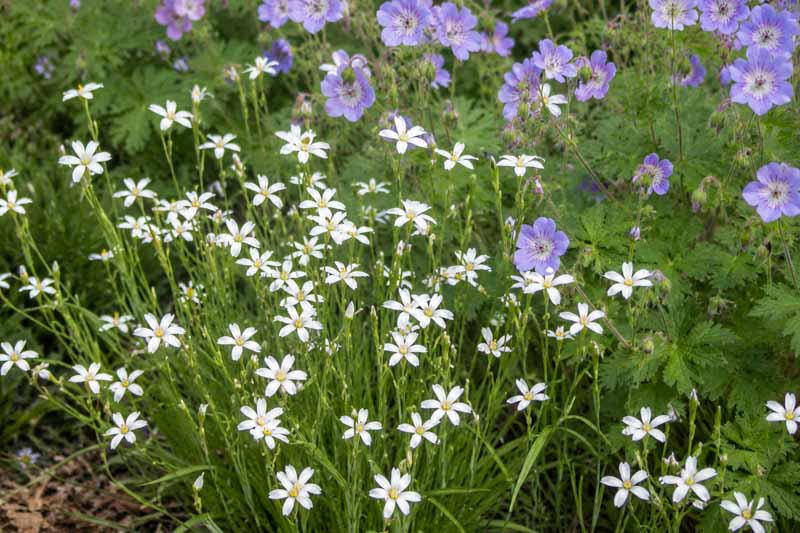


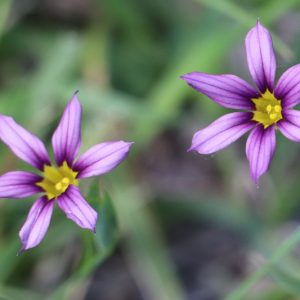
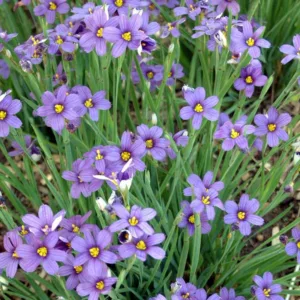
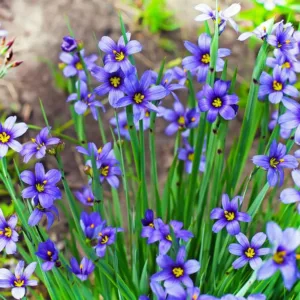
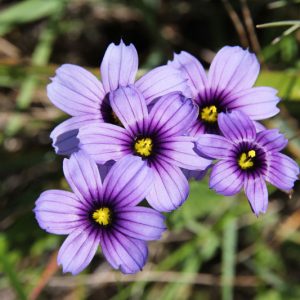
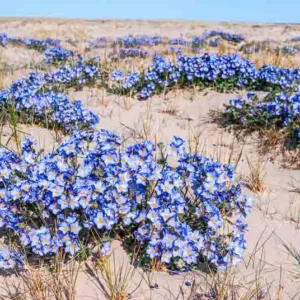
Sisyrinchium nashii ‘Suwannee’, commonly known as Suwannee Blue-Eyed Grass or Nash’s Blue-Eyed Grass ‘Suwannee’, is a compact native perennial with soft blue, star-shaped flowers, golden centers, and neat iris-like foliage. Despite its common name, blue-eyed grass is not a true grass. It belongs to the iris family, which explains its narrow sword-shaped leaves, flattened flower stems, and bright little blooms.
Small but memorable, ‘Suwannee’ brings a low haze of blue to paths, rock gardens, meadow plantings, sunny borders, rain garden edges, and pollinator gardens. It is refined enough for designed landscapes yet natural enough for native plantings, offering spring sparkle, fine texture, and easygoing performance in a compact package.
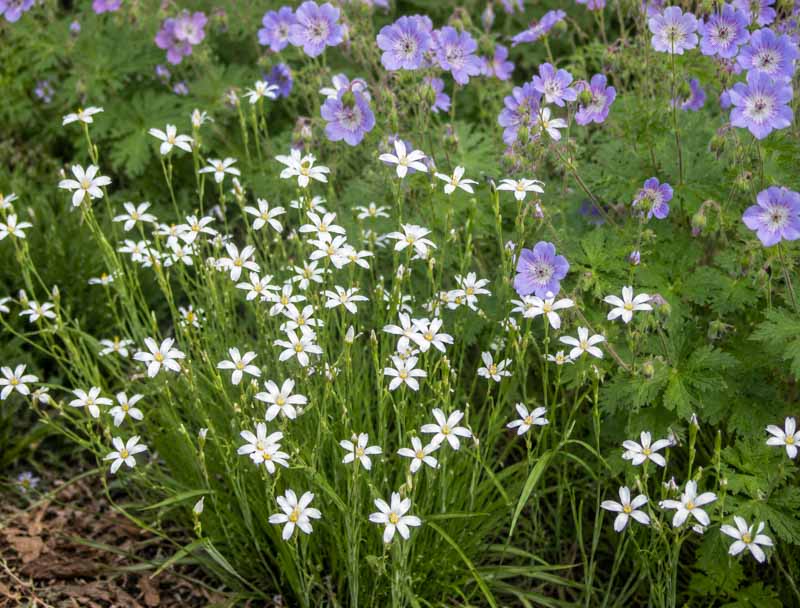
Compact, clump-forming native perennial with iris-like foliage and soft blue flowers.
Use: Ideal for edging, native gardens, meadow plantings, rock gardens, pollinator borders, rain garden edges, and low-maintenance landscapes.
Highlight: A tidy, floriferous blue-eyed grass selection with strong spring color.
Note: Sometimes seen under older trade references linked to Sisyrinchium angustifolium, but best treated as Sisyrinchium nashii ‘Suwannee’.
| Botanical Name | Sisyrinchium nashii ‘Suwannee’ |
|---|---|
| Family | Iridaceae – iris family |
| Common Names | Suwannee Blue-Eyed Grass, Nash’s Blue-Eyed Grass ‘Suwannee’ |
| Plant Type | Compact herbaceous to semi-evergreen perennial; tufted and rhizomatous |
| Hardiness | Usually USDA Zones 6 to 9 |
| Size | About 8 to 12 in. tall and 12 to 18 in. wide |
| Light | Full sun to light shade |
| Soil | Average to moist, well-drained soil; tolerates rocky or slightly alkaline sites |
| Bloom Time | Late spring to early summer |
| Flower Color | Soft blue to sky blue with yellow centers |
| Wildlife | Attracts native bees, small bees, syrphid flies, and other pollinators |
| Deer and Rabbits | Generally resistant, but not deer-proof |
| Drought Tolerance | Tolerates short dry spells once established |
| Toxicity | Not widely reported as toxic, but best treated as ornamental |
Plant in small drifts. Several plants together create a much stronger blue effect than one isolated clump.
Deep mulch, dense shade, and wet winter soil can weaken the crown.
‘Suwannee’ earns its place at the front of the garden, where its petite flowers can be seen and appreciated.
Sisyrinchium nashii ‘Suwannee’ is a compact selection of Nash’s blue-eyed grass, a North American native perennial with grassy-looking leaves and iris-family flowers. It forms low tufts of narrow foliage and produces soft blue blooms with golden centers. The flowers are small, but in groups they read as a bright blue mist above the foliage.
‘Suwannee’ is valued for being tidier and more garden-worthy than many blue-eyed grasses. It spreads gently by short rhizomes, forming compact clumps rather than a loose or messy colony. Use it where a planting needs spring color, fine texture, and a natural look without losing polish.
‘Suwannee’ is associated with the Suwannee River region of northern Florida and limestone-influenced habitats. This helps explain its tolerance of average, rocky, sandy, and slightly alkaline soils. It has appeared in commerce under older naming connected to Sisyrinchium angustifolium, but the better name for this selection is Sisyrinchium nashii ‘Suwannee’.
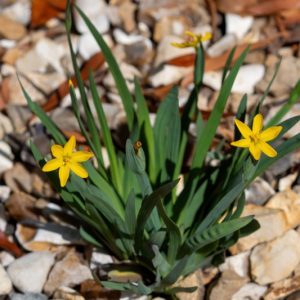
This is a low, clump-forming perennial, typically 8 to 12 inches tall and 12 to 18 inches wide. The foliage is upright, narrow, and fresh green, giving the plant value even after flowering. Its small scale makes it ideal for path edges, meadow pockets, rock gardens, troughs, and the front of mixed borders.
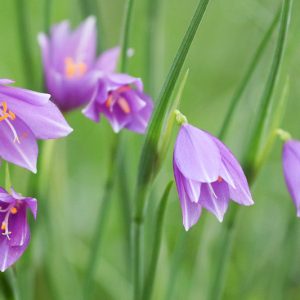
Bloom usually occurs in late spring to early summer, often May to June. The soft blue flowers open best in bright light and may close in dull weather or later in the day. Because the flowers are petite, place ‘Suwannee’ where people pass nearby, such as along a walkway, patio, stone edge, or low border.
‘Suwannee’ is usually recommended for USDA Zones 6 to 9. It grows best in bright light with good drainage and some moisture during active spring growth. In cooler climates, full sun is ideal. In hotter regions, light afternoon shade can keep foliage fresher and reduce stress.
‘Suwannee’ is best described as generally deer-resistant and somewhat unpalatable, but not deer-proof. Nursery sources often list it as deer-resistant or note that deer and rabbits usually leave it alone. Browsing can still occur where deer pressure is high, especially on young transplants.
Once established, Sisyrinchium nashii ‘Suwannee’ tolerates short dry spells and leaner conditions. It is useful in mixed native plantings where soil moisture changes through the season. However, drought tolerant does not mean drought loving. For the best bloom, provide even spring moisture while buds and flowering stems are forming. In prolonged summer drought, foliage may brown, slow down, or look less lush, especially in full sun.
Sisyrinchium nashii ‘Suwannee’ is not commonly listed among major toxic garden plants and is not widely reported as poisonous to people, dogs, cats, or horses. Still, it should be treated as ornamental rather than edible. Avoid intentional ingestion and supervise pets that chew garden plants.
‘Suwannee’ is not considered invasive in normal garden settings. It spreads gently by rhizomes and may produce seedlings, but it is usually easy to manage. Divide clumps in spring if they become too wide, and shear after bloom if you want to reduce seedlings.
Think of ‘Suwannee’ as a living edge: low, bright, textural, and best planted where it can sparkle up close.
Full sun produces the heaviest flowering, especially in cooler climates. In hot regions, morning sun with light afternoon shade is often ideal. Avoid deep shade, where plants stretch, bloom lightly, and lose density.
‘Suwannee’ grows well in average to moist, well-drained soil. It tolerates loam, sand, rocky soil, and slightly alkaline conditions. Good drainage around the crown is essential, especially in winter. Avoid heavy wet mulch packed over the plant.
Water regularly during the first growing season. Once established, provide supplemental water only during prolonged dry spells, especially in full sun. Spring moisture is more important than summer moisture because it supports flowering.
This is not a heavy feeder. A light spring topdressing of compost is enough in most soils. Avoid high-nitrogen fertilizer, which can encourage soft growth and reduce the compact, floriferous habit.
Shear lightly after flowering if foliage looks tired or if seedlings are unwanted. Do not cut hard into the crown. Remove old foliage in late winter or early spring before new growth begins.
Drainage is the best winter protection. Keep mulch light and away from the center of the clump. In containers, protect pots from repeated freeze-thaw cycles and avoid soggy potting mix.
‘Suwannee’ grows well in troughs, low bowls, and pollinator containers if drainage is excellent. Use a well-drained potting mix and keep plants evenly moist during active spring growth.
Propagate ‘Suwannee’ by division in spring as new growth begins. Lift the clump carefully, separate rooted sections, and replant them at the same depth. Water well until growth resumes. Because this is a named selection, seed may not produce identical plants.
Sisyrinchium nashii ‘Suwannee’ is generally low-maintenance when grown in bright light and well-drained soil. Most problems are cultural rather than serious pest issues.
Design ‘Suwannee’ with companions that enjoy sun to light shade, average to moist well-drained soil, and a naturalistic style. Use it as the early blue thread in a layered native planting, then let taller summer and fall companions carry the display forward.
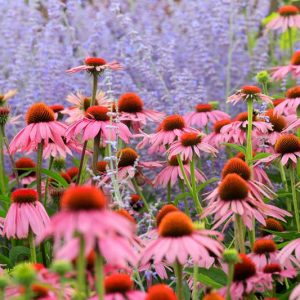
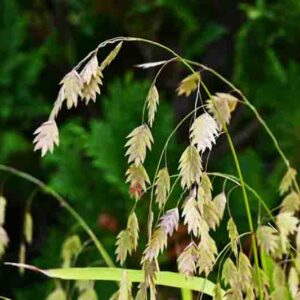
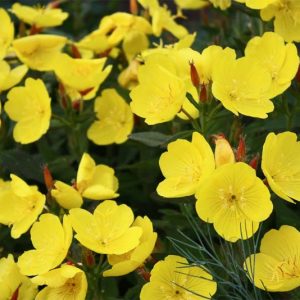
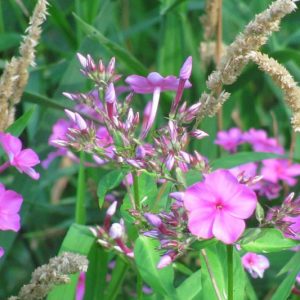
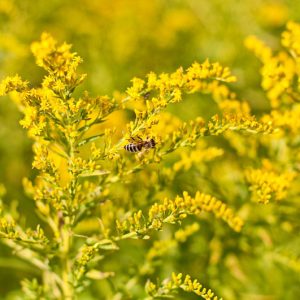
Let ‘Suwannee’ open with blue, then follow with yellow sundrops, purple coneflowers, smooth phlox, sea oats, and sweet goldenrod.
Sisyrinchium nashii Suwannee is a compact native blue-eyed grass with iris-like foliage and soft blue flowers with yellow centers.
Yes. It tolerates short dry spells once established, but flowers best with even spring moisture and good drainage.
It is generally deer-resistant and somewhat unpalatable, but not deer-proof. Browsing may occur where deer pressure is high.
It is not widely reported as toxic, but it should be treated as ornamental rather than edible.
New Moon Nursery – Sisyrinchium nashii ‘Suwannee’: https://newmoonnursery.com/nursery-plants/sisyrinchium-angustifolium-suwannee/
Lady Bird Johnson Wildflower Center – Sisyrinchium nashii: https://www.wildflower.org/plants/result.php?id_plant=SINA
Updated: June 2026 – Reviewed by Gardenia Editors
| Hardiness |
6 - 9 |
|---|---|
| Plant Type | Perennials |
| Plant Family | Iridaceae |
| Genus | Sisyrinchium |
| Common names | Blue-Eyed Grass |
| Exposure | Full Sun, Partial Sun |
| Season of Interest | Spring (Late), Summer (Early) |
| Height | 8" - 1' (20cm - 30cm) |
| Spread | 1' - 2' (30cm - 60cm) |
| Spacing | 18" (50cm) |
| Maintenance | Average |
| Water Needs | Low, Average |
| Soil Type | Chalk, Loam, Sand |
| Soil pH | Acid, Neutral |
| Soil Drainage | Moist but Well-Drained, Well-Drained |
| Characteristics | Showy, Semi-Evergreen |
| Tolerances | Deer, Drought |
| Attracts | Butterflies, Birds |
| Garden Uses | Beds And Borders, Bog Gardens, Ground Covers, Rain Gardens |
| Garden Styles | Butterfly Garden, Informal and Cottage, Pollinator Garden, Woodland Garden |
| Toxic to Humans | No known toxicity |
| Toxic to Cats | No known toxicity |
| Toxic to Dogs | No known toxicity |
| Toxic to Horses | No known toxicity |


| Hardiness |
6 - 9 |
|---|---|
| Plant Type | Perennials |
| Plant Family | Iridaceae |
| Genus | Sisyrinchium |
| Common names | Blue-Eyed Grass |
| Exposure | Full Sun, Partial Sun |
| Season of Interest | Spring (Late), Summer (Early) |
| Height | 8" - 1' (20cm - 30cm) |
| Spread | 1' - 2' (30cm - 60cm) |
| Spacing | 18" (50cm) |
| Maintenance | Average |
| Water Needs | Low, Average |
| Soil Type | Chalk, Loam, Sand |
| Soil pH | Acid, Neutral |
| Soil Drainage | Moist but Well-Drained, Well-Drained |
| Characteristics | Showy, Semi-Evergreen |
| Tolerances | Deer, Drought |
| Attracts | Butterflies, Birds |
| Garden Uses | Beds And Borders, Bog Gardens, Ground Covers, Rain Gardens |
| Garden Styles | Butterfly Garden, Informal and Cottage, Pollinator Garden, Woodland Garden |
| Toxic to Humans | No known toxicity |
| Toxic to Cats | No known toxicity |
| Toxic to Dogs | No known toxicity |
| Toxic to Horses | No known toxicity |
How many Sisyrinchium nashii ‘Suwannee’ (Nash’s Blue-eyed Grass) do I need for my garden?
| Plant | Quantity | |
|---|---|---|
| Sisyrinchium nashii ‘Suwannee’ (Nash’s Blue-eyed Grass) | N/A | Buy Plants |
Create a membership account to save your garden designs and to view them on any device.
Becoming a contributing member of Gardenia is easy and can be done in just a few minutes. If you provide us with your name, email address and the payment of a modest $25 annual membership fee, you will become a full member, enabling you to design and save up to 25 of your garden design ideas.
Join now and start creating your dream garden!
Create a membership account to save your garden designs and to view them on any device.
Becoming a contributing member of Gardenia is easy and can be done in just a few minutes. If you provide us with your name, email address and the payment of a modest $25 annual membership fee, you will become a full member, enabling you to design and save up to 25 of your garden design ideas.
Join now and start creating your dream garden!