Tomato
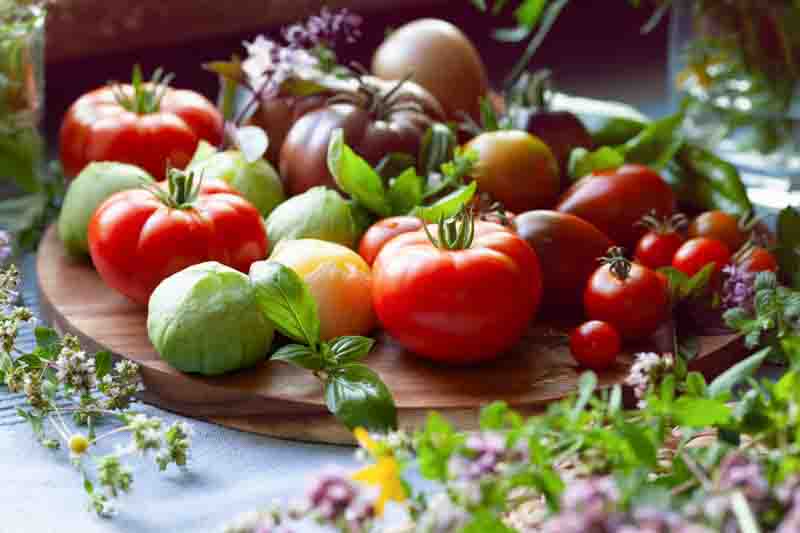
Tomato is one of the most rewarding edible plants to grow, with varieties ranging from tiny cherry tomatoes to paste types, beefsteaks, and richly flavored heirlooms. Choose tomatoes for their growth habit, mature size, days to maturity, disease resistance, fruit type, and climate fit – not fruit color or size alone.
Choose the Right Tomato for Your Garden
Start by deciding how much space you have and how you want to harvest. Learn the difference between determinate and indeterminate tomatoes, since growth habit affects spacing, support, pruning, harvest timing, and container suitability. For patios, balconies, and small gardens, explore Gardenia’s best tomatoes for containers. For broader plant information, visit the Tomato (Solanum lycopersicum) profile.
Plant, Water, Feed, and Support Tomatoes
Tomatoes grow best with plenty of sun, fertile well-drained soil, steady moisture, and enough room for air to move around the foliage. Avoid planting into cold soil, install stakes, cages, or trellises while plants are still young, and keep watering as consistent as possible. Follow Gardenia’s complete tomato growing guide for planting, spacing, watering, pruning, support, pollination, and harvesting. For feeding advice, see what to feed tomatoes and when.
Grow Tomatoes in Containers and Small Spaces
Tomatoes can grow very well in containers, but the pot must match the mature size and vigor of the plant. Do not assume a cherry tomato will stay compact – many cherry varieties are vigorous indeterminate vines. Choose suitable varieties from Gardenia’s best tomatoes for pots, then use the complete guide to growing tomatoes in containers for pot size, potting mix, watering, feeding, drainage, and support.
Choose Better Companion Plants for Tomatoes
Good tomato companions should share compatible growing conditions and earn their space by providing another harvest, covering bare soil, attracting beneficial insects, or adding seasonal interest without crowding the tomato plants. Use Gardenia’s guide to the best companion plants for tomatoes to separate useful planting ideas from familiar garden myths. For a more pollinator-friendly vegetable garden, explore flowers to plant with tomatoes for pollinators and beneficial insects.
Solve Tomato Problems Before You Treat Them
Yellow leaves, curling foliage, spots, wilting, blossom drop, poor fruit set, and cracked fruit can have very different causes, so diagnose the pattern before reaching for fertilizer or pesticides. Start with Tomato Problems: What Is Wrong With My Plant? to narrow down likely causes. If curling leaves are the main symptom, see why tomato leaves curl. For spots, wilting, and suspected infections, use Gardenia’s tomato disease identification and prevention guide.
Good to Know Before You Plant
More plants do not always mean more tomatoes. Give each tomato enough room for its mature size, choose the right support before vigorous growth begins, and avoid overfeeding with nitrogen, which can encourage leafy growth at the expense of fruiting. Match the variety to your growing season, space, and support system first – then choose the flavors, colors, and fruit shapes you are most excited to harvest.