Yellow leaves, curling foliage, brown spots, wilting, cracked fruit, or flowers that refuse to set? Tomato symptoms can have very different causes. Gardenia's symptom-first diagnostic guide uses four key clues - location, pattern, speed, and recent conditions - to help identify what is really wrong before you treat the plant.
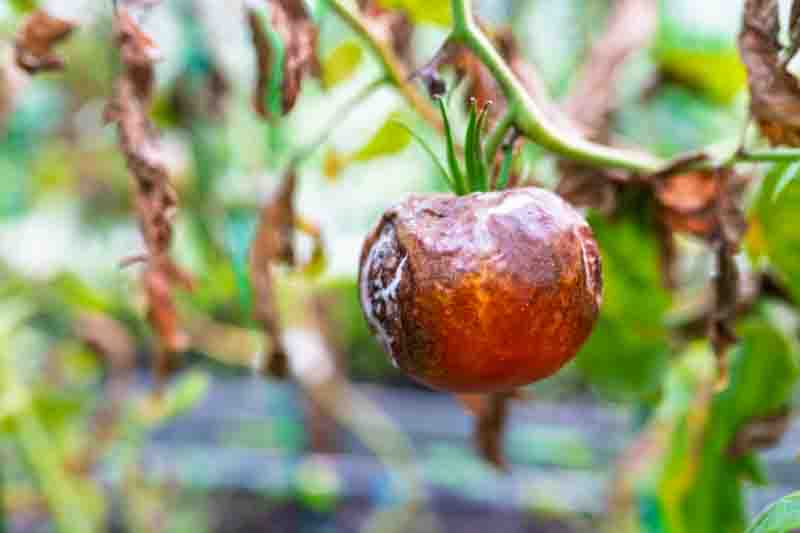


A tomato plant can look perfectly healthy one week and alarming the next. Lower leaves turn yellow. Foliage curls. Brown spots appear. Flowers fall without forming fruit. Tomatoes split, develop black patches, or refuse to ripen normally. Sometimes an entire plant suddenly wilts.
The difficult part is that different tomato problems can produce surprisingly similar symptoms. Yellow leaves may result from natural aging, nutrient stress, poor drainage, drought, leaf disease, or vascular wilt. Curled leaves can reflect heat stress, irregular watering, aphids, herbicide injury, or virus. Wilting does not automatically mean the plant needs more water.
The most reliable diagnosis therefore starts with what you can see – not with a fertilizer, pesticide, or disease name.
Before treating a tomato plant, ask four questions: Where did the problem begin? What pattern does it follow? How quickly is it spreading? What happened immediately before the symptoms appeared? Those four clues often narrow the possibilities dramatically.
| What You See | Useful Clue | Possible Cause | Check First |
|---|---|---|---|
| Lower leaves turn yellow | Older foliage affected first | Natural aging, root stress, nutrient problem, early disease | Look for spots, wilting, poor drainage, or widespread yellowing |
| Leaves roll upward but stay green | Recent heat, drought, or heavy pruning | Physiological leaf roll | Recent temperature and moisture stress |
| Plant wilts despite moist soil | Wilt persists rather than recovering | Root damage, poor drainage, vascular disease | Roots, drainage, and stem vascular discoloration |
| Brown spots begin on lower leaves | Wet or humid weather | Early blight, Septoria, bacterial disease | Lesion size, shape, center, margin, and pattern |
| Dark sunken patch on fruit bottom | Opposite the stem | Blossom-end rot | Moisture consistency and root health before adding calcium |
| Fruit splits | Heavy rain after dry weather | Growth cracking | Recent changes in water availability |
| Flowers drop without setting fruit | Very hot or unusually cool weather | Environmental stress affecting fruit set | Day and night temperatures, moisture, nitrogen, light |
| Large portions of foliage disappear | Bare stems and dark droppings | Hornworm or another caterpillar | Inspect stems and leaf undersides carefully |
| Bumps or root-like growths appear on stems | Stem otherwise healthy | Adventitious roots | Look for rot, dark lesions, or collapse before assuming disease |
Before deciding that your tomato has a particular disease, collect four pieces of information.
Lower leaves first often point toward aging foliage, soil-splashed leaf disease, nutrient stress, or vascular problems. Symptoms appearing mainly on young growth can suggest insects, virus, herbicide injury, or severe nutritional stress. Damage confined to fruit calls for a different diagnostic path altogether.
A few yellow leaves are different from an entire plant becoming pale. Circular spots with target-like rings point in a different direction from hundreds of tiny gray-centered lesions. Upward leaf rolling is different from narrow, twisted, malformed new growth.
A problem advancing gradually from the lowest foliage over several weeks behaves differently from one that suddenly races through the canopy during cool, wet weather. Speed matters because some infectious diseases progress much faster than common physiological disorders.
Think about recent heat, cold nights, heavy rain, drought, irrigation failure, fertilizer applications, nearby herbicide use, transplanting, or pruning. The event preceding the symptom can sometimes be more informative than the symptom itself.
Gardenia diagnostic rule: A symptom tells you what the plant is doing. Its location, pattern, speed, and recent history help explain why. Diagnose the combination – not one yellow leaf in isolation.
Once you have collected those four clues, place the problem into one of three broad categories before choosing a treatment:
Environmental or physiological: Heat, cold, drought, overwatering, nutrient imbalance, blossom-end rot, cracking, sunscald, or pruning stress.
Infectious disease: Fungal, bacterial, viral, or vascular diseases that may spread or progressively damage plant tissue.
Pest damage: Chewing insects, sap feeders, mites, or fruit-feeding caterpillars.
This first separation is useful because the treatment paths are completely different. A fungicide cannot correct drought stress. Fertilizer cannot cure a virus. And insecticide will not solve blossom-end rot.
Start broad, then narrow. First decide whether the problem is most likely environmental, infectious, or pest-related. Then use the four clues to move toward the specific cause.
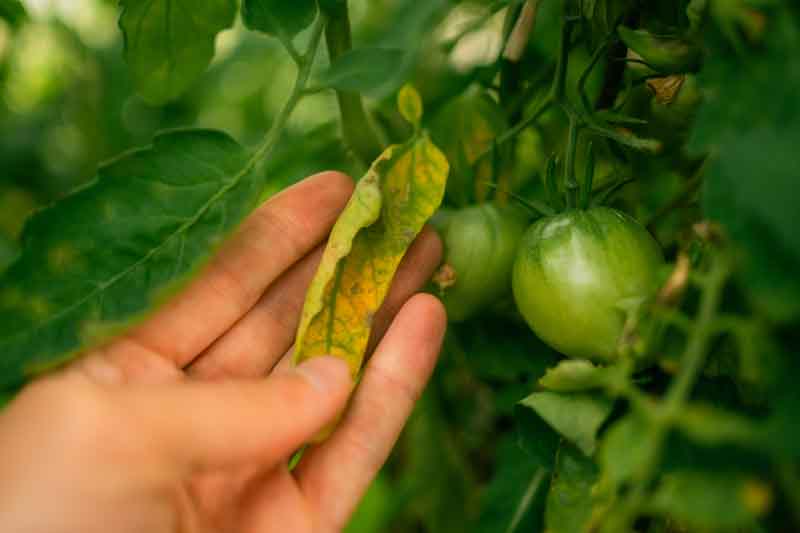
Yellow tomato leaves are among the most common – and least specific – symptoms. The first question is which leaves are yellowing first.
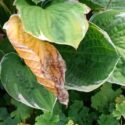
A few older lower leaves turning yellow as the plant develops can be normal, particularly when they are heavily shaded. If the rest of the plant is vigorous and healthy, simply continue monitoring.
More extensive yellowing may point toward:
Overwatering or poor drainage: Saturated soil deprives roots of oxygen, reducing their ability to function normally.
Drought: Severe or repeated moisture stress can also cause older foliage to yellow and die.
Nutrient imbalance: Nitrogen and other deficiencies can cause chlorosis, but soil and root conditions should be checked before fertilizer is added automatically.
Leaf disease: Yellowing associated with brown, gray, or black lesions may indicate early blight, Septoria leaf spot, or another foliar disease.
Vascular wilt: Yellowing accompanied by persistent wilting can indicate Fusarium or Verticillium.
If yellowing starts low on the plant, examine the leaves before removing them. The shape and distribution of spots may reveal far more than the yellow color itself.
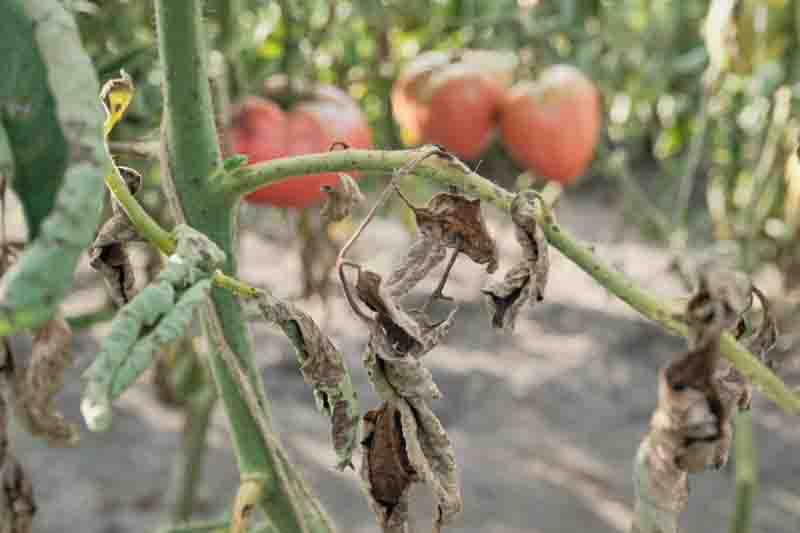
Leaf curl looks dramatic, but not every curled tomato leaf signals disease.
When mature leaves roll upward or inward but remain mostly green and otherwise normal, the plant may be showing physiological leaf roll. Hot weather, drought, irregular moisture, root disturbance, or heavy pruning can trigger this response.
If growth remains healthy and fruit production continues normally, correcting the environmental stress is usually more useful than applying a pesticide or fungicide.
Investigate more closely when curling is accompanied by:
Severe distortion of young leaves.
Mottled yellow-and-green foliage.
Stunted growth.
Narrow, twisted, or unusually shaped new leaves.
Heavy populations of sap-feeding insects.
Aphids can distort tender growth when populations become high. Mosaic viruses may produce mottling, curling, distortion, and stunting. Herbicide exposure can also create twisted or cupped foliage, particularly when symptoms appear suddenly on new growth.
Green rolled leaves and distorted mottled leaves tell different stories. Physiological leaf roll often leaves the plant otherwise healthy. Curling combined with abnormal color, severe distortion, or stunting deserves closer investigation.
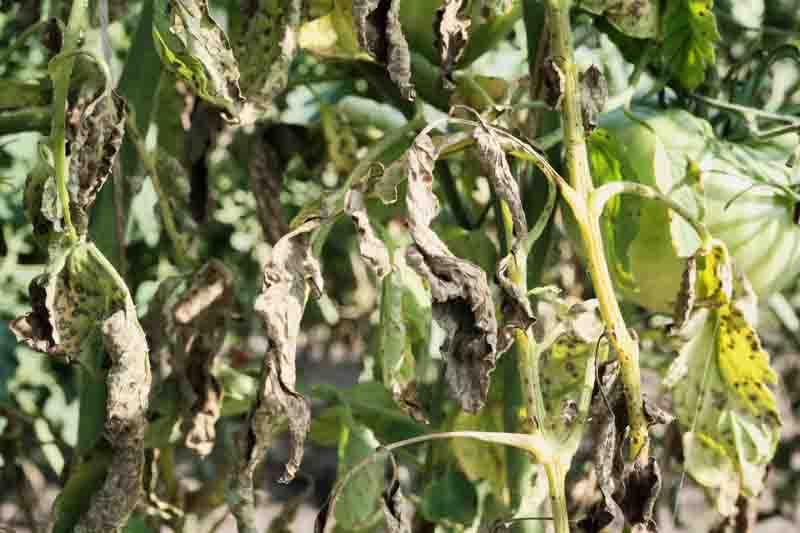
A wilted tomato can fool even experienced gardeners. If the soil is dry and the plant recovers after thorough watering, drought was probably responsible. If it droops only during the hottest part of the afternoon but recovers by evening or the following morning, temporary heat stress is more likely.
A plant that remains wilted in moist soil deserves closer inspection.
Fusarium wilt is a soilborne vascular disease. Symptoms often begin with yellowing and wilting of lower foliage and may initially affect only one side of the plant. Cutting into a lower stem may reveal brown discoloration in the vascular tissue.
Verticillium wilt can also cause lower-leaf yellowing, wilting, reduced vigor, and progressive decline despite adequate soil moisture.
Both diseases interfere with water movement inside the plant. Adding more irrigation to already moist soil will not solve the underlying problem and may further stress the roots.
Watch whether the plant recovers. Temporary midday wilting during intense heat is very different from a plant that remains limp overnight despite moist soil.
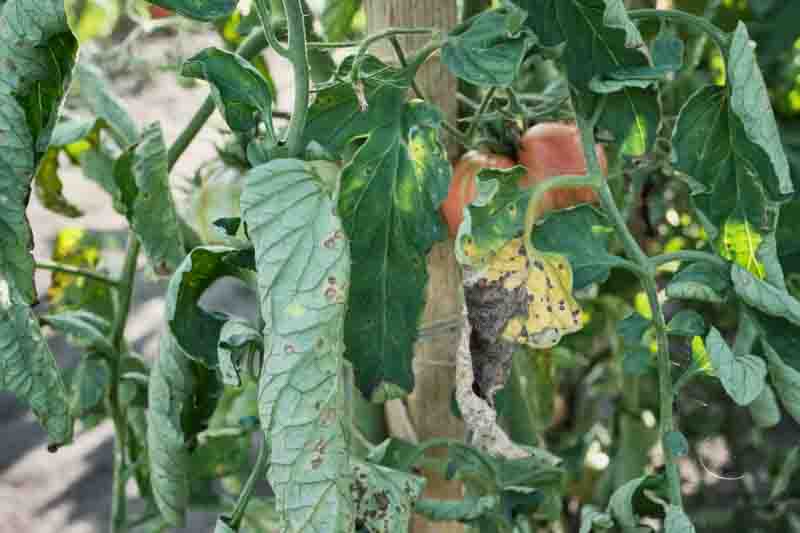
Leaf spots become much easier to diagnose when you look at where they begin and what the lesions actually look like.
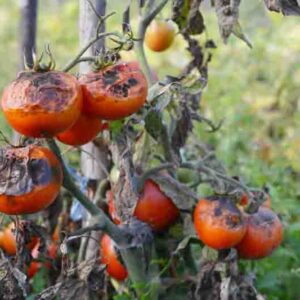
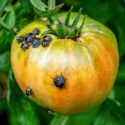
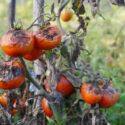
Early blight usually begins on older lower foliage. Brown lesions enlarge and often develop distinctive concentric rings resembling a target or bull’s-eye. Yellow tissue frequently surrounds the spots, and severe infections can defoliate plants and expose fruit to sunscald.
Septoria leaf spot also tends to begin on lower foliage, but the lesions are usually smaller and more numerous. They develop pale gray or tan centers with darker margins, and tiny black fruiting structures may become visible within the spots.
Late blight behaves differently. Irregular, water-soaked lesions can appear rapidly on foliage, stems, and fruit during cool, wet, humid weather. Whitish growth may appear around lesions under favorable conditions, particularly on leaf undersides.
Bacterial leaf spot can cause small dark or water-soaked lesions on foliage and may also spot fruit. Warm, wet conditions encourage spread.
Do not diagnose “blight” from brown leaves alone. Early blight, late blight, Septoria, bacterial diseases, drought injury, and normal leaf decline can all create brown foliage. Lesion pattern, plant location, weather, and speed of spread matter.
If leaf spots, persistent wilt, stem lesions, or other symptoms suggest an infectious problem, use Gardenia’s Tomato Diseases: Identification, Treatment & Prevention guide to compare early blight, late blight, Septoria leaf spot, bacterial diseases, vascular wilts, viruses, and other common tomato diseases.
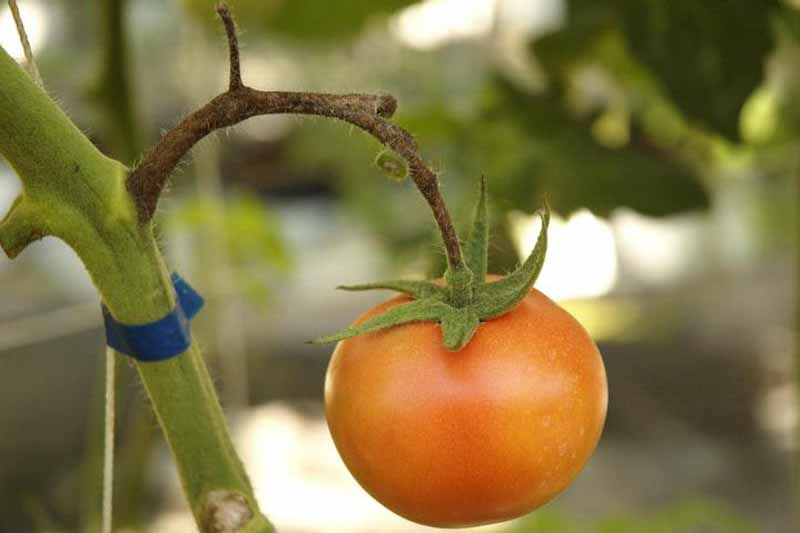
Tomato stems can develop bumps, spots, dark lesions, or unusual growths. Some are harmless; others deserve immediate attention.
Tomatoes naturally produce adventitious roots from stem tissue. Small pale bumps or root-like structures may appear on stems, especially under humid conditions or when the plant experiences root stress.
If the stem remains firm and green and the plant otherwise looks healthy, these bumps are usually not a disease and do not require treatment.
Dark, brown, black, or sunken lesions deserve more attention, particularly if the affected tissue enlarges, girdles the stem, or is accompanied by rapidly declining foliage.
Stem lesions can occur with diseases such as early blight and late blight, as well as other fungal or bacterial infections. Look at the entire plant rather than the stem alone:
Are leaf lesions present too?
Did symptoms develop after cool wet weather?
Is the stem tissue soft, sunken, or collapsing?
Is the disease moving rapidly?
Not every bump is a canker. Healthy-looking root initials on tomato stems are often normal. Dark, expanding, sunken, or rotting tissue is much more concerning.
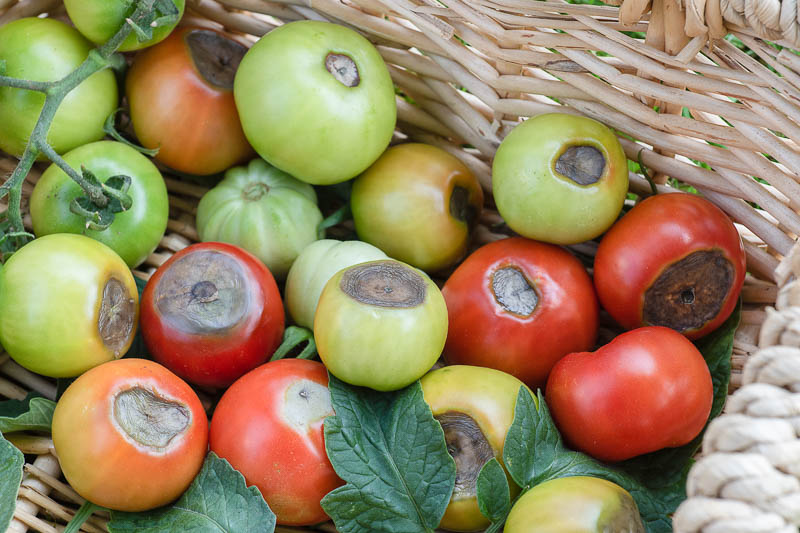
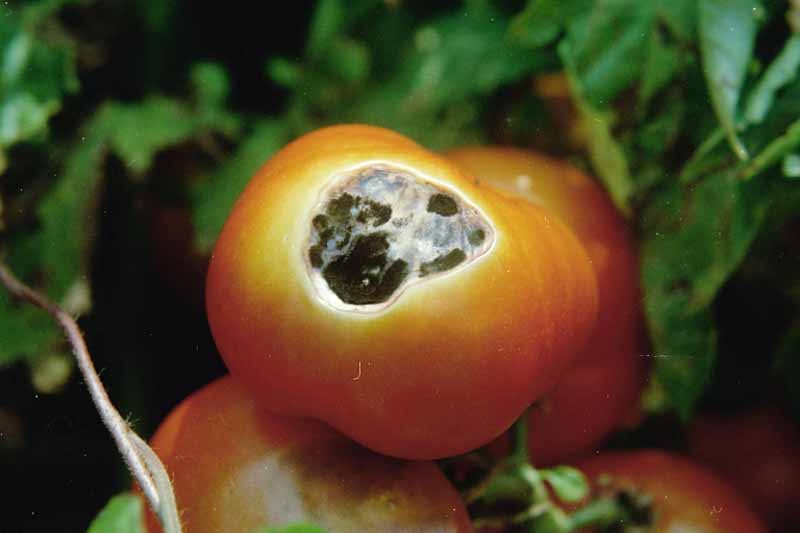
A dark, leathery, sunken patch at the blossom end of a tomato is characteristic of blossom-end rot.
The disorder involves inadequate calcium reaching rapidly developing fruit tissue, but that does not automatically mean the soil needs additional calcium. Irregular watering, root injury, excessive fertilizer salts, drought, and rapid growth can interfere with calcium movement even when soil calcium is adequate.
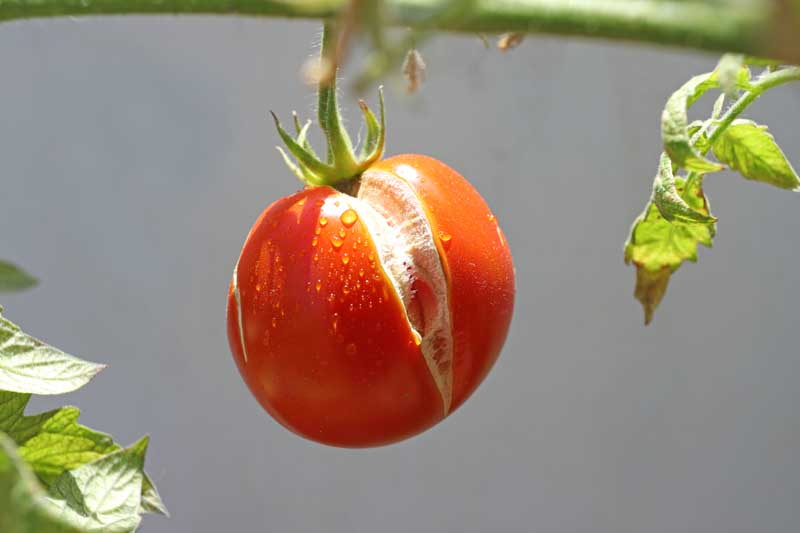
Radial or circular cracks often develop when fruit expands faster than the skin can accommodate, especially when heavy rain or irrigation follows a dry period. Maintain more consistent moisture and consider harvesting mature fruit once it begins coloring when prolonged heavy rain is expected.
Fruit suddenly exposed to intense sunlight can develop pale or yellowish-white patches that later become papery or damaged. Severe pruning and disease-related defoliation both increase the risk. A healthy leaf canopy protects developing fruit.
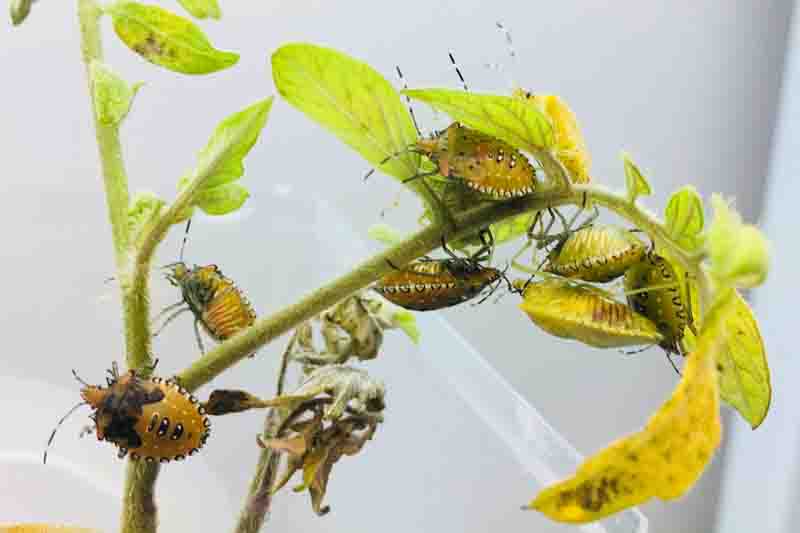
Stink bugs pierce tomatoes with sucking mouthparts. Feeding can leave pale, cloudy, corky, or hardened tissue beneath the skin and may distort developing fruit.
Tomato fruitworms bore into developing tomatoes, leaving feeding holes, frass, and internal damage. Hornworms and other caterpillars may also chew exposed fruit.
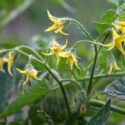
A healthy tomato covered in flowers but producing little fruit frequently points to unfavorable growing conditions rather than a lack of pollinators.
Fruit set can decline when:
Nights fall below about 55°F (13°C).
Daytime temperatures remain around 88-90°F (31-32°C) or higher.
Nights remain around 70°F (21°C) or warmer during hot weather.
Plants experience drought stress.
Very high humidity interferes with effective pollen release.
Excess nitrogen promotes foliage at the expense of flowers and fruit.
Plants receive insufficient sunlight.
Tomato flowers are self-fertile, so an individual plant does not need a second cultivar nearby for pollination. Outdoors, wind, insects, and ordinary movement generally help release pollen within the flowers.
Do not fertilize a heat-stressed tomato to force fruit set. If weather is interfering with pollination and fertilization, additional fertilizer will not correct the underlying problem. Keep the plant healthy and adequately watered until conditions improve.
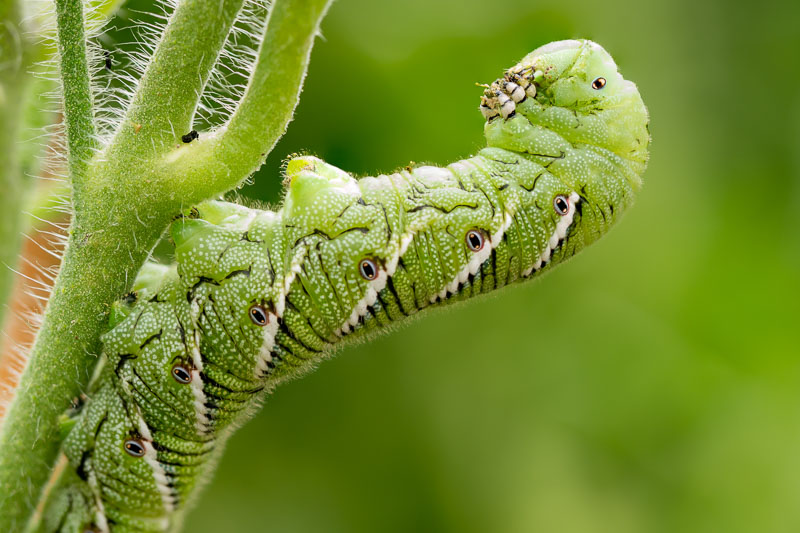
The pattern of damage can often identify a tomato pest faster than the insect itself.
Tomato hornworms: Large green caterpillars that can strip entire sections of foliage. Bare stems and large dark droppings are useful clues.
Flea beetles: Tiny jumping beetles that produce numerous small “shot holes,” particularly damaging to young seedlings and transplants.
Cutworms: Night-feeding caterpillars that may sever young tomato plants at or just below soil level.
Aphids: Small sap feeders that cluster on tender shoots and leaf undersides, sometimes causing distortion and sticky honeydew.
Whiteflies: Tiny white insects that flutter from foliage when disturbed and feed primarily on leaf undersides.
Spider mites: Tiny arachnids favored by hot, dry conditions. Pale stippling, bronzing, yellowing, and fine webbing are typical warning signs.
Beneficial insects suppress many soft-bodied pests naturally, so identify the pest and assess the severity before automatically spraying.
A tomato that remains small, pale, or unproductive may not have one dramatic disease. Sometimes the whole growing environment is working against it.
Common causes include:
Cold soil: Tomatoes are warm-season plants, and cool roots grow slowly.
Insufficient sunlight: Tomatoes need at least 6 hours of direct sun, with 8 hours or more preferable for strong cropping.
Poor drainage: Waterlogged roots cannot function normally.
Restricted roots: Undersized containers can limit growth and dry very rapidly.
Excess fertilizer: Too much nitrogen can produce enormous leafy plants with relatively little fruit.
Insufficient fertility: Truly depleted soil can limit growth, but nutrient deficiency should be distinguished from root stress before fertilizer is added.
Root disease or nematodes: Consider below-ground problems when top growth remains poor despite otherwise appropriate care.
Review the Gardenia profile for Tomato (Solanum lycopersicum) for growing requirements. If cultivar choice itself may be contributing to the problem, see Determinate vs. Indeterminate Tomatoes to match growth habit and mature size to your garden.
No garden is completely free of tomato problems, but good cultural practices prevent many disorders and make others less severe.
Start with healthy plants and resistant cultivars. Resistance codes on seed packets and labels can help where particular diseases are common.
Plant in full sun. Strong light supports growth and helps foliage dry more quickly.
Allow adequate spacing. Crowded plants stay damp longer and are harder to inspect.
Water at soil level. Drip irrigation or careful root-zone watering reduces soil splash and unnecessary leaf wetness.
Keep moisture reasonably consistent. Large swings between drought and saturation contribute to cracking and blossom-end rot.
Mulch the soil. Mulch helps stabilize moisture and reduces soil splash onto lower foliage.
Support plants early. Cages, stakes, and trellises help keep foliage and fruit away from damp soil.
Avoid excessive nitrogen. Huge leafy plants are not necessarily productive plants.
Remove seriously diseased material. Do not allow heavily infected leaves or fruit to accumulate around healthy plants.
Rotate crops when practical. Avoid repeatedly planting tomatoes and closely related nightshades in soil with a history of serious soilborne disease.
Inspect plants regularly. Check leaf undersides, inner stems, lower foliage, and developing fruit rather than waiting for damage to become obvious from a distance.
The most useful tomato skill is not memorizing every disease. Learn to recognize patterns. Lower leaves with target-like spots, green leaves rolling during heat, a wilted plant in wet soil, and cracked fruit after heavy rain are four different problems requiring four different responses.
Some tomato problems cannot be diagnosed reliably from a single photograph or leaf. Several diseases resemble one another, and environmental stress can mimic infection.
When the diagnosis remains uncertain:
Photograph the entire plant as well as close-ups of affected leaves, stems, and fruit.
Record whether symptoms began on old or young growth.
Note recent temperatures, rainfall, irrigation, fertilizer, spraying, and pruning.
Inspect both sides of leaves and cut open a suspicious lower stem if vascular wilt is suspected.
Compare several symptoms rather than relying on a single spot or curled leaf.
For rapidly spreading or difficult cases, contact a local cooperative extension office or plant diagnostic laboratory.
This step is especially important before treating suspected disease. A fungicide will not correct drought, herbicide injury, a virus, excessive nitrogen, or blossom-end rot.
Found the likely cause? Follow the linked Gardenia pest or disease page for more detailed identification, prevention, and management information.
A few shaded older leaves may yellow naturally, but widespread lower-leaf yellowing can also result from watering problems, nutrient stress, early blight, Septoria leaf spot, Fusarium wilt, or Verticillium wilt. Look for spots, persistent wilting, drainage problems, and the speed of progression before treating.
Green leaves that roll upward during heat, drought, root disturbance, or after heavy pruning may be showing physiological leaf roll. Curling accompanied by mottling, severe distortion, stunting, or abnormal new growth may instead indicate insects, virus, or herbicide injury.
Persistent wilting in moist soil can indicate damaged roots, waterlogged soil, or a vascular wilt such as Fusarium or Verticillium. A plant that only wilts during the hottest part of the day but recovers later may simply be experiencing temporary heat stress.
Possible causes include early blight, Septoria leaf spot, late blight, bacterial diseases, and environmental injury. The location, size, pattern, and speed of the spots help distinguish them. Target-like rings suggest early blight, while numerous small pale-centered spots suggest Septoria.
A dark, sunken, leathery patch at the blossom end of a tomato is usually blossom-end rot. It reflects inadequate calcium reaching developing fruit tissue, but irregular watering and root stress are frequent underlying causes even when soil contains enough calcium.
Tomatoes often crack when water availability changes rapidly, especially when heavy rain or irrigation follows a dry period. The fruit expands faster than its skin can accommodate. More consistent soil moisture can reduce cracking.
Unfavorable growing conditions are a frequent cause. Cool nights below about 55°F (13°C), sustained daytime heat around 88-90°F (31-32°C) or higher, and warm nights can interfere with fruit set. Drought stress, excess nitrogen, high humidity, and poor light can also contribute.
Large areas of missing foliage and bare stems often point toward tomato or tobacco hornworms. Flea beetles create numerous tiny shot holes, while cutworms can sever young plants near soil level. Inspect stems and leaf undersides carefully.
Small pale bumps or root-like growths on otherwise healthy tomato stems are often adventitious roots. Tomatoes naturally form roots from stem tissue, particularly under humid conditions or root stress. Dark, sunken, rotting, or expanding stem lesions are more concerning and deserve further investigation.
Removing badly diseased foliage can reduce sources of infection and improve airflow, but avoid stripping large amounts of healthy foliage. Leaves supply energy and protect fruit from sunscald. Identify the problem and prune selectively.
Use four clues: where symptoms begin, the pattern they form, how quickly they spread, and what happened immediately beforehand. Environmental disorders often follow heat, drought, flooding, pruning, fertilizer, or herbicide exposure, while infectious diseases more often show progressive spread or characteristic lesions.
Updated: September 2026 • Reviewed by Gardenia Editors
| Hardiness |
2 - 11 |
|---|---|
| Climate Zones | 1, 1A, 1B, 2, 2A, 2B, 3, 3A, 3B, 4, 5, 6, 7, 8, 9, 10, 11, 12, 13, 14, 15, 16, 17, 18, 19, 20, 21, 22, 23, 24, A1, A2, A3, H1, H2 |
| Plant Type | Fruits |
| Plant Family | Solanaceae |
| Genus | Solanum, Tomatoes |
| Common names | Love Apple, Tomato |
| Exposure | Full Sun |
| Season of Interest | Spring (Late), Summer (Early, Mid, Late), Fall |
| Height | 3' - 10' (90cm - 3m) |
| Spread | 1' - 4' (30cm - 120cm) |
| Spacing | 24" - 36" (60cm - 90cm) |
| Maintenance | Average, High |
| Water Needs | Average |
| Soil Type | Clay, Loam, Sand |
| Soil pH | Acid, Neutral |
| Soil Drainage | Moist but Well-Drained |
| Tolerance | Rabbit, Clay Soil |
| Attracts | Bees |
| Landscaping Ideas | Patio And Containers |
| Garden Styles | City and Courtyard, Informal and Cottage, Pollinator Garden |
| Hardiness |
2 - 11 |
|---|---|
| Climate Zones | 1, 1A, 1B, 2, 2A, 2B, 3, 3A, 3B, 4, 5, 6, 7, 8, 9, 10, 11, 12, 13, 14, 15, 16, 17, 18, 19, 20, 21, 22, 23, 24, A1, A2, A3, H1, H2 |
| Plant Type | Fruits |
| Plant Family | Solanaceae |
| Genus | Solanum, Tomatoes |
| Common names | Love Apple, Tomato |
| Exposure | Full Sun |
| Season of Interest | Spring (Late), Summer (Early, Mid, Late), Fall |
| Height | 3' - 10' (90cm - 3m) |
| Spread | 1' - 4' (30cm - 120cm) |
| Spacing | 24" - 36" (60cm - 90cm) |
| Maintenance | Average, High |
| Water Needs | Average |
| Soil Type | Clay, Loam, Sand |
| Soil pH | Acid, Neutral |
| Soil Drainage | Moist but Well-Drained |
| Tolerance | Rabbit, Clay Soil |
| Attracts | Bees |
| Landscaping Ideas | Patio And Containers |
| Garden Styles | City and Courtyard, Informal and Cottage, Pollinator Garden |
Create a membership account to save your garden designs and to view them on any device.
Becoming a contributing member of Gardenia is easy and can be done in just a few minutes. If you provide us with your name, email address and the payment of a modest $25 annual membership fee, you will become a full member, enabling you to design and save up to 25 of your garden design ideas.
Join now and start creating your dream garden!
Create a membership account to save your garden designs and to view them on any device.
Becoming a contributing member of Gardenia is easy and can be done in just a few minutes. If you provide us with your name, email address and the payment of a modest $25 annual membership fee, you will become a full member, enabling you to design and save up to 25 of your garden design ideas.
Join now and start creating your dream garden!