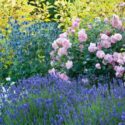
Build a pollinator-friendly perennial border with Echinacea purpurea (summer-fall), Eryngium giganteum (midsummer), and Phlox paniculata ‘Blue Paradise’ (mid-late summer). Layer blue-violet flower clouds behind pink coneflowers, then dot in silver spires for structure. The result: meadow-lush, photo-ready, and buzzing with bees.
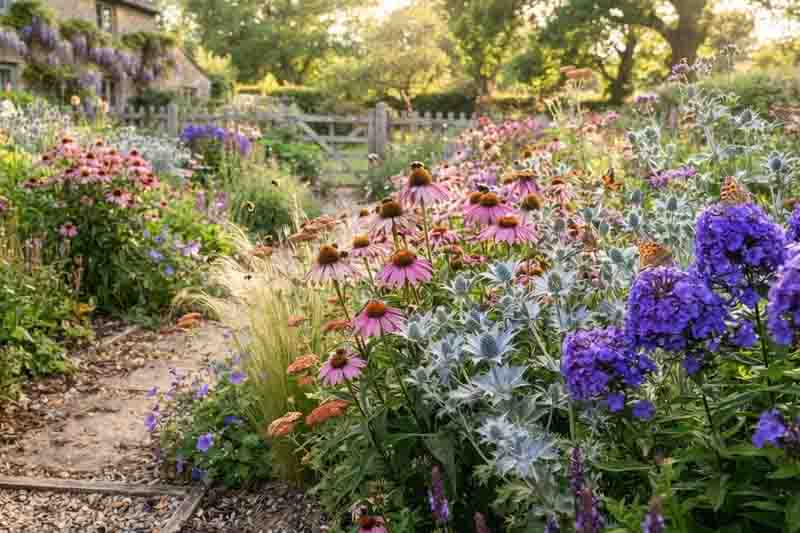


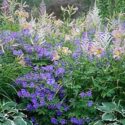
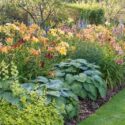
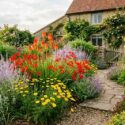
This generous cottage-style border brings together pink coneflowers, silvery sea holly, and deep violet-blue garden phlox within a much larger mixed planting. Echinacea purpurea appears in loose groups through the middle of the bed, while Eryngium giganteum provides pale, sharply defined flower heads among the softer foliage. At the front right, Phlox paniculata ‘Blue Paradise’ forms a strong patch of blue-violet flowers.
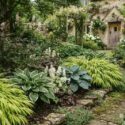
The garden feels full and mature rather than carefully arranged plant by plant. Grasses and other flowering perennials mingle with the three featured plants, while the path, wooden gate, cottage, and mature trees create a relaxed setting around them. Some flowers lean into neighboring groups and others rise above the main planting, which adds to the informal effect.
Main plants used: Echinacea purpurea, Eryngium giganteum, and Phlox paniculata ‘Blue Paradise’
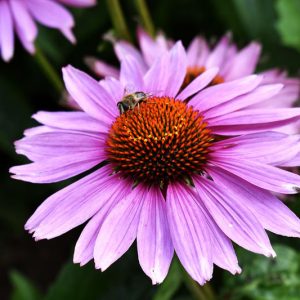
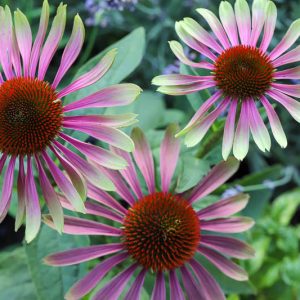
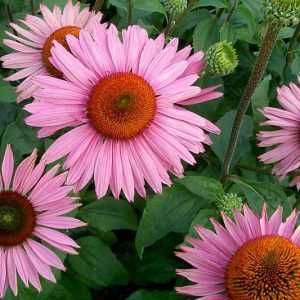
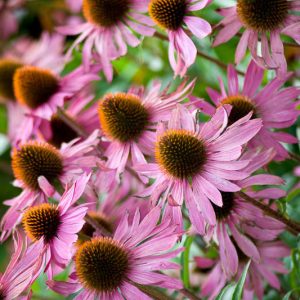
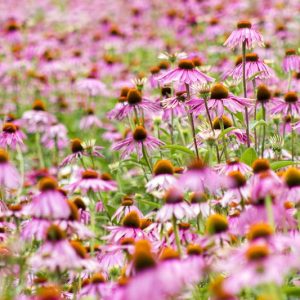
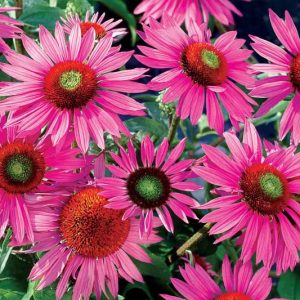
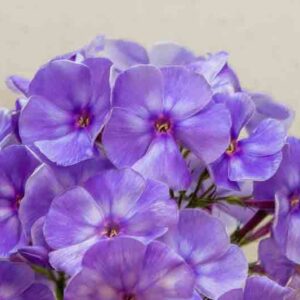
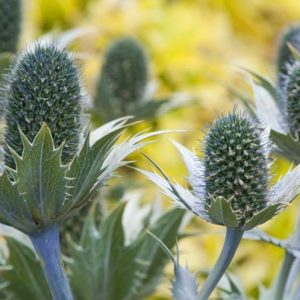
The three plants are different enough in form to remain distinct even in a densely planted border. Echinacea carries large daisy-like flowers on sturdy stems. Eryngium is paler, more branched, and noticeably spikier. Phlox produces rounded clusters of many smaller flowers, giving the planting a much fuller block of color.
The colors also balance one another. Pink Echinacea provides most of the warm color, while the blue-violet Phlox introduces a cooler note. The silvery foliage and bracts of Eryngium sit comfortably between the two and stand out particularly well in late-day light.
The surrounding planting is important. Grasses and additional perennials prevent the three featured plants from looking like separate blocks and give the garden the loose, layered appearance of an established border.
Echinacea purpurea works well through the middle of the border, where its flowers remain visible above lower foliage. Plant several together rather than scattering single plants throughout the bed. After flowering, some seedheads can be left standing for birds and winter interest.
Eryngium giganteum provides a very different texture. Its silvery bracts and branching flower stems are particularly effective among softer flowers and grasses. It is usually best used in smaller numbers than Echinacea or Phlox so its distinctive shape does not become repetitive.
Phlox paniculata ‘Blue Paradise’ provides the strongest concentration of cool color. Give plants enough space for air to circulate around the foliage, which can help reduce problems with powdery mildew. In a mixed border, several plants together make a stronger display than isolated specimens.
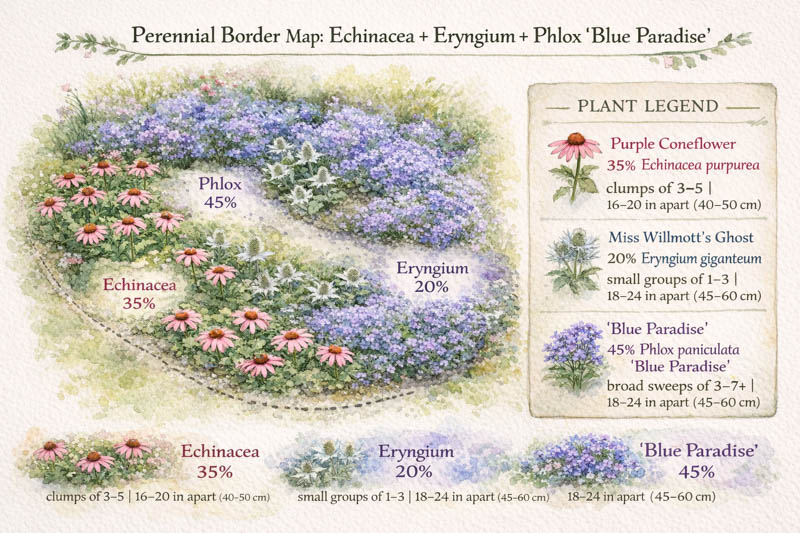
Create a full summer border with repeated groups of pink and violet-blue flowers, using silvery Eryngium to introduce contrast in both color and texture.
These proportions apply to the featured plants only. Grasses and other compatible perennials can be worked around them, as they are in this garden.
Vary the size and position of the groups rather than repeating the same pattern throughout the bed.
Use Echinacea through the middle in several loose groups rather than one continuous mass.
Place Phlox in larger patches where its clustered flowers can provide clear areas of blue-violet color.
Add Eryngium between the softer flowering plants, allowing its pale stems and flower heads to rise through neighboring foliage.
If grasses and other perennials are already present, let them remain between the main groups. The border should feel layered rather than divided into three separate sections.
The three featured plants do not need exactly the same conditions. Phlox prefers more consistent moisture, while Eryngium performs best in freer-draining soil. Small differences within the border can help accommodate both.
And do not make the planting too orderly. The character of this garden comes from broad groups that overlap with grasses and neighboring perennials, with flowers appearing at several heights rather than in neat rows.
| Hardiness |
4 - 8 |
|---|---|
| Heat Zones |
1 - 8 |
| Climate Zones | 1, 1A, 1B, 2, 2A, 2B, 3, 3A, 3B, 4, 5, 6, 7, 8, 9, 10, 11, 12, 13, 14, 18, 19, 20, 21, 22, 23, 24 |
| Exposure | Full Sun |
| Season of Interest | Summer (Early, Mid, Late) |
| Maintenance | Low |
| Water Needs | Low, Average |
| Soil Type | Loam, Sand |
| Soil pH | Acid, Neutral, Alkaline |
| Soil Drainage | Well-Drained |
| Characteristics | Showy, Cut Flowers, Dried Arrangements |
| Native Plants | United States |
| Tolerances | Deer |
| Attracts | Bees, Butterflies, Birds |
| Landscaping Ideas | Beds And Borders |
| Garden Styles | Butterfly Garden, Informal and Cottage, Pollinator Garden, Prairie and Meadow |

| Hardiness |
4 - 8 |
|---|---|
| Heat Zones |
1 - 8 |
| Climate Zones | 1, 1A, 1B, 2, 2A, 2B, 3, 3A, 3B, 4, 5, 6, 7, 8, 9, 10, 11, 12, 13, 14, 18, 19, 20, 21, 22, 23, 24 |
| Exposure | Full Sun |
| Season of Interest | Summer (Early, Mid, Late) |
| Maintenance | Low |
| Water Needs | Low, Average |
| Soil Type | Loam, Sand |
| Soil pH | Acid, Neutral, Alkaline |
| Soil Drainage | Well-Drained |
| Characteristics | Showy, Cut Flowers, Dried Arrangements |
| Native Plants | United States |
| Tolerances | Deer |
| Attracts | Bees, Butterflies, Birds |
| Landscaping Ideas | Beds And Borders |
| Garden Styles | Butterfly Garden, Informal and Cottage, Pollinator Garden, Prairie and Meadow |
Recreate this garden. Specify the percentages you would like to have of each plant and input the dimensions of your garden space.We'll give you a shopping list so you know how many plants you need.
| Plant | Quantity | |
|---|---|---|
| Echinacea purpurea (Purple Coneflower) | N/A | Buy Plants |
| Phlox paniculata 'Blue Paradise' (Garden Phlox) | N/A | Buy Plants |
| Eryngium giganteum (Miss Willmott's Ghost) | N/A | Buy Plants |
Create a membership account to save your garden designs and to view them on any device.
Becoming a contributing member of Gardenia is easy and can be done in just a few minutes. If you provide us with your name, email address and the payment of a modest $25 annual membership fee, you will become a full member, enabling you to design and save up to 25 of your garden design ideas.
Join now and start creating your dream garden!
Create a membership account to save your garden designs and to view them on any device.
Becoming a contributing member of Gardenia is easy and can be done in just a few minutes. If you provide us with your name, email address and the payment of a modest $25 annual membership fee, you will become a full member, enabling you to design and save up to 25 of your garden design ideas.
Join now and start creating your dream garden!