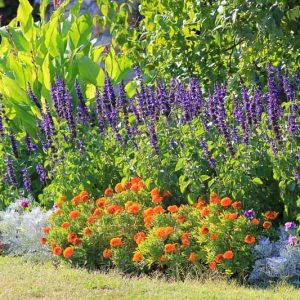
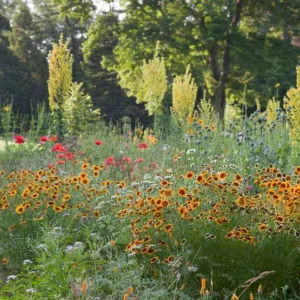
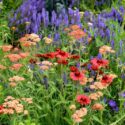
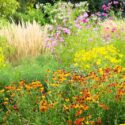
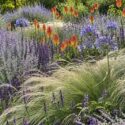
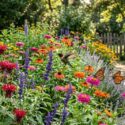
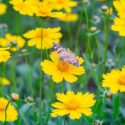
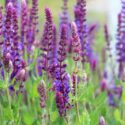
Annual flowers and Plants - These sun lovers are a perfect way to add a burst of color and life to your shade garden
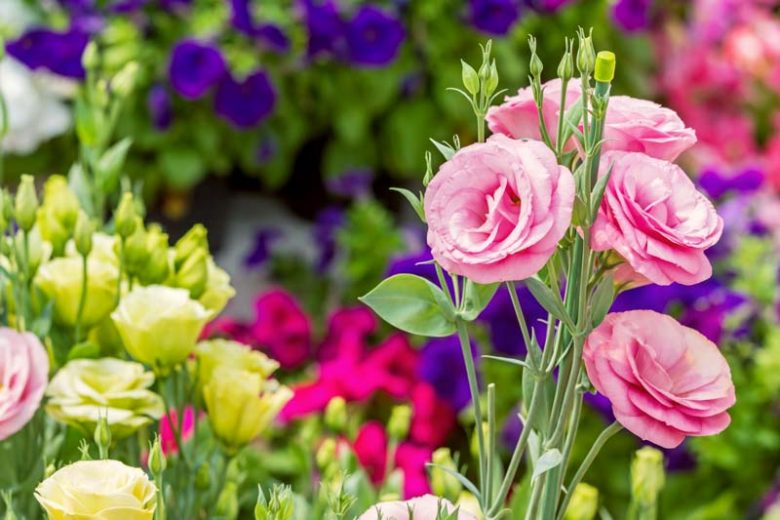


Full-sun annuals are some of the hardest-working plants in the garden. With six or more hours of direct sunlight a day, they can deliver months of color, fast growth, and bold seasonal impact in borders, beds, containers, and cutting gardens.
Annual flowers and annual plants complete their entire life cycle in a single growing season, from germination and flowering to seed production. Because they grow quickly and bloom abundantly, they are an easy way to add immediate color and fill gaps in the garden.
In contrast, perennial plants live for multiple growing seasons and return year after year, often going dormant during winter. Annuals are especially useful when you want flexibility: you can change colors, combinations, and planting schemes from one season to the next.
For most annuals, full sun means at least 6 hours of direct sunlight per day. Many sun-loving annuals perform even better with 8 or more hours, especially when they receive good air circulation and appropriate moisture.
Not all sunny sites are equally demanding, however. A bed with gentle morning sun can be very different from a west-facing border exposed to intense afternoon heat. In hot climates, even plants labeled for full sun may benefit from some protection during the hottest part of the day.
Soil and water matter too. Full-sun containers can dry out quickly, while garden beds with poor drainage may stay too wet. Matching each plant to your sun exposure, climate, soil, and moisture conditions will give you longer bloom and healthier growth.
Below are some of our favorite full-sun annuals, including selected native plants, for bringing vibrant color and long-lasting interest to sunny gardens.
| Plant Type | Annuals |
|---|---|
| Genus | Ageratum, Amaranthus, Angelonia, Calendula, Calibrachoa, Celosia, Coreopsis, Cosmos, Gaillardia, Gerbera, Gomphrena, Helianthus, Lathyrus, Lobularia, Osteospermum, Pelargonium, Petunia, Salvia, Tagetes, Verbena, Zinnia |
| Exposure | Full Sun |
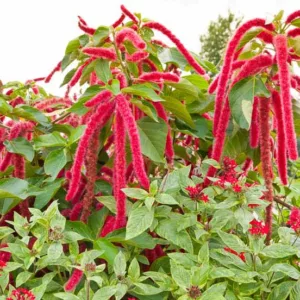


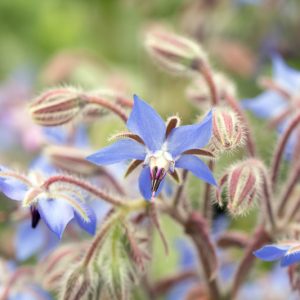









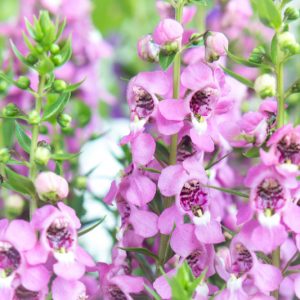
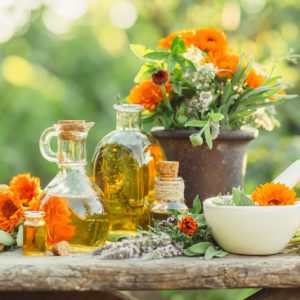
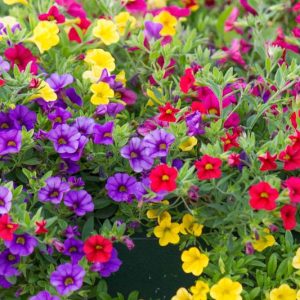
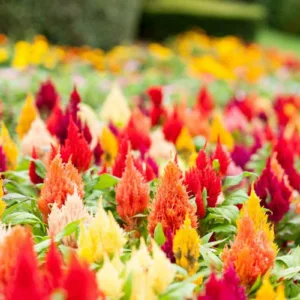
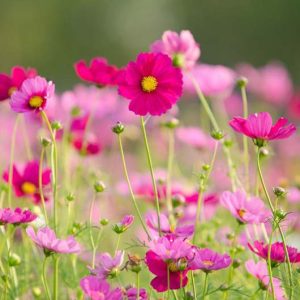


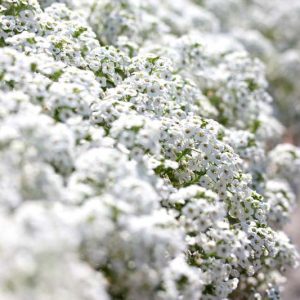
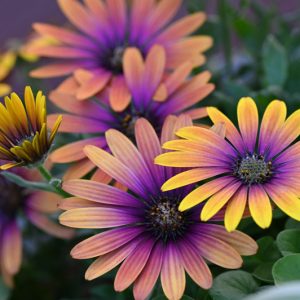
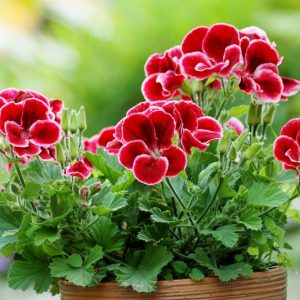
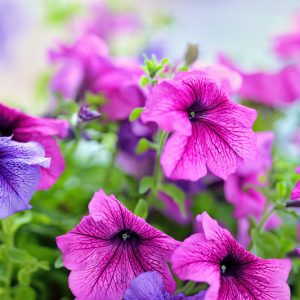
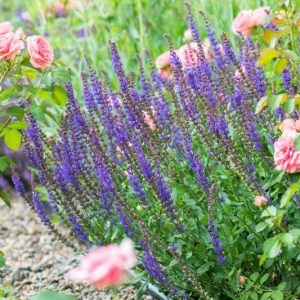
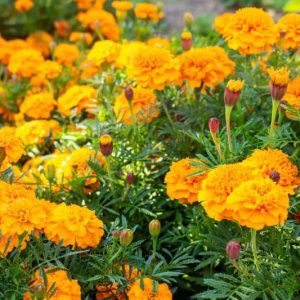
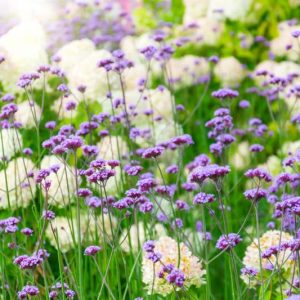
Designing a garden with sun-loving annuals can be a rewarding experience as these plants produce vibrant colors throughout the growing season. Here are some steps and ideas to help you create a beautiful garden with sun-loving annuals:
Assess your site: Observe the amount of sunlight your garden receives throughout the day. Most sun-loving annuals require at least 6-8 hours of direct sunlight daily. Also, consider the size of your garden, soil type, and climate zone when selecting plants.
Plan your layout: Sketch a rough design of your garden, considering plant height, color, and growth habit. Create a balanced and harmonious layout by placing taller plants in the back, medium-height plants in the middle, and shorter plants at the front. Also, consider incorporating mass plantings or repeating patterns to create visual interest.
Prepare your soil: Amend your garden soil with organic matter, such as compost or well-rotted manure, to improve its texture and fertility. This will provide the necessary nutrients for your sun-loving annuals to grow and flourish. Also, consider testing your soil’s pH and making adjustments if needed.
Plant your annuals: After the last frost has passed, plant your sun-loving annuals according to your garden plan. Space the plants appropriately to ensure they have enough room to grow and receive adequate sunlight. Follow the specific planting instructions for each species, paying attention to depth and spacing requirements.
Water and fertilize: Sun-loving annuals typically require regular watering, especially during dry spells. Water your plants deeply and consistently to encourage strong root development. Apply a balanced, slow-release fertilizer at planting time and throughout the growing season, following the package instructions.
Mulch: Apply a 2-3 inch (5-7 cm) layer of organic mulch around your annuals to help retain moisture, suppress weeds, and regulate soil temperature. Keep the mulch a few inches away from the plant stems to avoid rot or pest issues.
Deadhead and maintain: Regularly remove spent blooms (deadheading) to encourage continuous flowering and maintain a neat appearance. Monitor your garden for pests and diseases, and address any issues promptly using organic or chemical controls as needed.
Add supporting elements: Enhance your sun-loving annual garden by incorporating hardscape elements, such as pathways, seating areas, or garden ornaments. Adding these features can help create a more inviting and visually appealing space.
Record your successes and challenges: Keep a garden journal to document your experiences with various sun-loving annuals. Note which plants perform well in your garden, as well as any issues you encounter. This information will be valuable in refining your garden design and plant choices in the future.
By following these steps and ideas, you can create a stunning and vibrant garden filled with sun-loving annuals that will provide color and interest throughout the growing season. Enjoy the process of planning, planting, and nurturing your annual garden, and watch as it transforms into a beautiful outdoor space.
ntdanai, Shutterstock
| Plant Type | Annuals |
|---|---|
| Genus | Ageratum, Amaranthus, Angelonia, Calendula, Calibrachoa, Celosia, Coreopsis, Cosmos, Gaillardia, Gerbera, Gomphrena, Helianthus, Lathyrus, Lobularia, Osteospermum, Pelargonium, Petunia, Salvia, Tagetes, Verbena, Zinnia |
| Exposure | Full Sun |
Create a membership account to save your garden designs and to view them on any device.
Becoming a contributing member of Gardenia is easy and can be done in just a few minutes. If you provide us with your name, email address and the payment of a modest $25 annual membership fee, you will become a full member, enabling you to design and save up to 25 of your garden design ideas.
Join now and start creating your dream garden!