Transform your apartment with 30 beautiful indoor plants that make the most of limited space. Discover compact Peperomias, elegant palms, colorful flowering plants, and trailing vines for shelves, windowsills, and narrow corners. Compare light, mature size, growth habits, and pet safety to find houseplants that truly suit your home.
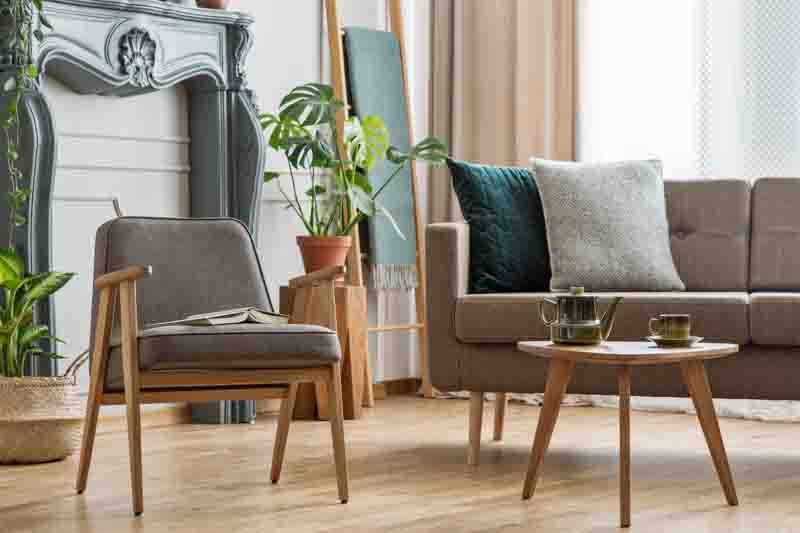


A small apartment can be a wonderful home for houseplants. A patterned Peperomia brightens a desk, a trailing Hoya softens a bookshelf, and a slender Snake Plant brings greenery into a corner without taking over the room.
The challenge is finding plants that genuinely fit. Some remain compact for years, while others develop long vines, spreading leaves, or tall stems. Light matters just as much. A sunny studio and a shaded apartment surrounded by taller buildings offer very different growing conditions.
These 30 indoor plants for apartments include compact tabletop favorites, hanging plants, upright specimens, climbers, and colorful flowering choices. Discover which stay small, which tolerate lower light, which are pet-friendly, and which need more growing room than their nursery pots suggest.
What are the best indoor plants for small apartments?
Best starting point: Match the available light and mature plant size before choosing a pot or deciding where the plant will go.
A small plant isn’t necessarily a low-light plant, and a 4-inch nursery pot doesn’t guarantee a compact mature specimen. Before buying, consider five things:
Windows also vary. An unobstructed east-facing window may offer more useful light than a south-facing window shaded by another building. Plants placed several feet from glass receive substantially less daylight.
Gardenia’s Apartment Plant Fit Method: Evaluate light, mature footprint, growth habit, pet safety, and maintenance, in that order. A beautiful plant that cannot fit its eventual space is rarely a good apartment choice.
Use this comparison to narrow your choices. Space descriptions refer to typical indoor growth habits, not guaranteed mature sizes. Light requirements and final dimensions vary by cultivar and growing conditions.
| Houseplant | Space / growth habit | Light | Pet safety |
|---|---|---|---|
| Baby Rubber Plant | Compact tabletop | Medium-bright indirect | Non-toxic |
| Ripple Peperomia | Compact rosette | Medium-bright indirect | Non-toxic |
| Chinese Money Plant | Small tabletop | Bright indirect | Non-toxic |
| Zebra Haworthia | Compact succulent | Bright | Non-toxic |
| African Violet | Compact flowering | Bright indirect | Non-toxic |
| Watermelon Peperomia | Compact rosette | Bright indirect | Non-toxic |
| Golden Pothos | Trailing/climbing | Medium-bright indirect | Toxic |
| Heartleaf Philodendron | Trailing/climbing | Medium-bright indirect | Toxic |
| Hoya carnosa | Trailing/climbing | Bright indirect | Non-toxic |
| Spider Plant | Arching/hanging | Medium-bright indirect | Non-toxic |
| String of Hearts | Long trailing vines | Bright | Generally non-toxic |
| Mistletoe Cactus | Trailing stems | Bright filtered | Generally non-toxic |
| Snake Plant | Upright/narrow | Low-bright | Toxic |
| ZZ Plant | Upright/spreading | Low-bright indirect | Toxic |
| Cast Iron Plant | Slow-growing clump | Low-medium | Non-toxic |
| Parlor Palm | Arching clump | Medium indirect | Non-toxic |
| Dragon Tree | Tall/slender | Medium-bright indirect | Toxic |
| Ponytail Palm | Upright/widening crown | Very bright | Non-toxic |
| Monstera adansonii | Climbing/trailing | Bright indirect | Toxic |
| Mini Monstera | Vigorous climber | Bright indirect | Toxic |
| Arrowhead Plant | Bushy when young; vining later | Medium-bright indirect | Toxic |
| Satin Pothos | Trailing/climbing | Medium-bright indirect | Toxic |
| Chinese Evergreen | Bushy/upright | Medium-bright indirect | Toxic |
| Cebu Blue Pothos | Climbing/trailing | Bright indirect | Toxic |
| Moth Orchid | Compact flowering | Bright filtered | Non-toxic |
| Anthurium | Bushy flowering | Bright indirect | Toxic |
| Tradescantia zebrina | Trailing/spreading | Bright | Irritating |
| Echeveria elegans | Compact rosette/offsets | Very bright | Non-toxic |
| Thanksgiving Cactus | Arching flowering | Bright indirect | Non-toxic |
| Polka Dot Begonia | Upright; prune to manage | Bright indirect | Toxic |
Pet safety: “Non-toxic” doesn’t mean edible. Even harmless foliage can cause digestive upset. Verify botanical names, particularly when buying plants under common names.
These plants offer attractive foliage or flowers without demanding a large container. They’re especially useful for desks, bedside tables, and windowsills.
Baby Rubber Plant has glossy, rounded leaves and a tidy habit, usually around 6-12 inches (15-30 cm) tall. It prefers medium to bright indirect light and some drying between waterings. A dependable, generally non-toxic choice for small tables.
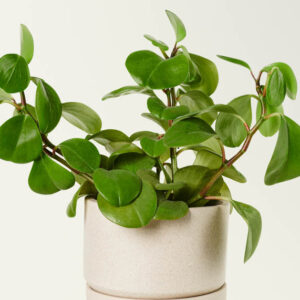
Ripple Peperomia forms a compact rosette of beautifully corrugated leaves, often green, burgundy, or silver-toned. It appreciates indirect light and well-drained soil. Avoid harsh sunshine and consistently wet roots. Generally non-toxic to pets.
Chinese Money Plant has cheerful, coin-shaped foliage on slender stems. Often 8-18 inches (20-45 cm) tall indoors, it suits bright shelves. Rotate occasionally for even growth and allow some room for mature spread. Non-toxic to pets.
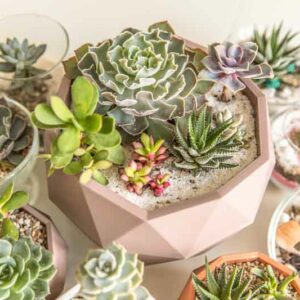
Zebra Haworthia produces neat rosettes of pointed leaves marked with raised white bands. This slow-growing succulent suits a bright windowsill and requires sharply drained soil. Generally non-toxic, but unsuitable for a dim shelf.
African Violet brings colorful flowers to a compact rosette of velvety leaves. Miniature cultivars are excellent for tight spaces. Give bright indirect light, warmth, and careful watering to encourage repeat blooms. Generally non-toxic to cats and dogs.
Watermelon Peperomia earns its name from rounded leaves striped like miniature watermelon rinds. Usually just 6-8 inches (15-20 cm) high, it looks wonderful on a small table. Provide bright indirect light and avoid waterlogged soil. Generally non-toxic to pets.
| Plant Type | Houseplants |
|---|---|
| Genus | Aglaonema, Begonia, Dracaena, Echeveria, Epipremnum, Hoya, Monstera, Peperomia, Phalaenopsis, Philodendron, Pilea, Tradescantia |
Trailing plants create greenery above furniture and make excellent use of vertical space. Keep their containers accessible for watering and allow room for hanging stems.
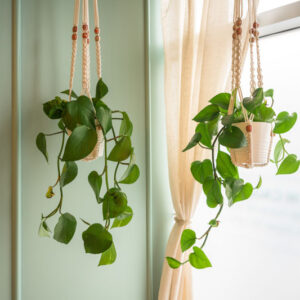
Golden Pothos combines glossy, heart-shaped leaves with vigorous trailing growth. It tolerates medium light but performs better in brighter indirect conditions. Prune long vines to control its spread. Toxic to pets.
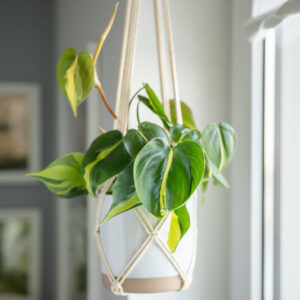
Graceful vines and soft, heart-shaped leaves make Heartleaf Philodendron a natural choice for shelves. ‘Brasil’ adds attractive lime-green variegation. Provide medium to bright indirect light and trim stems as necessary. Toxic to pets.
Hoya carnosa offers thick, glossy leaves and, when mature, wonderfully fragrant flower clusters. Train its stems or let them trail. Bright indirect light encourages flowering. Preserve old flowering spurs when pruning. Generally non-toxic to pets.
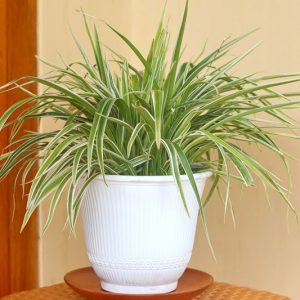
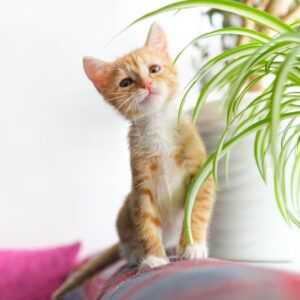
Spider Plant produces arching, often striped foliage and dangling plantlets. It is easy to propagate and generally non-toxic. A mature plant can become surprisingly wide, so allow space around its hanging basket.
String of Hearts has delicate silver-marked leaves on slender, purple-toned stems. Bright light keeps growth fuller, while well-drained soil protects its roots. The vines may grow several feet long. Generally considered non-toxic to pets.
Unlike desert cacti, Mistletoe Cactus is a tropical epiphyte with slender, cascading green stems. It prefers bright filtered light and more regular moisture than many desert species. A distinctive hanging plant, generally considered non-toxic to pets.
Upright plants introduce height without filling every available surface. Some remain relatively narrow, while others need more room as their crowns mature.
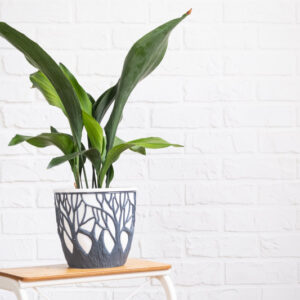
The upright, sword-shaped leaves of Snake Plant make it ideal for narrow corners. It tolerates lower light but grows better with adequate daylight. Allow substantial drying between waterings. Toxic to pets.
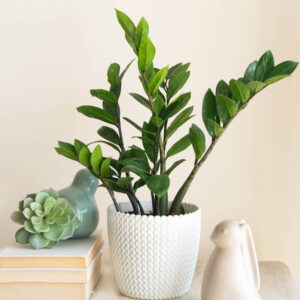
ZZ Plant offers glossy upright foliage and exceptional tolerance of occasional missed waterings. It tolerates lower light, although growth slows. Mature plants can spread 2-4 feet (60-120 cm), so plan for expansion. Toxic to pets.
Cast Iron Plant produces handsome, dark green leaves in a slow-growing clump. It handles relatively low light and occasional neglect. Allow room for its gradual spread. Generally non-toxic to pets.
The delicate, feathery fronds of Parlor Palm soften a room without the enormous scale of many palms. It grows slowly in medium indirect light, though its fronds eventually arch outward. Non-toxic to cats and dogs.
Dragon Tree has slender trunks topped with narrow, arching leaves. It can become several feet tall but is easy to manage with pruning. Give medium to bright indirect light. Toxic to pets.
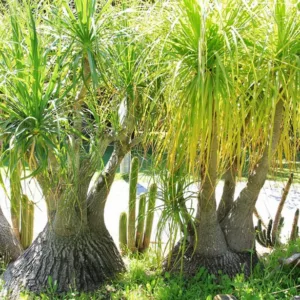
Ponytail Palm has a swollen, water-storing trunk and a fountain of long, curling leaves. Slow-growing and drought-tolerant, it suits a very bright apartment. Its crown eventually becomes broad, so it is not permanently compact. Non-toxic to pets.
Small-apartment design tip: Combine one upright floor plant, one compact tabletop specimen, and one trailing plant. Different heights and foliage shapes create interest without crowding the furniture.
Climbing vines can turn a narrow strip of wall into a green display. Use supports and pruning to manage growth, and remember that these are space-saving plants, not necessarily small plants.
Monstera adansonii has distinctive perforated leaves and slimmer foliage than Monstera deliciosa. Train it on a narrow support or let it trail. Bright indirect light encourages attractive growth. Toxic to pets.
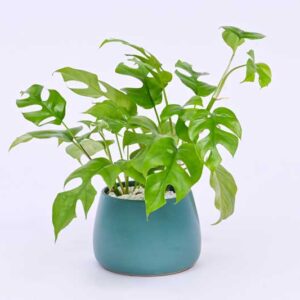
Despite its name, Mini Monstera is not a true Monstera or a permanently small plant. Its split leaves look wonderful on a slender trellis, but growth can be vigorous. Prune regularly. Toxic to pets.
Arrowhead Plant begins as a bushy specimen with decorative arrow-shaped leaves. Older plants develop climbing or trailing stems. Prune to keep it compact or provide a support. Toxic to pets.
Satin Pothos offers velvety leaves marked with silver. It looks beautiful cascading from a shelf and appreciates medium to bright indirect light. Despite its common name, it is not a true Pothos. Toxic to pets.
Chinese Evergreens offer silver, cream, green, and sometimes pink foliage in an upright, bushy habit. Compact cultivars suit apartment shelves; larger selections need more room. Green varieties generally tolerate lower light than colorful types. Toxic to pets.
Cebu Blue Pothos has narrow, silvery-blue leaves that bring a different texture to climbing displays. Train it upward or allow stems to trail. Bright indirect light promotes attractive growth. Toxic to pets.
Bright apartments offer opportunities for flowering orchids, patterned foliage, and beautifully shaped succulents. These selections add color without requiring a garden-sized container.
A Moth Orchid carries elegant, long-lasting flowers above a compact rosette. It appreciates filtered light, an airy orchid medium, and careful watering. Perfect for a windowside table. Generally non-toxic to cats and dogs.
Flamingo Flower produces glossy foliage and colorful red, pink, or white spathes. It prefers bright indirect light, appropriate humidity, and excellent drainage. Toxic to pets because of irritating calcium oxalate crystals.
Tradescantia zebrina offers silvery-striped leaves with rich purple undersides. Bright light maintains the coloration, while pinching keeps growth full. Sap may irritate skin, and ingestion may cause gastrointestinal irritation in pets.
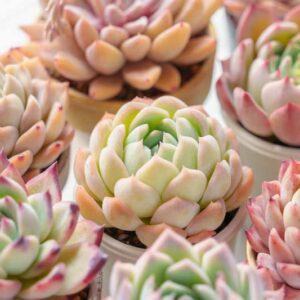
Echeveria elegans forms neat blue-green rosettes, sometimes producing offsets. It needs very bright light and sharply drained soil. Avoid dim rooms, where its compact form may stretch. Generally non-toxic to pets.
Thanksgiving Cactus bears colorful flowers on arching segmented stems, usually in autumn or early winter. Unlike desert cacti, it prefers more consistent moisture during active growth. Generally non-toxic to pets.
Polka Dot Begonia has dramatic dark leaves covered with silver spots and reddish undersides. It may also produce clusters of delicate flowers. Give bright indirect light and prune upright stems to control size. Toxic to pets.
Need more inspiration? Explore Gardenia’s Low-Light Houseplant Guide and Indoor Vining Plants for Every Home.
For safer choices, visit Gardenia’s cat-safe houseplant guide or dog-safe houseplant guide.
You don’t need dozens of plants to create an inviting indoor garden. A compact Peperomia, a beautifully trained Hoya, and a graceful Parlor Palm may be all a small room needs.
Choose for your natural light and available space, then compare the growing requirements of the plants you love. Gardenia’s detailed botanical profiles can help you make a confident choice before bringing a new houseplant home.
Ready to choose? Explore Gardenia’s individual plant profiles for mature sizes, light requirements, watering needs, and growing advice.
Choose for your light, plan for mature size, and make every plant earn its place.
Peperomias, Chinese Money Plant, African Violet, compact Snake Plant cultivars, and Zebra Haworthia are excellent space-conscious options. Hanging plants such as Hoya and Spider Plant also save floor space. Choose according to light, mature size, and pet safety.
Baby Rubber Plant, Ripple Peperomia, Watermelon Peperomia, miniature African Violets, and Zebra Haworthia generally remain compact. Pilea peperomioides is another option, although older plants can grow taller and wider.
ZZ Plant, Cast Iron Plant, Snake Plant, and Parlor Palm tolerate comparatively low light, but all need adequate daylight or suitable grow lighting for long-term healthy growth.
Parlor Palm, Spider Plant, many Peperomias, Chinese Money Plant, Hoya carnosa, African Violet, and Phalaenopsis orchids are generally considered non-toxic to cats and dogs. Always verify botanical names and discourage chewing.
Yes, if suitable grow lighting provides enough light. Ordinary household lighting may be insufficient, even for plants described as low-light tolerant.
Choose one upright plant, a compact tabletop specimen, and a trailing or climbing plant. Use secure supports, match plants to the light, allow for mature spread, and keep walkways and watering access clear.
Updated and reviewed by Gardenia: October 2026
| Plant Type | Houseplants |
|---|---|
| Genus | Aglaonema, Begonia, Dracaena, Echeveria, Epipremnum, Hoya, Monstera, Peperomia, Phalaenopsis, Philodendron, Pilea, Tradescantia |
Create a membership account to save your garden designs and to view them on any device.
Becoming a contributing member of Gardenia is easy and can be done in just a few minutes. If you provide us with your name, email address and the payment of a modest $25 annual membership fee, you will become a full member, enabling you to design and save up to 25 of your garden design ideas.
Join now and start creating your dream garden!