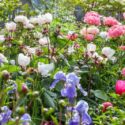
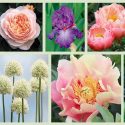
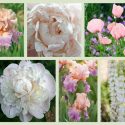
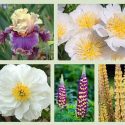
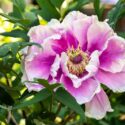
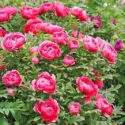
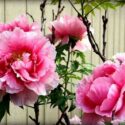
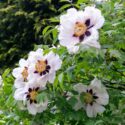
Which peonies smell the best? Discover fragrant varieties ranked from strongly scented to lightly perfumed, with standout white, pink, red, and yellow cultivars. Compare fragrance with bloom season, flower form, stem strength, and garden performance to find peonies that deliver the combination of beauty and perfume you want.
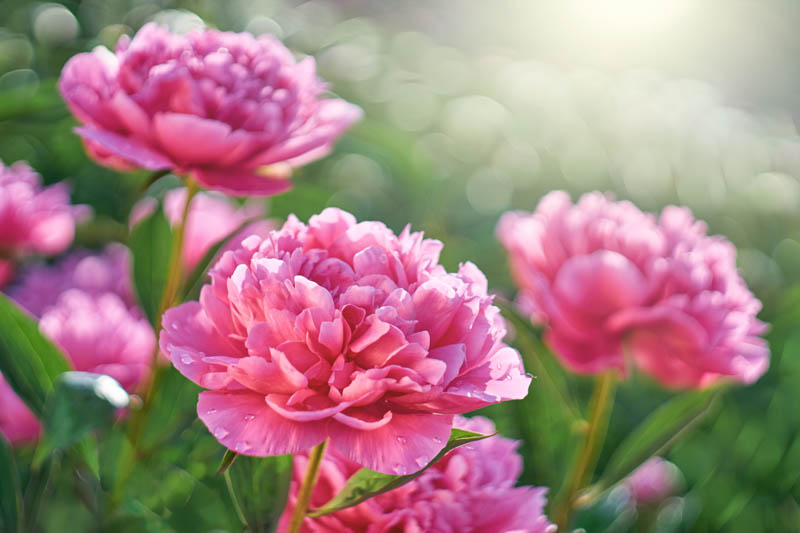


A beautiful peony stops you in your tracks. A beautifully fragrant peony makes you lean closer.
Peony fragrance can range from a delicate scent noticeable only when you approach the flower to a powerful perfume that carries through the garden. Some cultivars smell sweet and rosy, while others suggest citrus, spice, honey, lemon, or a fresher floral scent. Just as importantly, many spectacular peonies have surprisingly little fragrance.
That makes choosing a fragrant peony more complicated than simply picking a favorite color. Fragrance differs significantly among cultivars, and its perceived strength can change with temperature, humidity, time of day, flower age, and growing conditions.
This guide separates fragrant peonies into very fragrant, moderately fragrant, and lightly fragrant varieties, then looks beyond perfume to color, bloom season, flower form, stem strength, and landscape performance. The aim is to help you choose not merely a scented flower, but a peony that performs beautifully in the garden.
Fragrance is not a fixed number: Very fragrant, moderately fragrant, and lightly fragrant are horticultural descriptions rather than laboratory measurements. They are useful for comparing cultivars, but scent may seem stronger or weaker according to weather, flower age, growing conditions, and individual perception.
There is no single “peony fragrance.” Different cultivars release different combinations of aromatic compounds, which helps explain why one bloom may smell distinctly rosy while another seems lemony, sweet, spicy, fresh, or almost honeyed.
Cultivar genetics are the most important factor. Two peonies growing side by side under identical conditions can differ dramatically in fragrance. Flower color and form provide some useful clues, but neither guarantees scent.
Many of the famous strongly scented peonies are older pink and white Paeonia lactiflora cultivars. The American Peony Society notes that these traditional late-blooming lactiflora peonies include many exceptionally fragrant selections.
But there are important exceptions. Red cultivars such as ‘Henry Bockstoce’, ‘Burma Ruby’, and ‘Flame’ demonstrate that richly colored peonies can also be strongly scented. Intersectional, or Itoh, peonies such as ‘Bartzella’, ‘Garden Treasure’, ‘Prairie Charm’, and ‘Julia Rose’ add fragrance to a group valued primarily for sturdy plant architecture, distinctive colors, and excellent foliage.
Even a cultivar known for perfume will not smell exactly the same every time you encounter it. This helps explain why gardeners – and sometimes reference books – disagree about the fragrance of the same variety.
Temperature: Mild warmth helps aromatic compounds become airborne and easier to detect. During very hot weather, fragrance can dissipate quickly.
Time of day: Fresh blooms during mild morning conditions can be particularly fragrant. The same flowers may seem less scented during a hot afternoon.
Flower age: Fragrance changes as a bloom opens and matures. Some peonies are strongest shortly after opening, while others become more noticeable as their petals expand.
Humidity and wind: Still air allows scent to linger around a plant. Wind disperses perfume rapidly, making even a highly fragrant cultivar seem less impressive.
Growing conditions: Weather and local conditions can influence fragrance, although the underlying tendency of a strongly or lightly scented cultivar remains genetic.
Individual perception: Our sensitivity to fragrance differs. A scent one gardener considers intense may seem merely pleasant to another.
Compare peonies fairly: Smell different cultivars at approximately the same time of day and at a similar stage of opening. Comparing a fresh bloom on a mild morning with an aging flower during a hot, windy afternoon can give a very misleading result.
If fragrance is one of your main reasons for growing peonies, this is the group to explore first. These cultivars are selected for pronounced perfume rather than scent that requires close inspection.
| Hardiness |
3 - 8 |
|---|---|
| Heat Zones |
1 - 8 |
| Climate Zones | 1, 2, 3, 4, 5, 6, 7, 8, 9, 10, 11, 14, 15, 16, 17, 18, 19, 20, A1, A2, A3 |
| Plant Type | Perennials |
| Genus | Paeonia |
| Exposure | Full Sun, Partial Sun |
| Season of Interest | Spring (Late), Summer (Early) |
| Maintenance | Average |
| Water Needs | Average |
| Soil Type | Chalk, Clay, Loam, Sand |
| Soil pH | Acid, Alkaline, Neutral |
| Soil Drainage | Moist but Well-Drained |
| Characteristics | Cut Flowers, Fragrant, Plant of Merit, Showy |
| Tolerance | Deer, Rabbit |
| Attracts | Butterflies |
| Landscaping Ideas | Beds And Borders |
| Garden Styles | City and Courtyard, Informal and Cottage, Japanese Garden |


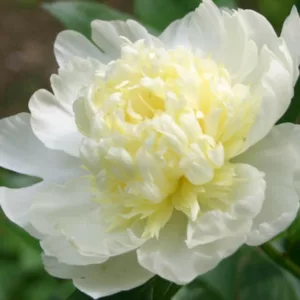
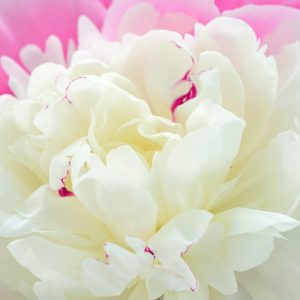
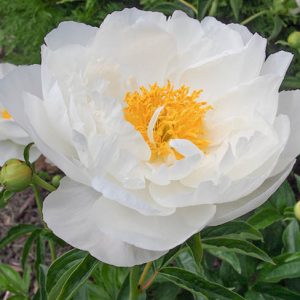
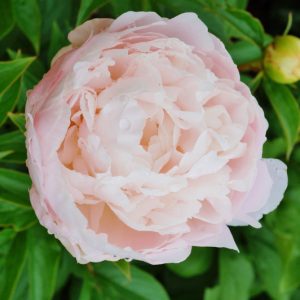
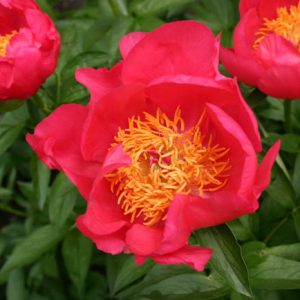
Moderately fragrant peonies often provide the best balance between perfume and other garden qualities. Their fragrance is noticeable without necessarily dominating the plant, leaving plenty of room to choose according to flower color, form, height, bloom time, and stem strength.
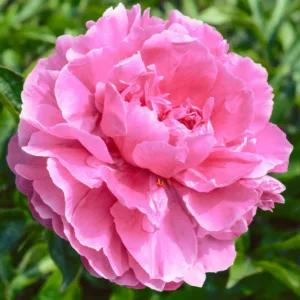
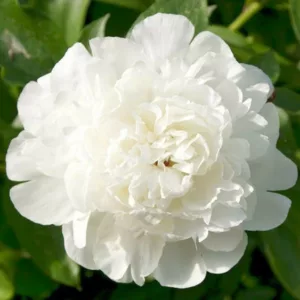
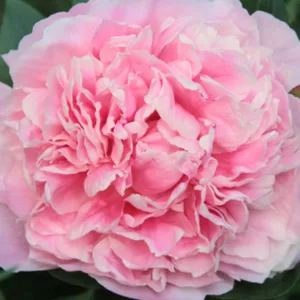
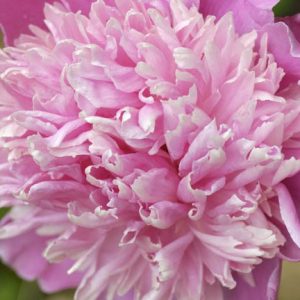
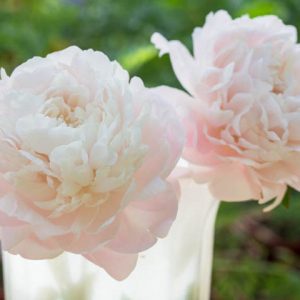
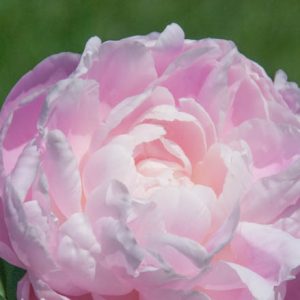
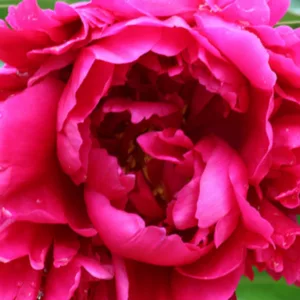
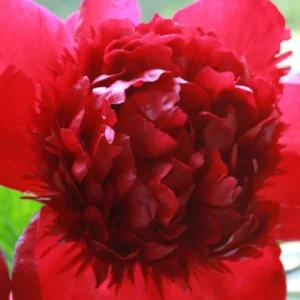
A lightly fragrant peony is usually chosen first for its flowers or landscape performance, with perfume as a welcome extra. The scent may be easiest to appreciate when you lean toward an individual bloom rather than expecting the plant to perfume an entire border.
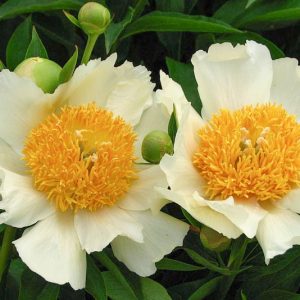
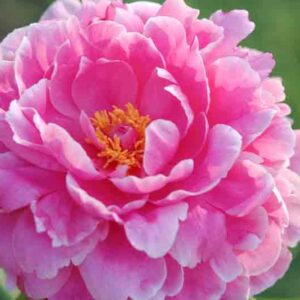
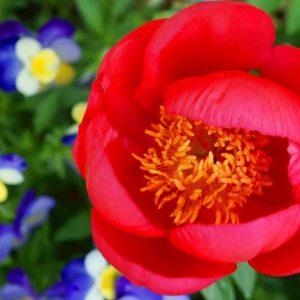
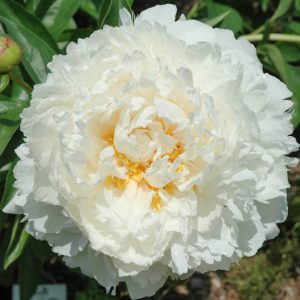
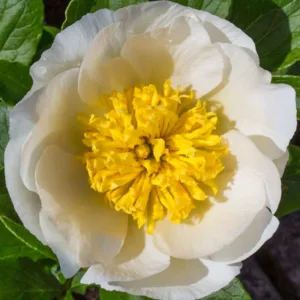
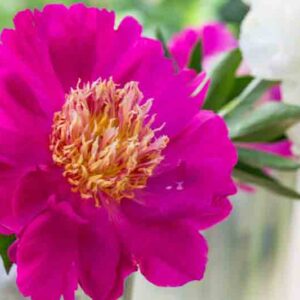
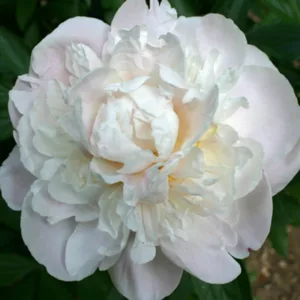
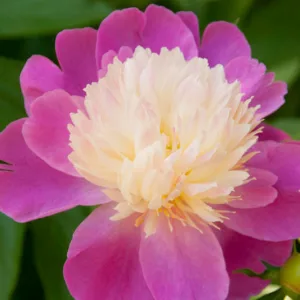
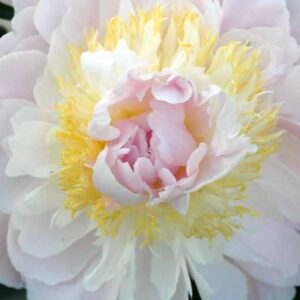
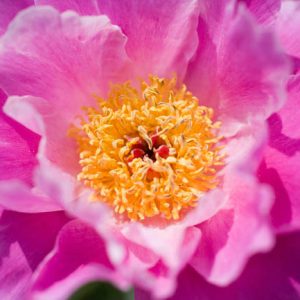
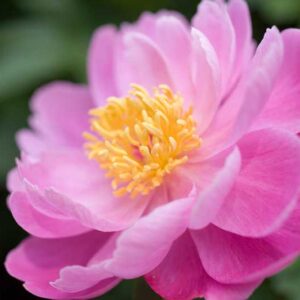
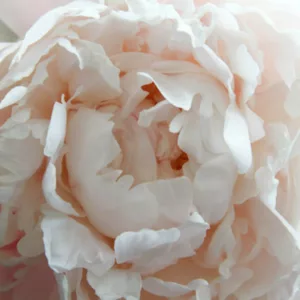
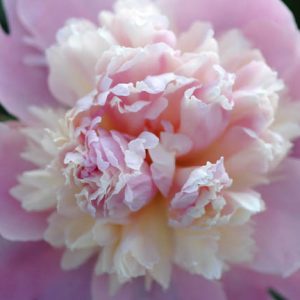
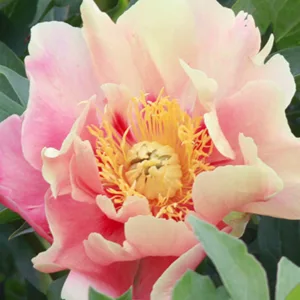
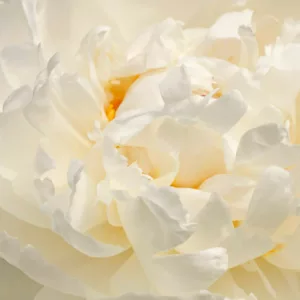
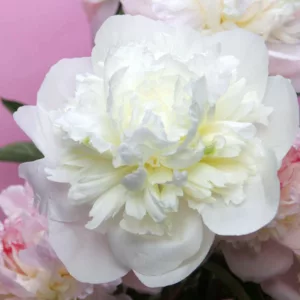
White peonies contain some of the finest fragrance choices in the genus. If perfume is the priority, ‘Festiva Maxima’, ‘Moonstone’, and ‘Duchesse de Nemours’ belong near the top of the list.
‘Festiva Maxima’ provides the sumptuous old-fashioned double-peony experience, while ‘Duchesse de Nemours’ combines fragrance with elegant creamy-white flowers. ‘Moonstone’ adds another exceptionally fragrant choice for gardeners interested in moving beyond the most familiar cultivars.
Among moderately scented whites, ‘Elsa Sass’ is particularly valuable because it flowers late, while ‘Mother’s Choice’ combines perfume with strong stems.
For a wider comparison, see Gardenia’s guide to white peonies by blooming season.
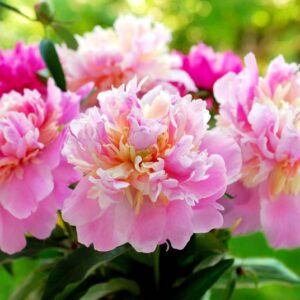
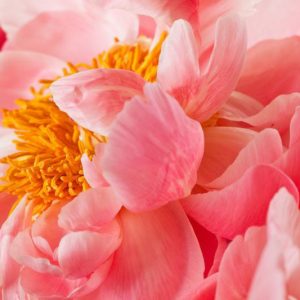
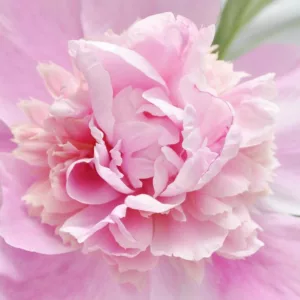
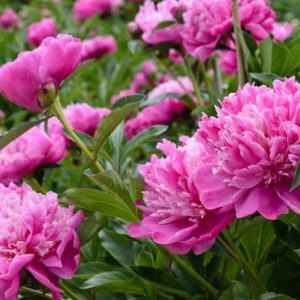
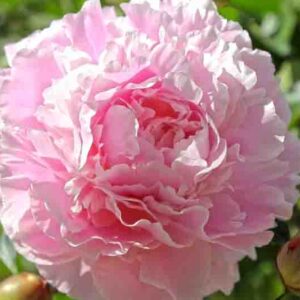
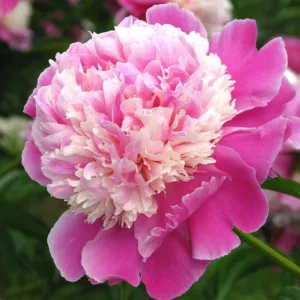
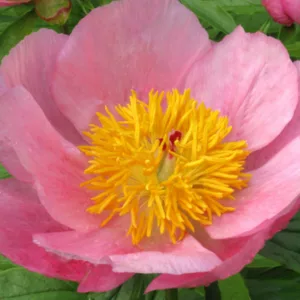
Pink may offer the greatest selection for gardeners seeking the traditional peony combination of romantic flowers and perfume.
‘Hermione’ belongs among the strongly fragrant pink choices, while ‘Dr. Alexander Fleming’, ‘Lady Alexandra Duff’, ‘Monsieur Jules Elie’, and ‘Mrs. Franklin D. Roosevelt’ provide moderately fragrant alternatives with different flower forms, shades, and blooming periods.
This is where ranking by fragrance alone becomes less useful. A gardener may prefer a moderately fragrant cultivar because it has a particular shade of pink, better stems, a later flowering season, or the exact flower form wanted for a border or cutting garden.
Compare additional cultivars in Gardenia’s pink peonies by blooming season.
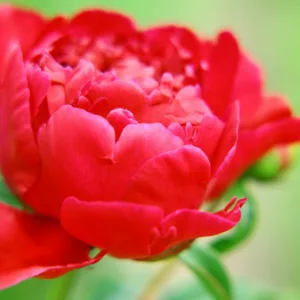
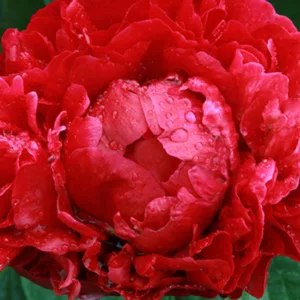
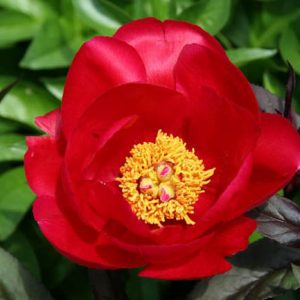
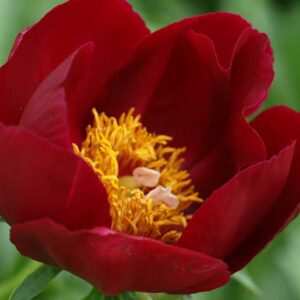
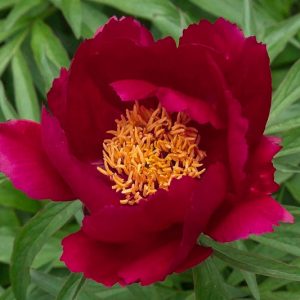
For strong red fragrance, ‘Henry Bockstoce’, ‘Burma Ruby’, and ‘Flame’ are particularly valuable. They also illustrate how different fragrant red peonies can look.
‘Henry Bockstoce’ offers the drama of a huge double. ‘Burma Ruby’ has much lighter single flowers and sturdy stems. ‘Flame’ supplies another vivid red-toned choice with pronounced perfume.
In the moderate group, ‘Karl Rosenfield’ and ‘Red Charm’ broaden the choice considerably. These may be better options when flower style matters as much as maximum scent intensity.
Explore more cultivars in Gardenia’s guide to red peonies by blooming season.
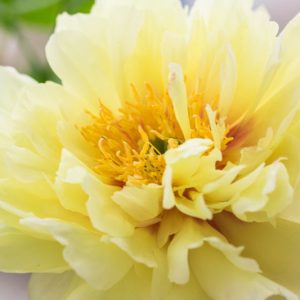
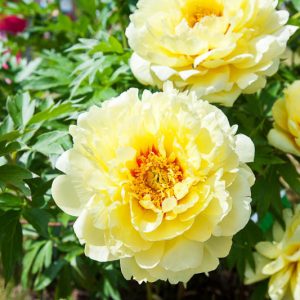
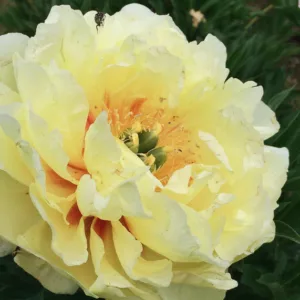
Yellow peonies offer fewer strongly perfumed choices than white, pink, or red cultivars, so fragrance is usually best considered alongside plant architecture and color.
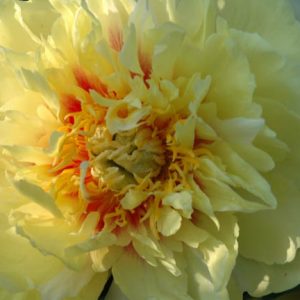
Several yellow Itoh peonies provide light fragrance together with outstanding landscape qualities. ‘Bartzella’, ‘Garden Treasure’, and ‘Prairie Charm’ bring yellow tones into the fragrant peony palette while also offering the sturdy, rounded habits for which intersectional peonies are valued.
If your highest priority is perfume rather than yellow flowers, one of the strongly fragrant lactiflora cultivars will generally make a greater impact. If yellow color, sturdy growth, and some fragrance matter together, the Itoh selections become much more compelling.
Compare more choices in Gardenia’s yellow peonies by blooming season.
The most fragrant peony is not necessarily the best peony for every garden. Some highly perfumed cultivars produce enormous double flowers, and those blooms become significantly heavier after rain.
This creates a real tradeoff. A gardener in a sheltered garden may happily grow a very fragrant double and provide discreet support. Someone gardening where spring rain and wind are frequent may value a less fragrant cultivar with stronger stems and lighter flowers.
‘Burma Ruby’ is a particularly useful example of fragrance and structure working together. Its open single flowers carry much less petal weight than a massive full double, while its sturdy stems give it excellent landscape value.
At the other extreme, ‘Monsieur Jules Elie’ produces magnificent moderately fragrant flowers but has historically been noted for lax stems. The flowers may be superb for cutting even when the plant itself benefits from support.
This is why Gardenia treats fragrance as one selection trait rather than judging a peony by scent alone.
For cultivars selected specifically for upright garden performance, see peonies that do not require staking.
Gardeners in challenging spring climates can also compare Gardenia’s peonies resistant to rain and heat.
A fragrant peony garden is more rewarding when perfume lasts for several weeks rather than arriving in one spectacular burst.
Peony bloom periods are relative rather than fixed calendar dates. Climate and spring weather affect flowering time, but cultivars can still be arranged from very early through late season.
Finding strong fragrance among very early peonies is more difficult. ‘Early Scout’ helps start the scented season with light fragrance. As the season progresses, fragrant hybrids and lactiflora cultivars provide many more choices.
Very fragrant selections such as ‘Henry Bockstoce’ can contribute earlier in the main season, while numerous fragrant lactiflora cultivars carry the display through midseason and beyond. Late cultivars such as ‘Elsa Sass’ are especially useful for extending perfume toward the end of the peony season.
A better way to design a fragrant peony garden: Do not simply plant the five strongest-smelling cultivars. Choose fragrant peonies from different bloom periods. A succession of strong, moderate, and light fragrance can provide weeks of scented flowers instead of one intensely fragrant week.
Gardenia’s guide to extending the peony blooming season explains how to combine cultivars from very early through late flowering.
Location can make a surprising difference to how much you enjoy a fragrant peony. Perfume disappears quickly in strong wind, so a sheltered site allows scent to linger around the plant.
Plant highly fragrant cultivars near places where people naturally pause: a garden path, terrace, entrance, bench, or cutting garden. There is little advantage in planting your most perfumed peony at the far end of a large property where nobody gets close enough to enjoy it.
Lightly fragrant cultivars are especially suited to intimate locations where individual flowers can be appreciated at close range.
Fragrance often becomes dramatically more noticeable indoors. A flower that seems moderately scented in an open garden may perfume an entire room once it is placed in a vase.
For cutting, harvest buds once they have softened and begun to show color rather than waiting until the flowers are fully open. Cut during the cool morning, place the stems promptly in clean water, and remove leaves that would otherwise sit beneath the waterline.
Interestingly, the strongest perfume is not always the most desirable indoors. A large bouquet of very fragrant peonies can become overwhelming in a small room. Moderately fragrant cultivars may provide a softer effect on dining tables, desks, or bedside tables.
Fragrance is primarily genetic. No fertilizer, pruning technique, or soil amendment will transform a lightly fragrant cultivar into a strongly fragrant one. If perfume matters, choosing the right cultivar is far more important than attempting to increase fragrance later.
Good growing conditions still matter because healthy plants produce better flowers. Give peonies adequate sunlight, good air circulation, fertile but well-drained soil, and sufficient moisture during active spring growth.
Avoid excessive nitrogen, which can encourage lush foliage and soft growth without improving flower fragrance.
When evaluating your own plants, smell flowers repeatedly during their blooming period rather than judging a cultivar from one flower on one afternoon.
For planting depth, watering, feeding, pruning, division, and long-term care, see Gardenia’s complete peony planting and care guide.
Very fragrant peonies include ‘Festiva Maxima’, ‘Moonstone’, ‘Henry Bockstoce’, ‘Burma Ruby’, ‘Flame’, ‘Duchesse de Nemours’, ‘Hermione’, and ‘Miss America’. Fragrance intensity can still vary somewhat with weather, flower age, growing conditions, and individual perception.
Peony fragrance varies by cultivar. It may smell sweet, rosy, fresh, lemony, citrus-like, honeyed, or slightly spicy. There is no single scent shared by all peonies, and some cultivars have only a faint perfume or virtually none.
Many famous highly fragrant peonies are white or pale pink lactiflora cultivars, including ‘Festiva Maxima’, ‘Moonstone’, and ‘Duchesse de Nemours’. However, flower color does not determine scent, and strongly fragrant red cultivars also exist.
‘Henry Bockstoce’, ‘Burma Ruby’, and ‘Flame’ are notable strongly fragrant red or red-toned peonies. ‘Karl Rosenfield’ and ‘Red Charm’ provide moderately fragrant alternatives with very different flower forms.
Some are. Fragrant Itoh peonies include ‘Bartzella’, ‘Garden Treasure’, ‘Prairie Charm’, and ‘Julia Rose’. Their scent is generally a secondary attraction compared with their sturdy habits, attractive foliage, unusual colors, and strong landscape performance.
Peony fragrance changes with temperature, humidity, wind, flower age, time of day, and growing conditions. A cultivar may smell strongest during mild, still weather and seem much less fragrant during a hot or windy afternoon.
Many famous fragrant peonies are double lactiflora cultivars, but double flower form does not guarantee fragrance. ‘Burma Ruby’, for example, demonstrates that a single-flowered peony can also be strongly scented. Cultivar identity is more reliable than flower form alone.
Freshly opened flowers during mild, calm weather often give the clearest fragrance. Morning is a good time to compare cultivars, while strong wind and very hot temperatures may make perfume less noticeable.
Yes. Many fragrant peonies are exceptional cut flowers, and their perfume often becomes more noticeable indoors. Harvest buds once they soften and begin showing color, cut during the cool morning, and place the stems promptly in clean water.
Not significantly. Fragrance is primarily determined by cultivar genetics. Good care encourages healthy flowers but cannot turn a lightly scented peony into a strongly fragrant one. Choose a cultivar specifically documented for the fragrance intensity you want.
Updated: August 2026 • Reviewed by Gardenia Editors
Pictures are courtesy of Peony's Envy, 123rf
| Hardiness |
3 - 8 |
|---|---|
| Heat Zones |
1 - 8 |
| Climate Zones | 1, 2, 3, 4, 5, 6, 7, 8, 9, 10, 11, 14, 15, 16, 17, 18, 19, 20, A1, A2, A3 |
| Plant Type | Perennials |
| Genus | Paeonia |
| Exposure | Full Sun, Partial Sun |
| Season of Interest | Spring (Late), Summer (Early) |
| Maintenance | Average |
| Water Needs | Average |
| Soil Type | Chalk, Clay, Loam, Sand |
| Soil pH | Acid, Alkaline, Neutral |
| Soil Drainage | Moist but Well-Drained |
| Characteristics | Cut Flowers, Fragrant, Plant of Merit, Showy |
| Tolerance | Deer, Rabbit |
| Attracts | Butterflies |
| Landscaping Ideas | Beds And Borders |
| Garden Styles | City and Courtyard, Informal and Cottage, Japanese Garden |

Create a membership account to save your garden designs and to view them on any device.
Becoming a contributing member of Gardenia is easy and can be done in just a few minutes. If you provide us with your name, email address and the payment of a modest $25 annual membership fee, you will become a full member, enabling you to design and save up to 25 of your garden design ideas.
Join now and start creating your dream garden!
Create a membership account to save your garden designs and to view them on any device.
Becoming a contributing member of Gardenia is easy and can be done in just a few minutes. If you provide us with your name, email address and the payment of a modest $25 annual membership fee, you will become a full member, enabling you to design and save up to 25 of your garden design ideas.
Join now and start creating your dream garden!