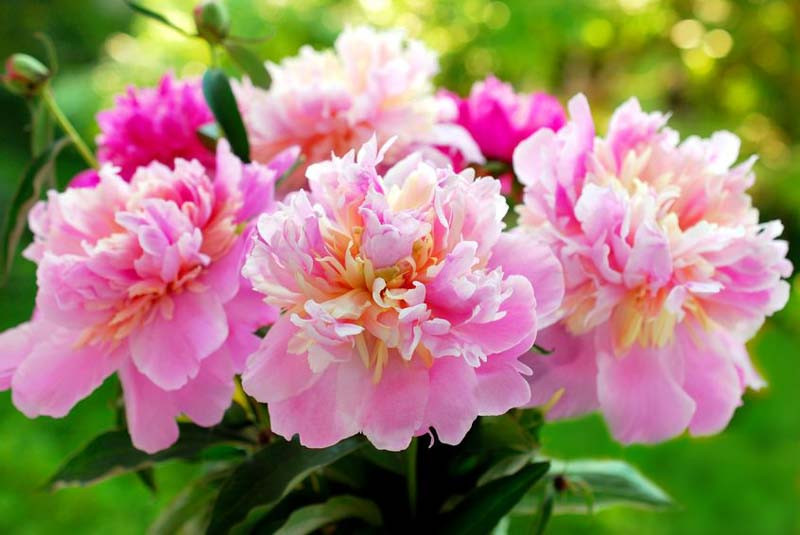
Paeonia (Peony) Guides
Growing Better Peonies
Paeonia (Peony) can live and flower for decades, but success begins with correct planting. Give peonies generous sunlight, fertile but well-drained soil, good air circulation, and enough space to mature. Most importantly, plant herbaceous peony eyes at the correct depth. A healthy peony that produces foliage but no flowers is often planted too deeply. Use this complete peony overview together with the detailed guide on planting and caring for peonies.
Plant Peonies Correctly
Choose a location receiving at least six hours of direct sunlight in most climates. In areas with very hot summers, light afternoon shade may protect the flowers, but too much shade reduces blooming. Prepare the soil thoroughly because established peonies prefer not to be moved. Position herbaceous peony eyes about 1-2 inches (2-5 cm) below the finished soil surface in colder climates and even nearer the surface in mild climates. Water deeply after planting, but never leave the crown in waterlogged soil.
Water, Feed, and Support Them Wisely
Water newly planted peonies consistently while their roots establish, then provide deep irrigation during prolonged dry periods. Avoid constantly wet foliage and soggy soil. Apply compost in spring, but use fertilizer sparingly because excessive nitrogen encourages leafy growth at the expense of flowers. Install supports early, before heavy flower buds begin bending the stems. To reduce this chore, select peonies that rarely need staking. In difficult climates, prioritize peonies with better rain and heat resistance.
Extend the Flowering Display
Rather than expecting one plant to bloom for a month, combine cultivars from several flowering groups. Open the season with very early-blooming peonies, continue with midseason varieties, and finish with late-season peonies. This succession planting is the central strategy for extending the peony season. Deadheading keeps plants tidy, but it does not usually make traditional peonies bloom again that year.
Select Color and Fragrance Carefully
Use color guides to create a deliberate planting rather than buying unrelated cultivars one at a time. Compare romantic pink peonies, luminous white peonies, dramatic red peonies, color-changing coral peonies, and distinctive yellow peonies. Fragrance is cultivar-dependent, so choose from documented fragrant peonies rather than assuming every double flower will be scented. For dependable quality, compare these award-winning cultivars.
Five Proven Peonies
For classic pink flowers, try ‘Sarah Bernhardt’. Add vivid, changing color with ‘Coral Charm’, or choose ‘Kansas’ for richly colored red flowers and sturdy stems. ‘Festiva Maxima’ offers fragrant white flowers with crimson markings, while ‘Duchesse de Nemours’ is valued for elegant creamy-white flowers and a pleasing fragrance.
Use Peonies Effectively in the Garden
Position peonies behind lower plants that conceal their bare lower stems without crowding the crown. Combine them with bulbs and the best spring flowers, then surround them with long-performing perennial plants that carry the border after peony season ends. For wildlife value, favor single and semi-double forms with accessible reproductive parts and learn more about peonies and pollinators. Peony petals are sometimes used as garnishes, but identify plants correctly and consult this guide to edible flowers before consuming any garden bloom.
Prevent Problems Before They Start
Provide enough space between plants, remove dead foliage in fall, and dispose of diseased material rather than leaving it around the crown. Water the soil instead of repeatedly wetting the leaves, and avoid thick mulch directly over the crown. If buds blacken, stems collapse, leaves develop spots, or flowering declines, use this guide to peony problems, pests, and diseases to identify the cause before applying treatment.
The most useful peony advice is straightforward: plant shallowly, provide sun and drainage, avoid unnecessary disturbance, support heavy flowers early, and select cultivars suited to your conditions. Follow those principles, and your peonies should become larger, stronger, and more floriferous with age.