Concord grape, Fox grape, Northern fox grape, American grape, Slip-skin grape, Grape, Vitis labrusca var. subedentata
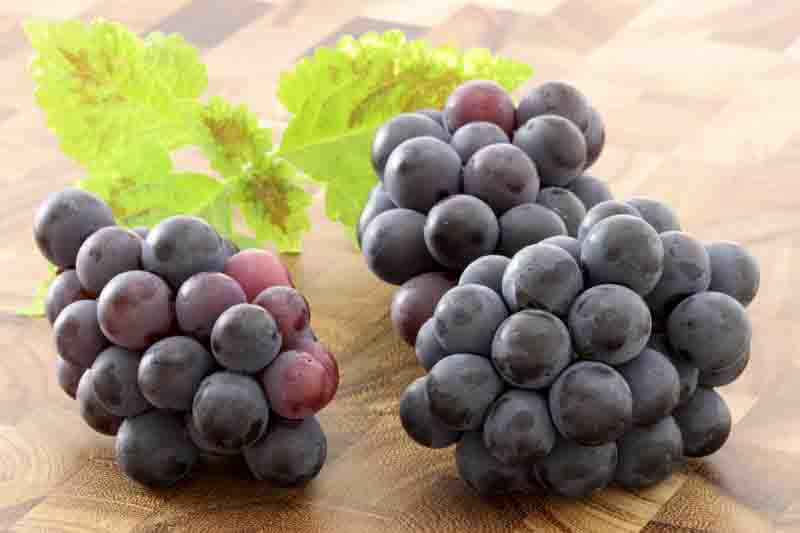


Vitis labrusca ‘Concord’, widely known as the Concord Grape, is one of the most iconic American grape cultivars ever introduced. Developed in Concord, Massachusetts, in the 19th century by Ephraim Wales Bull, it became famous for its deep blue-black fruit, richly aromatic juice, and unmistakable old-fashioned grape flavor. For gardeners, cooks, and fruit lovers, Concord remains one of the best-known benchmarks among American grape cultivars.
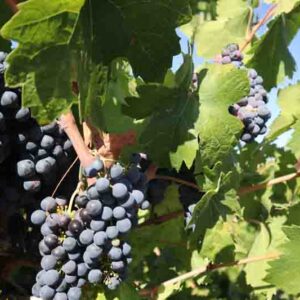
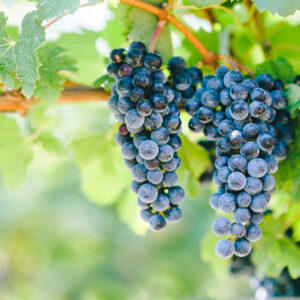
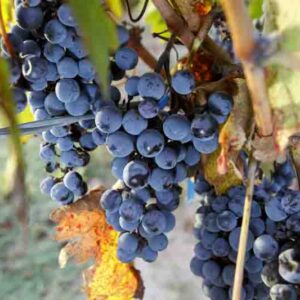
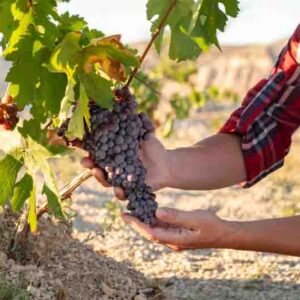
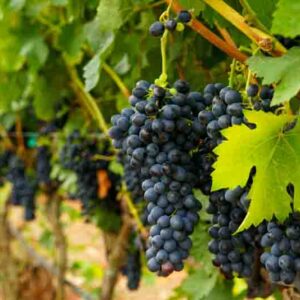
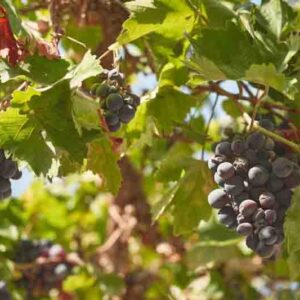
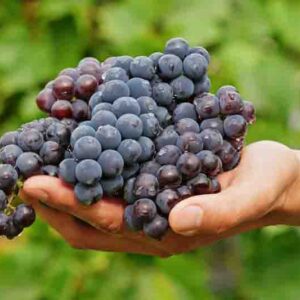
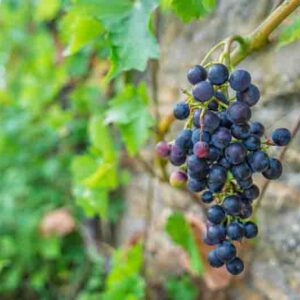
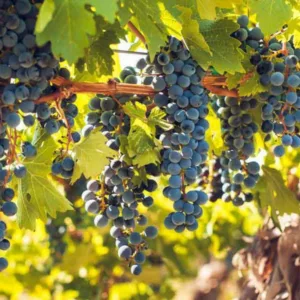
This is a vigorous, deciduous fruiting vine grown for both harvest and garden presence. It produces medium-sized clusters of heavily bloomed, blue-black grapes that are typically seeded, highly fragrant, and known for their classic slip-skin, where the skin separates easily from the juicy pulp. That characteristic, along with its bold flavor, helps explain why Concord remains such a classic for juice, jelly, jam, preserves, pies, and home processing. It can also be eaten fresh, but this is not a bland modern table grape – it is more distinctive, more aromatic, and much more characterful.
Vitis labrusca ‘Concord’ is a vigorous, self-fruitful (meaning it is effectively self-pollinating for home garden purposes), cold-hardy American grape grown mainly for juice, jelly, preserves, and home harvests. Plant it in full sun, provide sturdy support and annual dormant pruning, and expect seeded blue-black grapes with classic sweet, aromatic Concord flavor from late summer into early fall.
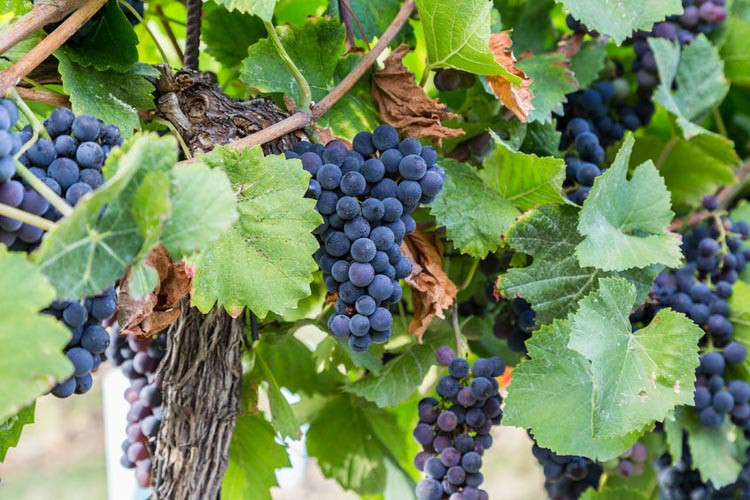
Use: Excellent for grape juice, jelly, jam, preserves, pies, and traditional American grape products, and also valued for arbors, pergolas, fences, and productive edible landscaping.
Highlight: Medium clusters of deep blue-black slip-skin grapes with the unmistakable aromatic Concord flavor that defines classic purple grape juice.
Design note: Because it is vigorous and leafy, Concord works beautifully as a fruiting shade vine for pergolas and trellises, combining ornamental structure with generous harvests.
| Botanical Name | Vitis labrusca ‘Concord’ |
|---|---|
| Family | Vitaceae (Grape family) |
| Common Names | Concord Grape |
| Plant Type | Deciduous fruiting vine, woody climber |
| Hardiness (approx. USDA) | Zones 5-8; especially valued for cold-climate grape growing |
| Height | 15-20 ft. (4.5-6 m), sometimes more with age and support |
| Spread | 15-20 ft. depending on pruning and training |
| Sun Exposure | Full sun |
| Soil | Well-drained soil; adaptable to loam, sand, or clay if drainage is good |
| Harvest Season | Late summer to early fall |
| Fruit | Blue-black, seeded, slip-skin berries with strong aromatic flavor |
Concord stands apart because it delivers what many modern grapes do not – identity. This is a grape with a signature flavor profile, a recognizable aroma, and exceptional usefulness in the kitchen. It is also one of the best grapes for gardeners in colder or more humid parts of North America, where many European grapes struggle. Concord combines strong growth, dependable fruiting, practical toughness, and a real sense of heritage. It is not subtle, and that is exactly why so many gardeners still love it.
Why gardeners love it: Concord is the grape you grow when you want real flavor, real harvests, and a vine that truly earns its space. It is ornamental, productive, and deeply useful.
Concord was developed in Concord, Massachusetts, by Ephraim Wales Bull in the mid-19th century from native American grape breeding stock. It quickly became famous because it combined hardiness, early enough ripening for northern gardens, and a rich, full flavor that stood apart from the grapes available at the time. Concord later became inseparable from the history of American grape juice and jelly, which is a large part of why its name remains so recognizable today.
Fresh eating: Good if you enjoy seeded slip-skin grapes with bold, old-fashioned flavor.
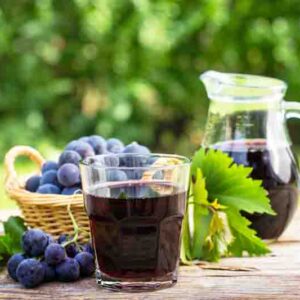
Juice: Excellent – this is the classic American juice grape.
Jelly and jam: Outstanding.
Wine: Sometimes used for sweet, traditional, and regional American wines, though its strong labrusca character is not to every taste.
Ornamental shade: Very good on pergolas, trellises, and fences.
Cold climates: Excellent.
Humid climates: Better adapted than many Vitis vinifera grapes, though still not disease-proof.
One of Concord’s major practical advantages is that it is self-fruitful, so you do not need a second grape cultivar nearby to get fruit. That makes it especially useful for home gardens where there may only be room for one vine. Like other grapes, Concord bears fruit on the current season’s shoots that arise from one-year-old wood. That matters because annual pruning is not optional – it is the key to keeping the vine productive, open, and manageable.
How Long Grapevines Take to Produce Fruit
Concord is generally considered a mid- to late-season American grape, usually ripening from late summer into early fall depending on region and growing conditions. In cooler northern gardens, that dependable ripening window is one of its great strengths. In warmer regions, fruit may mature earlier, but flavor still improves when the berries are allowed to hang until they taste fully sweet and aromatic.
Why your Grapevine has Leaves but No Grapes
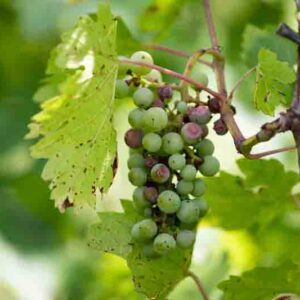
Do not judge harvest by color alone. Concord grapes turn dark well before they reach peak flavor. The best picking cue is taste: ripe berries should be richly aromatic, sweet, and fully flavored, with less raw tartness and more of that classic deep Concord character. If you harvest too early, the fruit may look ready but still taste flat or sharp.
Harvest tip: Concord grapes usually taste better a little later than they look ready. Wait for full flavor, not just full color.
This is where Concord becomes unforgettable. The berries are sweet, juicy, and strongly aromatic, with the classic “foxy” labrusca flavor associated with traditional American grapes. In practical terms, that means boldly fruity, perfumed, and instantly recognizable. Expect deep purple juice, a powerful grapey fragrance, and a lively sweet-tart balance rather than the mild neutrality of many supermarket table grapes. How to Make Grape Juice at Home
Flavor note: Concord is intensely aromatic, sweet, and slip-skin – more vivid, more traditional, and far more distinctive than bland modern table grapes.
Concord’s reputation for cold hardiness is one of the main reasons it remains such a staple. It performs far better than many European grapes in regions with cold winters, variable springs, and shorter growing seasons. It also handles summer humidity better than many fine wine grapes, although excessive moisture and poor airflow can still lead to disease. In hotter climates, Concord can still crop well, but fruit quality and vine health depend more heavily on pruning, airflow, and harvest timing.
When to Plant Grapes for Healthier Vines
Best Grapes for Humid Eastern Gardens That Thrive
Concord is often described as tougher and more adaptable than many Vitis vinifera grapes, but that does not mean carefree. It can still be affected by powdery mildew, downy mildew, black rot, botrytis bunch rot, anthracnose, and crown gall, particularly in humid summer climates.
Like most grapes, Concord may also face several insect pests. Common problems include phylloxera, grape berry moth, Japanese beetles, leafhoppers, leafrollers, mealybugs, and flea beetles. Heavy infestations can damage foliage, reduce vigor, or affect developing fruit clusters.
Fruit cracking may occur in wet or fluctuating weather conditions near harvest. Birds are often the most damaging vertebrate pest to ripe grapes, while deer may browse young shoots, leaves, and fruit clusters in some regions.
Concord’s real strength is comparative adaptability. It generally tolerates eastern and northern growing conditions better than many more delicate grapes. Even so, the vine still benefits from good sanitation, proper pruning, strong airflow, and adequate sun exposure to keep disease and pest pressure manageable.
Common Grapevine Problems and How to Fix Them
Watch for: Black rot is especially important in humid grape-growing regions. If a Concord vine is dense, shaded, or never pruned properly, disease pressure increases quickly and fruit quality declines.
Concord responds well to several classic training methods. For home gardeners, the best choices are usually high cordon, bilateral cordon, four-arm Kniffin, or arbor training. If your main goal is easy harvest and easy pruning, a simple trellis system is often best. If you want both shade and fruit, Concord is one of the best grapes for pergolas and arbors because it is vigorous enough to cover a structure attractively. Discover the best trellis systems for backyard grapes and choose the structure that makes pruning easier and harvests bigger.
That said, ornamental training should never come at the expense of management. A beautiful grape arbor still needs yearly thinning, renewal, and discipline. Concord can shift from productive to chaotic surprisingly fast if left unpruned.
Prune when the vine is dormant, usually in late winter or very early spring before growth begins. Grapes fruit on the current season’s shoots arising from one-year-old canes, so a large proportion of last year’s growth should be removed each year. This can feel severe to beginners, but it is completely normal. Poor pruning is one of the most common reasons backyard grapevines become unproductive or overgrown.
The practical rule is simple: prune hard, train clearly, and renew fruiting wood every year. Also remember that Concord is naturally vigorous. Too much fertilizer, especially too much nitrogen, often means a mass of leaves and shoots rather than a balanced, fruitful vine.
How to Prune Grapevines for Bigger Harvests: Cane Pruning vs Spur Pruning
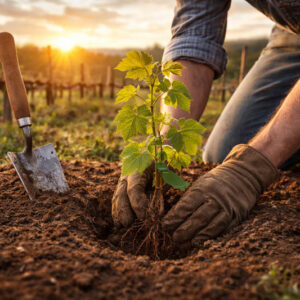
Concord is not the ideal long-term container grape. It is vigorous, heavy, and much happier in open ground where roots can spread and a permanent framework can develop. A large container can work temporarily or in tightly managed patio situations, but you should expect more frequent watering, feeding, root restriction, and pruning. For serious fruiting and long-term performance, plant it in the ground whenever possible. How to Grow Grapes in Containers (Expert Pot Guide)
Concord is an excellent choice for gardeners who want a grape with strong flavor, reliable cold tolerance, and real usefulness beyond fresh snacking. It is especially well suited to home growers who make juice, jelly, jam, grape desserts, or want a productive vine to cover a pergola or fence. It is less ideal for people who want a crisp, seedless table grape experience. In other words, grow Concord for flavor, tradition, and purpose – not for supermarket convenience.
Concord vs Niagara
Concord: Blue-black, seeded, strongly aromatic, classic purple juice and jelly grape, with a deeper and more pronounced labrusca flavor.
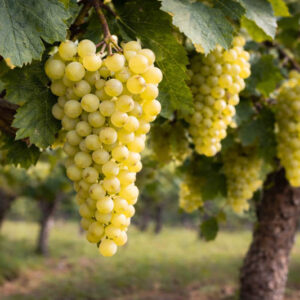
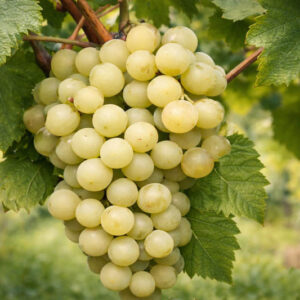
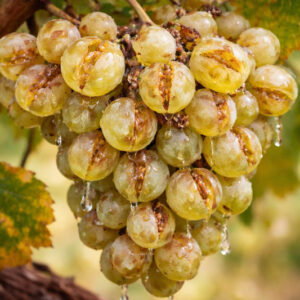
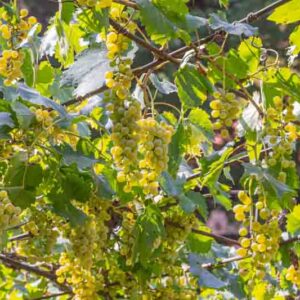
Niagara: Greenish-white to yellow, seeded, sweeter and lighter in profile, often preferred by gardeners who want a milder American grape for fresh eating and pale juice.
Best choice: Choose Concord for classic grape flavor, purple juice, and traditional processing. Choose Niagara for a lighter, sweeter, white American grape experience.
No. Standard Vitis labrusca ‘Concord’ grapes are seeded. A separate cultivar called ‘Concord Seedless’ exists, but it is not the same as traditional Concord.
Yes, if you enjoy seeded slip-skin grapes with strong flavor. However, Concord is best known for juice, jelly, jam, preserves, and pies rather than casual fresh snacking.
No. Concord grapes are self-fruitful, so a single vine can produce fruit without another grape variety nearby.
Concord grapes usually ripen from late summer to early fall, depending on local climate, growing season, and site conditions.
Concord is best described as a multi-purpose American grape. It is most famous for juice, jelly, jam, and preserves, though it is also used for some traditional American wines and can be eaten fresh.
Yes. Concord is valued for its excellent cold hardiness and is one of the most dependable classic grapes for northern gardens.
For readers comparing American grapes, useful next-step pages would include Niagara Grape, Catawba Grape, Canadice Grape, King of the North Grape, Reliance Grape, and a broader guide to how to grow grapes in the home garden.
Bottom line: Vitis labrusca ‘Concord’ remains a gold-standard American grape because it is productive, cold-hardy, aromatic, versatile, and deeply recognizable. It is not the grape for people who want bland, seedless convenience. It is the grape for gardeners, cooks, and fruit lovers who want personality, tradition, and a vine that gives back generously year after year.
Updated: March 2026 • Reviewed by Gardenia Editors
| Hardiness |
5 - 8 |
|---|---|
| Heat Zones |
2 - 9 |
| Climate Zones | 2B, 3A, 3B, 6, 7, 8, 9, 14, 15, 16, 17, 18, 19, 20, 21, 22, 23 |
| Plant Type | Climbers, Fruits, Shrubs |
| Plant Family | Vitaceae |
| Genus | Vitis |
| Common names | Grape |
| Exposure | Full Sun |
| Season of Interest | Summer (Early, Mid, Late), Fall |
| Height | 15' - 20' (4.6m - 6.1m) |
| Spread | 15' - 20' (4.6m - 6.1m) |
| Spacing | 180" - 240" (4.6m - 6.1m) |
| Maintenance | High |
| Water Needs | Average |
| Soil Type | Chalk, Loam, Sand |
| Soil pH | Alkaline, Neutral |
| Soil Drainage | Well-Drained |
| Characteristics | Showy, Fruit & Berries |
| Attracts | Bees, Birds |
| Garden Uses | Arbors, Pergolas, Trellises, Walls And Fences |
| Garden Styles | Informal and Cottage |


| Hardiness |
5 - 8 |
|---|---|
| Heat Zones |
2 - 9 |
| Climate Zones | 2B, 3A, 3B, 6, 7, 8, 9, 14, 15, 16, 17, 18, 19, 20, 21, 22, 23 |
| Plant Type | Climbers, Fruits, Shrubs |
| Plant Family | Vitaceae |
| Genus | Vitis |
| Common names | Grape |
| Exposure | Full Sun |
| Season of Interest | Summer (Early, Mid, Late), Fall |
| Height | 15' - 20' (4.6m - 6.1m) |
| Spread | 15' - 20' (4.6m - 6.1m) |
| Spacing | 180" - 240" (4.6m - 6.1m) |
| Maintenance | High |
| Water Needs | Average |
| Soil Type | Chalk, Loam, Sand |
| Soil pH | Alkaline, Neutral |
| Soil Drainage | Well-Drained |
| Characteristics | Showy, Fruit & Berries |
| Attracts | Bees, Birds |
| Garden Uses | Arbors, Pergolas, Trellises, Walls And Fences |
| Garden Styles | Informal and Cottage |
How many Vitis labrusca ‘Concord’ (Fox Grape) do I need for my garden?
| Plant | Quantity | |
|---|---|---|
| Vitis labrusca ‘Concord’ (Fox Grape) | N/A | Buy Plants |
Create a membership account to save your garden designs and to view them on any device.
Becoming a contributing member of Gardenia is easy and can be done in just a few minutes. If you provide us with your name, email address and the payment of a modest $25 annual membership fee, you will become a full member, enabling you to design and save up to 25 of your garden design ideas.
Join now and start creating your dream garden!
Create a membership account to save your garden designs and to view them on any device.
Becoming a contributing member of Gardenia is easy and can be done in just a few minutes. If you provide us with your name, email address and the payment of a modest $25 annual membership fee, you will become a full member, enabling you to design and save up to 25 of your garden design ideas.
Join now and start creating your dream garden!