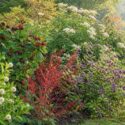
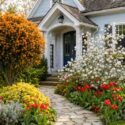
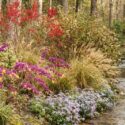
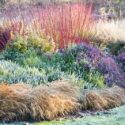
Turn up winter color with shrubs and trees bearing orange fruits and berries. See plant lists, zones, pollination tips, and easy care.
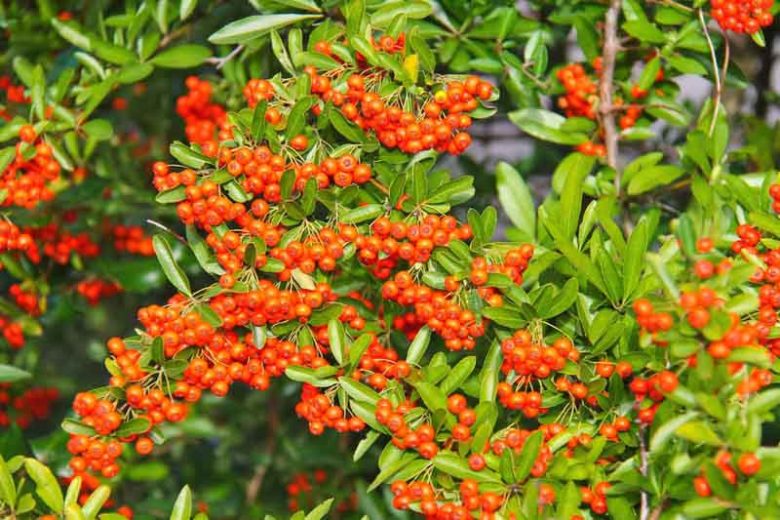


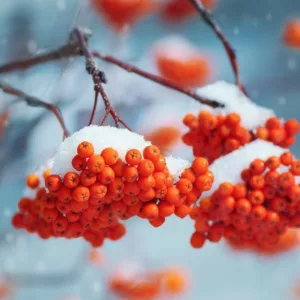
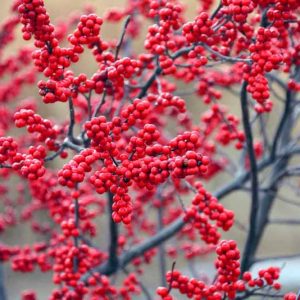
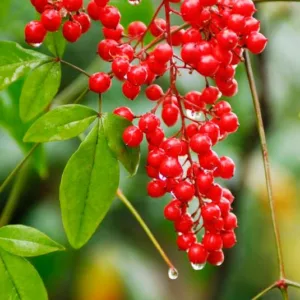
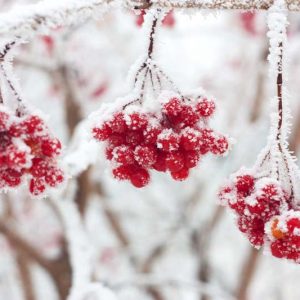
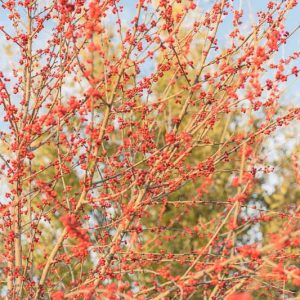
Orange is the garden’s warm sweater. When petals fade and days cool, shrubs and trees with orange fruits and berries turn borders into a bonfire of tiny lanterns. From sea buckthorn to firethorn, from apricot winterberries to glowing crabapples, these plants add heat, feed birds, and keep your landscape lively well past first frost.
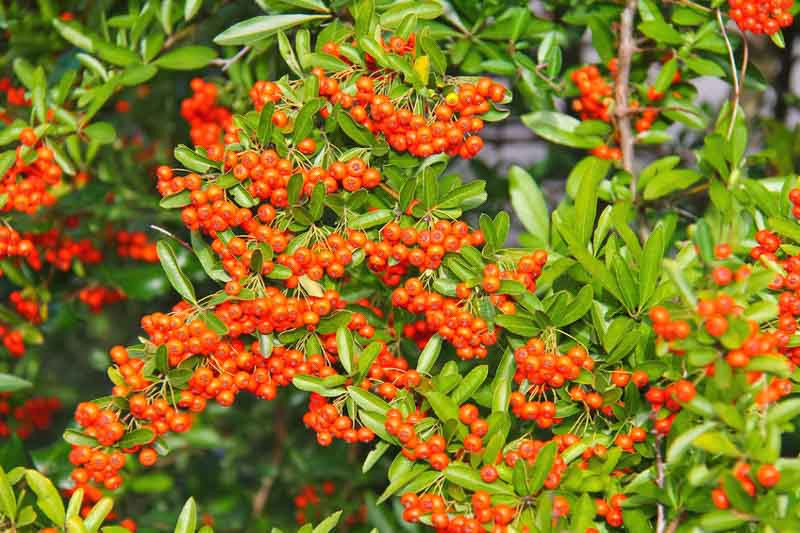
Orange berries and small fruits peak from late summer to deep winter, right when borders need a lift. Many choices are wildlife friendly and drought tolerant. A few need pollination partners. Choose sun, size, and soil wisely and you get low maintenance glow plus winter birds at eye level.
| Topic | Details |
|---|---|
| Best uses | Fall focal points, wildlife borders, mixed hedges, courtyard accents, winter sightlines from windows |
| Typical USDA zones | Broadly Zones 4-9, species dependent. Sea buckthorn 3-7, winterberry 3-8, firethorn 6-9, many crabapples 4-8. |
| Sun & exposure | Full sun to light shade. Best fruiting with 6+ hours of sun. |
| Soil | Well drained loam is ideal. Sea buckthorn thrives in sandy or coastal sites. Avoid waterlogged clay in winter. |
| Pollination notes | Dioecious plants like winterberry and sea buckthorn need a male nearby. Firethorn, viburnum, and crabapples set well solo or with bee traffic nearby. |
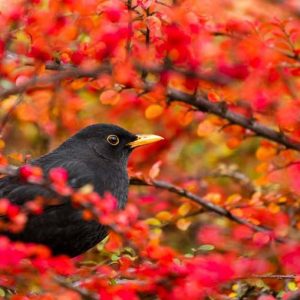
| Wildlife value | Spring bloom for pollinators. Autumn fruit for birds. Thorny shelter on firethorn and hawthorn provides safe roosts. |
| Safety | Treat display fruit as ornamental unless a plant is known edible. Avoid seeds and never forage without expert confirmation. |
| Design tip | Back orange with blue conifers, purple foliage, or dark fences. Echo color with copper grasses for a cohesive fall palette. |
Orange pops are readable from a distance and flattering up close. They warm up cool borders, glow in low light, and turn bare stems into jewelry. Birds tend to stage their feast over weeks, so the display often lingers. In short: color, texture, and wildlife value in one tidy package.
| Plant Type | Shrubs, Trees |
|---|---|
| Genus | Euonymus, Ilex, Malus - Crab Apple, Pyracantha, Viburnum |
| Season of Interest | Fall, Winter |
| Maintenance | Low |
| Characteristics | Fruit & Berries |

| Plant | Size | Sun | Notes |
|---|---|---|---|
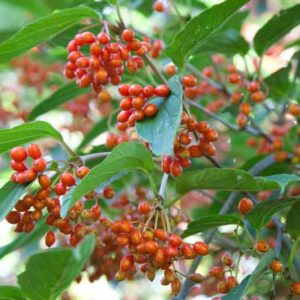
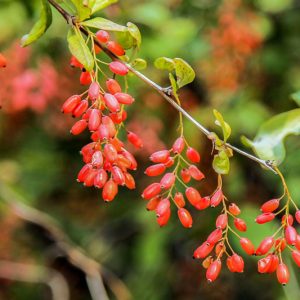
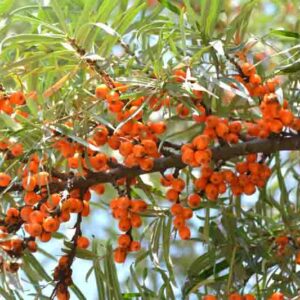
| Hippophae rhamnoides (Sea buckthorn) | 8–12 ft | Full sun | Female needs male. Salt/wind tolerant. Orange drupes, silver foliage; wildlife favorite. |
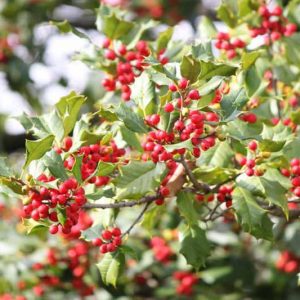
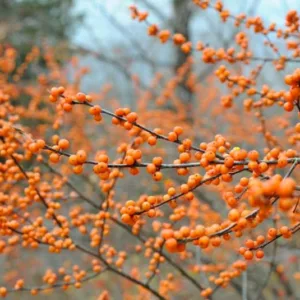
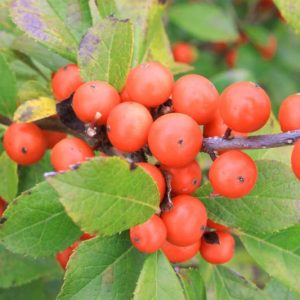
| Ilex verticillata ‘Winter Gold’ (Winterberry) | 5–8 ft | Sun to part shade | Deciduous holly; needs male winterberry. Apricot-orange berries on bare stems. |
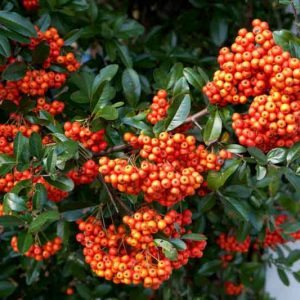
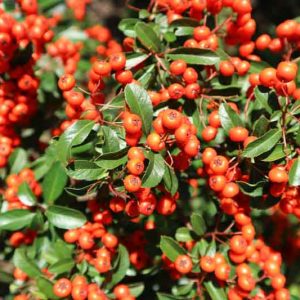
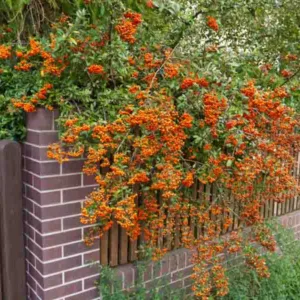
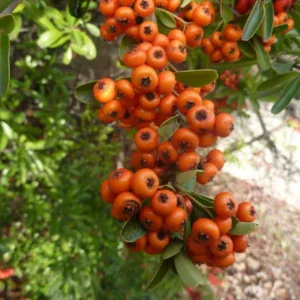
| Pyracantha ‘Yukon Belle’ (Firethorn) | 8–10 ft | Sun to light shade | Train on wires for dense clusters. Spring bloom; heavy orange crop. Thorny. |
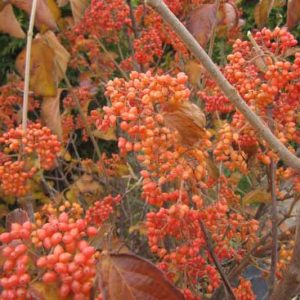
| Viburnum dilatatum ‘Tandoori Orange’ | 6–8 ft | Sun to part shade | Apricot clusters in fall; good persistence. Spring pollinator magnet; nice fall color. |
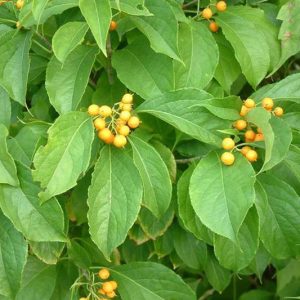
| Viburnum setigerum (Tea viburnum) | 8–12 ft | Sun to part shade | Orange to red pendant trusses; elegant, airy habit; tolerates light shade. |
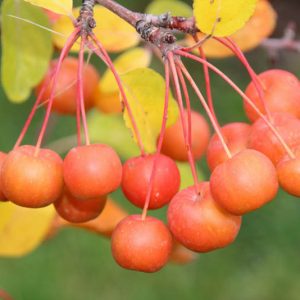
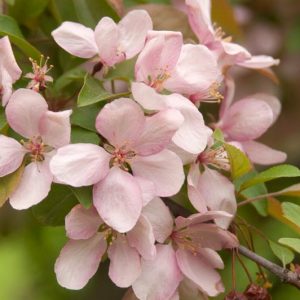
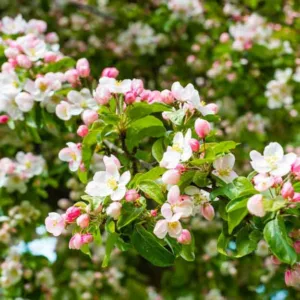
| Malus ‘Professor Sprenger’ (Crabapple) | 15–20 ft | Full sun | Spring bloom; small orange-blushed fruits that hold. Great street-scale tree. |
| Celastrus scandens (American bittersweet) | 15–20 ft vine | Sun to part shade | Female needs male. Orange arils in splitting capsules for fall/winter wreaths. Use native; avoid invasive C. orbiculatus. |
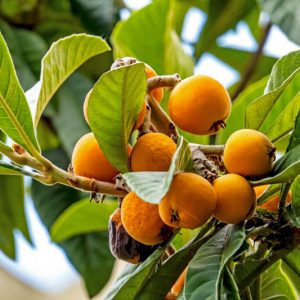
| Eriobotrya japonica (Loquat) | 10–25 ft | Full sun | Evergreen. Fragrant winter bloom; orange-yellow spring fruits. Best in mild zones; protect from hard freezes. |
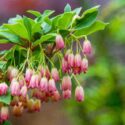
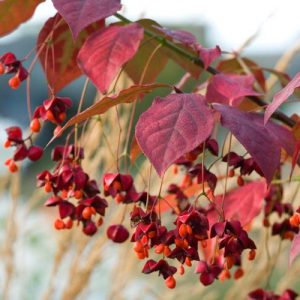
| Euonymus planipes (Large-fruited spindle) | 8–12 ft | Sun to part shade | Red-pink capsules split to expose bright orange seeds; strong fall show. Deciduous; great woodland-edge accent. |
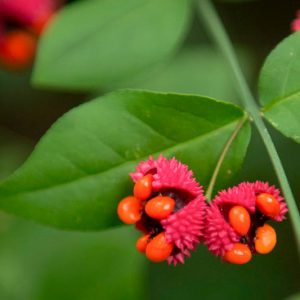
| Euonymus americanus (Hearts-a-bustin’) | 4–6 ft | Part shade | Native understory shrub. Pink capsules with orange seeds in fall; prefers moist, acidic woodland soils. |
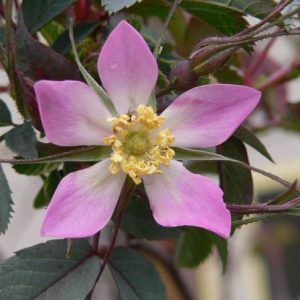
| Rugosa & species roses (for hips) | 3–7 ft | Full sun | Showy orange to red hips if not deadheaded. Tough, salt-tolerant; great wildlife value. |
Which orange-berry plants are easiest for beginners
Pyracantha in full sun with a trellis, winterberry ‘Winter Gold’ with a male pollinator, and compact crabapples like ‘Professor Sprenger’. All are tough and high impact.
Do orange berries need full sun
More sun equals more fruit. Aim for at least 6 hours. Viburnums will tolerate bright shade but crop best with morning sun plus bright afternoons.
Will birds strip the fruit quickly
It depends. Firethorn and hawthorn often go first after freezes soften fruit. Winterberry and some crabapples can hang for weeks. Plant a mix for a long show.
How do I boost fruiting
Pick a sunny site, avoid overfeeding nitrogen, water steadily through bloom and fruit set, and provide compatible pollinators where needed. Prune lightly and at the right time.
Updated: November 2025 • Reviewed by Garden Editors
| Plant Type | Shrubs, Trees |
|---|---|
| Genus | Euonymus, Ilex, Malus - Crab Apple, Pyracantha, Viburnum |
| Season of Interest | Fall, Winter |
| Maintenance | Low |
| Characteristics | Fruit & Berries |
Create a membership account to save your garden designs and to view them on any device.
Becoming a contributing member of Gardenia is easy and can be done in just a few minutes. If you provide us with your name, email address and the payment of a modest $25 annual membership fee, you will become a full member, enabling you to design and save up to 25 of your garden design ideas.
Join now and start creating your dream garden!
Create a membership account to save your garden designs and to view them on any device.
Becoming a contributing member of Gardenia is easy and can be done in just a few minutes. If you provide us with your name, email address and the payment of a modest $25 annual membership fee, you will become a full member, enabling you to design and save up to 25 of your garden design ideas.
Join now and start creating your dream garden!