Barbary Matrimony Vine, Chinese Box Thorn, Chinese Boxthorn, Chinese Wolfberry, Duke of Argyll's Tea Tree, Goji Berry, Goji Plant, Himalayan Goji Berry, Matrimony Vine, Wolf Berry, Wolfberry
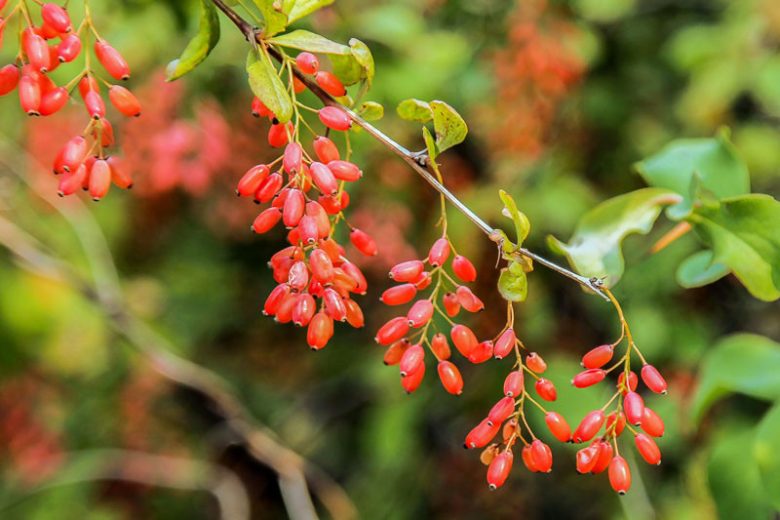
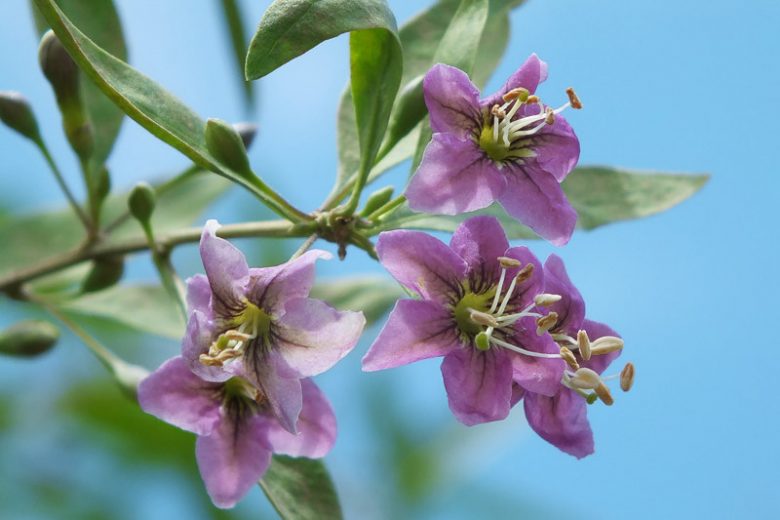


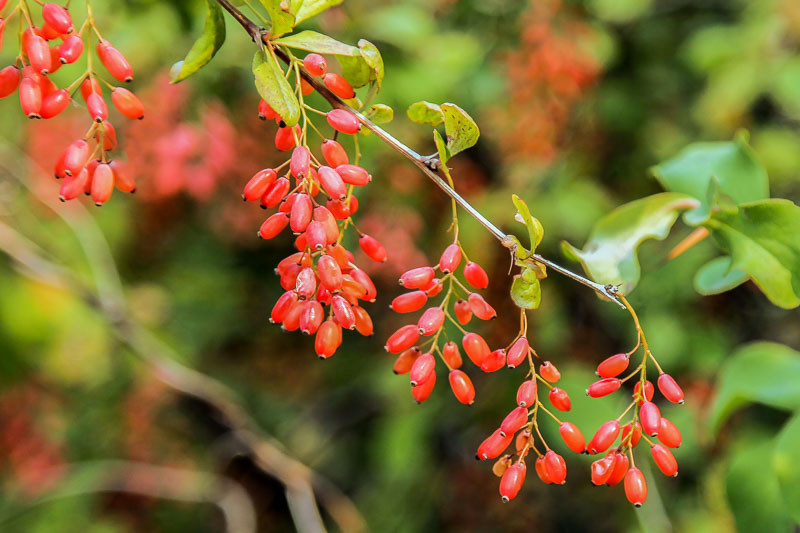
Summary: Tough, productive shrub with lavender flowers and strings of orange red berries that dry, juice, and brew beautifully for goji berry tea. A great choice for growing goji berries at home.
Taste: Fresh fruit is lightly sweet and tomato cranberry like; dried goji berries are chewier, sweeter, and concentrate flavor.
Use: Smoothies, trail mixes, baking, soups, stir fries, teas, and hedgerow snacks.
Note: Flowers are self fertile but fruit better with abundant sun, pollinators, and a second clone nearby.
| Botanical Name | Lycium barbarum |
|---|---|
| Family | Solanaceae (nightshade family) |
| Common Names | Goji, goji berry, wolfberry, matrimony vine |
| Native Range | North central China and adjacent regions of Asia; long cultivated and naturalized elsewhere |
| Plant Type & Habit | Deciduous to semi evergreen shrub with arching, lax canes; trainable on trellis |
| Hardiness (USDA) | Zones 5 to 9 |
| Size | 3 to 10 ft tall and 5 to 12 ft wide; smaller with regular pruning |
| Sun & Exposure | Full sun for heavy crops; light shade reduces yield |
| Soil | Well drained loam or sandy loam; tolerates average to poor soil; pH about 6.5 to 8.0 |
| Bloom & Fruit | Lavender to purple flowers late spring through summer; orange red berries from midsummer to frost |
| Wildlife | Flowers draw bees; fruit feeds birds late season |
| Toxicity | Ripe berries and young leaves are culinary; avoid unripe fruit; consult a professional if you take medications |
| Invasiveness | Can self seed and sucker; control with pruning, harvest, and mulch |
| Primary Uses | Edible hedges, trellised screens, fresh snacking, dried fruit, teas, smoothies, pantry projects |
If you have ever wondered what are goji berries and whether the goji berry plant is worth a spot in your garden, the answer is yes if you like easy fruit with year round interest. In spring the shrub leans out elegant arching canes with slim gray green leaves. Summer brings starry purple flowers, then bright strings of fruit that glow like fairy lights. By fall you are snacking, drying trays for winter, and simmering a pot of goji berry tea on cool evenings. Growing goji berries is refreshingly simple once you understand a few training and pruning moves.
Goji is a thorny to lightly thorned, deciduous shrub that behaves a lot like a berry bramble if you do not guide it. Canes can reach 8 to 10 feet (2.4 to 3 m) in a season, then arc outward and root where they touch soil if left alone. The foliage is narrow and clean looking, and flowers are small, purple, and attractive to bees. Fruit starts orange, turns glossy red, and hangs in clusters along the newest side shoots.
Lycium barbarum is associated with the arid and semi arid basins of north central China and has been cultivated for centuries across East Asia. In modern gardens it is grown worldwide for fruit and as a resilient hedgerow plant in mild to cold temperate regions.
Expect a fast grower. Left untamed it sprawls; with a trellis it becomes a graceful, fruit laden fan. Annual extension growth often reaches 12 to 24 inches (30-60 cm) on established plants and more on young, vigorous shoots.
Plants are long lived when renewed with pruning. Peak production begins in year 2 or 3 and can continue for a decade or more with regular thinning of oldest canes.
Most garden plants settle between 6 and 10 feet tall (1.8 to 3 m) with training and 5 to 12 feet wide (1.5 to 3.6 m). In poor soils or pots they stay closer to 3 to 6 feet (0.9 to 1.8 m).
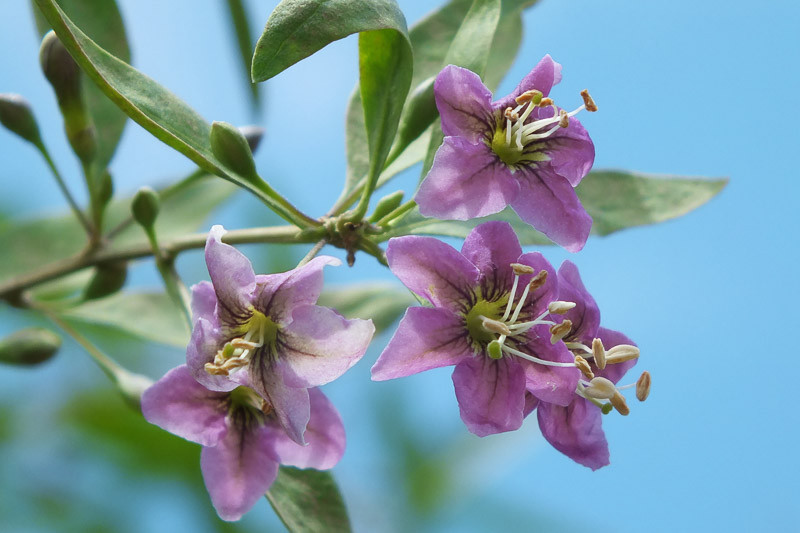
Small, flared, purple flowers appear late spring into summer on the current season’s growth. They are self fertile and set better crops with lively pollinator traffic. Planting more than one clone often results in heavier fruiting.
Fruits are oblong to oval, thin skinned, and juicy. Fresh they taste like a mild cherry tomato crossed with cranberry. Dried goji berries are candy like without being cloying and keep flavor and color for months. They ripen in waves from midsummer to frost, so plan on multiple pickings. A mature, well-managed shrub typically yields 1–3 kg (2–7 lb) per season. Add Sparkle: Discover Ornamental Shrubs and Trees with Orange Berries
Leaves are lance shaped, gray green above and paler beneath, often clustered on short spurs. New growth is soft and bendable, perfect for fanning onto wires or a fence.
Generally hardy in USDA Zones 5 to 9 (zone 4 only in sheltered sites with winter dieback). Winter cold can nip unripe fruit and tender tips, but canes resprout strongly in spring.
Bees visit the flowers; ladybugs hunt among the stems; birds help themselves to ripe fruit late in the season. Netting a portion near peak ripeness keeps some for the kitchen.
Ripe berries are a food. Leaves are brewed as a mild tea in some traditions. Avoid unripe fruit and large quantities of leaf tea if you are sensitive to plants in the nightshade family. If you take prescription medicines, especially blood thinners, speak with a professional before adding concentrated products to your diet.
Goji can spread by seed and by suckers where soil is open. In most gardens it stays polite with pruning and harvest. In natural areas, prevent escape by removing unwanted seedlings and keeping fruit picked.
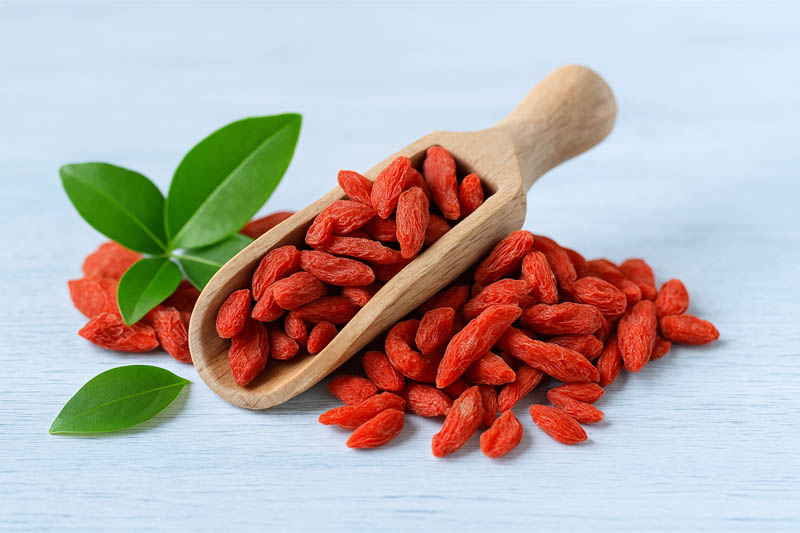
Fans of goji berries love the way a handful brightens breakfast and baking, and the fruit is widely valued for a nutrient rich profile that includes vitamin C, carotenoids, fiber, and polyphenols. Enjoy the flavor first and consider the kitchen friendly goji berry benefits as a bonus. Stir fresh fruit into yogurt, fold dried goji berries into granola, or simmer a simple syrup and splash it over sparkling water with lemon.
Full sun drives flowers and fruit. In hot inland summers a touch of afternoon shade is fine, but deep shade cuts yield.
Adaptable, but happiest in well drained loam or sandy loam. It tolerates neutral to slightly alkaline conditions and does not enjoy waterlogged clay. A 2 to 3 inch (5-7 cm) mulch keeps roots cool and holds moisture.
Moderate water needs. Keep soil evenly moist during bloom and early fruit fill. Back off in late fall to help canes harden before winter.
Light feeder. Compost in spring is often enough. If leaves pale on poor soil, use a balanced organic fertilizer at half strength after growth begins.
The simplest method is a fan on two or three horizontal wires set on posts. Tie a few strong canes up and angle side shoots out to make short fruiting spurs. In small spaces, a single stake system works well, too.
Fruit forms on new laterals from last year’s wood. In late winter remove dead, weak, and crossing stems and shorten one third of the remaining canes to sturdy outward buds. In summer, tip long whips at about 24 to 30 inches (60-75 cm) to stimulate many short, fruitful side shoots. Renew by removing a portion of the oldest canes each year.
Yes, you can grow a goji berry plant in a big pot. Choose at least 15 to 20 gallons with generous drainage. Use a high quality mix, tie shoots to a small trellis, and water consistently in hot weather. Expect to up pot or plant out after two or three seasons.
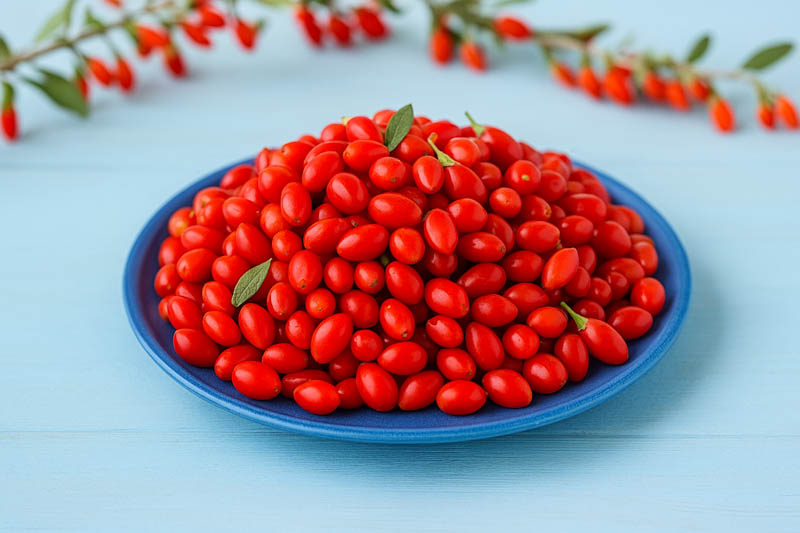

The bright red-orange fruit of the goji berry plant (Lycium barbarum), a hardy shrub in the nightshade family. They’re eaten fresh, used for goji berry tea, or dried for snacks and cooking.
Mildly sweet with a tomato-cranberry vibe. They’re juicier and less sweet than dried goji berries.
They’re a nutrient-rich food with vitamin C, fiber, carotenoids, and polyphenols. Enjoy them as part of a balanced diet. For medical questions, consult a professional.
Yes, ripe berries are commonly eaten fresh. As with any new food, start with small amounts if you have a sensitive stomach.
Yes. Steep 1 tablespoon dried goji berries per cup of hot water for 8–10 minutes, or simmer 5 minutes for deeper color. You can add ginger or chrysanthemum.
Young leaves are used sparingly for soups and herbal infusions in some cuisines. Use correct identification and moderate amounts.
They’re the same fruit. “Goji” and “wolfberry” both refer to Lycium species, most often Lycium barbarum.
Both produce similar fruit. L. barbarum is most common in gardens; L. chinense is also grown. Choose healthy plants from a reliable nursery.
Yes. One plant can fruit. Two genetically different plants nearby often increase yield.
Often in the first or second year after planting; best crops from year 2–3 onward.
In late winter remove dead and crowded canes. Shorten long shoots and encourage short laterals; fruit forms on new side shoots from last year’s wood. Each year, remove some of the oldest canes.
Yes. Use a 15–20 gallon pot with excellent drainage, add a small trellis, water consistently, and refresh the top few inches of mix each spring.
In waves from midsummer to frost. Plan to harvest every few days during peak season.
Rinse, pat dry, then dehydrate at low temperature until pliable and no longer sticky. Store airtight in a cool, dark cupboard.
Updated: November 2025 • Reviewed by Gardenia Editors
| Hardiness |
5 - 9 |
|---|---|
| Heat Zones |
5 - 9 |
| Plant Type | Fruits, Shrubs |
| Plant Family | Solanaceae |
| Common names | Goji Berry |
| Exposure | Full Sun |
| Season of Interest | Spring (Late), Summer (Early, Mid, Late), Fall |
| Height | 3' - 10' (90cm - 3m) |
| Spread | 5' - 12' (150cm - 3.7m) |
| Spacing | 48" - 72" (120cm - 180cm) |
| Maintenance | Low |
| Water Needs | Average |
| Soil Type | Clay, Loam, Sand |
| Soil pH | Acid, Alkaline, Neutral |
| Soil Drainage | Moist but Well-Drained, Well-Drained |
| Characteristics | Showy, Fruit & Berries |
| Tolerance | Drought, Clay Soil |
| Attracts | Bees, Birds |
| Garden Uses | Banks And Slopes, Beds And Borders, Hedges And Screens, Wall-Side Borders |
| Garden Styles | Coastal Garden, Informal and Cottage |


| Hardiness |
5 - 9 |
|---|---|
| Heat Zones |
5 - 9 |
| Plant Type | Fruits, Shrubs |
| Plant Family | Solanaceae |
| Common names | Goji Berry |
| Exposure | Full Sun |
| Season of Interest | Spring (Late), Summer (Early, Mid, Late), Fall |
| Height | 3' - 10' (90cm - 3m) |
| Spread | 5' - 12' (150cm - 3.7m) |
| Spacing | 48" - 72" (120cm - 180cm) |
| Maintenance | Low |
| Water Needs | Average |
| Soil Type | Clay, Loam, Sand |
| Soil pH | Acid, Alkaline, Neutral |
| Soil Drainage | Moist but Well-Drained, Well-Drained |
| Characteristics | Showy, Fruit & Berries |
| Tolerance | Drought, Clay Soil |
| Attracts | Bees, Birds |
| Garden Uses | Banks And Slopes, Beds And Borders, Hedges And Screens, Wall-Side Borders |
| Garden Styles | Coastal Garden, Informal and Cottage |
How many Lycium barbarum (Goji Berry) do I need for my garden?
| Plant | Quantity | |
|---|---|---|
| Lycium barbarum (Goji Berry) | N/A | Buy Plants |
Create a membership account to save your garden designs and to view them on any device.
Becoming a contributing member of Gardenia is easy and can be done in just a few minutes. If you provide us with your name, email address and the payment of a modest $25 annual membership fee, you will become a full member, enabling you to design and save up to 25 of your garden design ideas.
Join now and start creating your dream garden!
Create a membership account to save your garden designs and to view them on any device.
Becoming a contributing member of Gardenia is easy and can be done in just a few minutes. If you provide us with your name, email address and the payment of a modest $25 annual membership fee, you will become a full member, enabling you to design and save up to 25 of your garden design ideas.
Join now and start creating your dream garden!