Florence Fennel, Finocchio, Bulb Fennel, Fennel Bulb, Sweet Anise, Italian Fennel, Anise Fennel, Thick-stemmed Fennel.
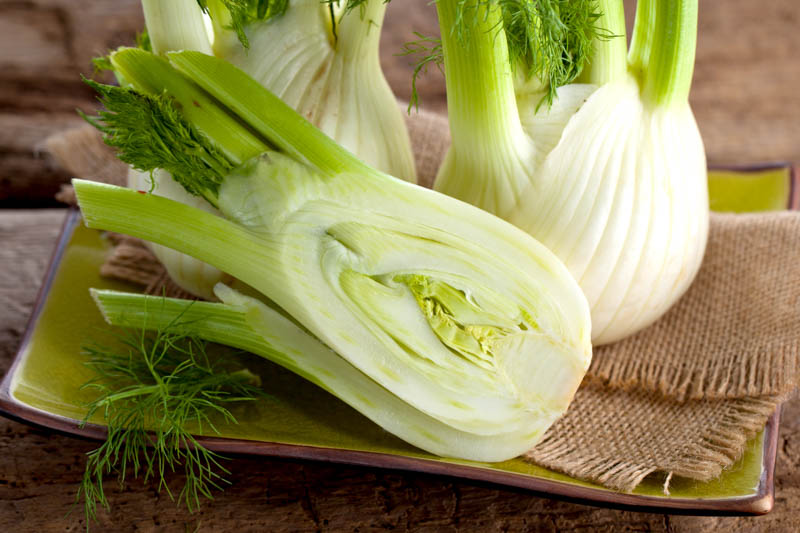
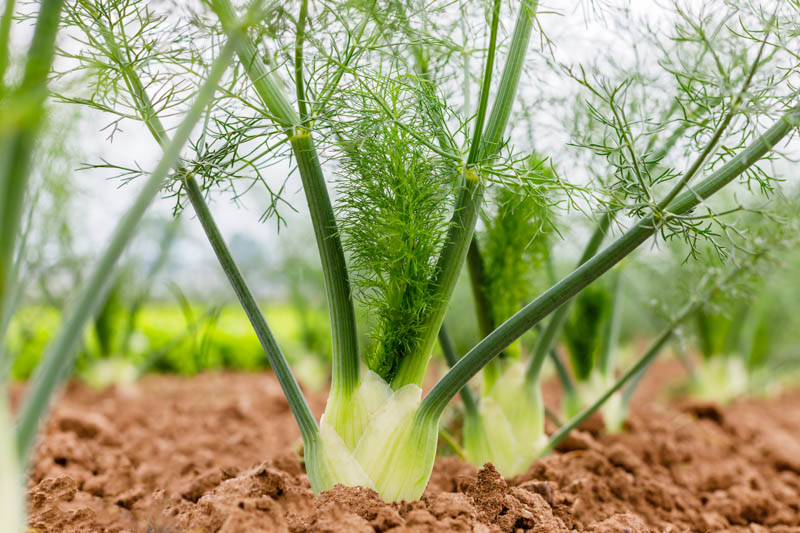


Summary: Also called Florence fennel or finocchio, this cool-season vegetable forms a crisp, swollen “bulb” of layered leaf bases. Both ornamental and edible, it provides three harvests in one: crunchy bulbs, fragrant fronds, and aromatic seeds.
Taste: Sweet, cool anise/licorice flavor; bulbs are crisp raw, silky when roasted.
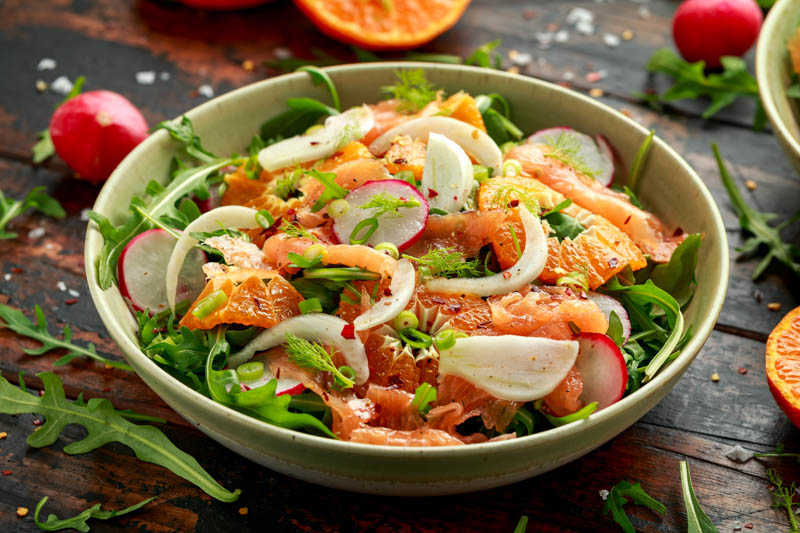
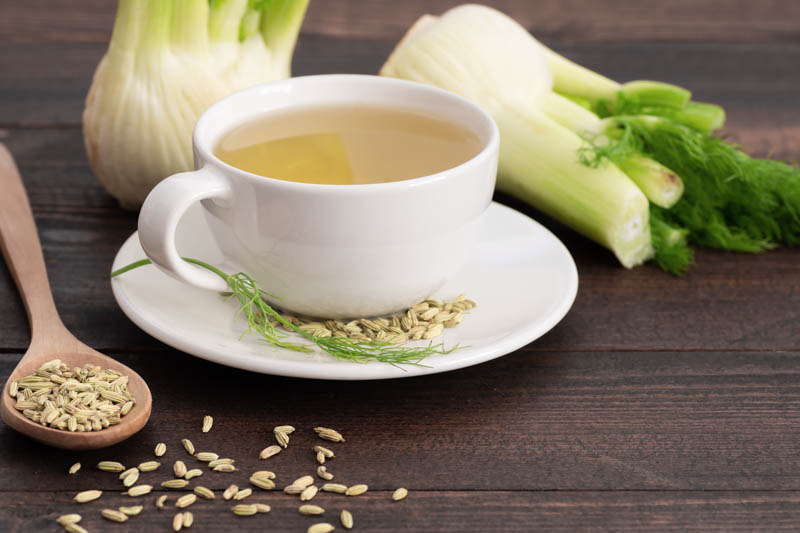
Use: Shaved salads, roasts, braises, fennel-citrus slaw, frond pesto, fennel tea, seeds for sausage & baking.
Safety: Edible and non-toxic. Same species as herb fennel, different form. Not to be confused with “dog fennel,” which is unrelated and inedible.
| Botanical Name | Foeniculum vulgare var. azoricum (syn. Florence fennel, finocchio) |
|---|---|
| Family | Apiaceae (Carrot family) |
| Common Names | Fennel bulb, Florence fennel, Finocchio |
| Plant Type & Habit | Cool-season biennial (grown as annual); layered bulb with feathery fronds |
| Hardiness (USDA) | 5–9; tolerates light frosts, dislikes extreme heat |
| Size | 2–3 ft tall, 18–24 in spread; bulbs 2.5–4.5 in across at harvest |
| Sun & Exposure | Full sun; rich, well-drained loam; pH 6.0–8.0; steady moisture |
| Harvest | Bulbs at 2.5–4.5 in (6–11 cm); fronds anytime; seeds once umbels brown |
| Edible Parts | Bulbs (vegetable), fronds (herb), seeds (spice), pollen (gourmet seasoning) |
| Native Range | Mediterranean basin; naturalized widely |
| Invasiveness | Can self-seed if not harvested; check local guidance |
| Primary Uses | Culinary vegetable; fronds as herb; seeds in baking/tea; pollen as gourmet spice |
If you’ve ever crunched into a pale green fan of sweetness and thought, “licorice, but fresher,” you already know the fennel bulb. The fennel plant gives you three ingredients from one sowing: crisp bulbs for salads and roasting, feathery fennel fronds for herbaceous sparkle, and aromatic fennel seeds for tea, baking, and sausage.
In this guide, you’ll learn exactly how to plant, grow, harvest, and cook fennel—plus smart tips on fennel tea, fennel pollen, the best fennel recipes, what to use as a fennel substitute, and a quick note on “dog fennel” (spoiler: not the same thing).
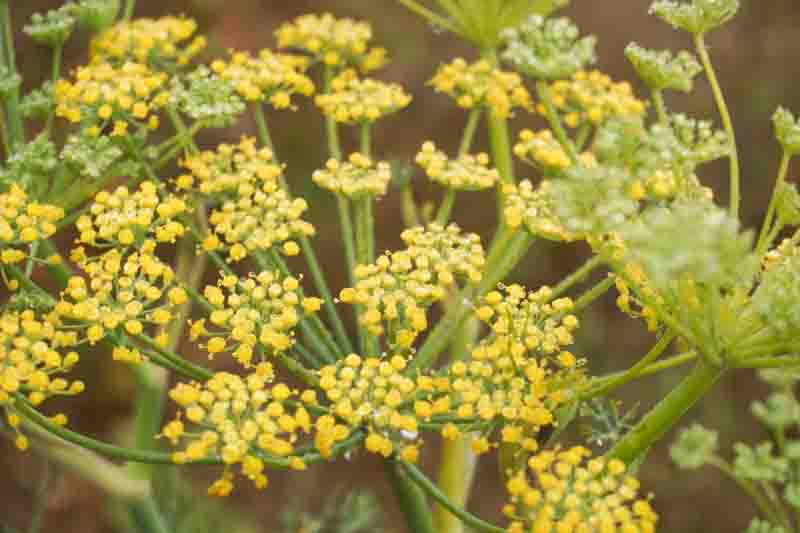
Florence fennel is the bulb-forming form of the fennel plant. Botanically, the “bulb” isn’t a true bulb—it’s a crisp stack of thickened leaf bases that swell at the soil line. Flavor is cool and sweet with anise/licorice notes, but milder than anise seed or star anise. The texture ranges from snap-crisp when raw to silky and tender when cooked. The feathery tops supply dill-like fronds with a gentler perfume, and late in the season the plant produces umbels of golden flowers that set the aromatic fennel seeds used in sausages, bread, biscotti, and fennel tea. Fennel and dill won’t cross but different fennel types can cross with each other—saved seed may not come true.
Fennel hails from the Mediterranean, where it still naturalizes on sunny hillsides. Its love of bright light, drainage, and moderate moisture mirrors classic Mediterranean vegetables—think onions, celery, and chard.
Plants form a low, layered “bulb” (thickened leaf bases) at the soil line and fine, filigreed foliage above. Expect 2–3 ft (60–90 cm) of airy stems if allowed to mature fully. Compact varieties stay neater for small spaces and containers.
Florence fennel is a cool-season crop. Heat and drought push it to bolt (shoot up a flower stalk), which halts bulb swelling and toughens texture. Long daylength combined with heat accelerates bolting—at higher latitudes, favor fall sowings for best results. Success = planting into cool weather + steady moisture.
Days to harvest: ~70–90 days from direct sow; ~60–80 days from transplant (because you started earlier). Fall crops are often sweetest.
Fennel is a pollinator party. The flat umbels feed hoverflies, lacewings, tiny parasitic wasps, bees, and butterflies. It is also a well-known host for black swallowtail and Anise swallowtail caterpillars. If you can spare a plant or two for bloom, you’ll feed a small city of helper insects.
Bulb fennel is widely eaten and generally well tolerated when used in normal culinary amounts. The edible parts include the bulb, tender stalks, feathery fronds, and dried seeds (as a spice or simple fennel tea).
This section covers edible bulb fennel only and is for general information, not medical advice.
Florence fennel self-seeds modestly if you leave seed heads standing, but it’s easy to manage by harvesting bulbs and cutting spent umbels. Herb fennel (non-bulbing) can seed more enthusiastically—deadhead if needed.
Grower Story We used to think fennel was “restaurant food.” Then we shaved a just-picked bulb into lemony ribbons and roasted the rest beside a chicken. Now it’s a spring and fall ritual: one bed for crisp salads, another for sheet-pan dinners—and a jar of home-saved fennel seeds for winter baking.
No fennel? Try these depending on the role:
Fennel bulb is hydrating, light in calories, and rich in vitamin C, potassium, and fiber. Typical values per 100 g raw bulb:
| Nutrient | Amount (approx.) |
|---|---|
| Calories | ~31 |
| Carbohydrates | ~7–8 g |
| Fiber | ~3 g |
| Protein | ~1 g |
| Vitamin C | ~10–12 mg |
| Potassium | ~350–420 mg |
Numbers vary by variety, soil, and freshness. Yellow-fleshed fennel doesn’t exist—if yours looks yellow, it’s likely age or bruising; choose firm, pale green bulbs with crisp stalks.
Choose spring types for quick, early bulbs and fall types for the largest, sweetest harvests in cooler weather.
| Variety | Best Season | Approx. Days† | Bulb Traits & Flavor | Bolting Tendency | Good For |
|---|---|---|---|---|---|
| ‘Zefa Fino’ | Spring & Fall | 60–75 | Uniform, medium bulbs; fine texture; sweet, anise-citrus notes. | Moderate (quick to finish helps in spring) | Baby bulbs, raw salads, quick sautés |
| ‘Orion’ | Spring (cool) & Early Fall | 70–80 | Thick, rounded, very white bulbs; dense and juicy; excellent flavor. | Low to Moderate (noted for steadiness) | Roasting, braises, steaks for grilling |
| ‘Perfection’ | Primarily Fall | 75–90 | Classic Italian finocchio character; large, well-layered bulbs; aromatic. | Moderate (prefers cool finish) | Shaved fennel salad, gratins, confit |
| ‘Selma Fino’ | Spring (cool) & Fall | 70–85 | Uniform, slightly elongated bulbs; crisp, tender layers; sweet. | Moderate | Carpaccio-style slices, slaws, quick pickles |
| ‘Romanesco’ | Fall (cool finish) | 80–95 | Traditional Italian type; broad, flat-rounded bulbs; intensely aromatic. | Higher in heat—avoid summer stress | Slow roasts, braises, pasta & seafood |
| ‘Mantovano’ | Fall (cool finish) | 80–90 | Large, flattened bulbs; very meaty layers; sweet with gentle anise. | Moderate to Higher—best in fall | Gratin, roasted fennel, hearty sides |
| ‘Montebianco’ | Spring (cool) & Fall | 70–80 | Round, bright-white bulbs; uniform and dense; mild, sweet flavor. | Low to Moderate | Roasted wedges, fennel steaks, soups |
| ‘Zefa Tardo’ | Fall (late) | 85–95 | Later, larger sister to ‘Zefa Fino’; firm, flavorful bulbs in cool weather. | Low in cool fall; avoid summer heat | Late-season bulk harvest, storage use |
† Days are approximate and vary with sowing method (direct vs. transplant), spacing, and weather. In warm spells, spring crops can bolt early—use quick, bolt-tolerant selections or shift to fall sowing.
Fennel resents root disturbance. Use deep cell trays, transplant young, and disturb roots as little as possible. Water in thoroughly.
| Region / Summer Profile | Spring Crop (sow/plant) | Harvest | Fall Crop (sow/plant) | Harvest |
|---|---|---|---|---|
| Cool-summer/coastal (mild springs, no extreme heat) | Direct sow as soon as soil is workable; transplant 2–4 weeks before last frost if hardened off | Late spring–early summer | Late summer (8–12 weeks before first frost) | Fall to early winter |
| Temperate four-season (warm summers) | Start indoors 4–6 weeks before last frost; transplant after danger of hard frost | Early–mid summer (before sustained heat) | Late summer (8–10 weeks before first frost) | Fall (often sweetest bulbs) |
| Hot-summer/interior (frequent >90°F / 32°C) | Very early—push a fast spring crop or skip spring entirely | Late spring (harvest small/medium size to beat heat) | Late summer (10–12 weeks before first frost) | Fall to early winter |
| Mild-winter (Mediterranean/Subtropical) | Early spring or late winter under row cover | Spring | Late summer–autumn; can overwinter | Late fall–winter; plants left will bloom next spring for fennel pollen/fennel seeds |
Once a plant bolts, yellow umbels open within 2–4 weeks. That’s your moment for fennel pollen (tap flowers over paper and dry briefly). Allow umbels to brown for fennel seeds to dry for spice jars and fennel tea. Keep culinary fennel separate from “dog fennel” (a different, weedy species) when labeling saved seed.
As bulbs swell, you can gently pull soil or straw around the base to keep them snow-white and extra tender. Not required, but pretty.
Yes—choose at least a 12–14 in wide, deep pot with drainage. Use a premium potting mix, water consistently, and feed lightly. Compact varieties excel in containers.
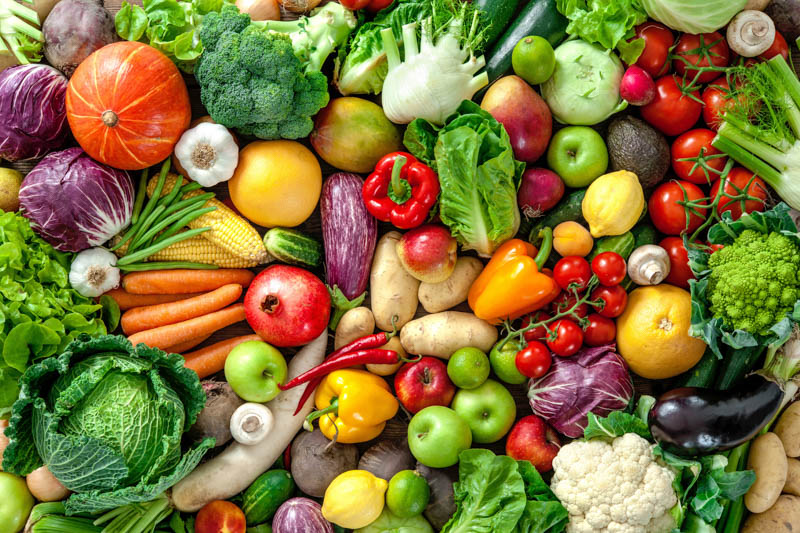
For bulb fennel, a little elbow room goes a long way. Fennel releases aromatic compounds that can suppress very close neighbors, especially seedlings. Best practice: give it its own row or its own small bed, then place other crops in the adjacent bed with a buffer.
Avoid in the same bed:
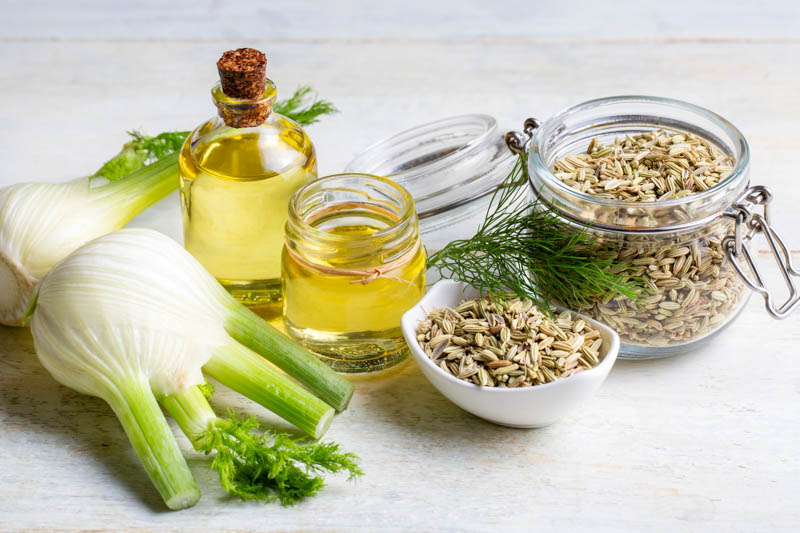
Cut when 2.5–4.5 in (6-11 cm) across and dense to the touch. Use a sharp knife at soil level, tidy roots, trim stalks to 1–2 (2-5 cm) inches, and reserve fennel fronds for garnishes and pesto.
Snip sparingly from mature plants as needed. For a steady frond supply, grow a couple of herb-fennel plants near the vegetable bed.
Let a few umbels brown on the plant. Cut on a dry morning into a paper bag; finish drying indoors. Rub seeds free, winnow chaff, and store airtight for spice blends and fennel tea.
Right as flowers open, tap umbels over parchment to catch the yellow pollen. Air-dry briefly, then bottle. A pinch delivers an elegant licorice-citrus lift.
| Issue | What You’ll See | How to Respond |
|---|---|---|
| Bolting (early flowering) | Skinny bulbs, flower stems rising | Plant for cool seasons; water steadily; harvest promptly |
| Stringy bulbs | Tough fibers, hollow centers | Avoid drought/heat stress; don’t crowd; harvest at size |
| Aphids | Sticky fronds, clusters on stems | Blast with water; encourage lady beetles; use insecticidal soap if needed |
| Slugs and snails | Chewed seedlings and ribs | Handpick; use copper tape/beer traps; keep mulch thin near stems |
| Root rot | Wilting despite wet soil | Improve drainage; water deeply but not constantly soggy |
Is “dog fennel” the same as the edible fennel bulb?
No. “Dog fennel” is a common name for a weedy wildflower (often Eupatorium capillifolium) and isn’t edible like Florence fennel (Foeniculum vulgare var. azoricum). For cooking and gardening, stick with Florence fennel or herb fennel from reputable seed sources.
Can I grow fennel near other vegetables?
Give fennel its own row or bed; its aromatic chemistry may suppress some neighbors. That said, flowering fennel is beloved by beneficial insects—great along garden edges.
How do I stop fennel from bolting?
Plant for cool weather, water evenly, and harvest at size. Heat and drought trigger flowering. Fall crops are often the sweetest and least fussy.
What’s a good fennel substitute in recipes?
For crunch in a fennel salad, use celery or kohlrabi; for flavor, try anise seed or a touch of star anise. For frond garnish, use dill plus parsley.
Can I use fennel fronds like an herb?
Absolutely. Chop fennel fronds into salads, dressings, pestos, and seafood dishes. They’re milder than the bulb and bring a bright, herbal finish.
How do I harvest and store fennel seeds?
When seed heads turn brown, cut them into a paper bag on a dry morning. Dry fully, rub seeds free, winnow, and store airtight away from light for the best aroma.
Is roasted fennel actually sweet?
Yes. High-heat roasting caramelizes natural sugars and softens licorice tones. Roasted fennel converts fennel skeptics in one pan.
Can I drink fennel tea daily?
Many people enjoy fennel tea after meals. Culinary amounts are generally considered gentle. If you’re pregnant, nursing, or on medication, check with a professional before daily use.
Will fennel come back next year?
Florence fennel is biennial but grown as an annual for bulbs. Left in the ground, it will flower and set fennel seeds in year two. Herb fennel (non-bulbing) is often perennial in mild climates.
What’s the difference between fennel seeds and fennel pollen?
Fennel seeds are the dried fruits, warm and sweet for spice blends and teas. Fennel pollen is collected from open flowers and tastes brighter and more floral—used as a finishing spice.
| Season | Garden Actions (Bulb Fennel) | Harvest & Kitchen Ideas | Notes & Pro Tips |
|---|---|---|---|
| Early spring | Prep beds with compost; rake level for even moisture. Direct sow or transplant when soil is ~50–60°F (10–16°C). Space 8–10 in (20–25 cm) in rows 18-24 in (45-60 cm) apart. Lay a light, airy mulch to steady moisture. |
Harvest first baby bulbs for a crisp fennel salad with citrus and olive oil; save tender fennel fronds for garnish. | Keep growth even—no drought swings. A low tunnel or row cover speeds growth and shields early pests. |
| Late spring | Start cutting bulbs at tennis-ball size to keep texture sweet and juicy. If nights remain cool, tuck in a small succession for early summer. | Shave bulbs thin for fennel salad; sauté wedges for pasta; whirl fronds into gremolata. | Hill a little soil or mulch around bulb bases to blanch and keep them pearly. Shade cloth helps during sudden warm spells. |
| High summer | Pause new sowings—heat triggers bolting. Keep existing plantings evenly watered. If some bulb fennel bolts, let a couple flower for beneficial insects. | Use fronds fresh; grill thick slices quickly or marinate and chill for antipasti. | Bolting = tougher bulbs. Aim for 30–40% shade cloth if pushing a summer crop; otherwise wait for cooler weather to re-sow. |
| Late summer | Sow or transplant the fall crop as nights cool. Maintain steady moisture and light mulch. Net if swallowtail caterpillars are heavy—leave one sacrificial plant if you’d like butterflies. | Peak texture for raw dishes: carpaccio-style slices, lemony fennel salad, and sheet-pan dinners. | The fall run makes the densest, sweetest bulbs. Keep growth stress-free to avoid splitting. |
| Autumn | Main harvest window. Lift bulbs as they size; protect with fleece in light frosts. From bolted plants, collect dry fennel seeds and a pinch of fresh fennel pollen. | Prime time for roasted fennel with olive oil and Parmesan; grind seeds for sausage spice; finish dishes with fennel pollen. | Trim tops, store bulbs loose in the crisper. Dry seeds thoroughly before jarring to prevent mold. |
| Winter | Clear beds and add compost for spring. In cold zones, start a few seeds indoors late winter for an early jump. | Simmer a soothing fennel tea from your saved seeds; braise stored bulbs with citrus and olives; plan new rows and varieties. | Check stored bulbs weekly; use any with blemishes first. Order seed early—favorites sell out. |
Timing shifts with climate: treat spring as short in hot-summer regions and lean into the late-summer sowing for the best fall bulbs.
Plant Florence fennel and you get a vegetable, an herb, and a spice in a single row. Give it sun, fertile soil, and steady moisture in the cool stretches of your year. Harvest bulbs when they’re firm and glowing, scatter fennel fronds like confetti in the kitchen, and save your own fennel seeds—plus a pinch of fennel pollen—for a chef’s-kiss finish. Whether you’re tossing a crisp fennel salad, sipping fennel tea, trying new fennel recipes, or sliding a pan of roasted fennel into the oven, this is one crop that earns its keep—and then some.
| Hardiness |
5 - 9 |
|---|---|
| Heat Zones |
6 - 9 |
| Climate Zones | 1, 1A, 1B, 2, 2A, 2B, 3, 3A, 3B, 4, 5, 6, 7, 8, 9, 10, 11, 12, 13, 14, 15, 16, 17, 18, 19, 20, 21, 22, 23, 24, A1, A2, A3, H1, H2 |
| Plant Type | Herbs, Perennials |
| Plant Family | Apiaceae |
| Common names | Fennel, Fennel Bulb |
| Exposure | Full Sun |
| Season of Interest | Summer (Early, Mid, Late), Fall |
| Height | 2' - 3' (60cm - 90cm) |
| Spread | 1' - 2' (30cm - 60cm) |
| Spacing | 18" - 24" (50cm - 60cm) |
| Maintenance | Low |
| Water Needs | Average |
| Soil Type | Chalk, Clay, Loam, Sand |
| Soil pH | Acid, Alkaline, Neutral |
| Soil Drainage | Moist but Well-Drained |
| Characteristics | Fragrant, Showy, Cut Flowers |
| Tolerances | Deer, Clay Soil, Poor Soil, Humidity |
| Attracts | Bees, Butterflies, Birds |
| Garden Uses | Beds And Borders, Patio And Containers |
| Garden Styles | Butterfly Garden, Informal and Cottage, Mediterranean Garden, Pollinator Garden |
| Toxic to Humans | No known toxicity |
| Toxic to Cats | Not toxic |
| Toxic to Dogs | Not toxic |
| Toxic to Horses | Not toxic |


| Hardiness |
5 - 9 |
|---|---|
| Heat Zones |
6 - 9 |
| Climate Zones | 1, 1A, 1B, 2, 2A, 2B, 3, 3A, 3B, 4, 5, 6, 7, 8, 9, 10, 11, 12, 13, 14, 15, 16, 17, 18, 19, 20, 21, 22, 23, 24, A1, A2, A3, H1, H2 |
| Plant Type | Herbs, Perennials |
| Plant Family | Apiaceae |
| Common names | Fennel, Fennel Bulb |
| Exposure | Full Sun |
| Season of Interest | Summer (Early, Mid, Late), Fall |
| Height | 2' - 3' (60cm - 90cm) |
| Spread | 1' - 2' (30cm - 60cm) |
| Spacing | 18" - 24" (50cm - 60cm) |
| Maintenance | Low |
| Water Needs | Average |
| Soil Type | Chalk, Clay, Loam, Sand |
| Soil pH | Acid, Alkaline, Neutral |
| Soil Drainage | Moist but Well-Drained |
| Characteristics | Fragrant, Showy, Cut Flowers |
| Tolerances | Deer, Clay Soil, Poor Soil, Humidity |
| Attracts | Bees, Butterflies, Birds |
| Garden Uses | Beds And Borders, Patio And Containers |
| Garden Styles | Butterfly Garden, Informal and Cottage, Mediterranean Garden, Pollinator Garden |
| Toxic to Humans | No known toxicity |
| Toxic to Cats | Not toxic |
| Toxic to Dogs | Not toxic |
| Toxic to Horses | Not toxic |
How many Foeniculum vulgare var. azoricum (Fennel Bulb) do I need for my garden?
| Plant | Quantity | |
|---|---|---|
| Foeniculum vulgare var. azoricum (Fennel Bulb) | N/A | Buy Plants |
Create a membership account to save your garden designs and to view them on any device.
Becoming a contributing member of Gardenia is easy and can be done in just a few minutes. If you provide us with your name, email address and the payment of a modest $25 annual membership fee, you will become a full member, enabling you to design and save up to 25 of your garden design ideas.
Join now and start creating your dream garden!
Create a membership account to save your garden designs and to view them on any device.
Becoming a contributing member of Gardenia is easy and can be done in just a few minutes. If you provide us with your name, email address and the payment of a modest $25 annual membership fee, you will become a full member, enabling you to design and save up to 25 of your garden design ideas.
Join now and start creating your dream garden!