Short's Aster, Aster Shortii
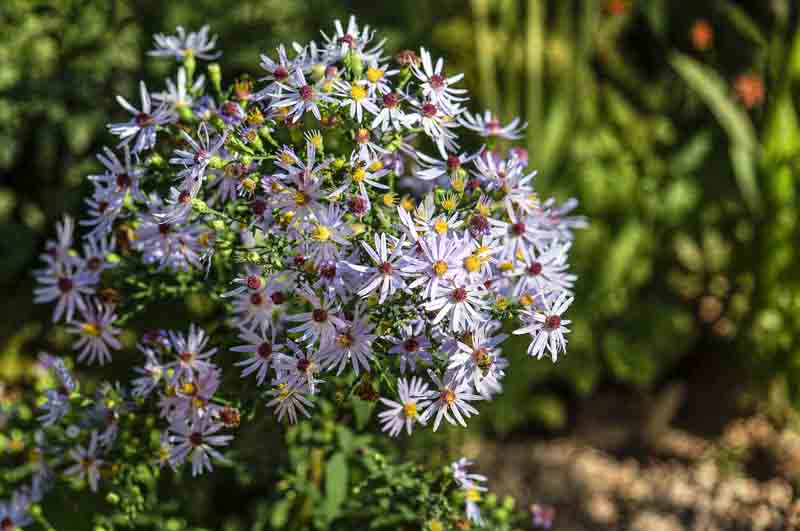


Symphyotrichum shortii, commonly known as Short’s aster, is a graceful native woodland aster that brings clouds of violet-blue daisies to late-season shade gardens, dry woodland edges, savannas, pollinator borders, and naturalized native plantings. Formerly known as Aster shortii, this easygoing perennial is prized for its soft color, upright habit, mostly smooth leaf margins, and golden flower centers that often age to reddish purple after pollination.
Symphyotrichum shortii is a native eastern and midwestern North American perennial for part shade, woodland borders, dry-mesic slopes, limestone bluffs, savannas, and naturalized pollinator gardens. It blooms from late summer into fall with violet-blue flowers that attract bees, butterflies, and other beneficial insects, followed by seeds that may support small birds.
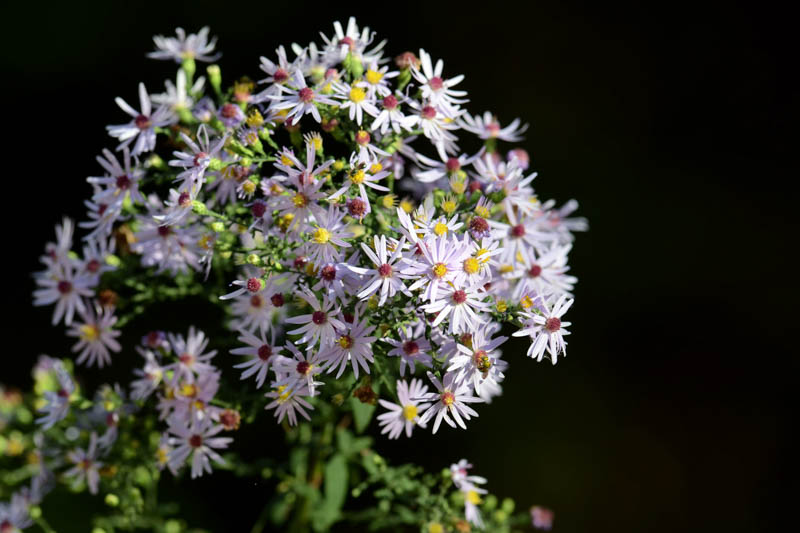
Use: Excellent for woodland gardens, dry-mesic shade borders, savanna-style plantings, native plant gardens, pollinator gardens, naturalized borders, shaded edges, and fall wildlife gardens.
Highlight: Soft violet-blue daisies bloom from late summer into fall, often when many shade plants are fading.
Design note: Best in drifts or loose colonies with sedges, woodland grasses, goldenrods, ferns, and other native asters.
| Botanical Name | Symphyotrichum shortii |
|---|---|
| Synonym | Aster shortii |
| Family | Aster family – Asteraceae |
| Common Names | Short’s aster, Short’s wood aster |
| Native Range | Native to parts of eastern and midwestern North America, especially open woods, woodland edges, thickets, rocky slopes, savannas, and limestone-influenced habitats |
| Plant Type | Herbaceous perennial wildflower |
| Hardiness | Typically USDA Zones 3-8 |
| Height | 2-3 ft. tall, occasionally taller in favorable sites |
| Spread | 1-2 ft. wide, gradually forming loose colonies by rhizomes and seed |
| Sun Exposure | Part shade, filtered sun, open shade, or full sun with adequate moisture |
| Soil | Average to dry-mesic, well-drained soil; tolerates rocky woodland soil and limestone-influenced sites |
| Bloom Time | Late summer to fall, often August to October |
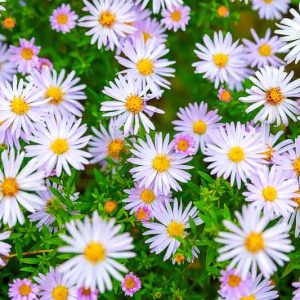
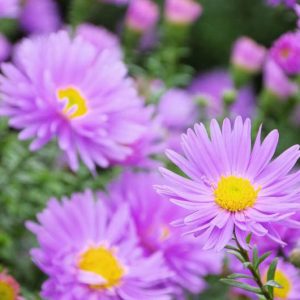
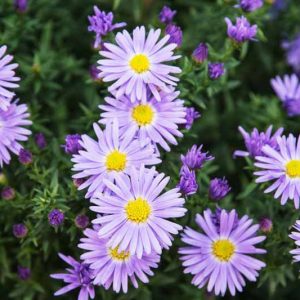
| Flower Color | Pale blue-violet to violet-blue rays with yellow centers that may age to reddish purple |
| Wildlife Value | Attracts bees, butterflies, flies, and other beneficial insects; seeds may support small birds |
| Deer Resistance | May be browsed by deer, especially young shoots and flower buds; not deer-proof |
| Maintenance Level | Low to moderate; may reseed, naturalize, or lean in rich shade |
Short’s aster is one of the most charming native asters for gardeners who want late-season color without sacrificing a natural, woodland feel. It is less coarse than some large meadow asters, more shade-tolerant than many sun-loving species, and especially useful in dry woodland gardens where fall flowers can be hard to find.
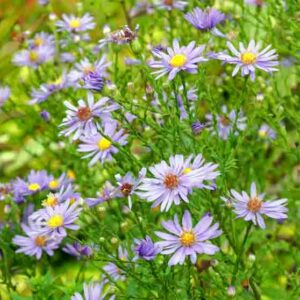
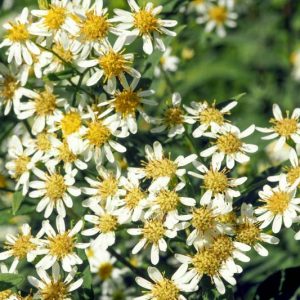
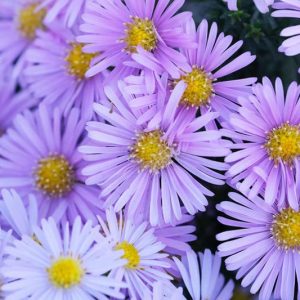
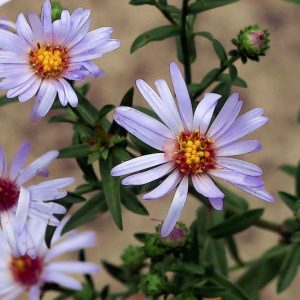
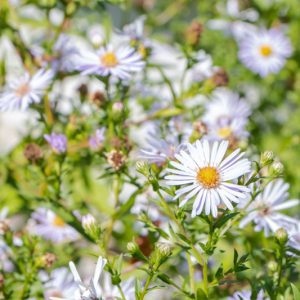
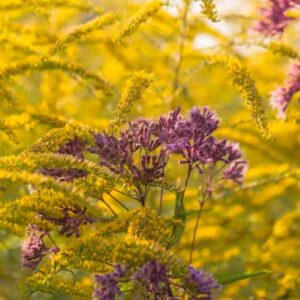
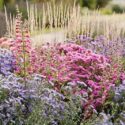
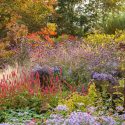
The plant produces slender, upright stems topped with branching clusters of daisy-like flowers. Each flower head usually carries pale blue-violet ray florets around a yellow disk. As the flower is pollinated, the center may shift toward brick red or reddish purple, giving the plant extra color variation and a lively, pollinator-rich look.
Good to know: Short’s aster is especially valuable because it blooms when many woodland plants are winding down. Use it to carry a native shade garden from late summer into fall.
Best uses: Short’s aster is ideal for native woodland gardens, dry-mesic shade borders, savanna plantings, pollinator gardens, naturalized fall borders, and shaded edges where late-season violet-blue flowers are desired.
Symphyotrichum shortii typically grows 2-3 feet tall with slender stems and alternate green leaves. One helpful identification feature is its mostly smooth leaf margins, which help separate it from several other woodland asters with more noticeably toothed leaves. In bloom, the plant has an airy, informal look rather than a stiff bedding-plant appearance.
Short’s aster is native to eastern and central North America. In the wild, it is often found in dry woodlands, open woods, thickets, rocky slopes, savannas, and areas with thin limestone-influenced soils. It is common in parts of its range but is most associated with intact natural communities rather than heavily disturbed urban landscapes.
Short’s aster generally blooms from late summer into fall. In many gardens, the show begins in August or September and can continue into October. This timing makes it a powerful companion for goldenrods, woodland grasses, sedges, late phlox, and other native fall flowers.
The foliage is green, alternate, and usually smoother along the edges than many similar asters. Plants are upright but relaxed, and mature clumps may form colonies over time. In richer soil or heavier shade, stems may lean, especially when loaded with flowers. In naturalistic plantings, this softness is part of the charm.
Most plants grow 2-3 feet tall and 1-2 feet wide. In fertile sites with limited competition, plants can become taller and looser. In leaner, rocky, or drier woodland soil, they often stay more compact and blend beautifully among sedges, woodland goldenrods, and spring ephemerals.
Short’s aster is typically grown in USDA Zones 3-8. It dies back to the ground in winter and returns from the crown and rhizomatous root system in spring. Leave some stems standing through winter if you want to support insects and birds, then clean up old growth in late winter or early spring.
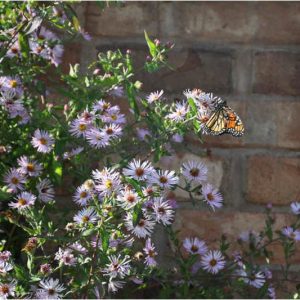
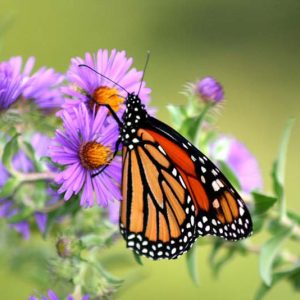
Short’s aster is a strong addition to pollinator-focused gardens. Its flowers attract bees, bumblebees, butterflies, flies, and other beneficial insects. After flowering, the seeds may be eaten by small birds. Because it blooms late, it helps extend the nectar and pollen season when pollinators are preparing for winter.
Short’s aster should not be described as deer-proof. Deer may browse asters, especially young plants, tender shoots, and flower buds in areas with high deer pressure.
For best results, place new plants among established native perennials, grasses, and sedges that help disguise tender growth. In heavily browsed areas, use temporary protection until clumps are established.
Short’s aster is more tolerant of dry woodland conditions than many moisture-loving asters. It performs best in average to dry-mesic soil that drains well. Once established, it can handle short dry spells, but flowering will be better if plants are not severely stressed during bud formation.
Best site: bright woodland shade, dappled sun, or an open edge with well-drained soil. Too much deep shade reduces bloom; overly rich soil can make stems floppy.
Where not to plant: Avoid deep, dark shade, constantly wet soil, compacted clay, or heavily fertilized beds where stems may stretch and flop.
Reliable pet-toxicity listings for Symphyotrichum shortii are limited, so it is best not to label it as pet-safe. Grow it as an ornamental and ecological native plant, and discourage pets, children, and livestock from grazing garden plants.
Short’s aster is native, not an exotic invasive plant. However, it can reseed and slowly form colonies where conditions suit it. In a naturalistic garden, that is usually welcome. In a formal border, remove unwanted seedlings and trim plants after flowering if you want to limit self-sowing.
Short’s aster prefers well-drained soil and is often associated with dry woodlands, rocky soils, limestone bluffs, thickets, and savanna-like habitats. It does not require rich garden soil. In fact, leaner soil may produce sturdier, more natural-looking plants.
For database purposes, suitable soil types include loam, chalky or limestone-influenced soil, sandy soil, and well-drained clay. Soil pH may be acidic, neutral, or alkaline, although the species is especially comfortable in limestone-influenced habitats.
Water regularly during the first growing season so roots establish well. After that, Short’s aster is fairly adaptable in average to dry-mesic soil. During extended drought, occasional deep watering will improve flowering and reduce stress.
Skip heavy fertilizer. A light top-dressing of compost in spring is usually enough. Too much nitrogen can create lush growth that leans, flops, or shades out smaller neighbors.
Use shredded leaves, leaf mold, pine straw, or fine bark to mimic woodland litter, conserve moisture, and reduce weeds. Avoid heavy mulch piled directly over the crown.
Design tip: Build a fall woodland border with Short’s aster, zigzag goldenrod, bottlebrush grass, and sedges, then test the layout in the Gardenia Design Tool before planting.
Short’s aster usually does not need staking in lean soil and bright shade. If plants lean in rich soil, let sturdy neighbors support them naturally. Goldenrods, grasses, and sedges are excellent living supports.
Pinch or cut back stems by one-third in late spring to encourage bushier growth and reduce flopping. After bloom, leave seed heads for birds or trim plants for a tidier appearance. Clean up old stems in late winter or early spring.
Pruning tip: For compact plants, pinch in late spring. For wildlife value, leave some fall stems standing and cut them back in early spring.
Winter care is minimal. Plants go dormant naturally. A light layer of leaves is beneficial, especially in woodland gardens, but avoid waterlogged winter conditions.
Short’s aster can be grown in a container, especially if you want fall color for a shaded patio or woodland-style courtyard. Use a deep pot with drainage holes and a moisture-retentive, well-aerated mix. Water more often than you would in the ground, because containers dry quickly. Divide or refresh the plant when growth becomes crowded.
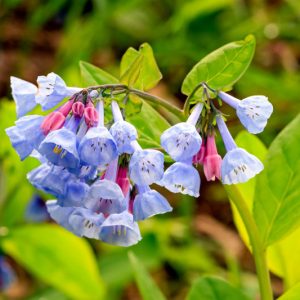
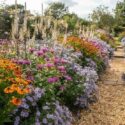
This is where Symphyotrichum shortii shines. Plant it along woodland paths, under high-branched trees, at the edge of a thicket, or in a lightly shaded native border. Combine it with spring ephemerals such as Virginia bluebells or woodland phlox, which finish early, then let Short’s aster take over the late-season show.
In a meadow or savanna-style planting, use Short’s aster where the site has filtered light, open shade, or a bright edge. It pairs especially well with goldenrods, sedges, woodland grasses, and other asters that share its preference for well-drained average to dry-mesic soil.
| Task | Best Time |
|---|---|
| Planting | Spring or fall when temperatures are mild. |
| Pinching | Late spring to early summer for bushier growth. |
| Bloom | Late summer to fall, often August through October. |
| Division | Spring or early fall. |
| Cleanup | Late winter or early spring. |
Short’s aster can be propagated by division or seed. Division is the fastest method for gardeners who want plants true to the parent. Seed is useful for naturalized plantings and restoration-style gardens.
Divide established clumps in spring or early fall. Replant divisions promptly, water well, and keep the soil lightly moist until new growth resumes.
Sow seed in late fall or winter so natural cold-moist conditions help break dormancy. For controlled propagation, follow native seed germination guidance and sow on the surface or only lightly cover, depending on seed supplier instructions.
Fast diagnostic: Few flowers usually means too much shade. Flopping usually means rich soil, low light, or lack of companion support. Browsed buds usually point to deer.
Short’s aster is generally low-maintenance. Aphids may appear on tender growth, and spider mites can occur during hot, dry stress. Slugs may browse young growth in damp shade. Leaf spotting, powdery mildew, or rust can occur on asters where air circulation is poor, but good spacing, moderate soil fertility, and healthy companion planting usually prevent serious trouble.
Short’s aster is often more woodland-friendly than sun-loving New England aster and more refined than some tall meadow asters. Compared with blue wood aster, Short’s aster often has smoother leaf margins and a more upright floral display.
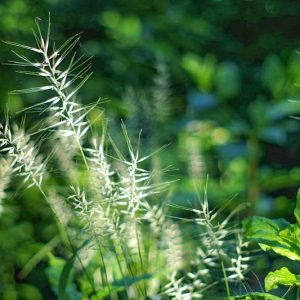
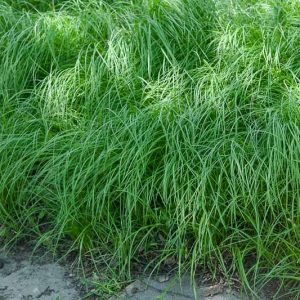
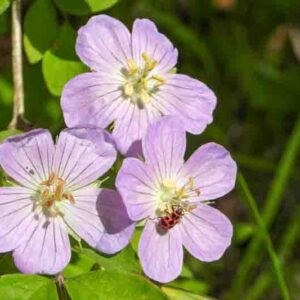
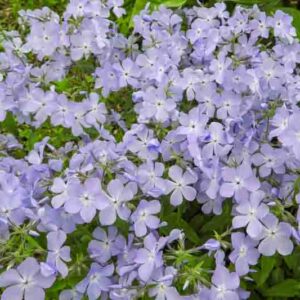
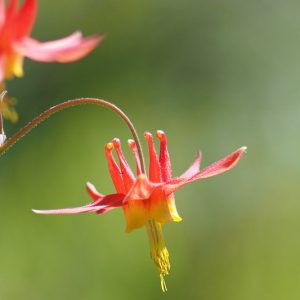
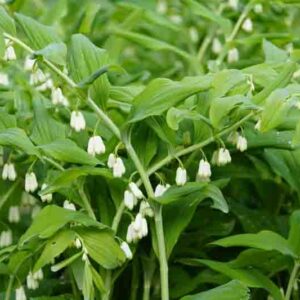
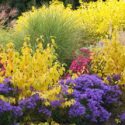
Good companions include zigzag goldenrod, blue-stemmed goldenrod, bottlebrush grass, Pennsylvania sedge, wild geranium, woodland phlox, wild columbine, Solomon’s seal, blue wood aster, white wood aster, Christmas fern, Jacob’s ladder, Virginia bluebells, and calico aster.
Use moisture-loving companions such as Virginia bluebells and Jacob’s ladder in richer, moister woodland pockets; keep Short’s aster in the average to dry-mesic, well-drained portions of the planting. For brighter woodland edges, it can also combine beautifully with native grasses, sun-tolerant asters, and goldenrods.
Symphyotrichum shortii, commonly called Short’s aster, is a native North American herbaceous perennial in the aster family.
Yes. Short’s aster is native to parts of eastern and midwestern North America.
Short’s aster usually blooms from late summer into fall, often August through October depending on region and conditions.
It typically grows 2 to 3 feet tall, occasionally reaching about 4 feet in favorable sites.
Yes. Short’s aster grows well in part shade, filtered sun, and open woodland shade, but deep shade may reduce flowering.
Yes. Its late-season flowers attract bees, butterflies, flies, and other beneficial insects.
Short’s aster is not deer-proof. Deer may browse plants, especially young shoots and flower buds.
Yes. It can slowly form loose colonies and may reseed in favorable garden conditions.
Short’s aster is native, not an exotic invasive plant, but it can naturalize where it is happy.
It prefers well-drained average to dry-mesic soil and is often associated with rocky woodland soils and limestone-influenced areas.
Yes, it can grow in full sun if soil moisture is adequate, but it is especially useful in part shade and woodland edge conditions.
It can be pinched in late spring for bushier growth, cut back after flowering for tidiness, or left standing through winter for habitat value.
Good companions include zigzag goldenrod, blue-stemmed goldenrod, bottlebrush grass, Pennsylvania sedge, wild geranium, woodland phlox, Virginia bluebells, blue wood aster, white wood aster, Christmas fern, and native woodland grasses.
Yes. Aster shortii is an older botanical name for Symphyotrichum shortii.
Yes. It pairs well with spring ephemerals because those plants finish early, while Short’s aster fills space and blooms later in the season.
Updated: April 2026 • Reviewed by Gardenia Editors
| Hardiness |
3 - 8 |
|---|---|
| Plant Type | Perennials |
| Plant Family | Compositae |
| Genus | Aster |
| Common names | Aster |
| Exposure | Partial Sun |
| Season of Interest | Summer (Late), Fall |
| Height | 2' - 3' (60cm - 90cm) |
| Spread | 1' - 2' (30cm - 60cm) |
| Spacing | 18" - 24" (50cm - 60cm) |
| Maintenance | Low |
| Water Needs | Low, Average |
| Soil Type | Chalk, Loam, Sand |
| Soil pH | Acid, Alkaline, Neutral |
| Soil Drainage | Well-Drained, Moist but Well-Drained |
| Characteristics | Showy, Cut Flowers |
| Native Plants | United States, Pennsylvania, Maryland, Northeast, Midwest, Southeast, Illinois, Indiana, Iowa, Michigan, Minnesota, Wisconsin, Mississippi, North Carolina, Tennessee, Virginia, West Virginia, Alabama, Arkansas, Florida, Georgia, Kentucky |
| Tolerance | Drought, Full Shade, Dry Soil, Salt |
| Attracts | Bees, Birds, Butterflies |
| Garden Uses | Banks And Slopes, Beds And Borders |
| Garden Styles | Butterfly Garden, Informal and Cottage, Pollinator Garden, Prairie and Meadow, Woodland Garden |


| Hardiness |
3 - 8 |
|---|---|
| Plant Type | Perennials |
| Plant Family | Compositae |
| Genus | Aster |
| Common names | Aster |
| Exposure | Partial Sun |
| Season of Interest | Summer (Late), Fall |
| Height | 2' - 3' (60cm - 90cm) |
| Spread | 1' - 2' (30cm - 60cm) |
| Spacing | 18" - 24" (50cm - 60cm) |
| Maintenance | Low |
| Water Needs | Low, Average |
| Soil Type | Chalk, Loam, Sand |
| Soil pH | Acid, Alkaline, Neutral |
| Soil Drainage | Well-Drained, Moist but Well-Drained |
| Characteristics | Showy, Cut Flowers |
| Native Plants | United States, Pennsylvania, Maryland, Northeast, Midwest, Southeast, Illinois, Indiana, Iowa, Michigan, Minnesota, Wisconsin, Mississippi, North Carolina, Tennessee, Virginia, West Virginia, Alabama, Arkansas, Florida, Georgia, Kentucky |
| Tolerance | Drought, Full Shade, Dry Soil, Salt |
| Attracts | Bees, Birds, Butterflies |
| Garden Uses | Banks And Slopes, Beds And Borders |
| Garden Styles | Butterfly Garden, Informal and Cottage, Pollinator Garden, Prairie and Meadow, Woodland Garden |
How many Symphyotrichum shortii (Short’s Aster) do I need for my garden?
| Plant | Quantity | |
|---|---|---|
| Symphyotrichum shortii (Short’s Aster) | N/A | Buy Plants |
Create a membership account to save your garden designs and to view them on any device.
Becoming a contributing member of Gardenia is easy and can be done in just a few minutes. If you provide us with your name, email address and the payment of a modest $25 annual membership fee, you will become a full member, enabling you to design and save up to 25 of your garden design ideas.
Join now and start creating your dream garden!
Create a membership account to save your garden designs and to view them on any device.
Becoming a contributing member of Gardenia is easy and can be done in just a few minutes. If you provide us with your name, email address and the payment of a modest $25 annual membership fee, you will become a full member, enabling you to design and save up to 25 of your garden design ideas.
Join now and start creating your dream garden!