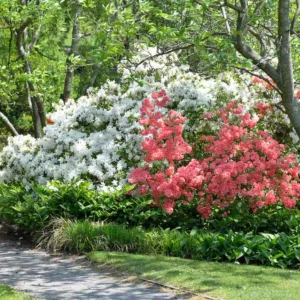
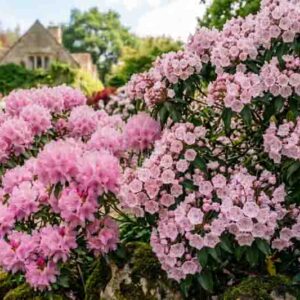
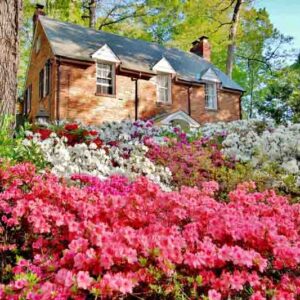
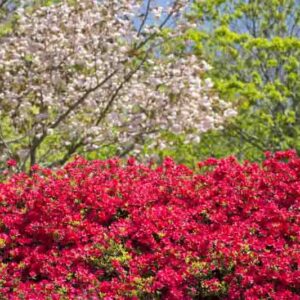
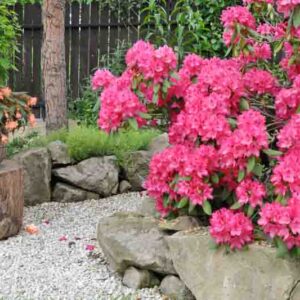
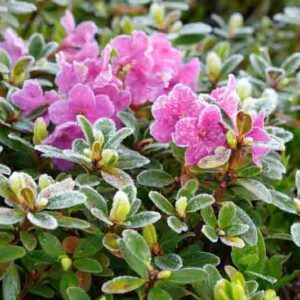
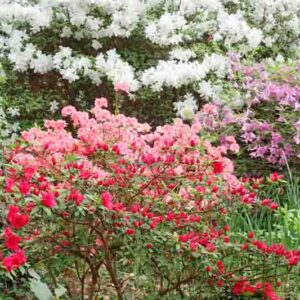
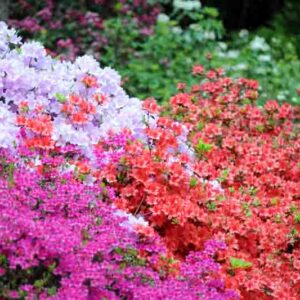
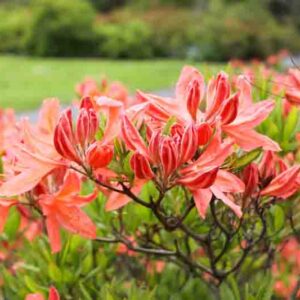
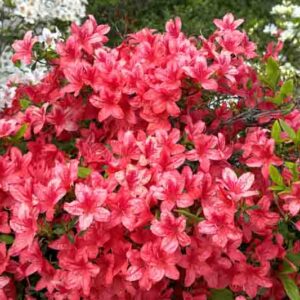
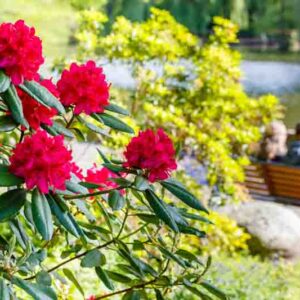
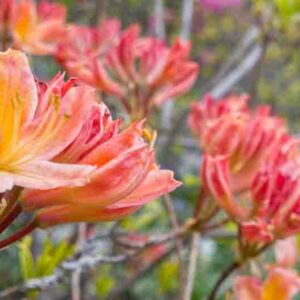
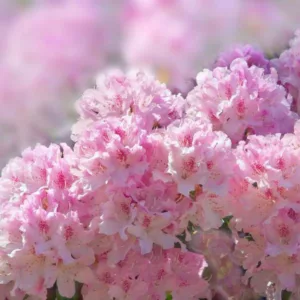
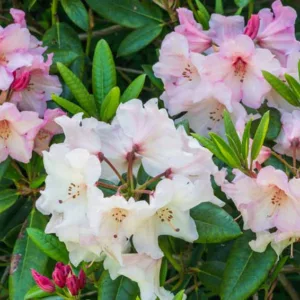
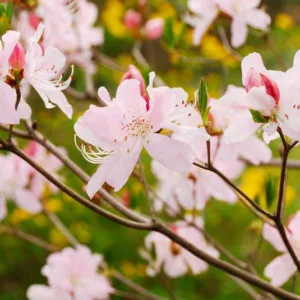
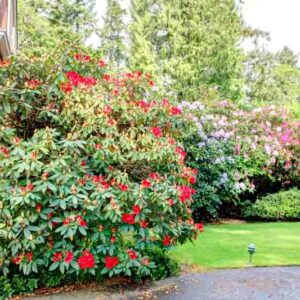
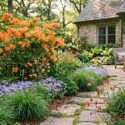
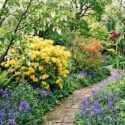
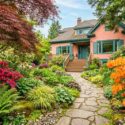
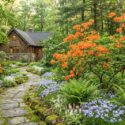
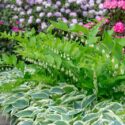
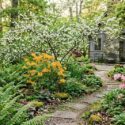
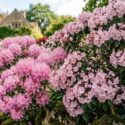
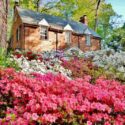
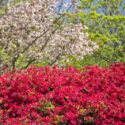
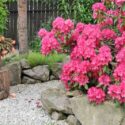
What should you plant beside azaleas and rhododendrons? From graceful ferns and colorful hostas to flowering shrubs, woodland perennials, and spring bulbs, discover companions that share their growing conditions and extend garden interest. Learn which combinations work, which to avoid, and how to create a beautiful, lasting woodland garden.


Few sights rival an azalea covered in brilliant flowers or a mature rhododendron crowned with enormous clusters of pink, purple, or white blooms. For a few glorious weeks, these shrubs steal the show. Then the flowers fade, and the plants around them suddenly matter much more.
That’s where thoughtful companion planting comes in. Hostas bring bold foliage into shady corners, ferns soften the base of evergreen shrubs, and flowering hydrangeas or Summersweet carry the display into summer. Add spring bulbs and plants with autumn color, and the garden becomes a pleasure to visit for much of the year.
But plants that look beautiful beside rhododendrons are not necessarily good companions. They must also share compatible sunlight, soil, moisture, and drainage requirements, with enough space to grow without competing heavily for resources.
Here are the best companion plants for azaleas and rhododendrons, how to combine them, and the mistakes worth avoiding.
Quick answer: Excellent companions for many azaleas and rhododendrons include Pieris, Fothergilla, suitable Hydrangeas, Hostas, Ferns, Woodland Phlox, and selected spring bulbs. Mountain Laurel, Summersweet, Astilbes, and Hellebores can also work in suitable conditions, but their soil, moisture, or safety requirements need particular attention. The best choice depends on your specific azalea or rhododendron and its growing conditions.
Azaleas belong to the genus Rhododendron, but these plants have surprisingly different growing preferences. A large-leaved evergreen rhododendron in woodland shade may need different companions from a deciduous native azalea growing along a sunny forest edge.
Before choosing companions, consider five essentials:
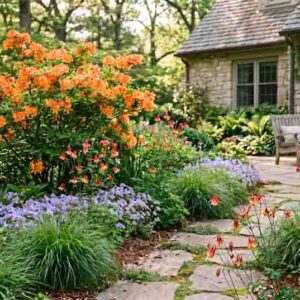
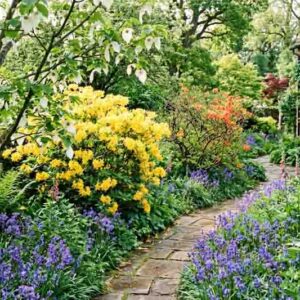
Good companions also provide visual contrast: delicate fern fronds against broad evergreen leaves, pale bulbs beneath colorful azaleas, or summer flowers that take over when the spring display ends.
For more guidance on exposure, see Gardenia’s Rhododendrons for Sun vs. Shade Guide.
Flowering shrubs provide structure, complementary blooms, and a longer season of interest. Some flower alongside rhododendrons; others take over as their blossoms fade.
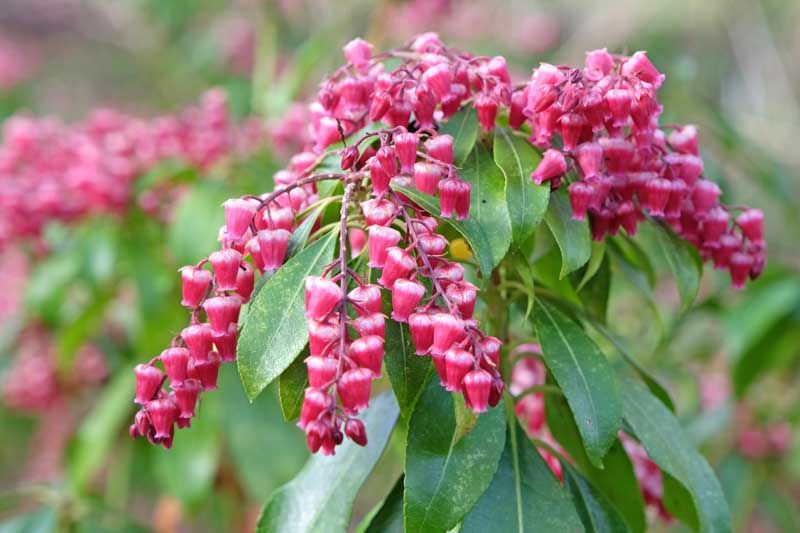
Best for: Evergreen structure, early spring flowers, and colorful new foliage.
Pieris japonica is a classic rhododendron companion. Its pendant clusters of white or pink bells often appear before many rhododendrons bloom, while selected cultivars produce striking red or bronze new leaves.
It shares their preference for acidic, humus-rich, well-drained soil and sheltered conditions. Combine white-flowered Pieris with purple rhododendrons for a particularly attractive spring display.
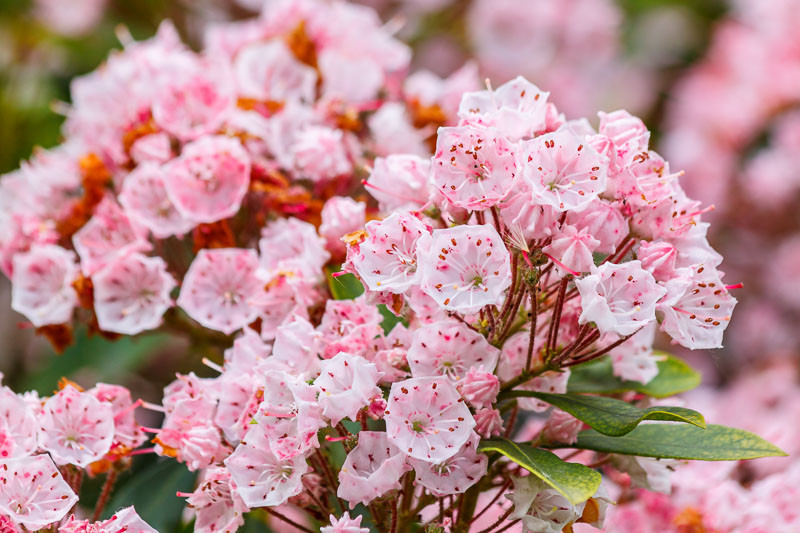
Best for: Intricately patterned late-spring flowers and evergreen woodland structure.
Mountain Laurel produces exquisite cup-shaped flowers, often marked with delicate rose or burgundy patterns. They contrast beautifully with the larger flower trusses of rhododendrons.
It grows slowly and prefers acidic, well-drained soil. However, Mountain Laurel is poisonous if eaten and has a high flammability rating, making it unsuitable within designated defensible space around homes.
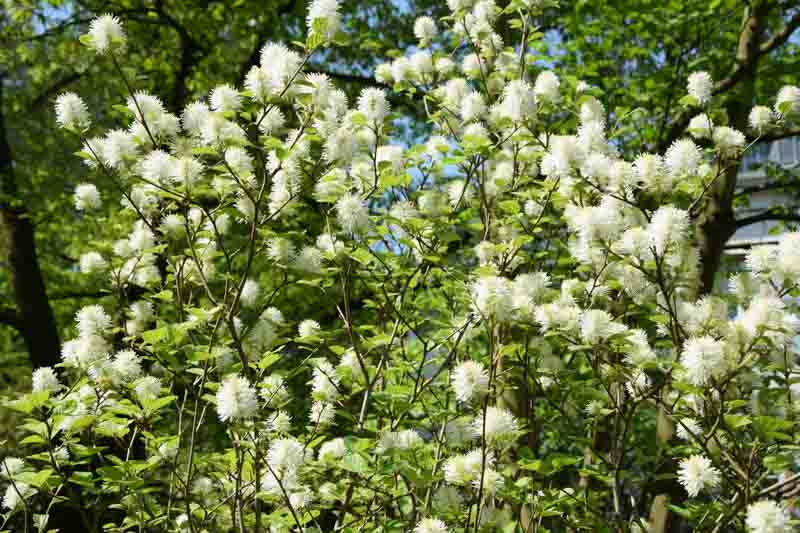
Best for: Fragrant spring flowers and colorful autumn foliage.
Fothergillas produce curious, bottlebrush-like white flowers in spring, followed by foliage that can turn spectacular shades of yellow, orange, and red in fall.
Many species and cultivars thrive in acidic, moisture-retentive but well-drained soil. Their autumn color looks especially striking against dark evergreen rhododendron leaves.

Best for: Extending the flowering season into summer.
Hydrangeas can be wonderful companions. Imagine spring-flowering pink azaleas followed by the generous summer blooms of a Bigleaf Hydrangea (Hydrangea macrophylla) in a sheltered border with morning sunshine and reliable moisture.
However, hydrangeas vary considerably. Bigleaf Hydrangeas generally appreciate partial shade in warm climates, while Smooth Hydrangeas (Hydrangea arborescens) are often more adaptable to soil pH. Both need sufficient water and space, and their sunlight requirements differ by cultivar and climate.
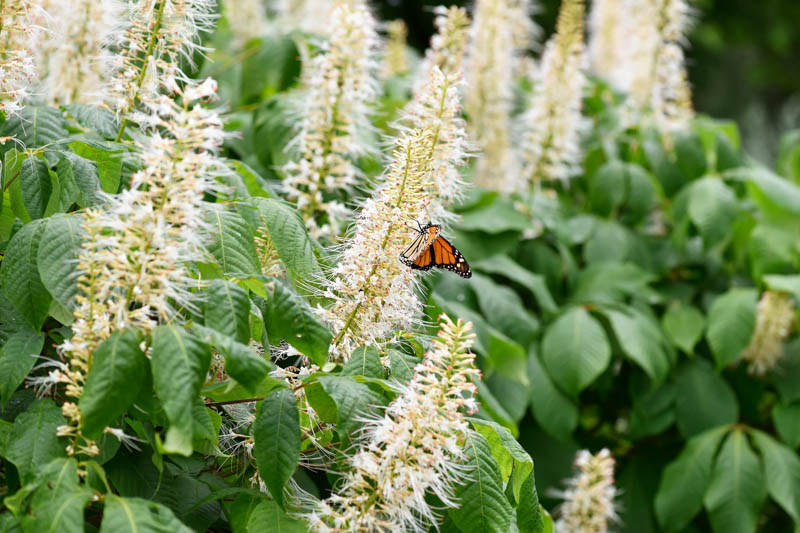
Best for: Fragrant summer flowers and moist acidic borders.
Summersweet produces fragrant white or pink flower spikes that attract bees and other pollinators after many azaleas have finished blooming. Its foliage often turns yellow in autumn.
Unlike most rhododendrons, Summersweet tolerates wet soil. Position it in a naturally moist part of the border rather than assuming both shrubs need identical drainage.
Important: Sharing a preference for acidic soil does not mean two plants have identical water needs. Summersweet tolerates wetter ground, while Hydrangeas may need additional summer watering. Match moisture requirements before planting.
Discover more selections in Gardenia’s Best Shrubs as Companion Plants for Azaleas and Rhododendrons.
Flowers attract attention in spring, but foliage carries a woodland garden through the rest of the growing season. Hostas and ferns provide the contrasting textures that make rhododendron borders look rich and established.
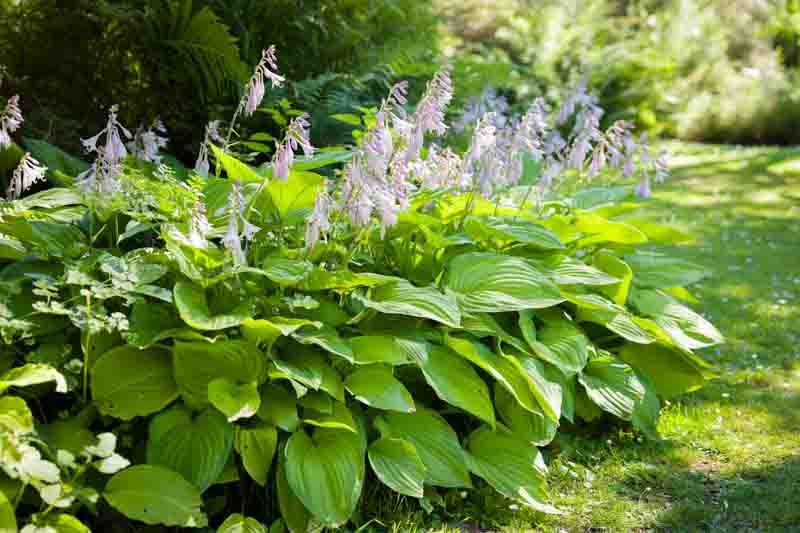
Hostas are among the most satisfying companions for large-leaved rhododendrons. Their arching foliage contrasts beautifully with leathery evergreen leaves.
Hostas generally prefer fertile, moisture-retentive but well-drained soil. Watch for dry root competition, slugs, snails, and deer.
Explore Gardenia’s Hostas for Azaleas and Rhododendrons for additional cultivars.
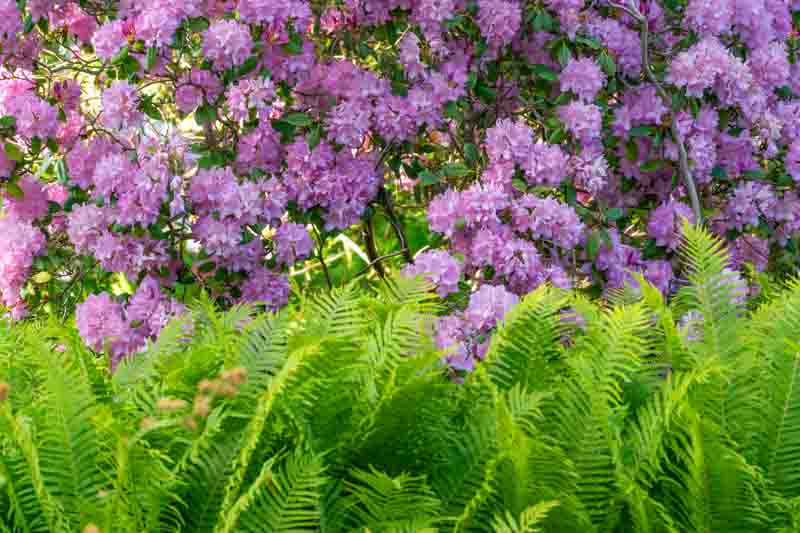
Fern fronds soften the broad evergreen leaves of rhododendrons and create the relaxed appearance of a natural woodland floor.
Choose the species carefully. Lady Fern generally needs more moisture than Christmas Fern, while Japanese Painted Fern appreciates a sheltered, shaded position.
See Gardenia’s Ferns for Azaleas and Rhododendrons.
Woodland perennials bring flowers at different heights and seasons, filling the spaces between shrubs without overwhelming them.
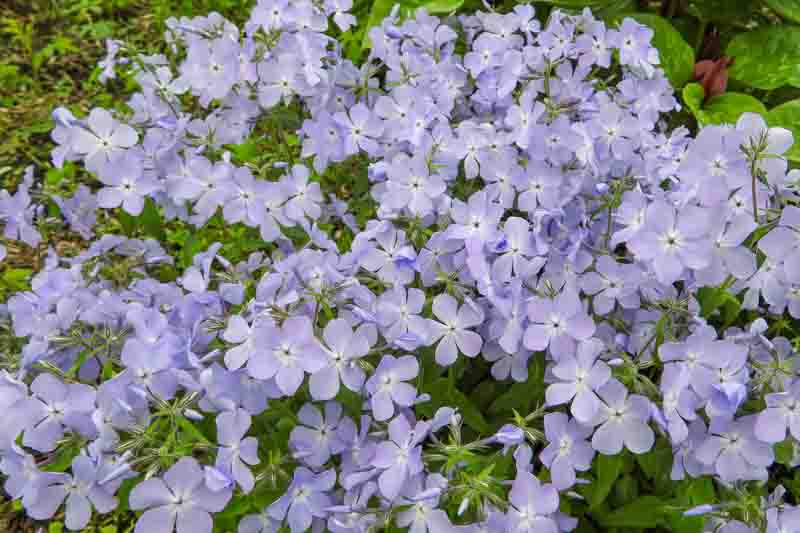
Best for: Fragrant spring flowers and naturalistic woodland borders.
Woodland Phlox produces loose clusters of lavender-blue flowers that look beautiful alongside native deciduous azaleas. It prefers humus-rich, well-drained soil with adequate moisture and partial shade. Give it enough light rather than planting it beneath a dense evergreen canopy.
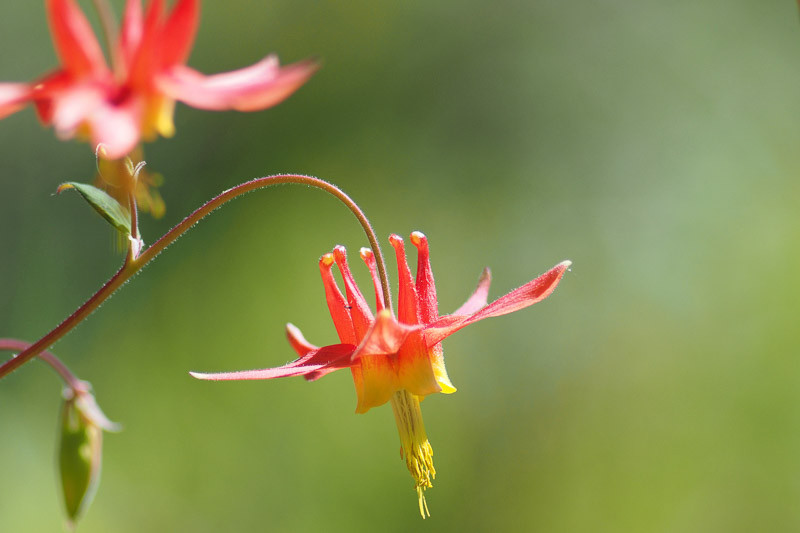
Best for: Airy spring flowers and native woodland-edge plantings.
The red-and-yellow flowers of Wild Columbine hover above delicate foliage, creating a lovely contrast with yellow or orange native azaleas. This North American native grows well in many partially shaded, well-drained sites and suits informal woodland combinations.
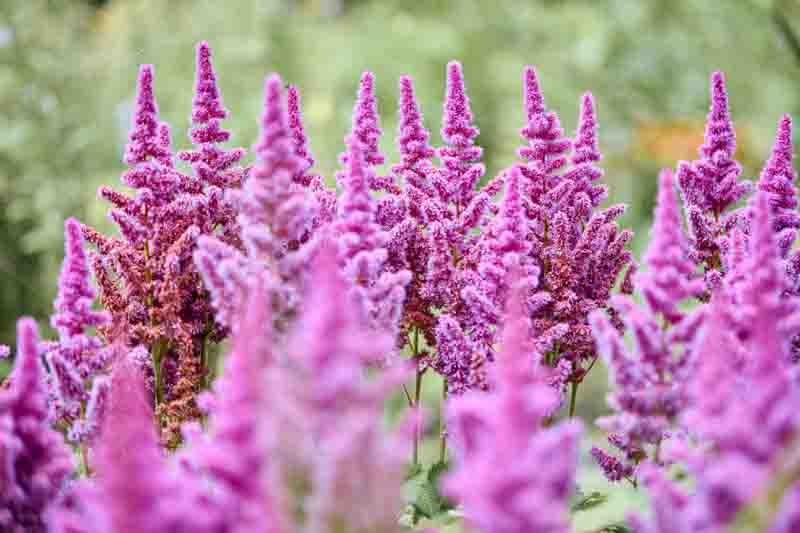
Best for: Feathery summer plumes in white, pink, red, and lavender.
Astilbes bring color after spring-flowering rhododendrons have finished. Their upright flowers contrast beautifully with rounded shrubs and bold foliage.
However, Astilbes need consistently moist soil and may develop brown leaf edges in hot, dry conditions. Avoid planting them beneath thirsty trees or in a dry rhododendron border.
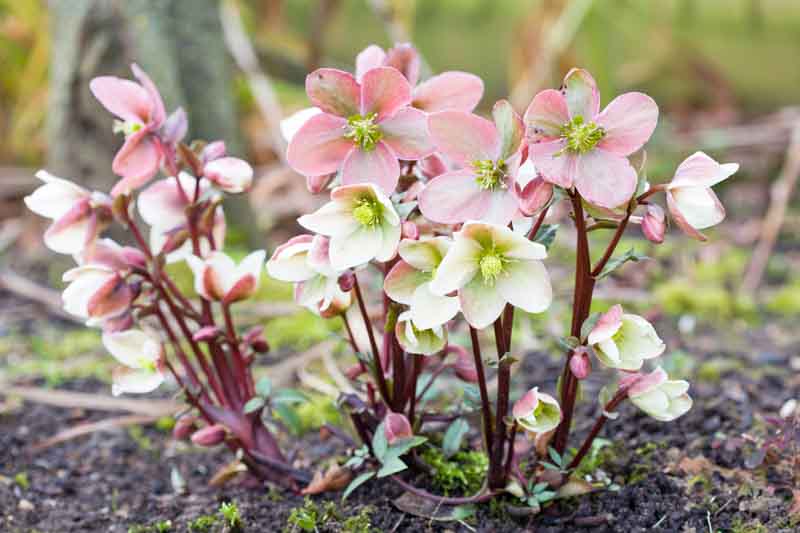
Best for: Late-winter flowers along woodland borders.
Hellebores offer welcome color before most azaleas and rhododendrons bloom. Their nodding flowers and handsome foliage are attractive beside paths.
However, many popular Lenten Roses, including Helleborus orientalis and related hybrids, prefer neutral to alkaline soil. Some tolerate mildly acidic conditions, but they are not universal companions for strongly acidic rhododendron beds.
Remember: Shade tolerance does not necessarily mean acid tolerance. If a perennial prefers a different soil pH from your rhododendron, consider a separate planting pocket or another companion.
Find additional ideas in Gardenia’s Bulbs and Perennials for Azaleas and Rhododendrons.
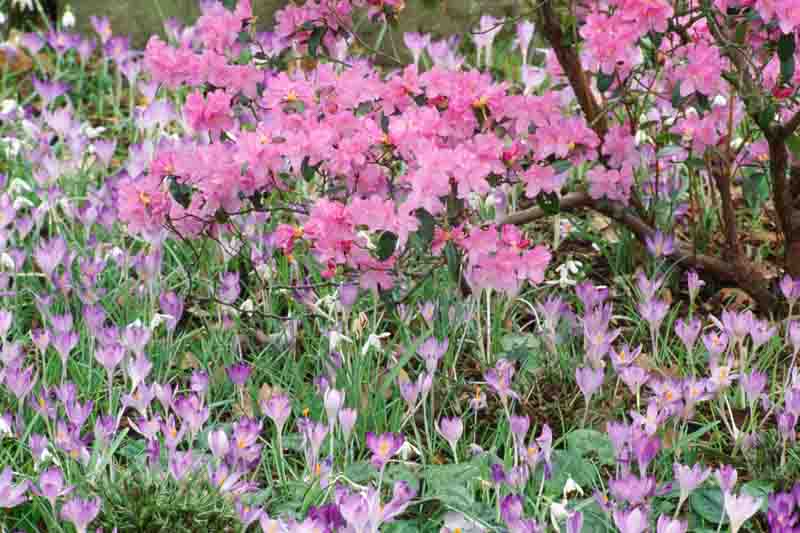
Early bulbs brighten the garden before rhododendrons reach their flowering peak. They are especially effective around deciduous azaleas, where spring sunlight can reach the ground before neighboring foliage fills out.
Many bulbs need adequate light during active growth and good drainage during dormancy. Some grape hyacinths spread freely in suitable climates, so select species carefully.
Plant bulbs around the outer edges of established rhododendrons rather than digging through their shallow roots. In new gardens, install bulbs before shrubs become large.
Rather than trying to make everything flower together, combine plants that offer successive periods of interest. A thoughtfully planted border can be attractive long after the rhododendrons finish blooming.
| Season | Companions to Consider | What They Add |
|---|---|---|
| Late winter | Snowdrops, suitable Hellebores, winter-flowering Witch Hazels | Early flowers and welcome color |
| Spring | Pieris, Woodland Phlox, Daffodils, Columbines | Layers of flowers and fresh foliage |
| Summer | Hydrangeas, Summersweet, Astilbes, Hostas | Summer flowers, fragrance, and foliage |
| Fall | Fothergilla, deciduous Azaleas, suitable Witch Hazels | Brilliant yellow, orange, and red foliage |
| Winter | Pieris, Christmas Fern, evergreen Rhododendrons | Structure and lasting foliage |
Blooming seasons vary with climate and cultivar. Witch Hazels, for example, may require more light and room than a densely shaded rhododendron border provides. Choose plants according to your particular site.
A deciduous azalea growing along a bright woodland edge and a large evergreen rhododendron beneath mature trees may need very different neighbors.
These shrubs often develop dense canopies and cast considerable shade as they mature. Their broad foliage provides a strong visual framework.
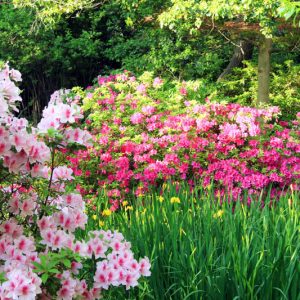
Many deciduous azaleas have a more open habit and tolerate brighter woodland-edge conditions. Their spring flowers rise beautifully above drifts of low-growing perennials.
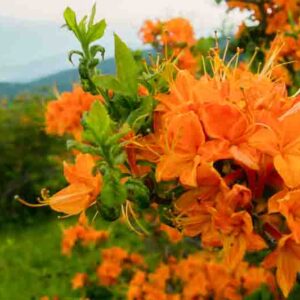
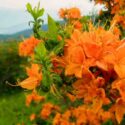
Flame Azalea (Rhododendron calendulaceum) may suit a brighter woodland edge, while Rosebay Rhododendron (Rhododendron maximum) is often happier in a sheltered, moisture-retentive woodland setting. Their companions should reflect those differences.
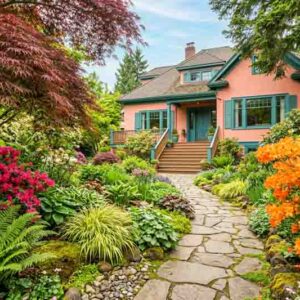
A photograph may show a beautiful combination, but it cannot reveal the soil acidity, summer moisture, root competition, or eventual size of every plant. These details determine whether the planting will still look good years later.
| Combination | Why It May Fail | Better Approach |
|---|---|---|
| Rhododendron + Astilbe | Astilbes suffer when summer soil moisture is insufficient. | Choose reliably moist, well-drained soil with adequate water for both plants. |
| Rhododendron + Hellebore | Many Lenten Roses prefer neutral to alkaline rather than strongly acidic soil. | Check soil pH requirements or use a different planting pocket. |
| Rhododendron + Daffodils | Bulbs may receive too little light beneath dense evergreen foliage. | Plant toward brighter border edges with adequate drainage. |
| Rhododendron + Summersweet | Summersweet tolerates wetter soil than most rhododendrons. | Place Summersweet in damper ground and rhododendrons in better-drained soil. |
| Rhododendron + Hosta | Dry soil and dense roots beneath mature shrubs restrict Hosta growth. | Plant beyond crowded inner roots and maintain soil moisture. |
| Rhododendron + Hydrangea | Mature plants may compete for space and water; sunlight needs may differ. | Compare actual cultivars and allow for full mature spread. |
None of these combinations is automatically wrong. Each can succeed when the plants and growing conditions are compatible. The mistake is assuming visual appeal alone guarantees success. Explore Gardenia Design Ideas with Azaleas and Rhododendrons.
Good companion planting also depends on spacing and placement. Start with the shrubs’ mature dimensions, then arrange lower-growing plants around them.
Classic Shaded Evergreen Border: A large-leaved evergreen rhododendron with Pieris, Christmas Fern, and blue Hostas. Evergreen structure and contrasting foliage maintain interest beyond spring.
Native Spring Woodland Edge: A locally appropriate deciduous azalea with Woodland Phlox, Wild Columbine, and compatible native ferns. The effect is relaxed, colorful, and naturalistic.
Long-Season Flowering Border: A suitable rhododendron with Fothergilla, a Bigleaf Hydrangea, and ferns. Spring flowers lead into summer blooms and autumn foliage where their growing requirements overlap.
The best companions depend on the actual species or cultivar you’re growing. Gardenia’s Plant Finder helps you discover plants suited to your hardiness zone, sunlight, soil pH, drainage, and moisture conditions.
Save your choices, then use the Garden Design Tool to compare growing-condition compatibility, mature sizes, seasonal interest, and planting quantities before you plant.
Good companions include Pieris, Fothergilla, Hostas, ferns, Woodland Phlox, suitable Hydrangeas, and selected spring bulbs. Mountain Laurel, Summersweet, Astilbes, and Hellebores may also work when their growing requirements are compatible.
Yes. Suitable Hydrangeas can grow alongside rhododendrons in moist, well-drained soil and appropriate sunlight. Check individual species and cultivars, provide enough water, and allow room for their mature spread.
Yes, Hostas are attractive companions in partial shade and consistently moist, well-drained soil. Avoid planting among dense established shrub roots or in extremely dry shade.
Sometimes. Hellebores provide attractive late-winter flowers, but many Lenten Roses prefer neutral to alkaline soil rather than strongly acidic conditions. Check the specific plant’s soil requirements.
Christmas Fern, Lady Fern, Autumn Fern, and Japanese Painted Fern are attractive possibilities for suitable woodland gardens. Their shade, moisture, hardiness, and drainage requirements differ.
Snowdrops, Crocuses, Daffodils, and Grape Hyacinths add early spring color near azaleas. Choose positions with adequate light and drainage, and avoid disturbing established roots.
Avoid aggressive spreading plants, strong root competitors, and species needing incompatible soil pH, moisture, or drainage conditions. Allow sufficient room for shrubs to reach their mature size.
The most beautiful rhododendron borders aren’t necessarily filled with the greatest number of plants. A few carefully chosen companions can provide spring flowers, summer color, rich foliage, and autumn interest while allowing the shrubs to develop naturally. Choose plants for the conditions they share, then let their differences in texture, height, and flowering season bring the garden to life.
Updated and reviewed by Gardenia: October 2026
| Hardiness |
3 - 10 |
|---|---|
| Plant Type | Shrubs |
| Genus | Rhododendron |
| Exposure | Partial Sun |
| Season of Interest | Spring (Early, Mid, Late), Summer (Early, Mid, Late), Fall |
| Maintenance | Low |
| Water Needs | Average |
| Soil Type | Clay, Loam, Sand |
| Soil pH | Acid |
| Soil Drainage | Moist but Well-Drained |
| Characteristics | Showy |
| Tolerances | Rabbit |
| Attracts | Butterflies, Hummingbirds |
| Landscaping Ideas | Beds And Borders, Hedges And Screens, Patio And Containers, Wall-Side Borders |
| Garden Styles | City and Courtyard, Informal and Cottage, Japanese Garden, Traditional Garden |
Create a membership account to save your garden designs and to view them on any device.
Becoming a contributing member of Gardenia is easy and can be done in just a few minutes. If you provide us with your name, email address and the payment of a modest $25 annual membership fee, you will become a full member, enabling you to design and save up to 25 of your garden design ideas.
Join now and start creating your dream garden!