Discover what grows best beside garlic, from lettuce, spinach, and beets to flowers and culinary herbs. Learn why peas and beans deserve caution, whether garlic really repels pests, and how to plan around its long growing season. Includes Gardenia's original companion matrix and a practical raised-bed planting plan.
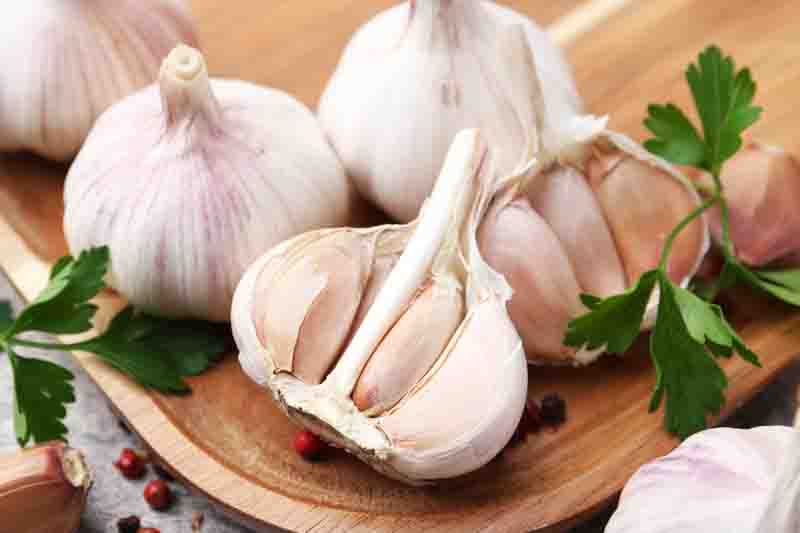


What should you plant next to garlic? Lettuce, carrots, tomatoes, strawberries, and even roses appear on lists of good garlic companions. Beans and peas, meanwhile, are often described as plants to avoid. But how much of this advice is supported by evidence?
Garlic’s long growing season makes garlic companion planting different from pairing tomatoes with basil. In many climates, cloves are planted in autumn and harvested the following summer. The best companions fit this calendar without competing heavily for sunlight, moisture, or root space.
Some offer a quick harvest before garlic bulbs swell. Others bring beneficial insects to nearby borders, while certain crops are better planted after garlic has been lifted.
Discover the best and worst companion plants for garlic, what research reveals, and how to create a productive garden from autumn planting to summer harvest.
Quick Answer: The most practical garlic companions include lettuce, spinach, early radishes, beets, and carefully spaced carrots. Sweet alyssum, calendula, and flowering herbs work well in nearby borders. Tomatoes, peppers, and strawberries can grow near garlic with adequate space. Beans and peas are not universally incompatible, although planting arrangements matter. Avoid crowding garlic with plants that interfere with bulb development or harvesting.
Garlic (Allium sativum) belongs to the amaryllis family, alongside onions, leeks, shallots, and chives. It grows best in full sun, fertile, well-drained soil, with little competition from neighboring plants.
Gardenia’s Garlic Companion Planting Matrix evaluates potential neighbors by growing requirements, seasonal timing, mature size, and available research. Garlic’s bulb formation depends partly on day length and temperature, so local conditions also matter.
| Plant | Gardenia’s Assessment | Best Placement | Why It Matters |
|---|---|---|---|
| Lettuce | Excellent seasonal crop | Outside garlic rows; autumn or spring | Harvested before garlic needs maximum space |
| Spinach | Good cool-season choice | Adjacent short row or container | Early harvest; avoid dense foliage around garlic |
| Radishes | Excellent quick crop | Outer edge or separate row | Short growing period; harvest carefully |
| Beets | Compatible with spacing | Neighboring row | Cool-season crop; allow room for roots |
| Carrots | Useful but conditional | Separate accessible row | Compatible season; lifting roots can disturb bulbs |
| Tomatoes | Good nearby with planning | Adjacent growing area | Summer growth can shade and crowd garlic |
| Peppers | Good seasonal neighbor | Separate summer row or bed | Garlic may finish as peppers expand |
| Strawberries | Conditional; research varies | Outside permanent strawberry rows | Crowns, runners and harvesting need space |
| Sweet alyssum | Useful insectary flower | Sunny outside border | Floral resources; no proven bulb-yield benefit |
| Peas | Grow with caution | Separate row or supported trellis | Competition and planting arrangement matter |
| Beans | Conditional; good succession option | Separate area or after garlic harvest | Not universally incompatible; seasonal separation is simple |
| Fava beans | Research-supported conditional intercrop | Well-planned alternating strips | Field studies show spacing-dependent competition and land-use benefits |
| Onions and leeks | Similar needs; disease caution | Adjacent rows if necessary | Shared allium pests and soilborne diseases |
| Large brassicas | Better in separate blocks | Beyond the garlic foliage | Large leaves can shade garlic |
| Potatoes and sprawling squash | Separate growing areas preferred | Away from garlic rows | Harvest disturbance, competition and shade |
How Gardenia evaluates garlic companions: These classifications consider seasonal cropping, growing compatibility, competition, disease management, and relevant research. They are editorial recommendations, not measured yield scores. Results may vary with climate, soil, and planting arrangement.
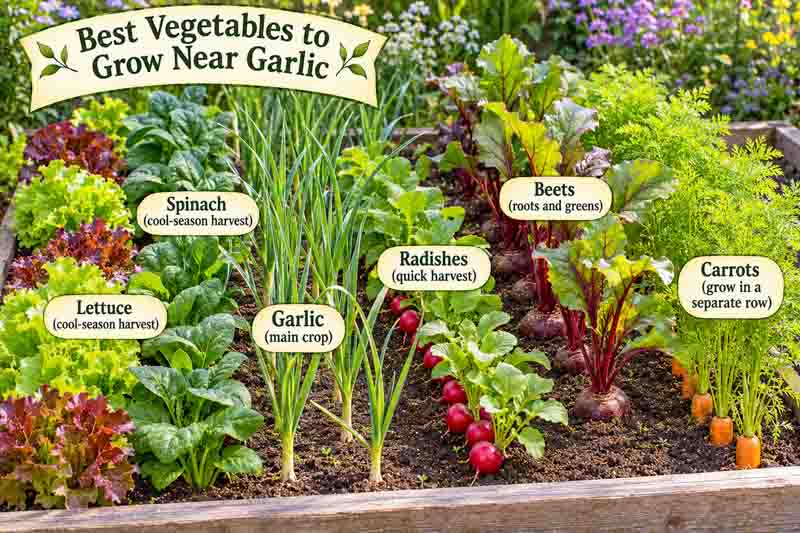
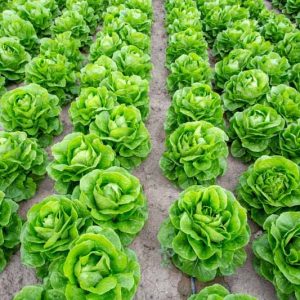
A freshly planted garlic bed may look bare, but its cloves need room to develop. Lettuce and spinach provide useful cool-season harvests when grown in adjacent rows or containers.
In mild climates, leafy greens may grow through autumn and winter; in colder regions, early spring is more practical. Harvest before they compete with garlic. See Gardenia’s Lettuce Companion Planting Guide for more ideas.
Radishes (Raphanus sativus) mature within weeks in suitable cool weather. Sow them in an outside strip or separate row, harvesting carefully before garlic needs more space. Their value is an extra crop, not proven pest protection.
Beets can share garlic’s cool-season growing period. Their edible roots and colorful leaves make an appealing addition to a vegetable garden.
Plant them in a neighboring row, allowing enough space for roots to develop. Harvest carefully to avoid disturbing nearby garlic.
Carrots can grow near garlic during suitable cool seasons, but they need thinning and root harvesting. Give them a distinct, accessible row rather than sowing among established cloves.
Garlic’s odor is sometimes credited with deterring carrot flies, but proximity alone is not dependable protection. Explore Gardenia’s Carrot Companion Planting Guide for more combinations.
| Hardiness |
4 - 9 |
|---|---|
| Climate Zones | 1, 1A, 1B, 2, 2A, 2B, 3, 3A, 3B, 4, 5, 6, 7, 8, 9, 10, 11, 12, 13, 14, 15, 16, 17, 18, 19, 20, 21, 22, 23, 24, A2, A3, H1, H2 |
| Plant Type | Bulbs, Herbs |
| Plant Family | Amaryllidaceae |
| Genus | Allium |
| Exposure | Full Sun |
| Season of Interest | Spring (Mid, Late), Summer (Early, Mid, Late) |
| Height | 1' - 2' (30cm - 60cm) |
| Spread | 10" - 1' (25cm - 30cm) |
| Spacing | 6" (15cm) |
| Depth | 2" (5cm) |
| Maintenance | Low |
| Water Needs | Average |
| Soil Type | Chalk, Loam, Sand |
| Soil pH | Alkaline, Neutral |
| Soil Drainage | Well-Drained |
| Characteristics | Fragrant |
| Tolerances | Deer, Rabbit |
| Attracts | Bees, Butterflies |
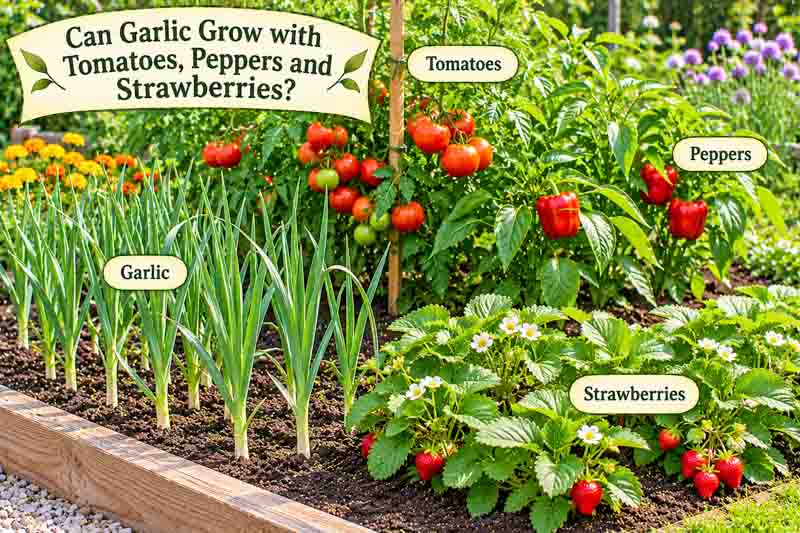
Tomatoes and garlic can grow in neighboring areas, especially when autumn-planted garlic is established before tomatoes are transplanted in spring.
As tomato vines expand, they create shade and compete for water. Keep garlic in a sunny, accessible row beyond the mature tomato canopy so the bulbs remain easy to harvest. Explore Gardenia’s Tomato Companion Planting Guide for more ideas.
Bell peppers, jalapeños, and other peppers are warm-season crops, often transplanted as garlic approaches maturity. They can grow nearby with adequate sunlight, moisture, and spacing, but mature pepper branches should not shade garlic or obstruct harvesting.
Where garlic is harvested early enough, the cleared bed may support another summer crop. This is succession planting rather than simultaneous companion planting.
Some companion planting guides claim garlic protects strawberries from pests and diseases; others warn that it inhibits their growth. Neither claim is universally supported. Results depend on the growing system, plant varieties, and local conditions, and experiments involving garlic extracts do not necessarily reflect ordinary garden planting.
Because strawberries have perennial crowns and spreading runners, inserting garlic among established plants can complicate maintenance and harvesting. A separate but nearby row is usually more practical. Explore Gardenia’s Strawberry Companion Planting Guide.
Gardenia’s practical recommendation: When crops have different growing or harvesting schedules, neighboring rows are often more successful than close interplanting. This is especially useful for garlic with tomatoes, peppers, and strawberries.
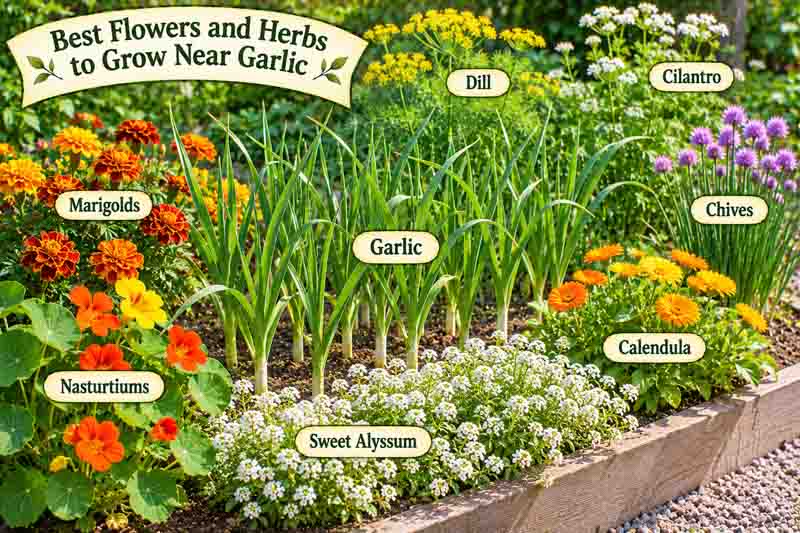
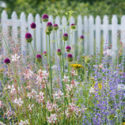
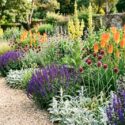
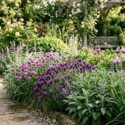
A flowering border adds color and provides resources for visiting insects without crowding garlic’s growing space.
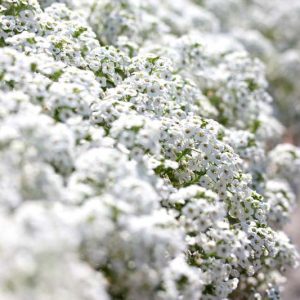
Sweet alyssum produces nectar-rich flowers visited by certain hoverflies and parasitoid wasps. Its low habit makes it an attractive garlic-bed edging plant.
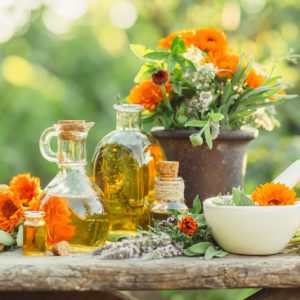
Calendula brings cheerful yellow and orange flowers during mild weather. Keep both plants outside garlic rows to preserve light and harvesting access.
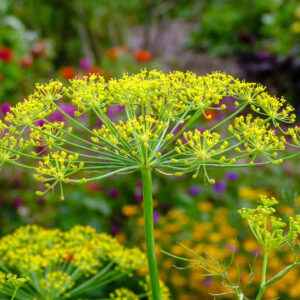
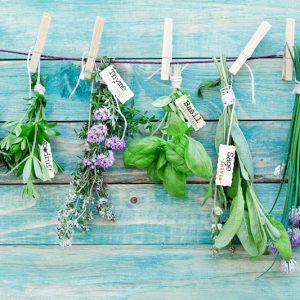
Dill offers airy yellow flower umbels, while cilantro develops small white flowers as it bolts. Both provide resources for visiting insects.
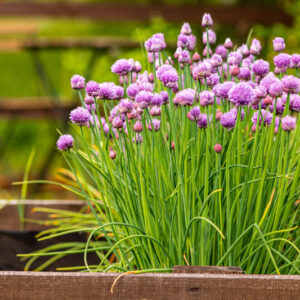
Chives add edible leaves and purple spring flowers. However, they share certain pests and diseases with garlic, so avoid repeatedly growing these alliums in soil with a history of disease.
Marigolds offer vivid summer flowers. Certain species suppress specific nematodes under particular growing conditions, but planting a few marigolds beside garlic does not guarantee pest control.
Nasturtiums provide edible flowers and rounded foliage. Keep trailing varieties away from garlic leaves to prevent overcrowding.
Explore Gardenia’s Companion Planting with Herbs and Companion Planting with Annuals for additional combinations.
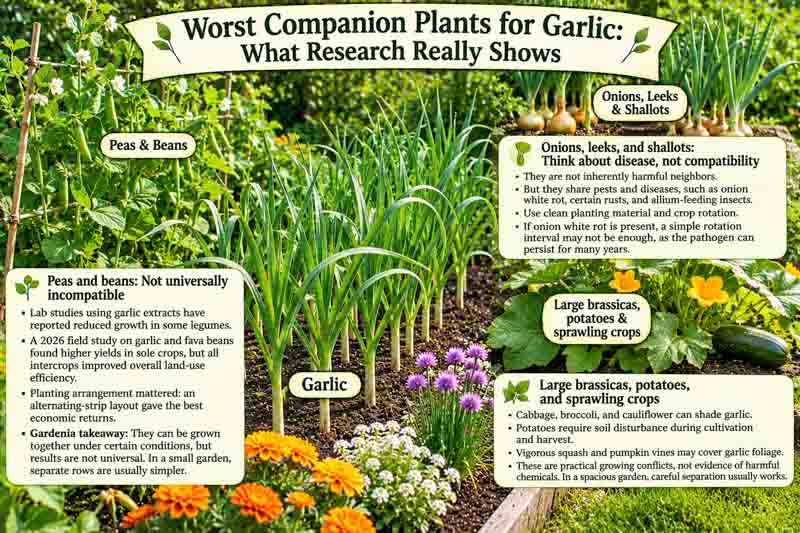
Garlic is often described as incompatible with peas, beans, asparagus, and other vegetables. But traditional lists rarely distinguish proven plant interactions from competition for sunlight, water, and growing space.
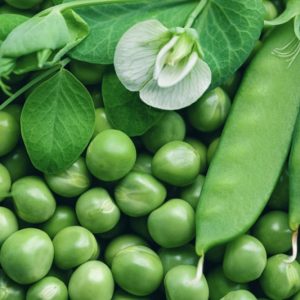
Some experiments using concentrated garlic extracts have reported reduced growth or root nodulation in certain legumes. However, these results do not establish that living garlic plants invariably harm neighboring peas or beans.
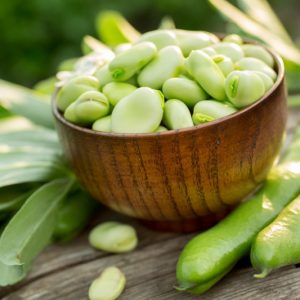
A 2026 study published in Scientific Reports examined garlic and fava beans grown in different arrangements over two seasons. Although sole cropping produced higher individual crop yields, the tested intercrops improved overall land-use efficiency. The most favorable alternating-strip arrangement also delivered the best economic returns among the intercrops studied.
Garlic was the stronger competitor, demonstrating that planting arrangement matters more than blanket claims of compatibility or incompatibility.
Gardenia’s research takeaway: Garlic and fava beans can be intercropped successfully under suitable conditions, but improved total land productivity does not necessarily mean higher yields for either individual crop. These findings should not automatically be applied to garden peas, bush beans, or pole beans.
In small gardens, growing peas and beans in separate rows is often simpler. Where the growing season permits, bush beans can also follow garlic after harvest.
Onions, leeks, shallots, and garlic have similar growing requirements and are not inherently harmful neighbors. However, they share pests and diseases, including onion white rot, certain rusts, and allium-feeding insects.
Use clean planting material and appropriate crop rotation. Onion white rot can persist in soil for many years, so short rotations may not control an established infection.
Cabbage, broccoli, and cauliflower can shade garlic with their broad leaves. Potatoes require soil disturbance during cultivation and harvest, while vigorous squash and pumpkin vines may smother garlic foliage.
These are practical growing conflicts, not evidence of harmful chemical interactions. In a spacious garden, adequate separation usually resolves them.
Garlic contains sulfur compounds with biological activity, and some garlic extracts have demonstrated effects against particular pests or pathogens. Certain garlic intercropping systems have also produced measurable results.
However, growing garlic beside another plant is not the same as applying a concentrated garlic extract. The compounds, concentrations, and methods of exposure differ considerably. Planting garlic near roses, tomatoes, or cabbage does not guarantee protection against aphids, slugs, beetles, or fungal diseases.
Garlic itself may suffer from allium rust, onion white rot, downy mildew, allium leafminers, and thrips. Healthy planting stock, good drainage, and appropriate pest management remain more dependable than untested companion combinations.
For broader guidance, explore Gardenia’s Complete Companion Planting Guide.
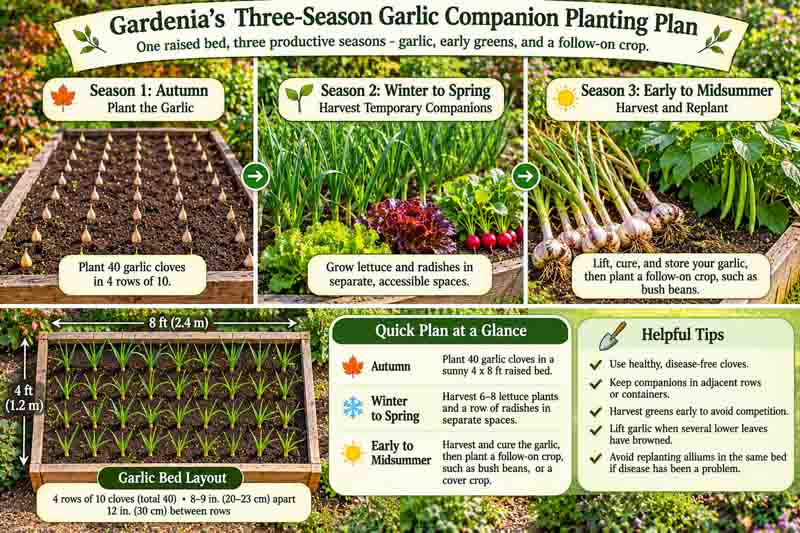
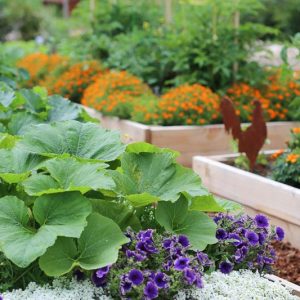
Garlic’s long growing season creates opportunities for several harvests. Gardenia’s Three-Season Garlic Garden uses a sunny 4 x 8 ft raised bed for garlic, with cool-season vegetables growing nearby and another crop following harvest where conditions permit.
40 garlic cloves: Plant four rows of ten, approximately 8-9 inches apart within rows and 12 inches between rows. Leave adequate clearance at the bed edges, adjusting spacing for the variety and local recommendations.
Choose healthy, locally adapted hardneck or softneck garlic. Plant pointed-end up at the recommended depth and mulch where appropriate. Autumn planting is common in temperate climates, although schedules vary by region.
6-8 leaf lettuce plants: Grow in an adjacent strip or containers, with a short row of radishes nearby. In mild climates, winter harvests may be possible; colder regions generally favor spring planting.
Keep these companions outside the main 40-clove area so garlic has sufficient space for root and bulb development.
Garlic is generally ready when several lower leaves have browned while some upper leaves remain green. Carefully lift the bulbs and cure them in a dry, shaded, well-ventilated location. Reduce watering as harvest approaches.
After harvest: Where the remaining growing season is long enough, plant short-season bush beans. Otherwise, choose a suitable cover crop or prepare the bed for autumn vegetables. Avoid immediately replanting alliums where disease is a concern.
Why this plan works: Garlic has uninterrupted space for bulb development, neighboring greens provide an additional cool-season harvest, and the bed can support another crop after garlic is lifted.
Make this Gardenia plan your own: Explore the Garlic Plant Profile, find companions with the Plant Finder, and organize your selections in the Garden Design Tool. Review growing conditions, seasonal interest, and quantities before planting.
1. Crowding the garlic bed. Garlic competes poorly with vigorous weeds and neighboring plants. Keep the bed open and appropriately mulched rather than filling every gap with companions.
2. Ignoring local planting dates. Hardneck and softneck garlic differ in their cold requirements and adaptation. Choose locally suitable varieties and planting times rather than following one universal calendar.
3. Keeping the soil too wet near harvest. Garlic needs adequate moisture during active growth, but persistently wet soil near maturity can cause problems. Adjust irrigation to weather, drainage, and bulb development.
4. Forgetting allium disease management. Garlic, onions, leeks, and shallots share important pests and diseases. Use clean planting material and rotate crops where practical. Onion white rot can persist in soil for many years and requires special precautions.
Explore Gardenia’s Crop Rotation Guide when planning future vegetable beds.
Useful companions include lettuce, spinach, early radishes, beets, and carefully spaced carrots. Sweet alyssum, calendula, and flowering herbs also work well in nearby borders. Choose plants that fit garlic’s long growing calendar without competing heavily for sunlight, water, or root space.
Avoid crowding garlic with tall, spreading crops or vegetables whose cultivation and harvest disturb its bulbs. Peas and beans are not universally incompatible, although competition and planting arrangement matter. Onions and leeks share pests and diseases with garlic, so crop history and rotation are important.
Yes, under suitable conditions. A 2026 field study found that some garlic-fava bean intercropping arrangements improved overall land-use efficiency, although individual crop yields were higher under sole cropping. These findings do not prove that every bean or pea variety performs well beside garlic. Separate rows or succession planting are practical choices.
Yes. Garlic can grow near tomatoes and peppers if there is sufficient sunlight, water, space, and harvesting access. Autumn-planted garlic often matures as warm-season vegetables expand, but large tomato and pepper plants should not shade it heavily.
Some garlic-derived compounds and particular intercropping systems have demonstrated pest-related effects. However, a living garlic plant beside another crop does not reliably eliminate aphids, slugs, beetles, or diseases. Proper identification and integrated pest management remain important.
Yes. In climates with a sufficiently long remaining growing season, short-season bush beans can follow an early- or midsummer garlic harvest. Choose a variety that can mature before frost and prepare the soil appropriately. This is succession planting, not simultaneous companion planting.
Continue exploring Gardenia: Start with our Garlic Plant Profile, compare Tomato Companion Plants, explore the Complete Companion Planting Guide, and use the Garden Design Tool to turn your planting ideas into a garden plan.
Updated and reviewed by Gardenia: November 2026
| Hardiness |
4 - 9 |
|---|---|
| Climate Zones | 1, 1A, 1B, 2, 2A, 2B, 3, 3A, 3B, 4, 5, 6, 7, 8, 9, 10, 11, 12, 13, 14, 15, 16, 17, 18, 19, 20, 21, 22, 23, 24, A2, A3, H1, H2 |
| Plant Type | Bulbs, Herbs |
| Plant Family | Amaryllidaceae |
| Genus | Allium |
| Exposure | Full Sun |
| Season of Interest | Spring (Mid, Late), Summer (Early, Mid, Late) |
| Height | 1' - 2' (30cm - 60cm) |
| Spread | 10" - 1' (25cm - 30cm) |
| Spacing | 6" (15cm) |
| Depth | 2" (5cm) |
| Maintenance | Low |
| Water Needs | Average |
| Soil Type | Chalk, Loam, Sand |
| Soil pH | Alkaline, Neutral |
| Soil Drainage | Well-Drained |
| Characteristics | Fragrant |
| Tolerances | Deer, Rabbit |
| Attracts | Bees, Butterflies |
Create a membership account to save your garden designs and to view them on any device.
Becoming a contributing member of Gardenia is easy and can be done in just a few minutes. If you provide us with your name, email address and the payment of a modest $25 annual membership fee, you will become a full member, enabling you to design and save up to 25 of your garden design ideas.
Join now and start creating your dream garden!