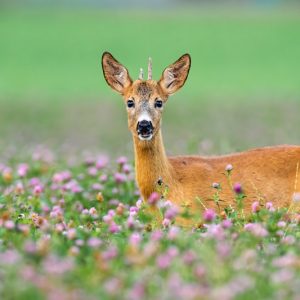
Do deer eat spirea? Sometimes, but many spireas are lower-browse shrubs. Learn why deer resistance can vary by species and cultivar, which spireas have stronger resistance records, how to recognize deer damage, and why mature size, moisture needs, native status, and regional invasive concerns matter just as much.
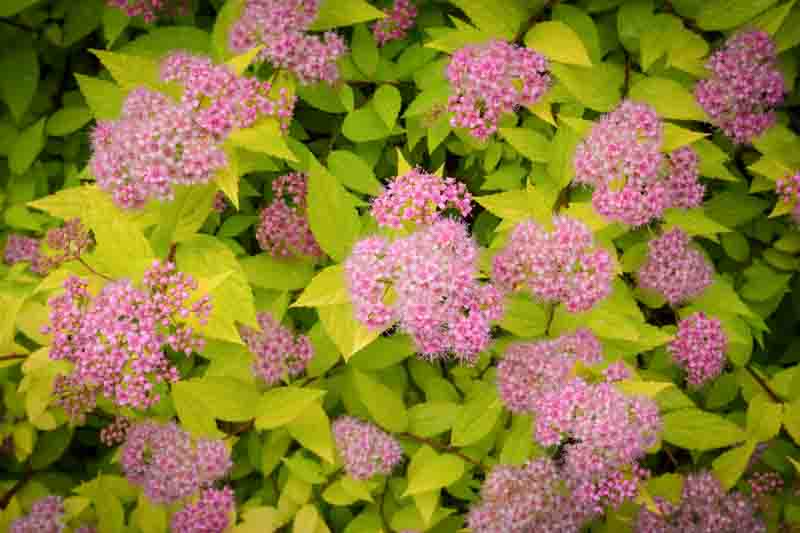


If deer visit your garden, spirea is usually one of the safer flowering shrubs to grow. Deer can eat spirea, but the genus is generally considered deer resistant, and many commonly grown species and cultivars are browsed relatively little.
That does not mean every spirea behaves the same way. Japanese spirea, bridal wreath, birchleaf spirea, native meadowsweets, and compact cultivars can differ in both garden performance and deer resistance. Even within the same species, one cultivar may have a stronger documented resistance record than another.
So if a deer takes a few bites from your shrub, that does not necessarily mean spirea was a poor choice. Occasional sampling is very different from repeated browsing that strips new growth, spoils the shrub’s shape, or prevents a young plant from establishing.
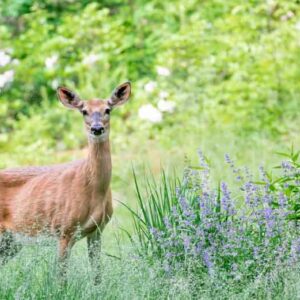
Do deer eat spirea? Sometimes, but spirea is generally considered deer resistant. Many species and cultivars are usually browsed lightly or ignored, although young shoots may still be sampled when deer pressure is high or other food is scarce. Resistance can vary among species and cultivars.
Spirea has a strong overall reputation in deer-prone gardens. Penn State Extension notes that deer usually do not damage spirea, while North Carolina State Extension describes the genus Spiraea as resistant to deer and rabbits.
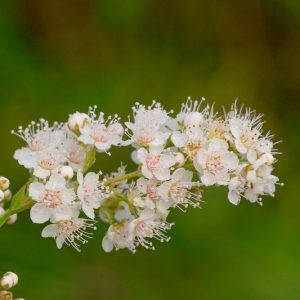
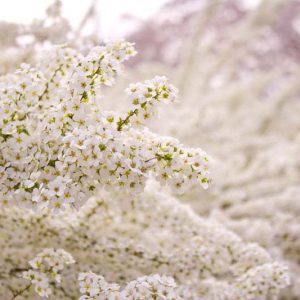
Individual species back that up. Bridal wreath spirea (Spiraea prunifolia) is listed as deer resistant, while white meadowsweet (Spiraea alba) is also considered resistant and provides a native option for moist ground. Birchleaf spirea is another lower-growing choice with a good deer-resistance record.
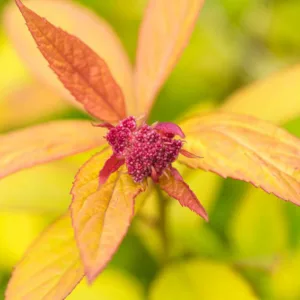
But the picture becomes more interesting when you look closely at Japanese spirea. North Carolina State Extension notes that Spiraea japonica may be damaged by deer, while individual cultivars such as ‘Gold Mound’ are specifically listed as deer resistant.
That contradiction is exactly why “spirea is deer resistant” is too broad a rule. The exact species or cultivar matters.
Gardenia’s Spirea Rule: Check the exact plant, not just the genus name. A deer-resistant reputation for Spiraea does not guarantee identical browsing behavior across every species and cultivar.
Once deer resistance has narrowed the field, choose the spirea that actually fits your garden. A compact mound at the front of a border, an arching bridal wreath shrub, and a moisture-loving native meadowsweet fill very different roles.
| Hardiness |
4 - 9 |
|---|---|
| Heat Zones |
1 - 9 |
| Plant Type | Shrubs |
| Genus | Spiraea |
| Exposure | Full Sun |
| Season of Interest | Spring (Late), Summer (Early, Mid, Late), Fall |
| Tolerances | Deer |
The differences among these shrubs are more important than the label on the nursery pot. Magic Carpet can tuck into a small border, bridal wreath needs room for sweeping branches, and white meadowsweet is much happier in moist soil than a typical Japanese spirea cultivar. Choose the shrub for the site first, then let deer resistance work in its favor.
Deer do not follow plant lists. A shrub they have ignored for years may suddenly be sampled when conditions change.
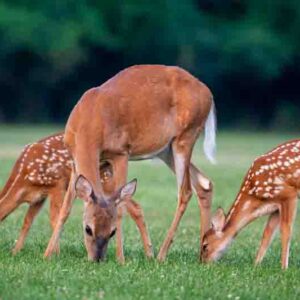
Tender new shoots are more tempting than mature woody growth. Newly planted shrubs may also receive more attention simply because their soft nursery growth is easy to reach. High deer numbers, drought, snow cover, and shortages of preferred forage can all make deer less selective.
Location can matter too. A shrub planted directly beside a regular deer route may be sampled more often than the same cultivar growing closer to a house or inside a busier part of the garden.
One clipped shoot is usually not important. If the shrub continues to leaf out, flower, and hold its natural shape, occasional nibbling is mostly cosmetic. Repeated loss of fresh growth is the pattern to watch.
Deer browsing can be confused with pruning, storm damage, or insect feeding if you focus on a single branch.
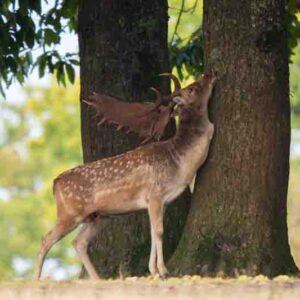
Deer have lower incisors but no upper front incisors, so they pull and tear plant tissue rather than making the clean cut produced by pruning shears. On spirea, look for ragged shoot tips, missing clusters of tender leaves, stripped fresh growth, or whole branch ends removed within browsing height.
Tracks, droppings, or similar damage on nearby shrubs make the diagnosis more convincing. Small holes, stippling, distorted leaves, or damage limited to individual leaves are more likely to point to insects or another problem.
Look at the whole shrub, not one leaf. Deer damage usually removes shoot tips or larger sections of fresh growth. Tiny holes or scattered leaf damage suggest something else.
If the damage is minor, you may not need to do anything. Established spireas are vigorous shrubs and generally recover well from occasional browsing.
Repeated feeding on a young plant deserves more attention. A simple temporary wire cage can protect tender growth while the shrub establishes and is often more dependable than treating every new shoot.
A labeled deer repellent may also help where browsing is intermittent. Follow the product label and reapply when directed, especially after weathering or when unprotected new growth appears.
If deer are eating spirea along with several other supposedly resistant shrubs, the problem is probably heavy overall browsing pressure rather than one poor plant choice. Where damage is no longer acceptable, physical exclusion is the more dependable solution.
This matters especially with Japanese spirea (Spiraea japonica). It is popular because it is compact, colorful, adaptable, and available in many attractive cultivars. It can also escape cultivation and is considered invasive or problematic in parts of the eastern United States.
Before planting Japanese spirea, check its status in your state or region. Where it is discouraged, a native Spiraea or another non-invasive shrub may be a better choice.
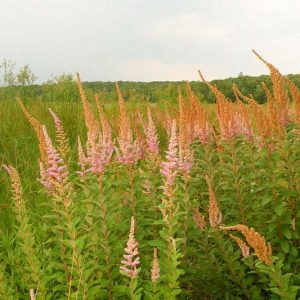
Native spireas can fill some of the same landscape roles. White meadowsweet (Spiraea alba) is well suited to moist sites across much of eastern and midwestern North America, while Steeplebush (Spiraea tomentosa) works naturally in damp meadows, rain gardens, and pond-side plantings.
A shrub can resist deer and still be the wrong plant for the garden. Check mature size, growing conditions, regional suitability, and invasive status before you plant.
Once you know spirea is generally a lower-browse shrub, the next question is which Spiraea actually fits your garden. A compact Japanese cultivar, an arching bridal wreath, and a moisture-loving native meadowsweet are very different plants.
Use the Gardenia Plant Finder to compare deer resistance, mature size, sun, soil, drainage, moisture, native status, and other growing requirements. Browse Deer-Resistant Garden Ideas for inspiration, then use the Garden Design Tool to see how your choices work together in a complete planting.
Deer may occasionally eat spirea, but the genus is generally considered deer resistant and many commonly grown species and cultivars are browsed relatively little. Young growth may still be sampled where deer pressure is high.
Generally, yes, but resistance is not identical across the genus. Some species and cultivars have stronger documented deer-resistance records than others, so it is worth checking the exact plant you intend to grow.
They can. North Carolina State Extension notes that Spiraea japonica may be damaged by deer, although individual cultivars such as ‘Gold Mound’ are specifically listed as deer resistant.
Bridal wreath spirea, Spiraea prunifolia, is considered deer resistant and is usually a lower-browse choice. Severe deer pressure can still lead to occasional browsing.
Usually, yes. Established spirea normally recovers from modest browsing. Repeated loss of new growth can weaken a young shrub or spoil its natural shape, so persistent damage may justify temporary protection.
Monitor minor browsing first. If deer repeatedly return to a young shrub, a temporary wire cage can protect it while it establishes. Labeled repellents may also help, while fencing or other physical exclusion is more dependable under heavy deer pressure.
Yes. White meadowsweet, Spiraea alba, is a North American native with a good deer-resistance record and is especially useful in moist soil. Steeplebush, Spiraea tomentosa, is another native option, although deer may occasionally browse it.
Updated: September 2026 – Reviewed by Gardenia Editors
| Hardiness |
4 - 9 |
|---|---|
| Heat Zones |
1 - 9 |
| Plant Type | Shrubs |
| Genus | Spiraea |
| Exposure | Full Sun |
| Season of Interest | Spring (Late), Summer (Early, Mid, Late), Fall |
| Tolerances | Deer |
Create a membership account to save your garden designs and to view them on any device.
Becoming a contributing member of Gardenia is easy and can be done in just a few minutes. If you provide us with your name, email address and the payment of a modest $25 annual membership fee, you will become a full member, enabling you to design and save up to 25 of your garden design ideas.
Join now and start creating your dream garden!