Do deer eat milkweed? Sometimes, but many native milkweeds are naturally resistant to browsing. Learn which species have strong deer-resistance records, how to protect young plants, and - most importantly - how to tell unwanted deer damage from the monarch caterpillar feeding that healthy milkweed gardens are meant to support.
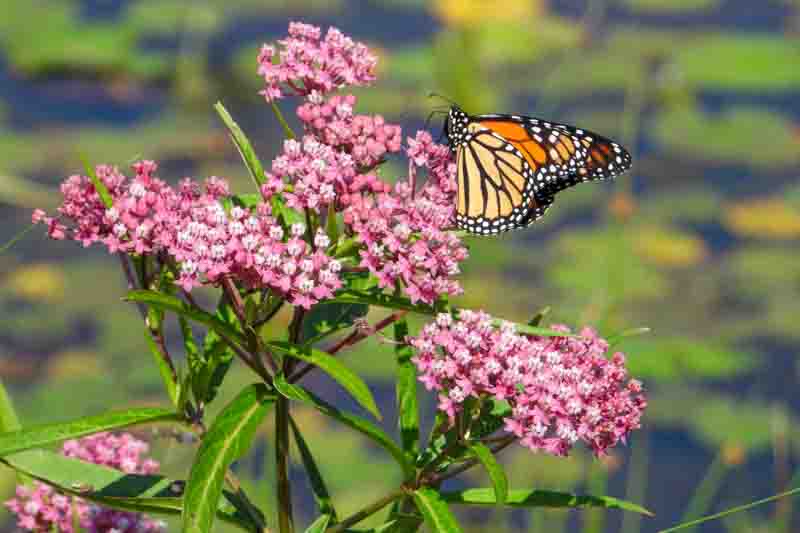


If deer move through your garden, milkweed is usually one of the safer plants to grow. Deer can eat milkweed, but many milkweed species are resistant to browsing and are often passed over when more palatable plants are available.
That does not mean every milkweed will remain untouched. A hungry deer may sample tender shoots, bite off a stem, or browse a young plant. What matters is the pattern. Occasional nibbling is very different from the repeated feeding you might see on Hostas, daylilies, tulips, or other deer favorites.
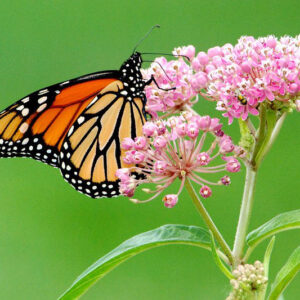
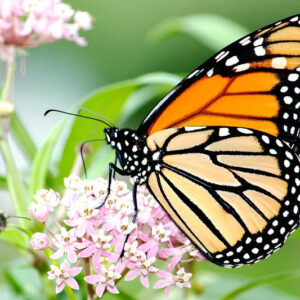
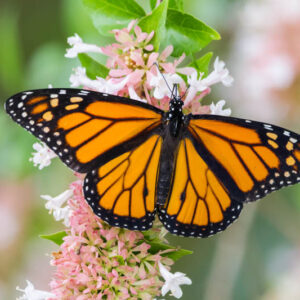
There is another reason to look closely before assuming deer are responsible: milkweed leaves are supposed to be eaten. Monarch caterpillars depend on milkweed foliage for food. A plant with holes, missing leaves, or partially stripped stems may be supporting the very wildlife you planted it for.
Do deer eat milkweed? Sometimes, but many milkweed species are considered deer resistant. Butterfly weed, swamp milkweed, common milkweed, whorled milkweed, and several other native species have good resistance records. Young plants may still be sampled, especially where deer pressure is high or other food is scarce.
Generally, yes. Several widely grown North American milkweeds have documented resistance to deer browsing.
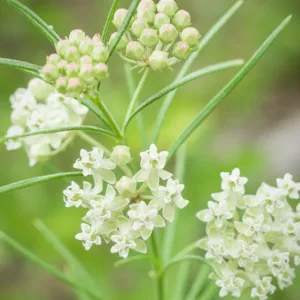
North Carolina State Extension lists butterfly weed (Asclepias tuberosa), swamp milkweed (Asclepias incarnata), whorled milkweed (Asclepias verticillata), and common milkweed (Asclepias syriaca) as deer resistant. It describes white milkweed (Asclepias variegata) as highly resistant to deer damage.
There is useful real-world evidence too. In a three-year study conducted by the Missouri Botanical Garden’s Shaw Nature Reserve in an area with heavy deer pressure, butterfly weed, swamp milkweed, and green milkweed were all recorded in the no-browse group.
That is more useful than simply saying “deer don’t like milkweed.” Different species, different gardens, and different deer herds can produce different results. What the evidence does suggest is that milkweed is generally a sensible choice when deer pressure is part of the planting decision.
The useful question is not simply which milkweed deer avoid. Milkweeds occupy very different habitats, so the right species depends on what your garden is actually like.
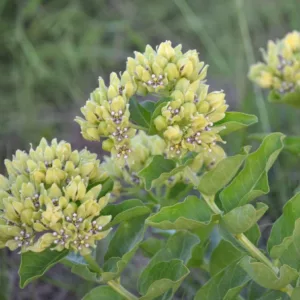
These plants make the point nicely: there is no single “best” deer-resistant milkweed. Poke milkweed can handle partial shade, swamp milkweed wants moisture, butterfly weed prefers sharper drainage, and common milkweed needs room to spread. Choose for the site first, then use deer resistance as another reason the plant earns its place.
| Hardiness |
3 - 10 |
|---|---|
| Plant Type | Perennials |
| Plant Family | Apocynaceae |
| Genus | Asclepias |
| Exposure | Full Sun |
| Season of Interest | Spring (Late), Summer (Early, Mid, Late), Fall |
| Maintenance | Low |
| Water Needs | Average |
| Soil Type | Chalk, Clay, Loam, Sand |
| Soil pH | Alkaline, Acid, Neutral |
| Soil Drainage | Moist but Well-Drained, Moisture Retentive, Well-Drained |
| Tolerances | Deer |
| Attracts | Bees, Butterflies, Hummingbirds |
| Landscaping Ideas | Beds And Borders |
| Garden Styles | Informal and Cottage, Prairie and Meadow |
Most milkweeds contain defensive compounds called cardiac glycosides, or cardenolides, in varying concentrations. Many also release a sticky white latex when damaged. These defenses help discourage a number of herbivores.
There are exceptions within the genus. Butterfly weed, for example, is unusual because its sap is not conspicuously milky. Yet it still has a good deer-resistance record. That is a useful reminder that milkweed resistance cannot be reduced to a single feature such as “deer dislike the white sap.”
Monarch caterpillars have evolved a very different relationship with milkweed. They can feed on its leaves and use milkweed as their host plant, which is why seeing a milkweed with chewed foliage is not automatically cause for concern.
One thing milkweed will not do: protect the plants growing beside it. Deer may ignore the milkweed and eat a neighboring Hosta, rose, or daylily. Plant milkweed because the milkweed itself is relatively low-browse, not as a barrier around more vulnerable plants.
This is where milkweed is different from most deer-resistant plants. If a Hosta suddenly loses half its leaves, browsing is bad news. If a milkweed loses leaves, you first need to know who is eating them.
Look closely at the plant before trying to stop the feeding.
Monarch caterpillars chew milkweed leaves and can consume a surprising amount as they grow. Finding a striped caterpillar on the plant answers the question immediately – the milkweed is functioning as a host plant.
Milkweed tussock moth caterpillars may also feed in groups and skeletonize or strip sections of foliage. Milkweed beetles and milkweed bugs are frequent visitors too, although their feeding patterns differ.
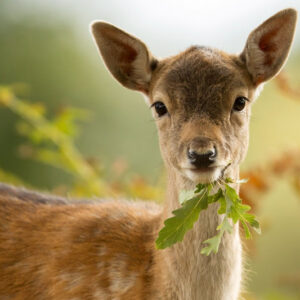
Deer browsing tends to be less delicate. Deer lack upper incisors, so browsed stems and foliage are often torn rather than neatly clipped. Whole shoot tips, flower clusters, or larger sections of a young plant may disappear. Tracks, droppings, or similar damage on nearby plants add useful clues.
Gardenia’s Milkweed Check: Before protecting a chewed milkweed, identify the feeder. Monarch caterpillar feeding is not a plant problem – it is one of the main reasons to grow milkweed in the first place.
A milkweed does not need perfect foliage to be a successful garden plant. In a wildlife planting, a certain amount of chewing is part of the design.
Even a plant with a good resistance record can be tested by a deer. Young spring growth is tender, newly planted milkweed may be easier to reach, and deer become less selective when preferred forage is scarce.
A single bite usually does not require action. Give the plant time to continue growing and see whether the deer return. Established milkweed can often tolerate modest damage.
Repeated browsing is different, especially on small plants that have not yet built a strong root system. If deer keep removing new shoots, a simple wire cage around the plant may be all that is needed until it becomes established.
Where deer pressure is severe throughout the garden, the solution is not to search endlessly for a plant that no deer will ever touch. Physical exclusion is more dependable when plant loss is unacceptable.
Often, you will not need it. If deer only sample the plant once, spraying milkweed adds work without solving a real problem.
If browsing becomes persistent, check the repellent label carefully before using it on milkweed. Remember that milkweed is both a nectar plant and a larval host plant. Avoid casually coating flowers or foliage being used by monarch caterpillars, and never assume that a product is appropriate for pollinator habitat simply because it is sold as a deer repellent.
A temporary cage is frequently the simpler choice for a young plant. It protects the milkweed without covering the foliage in a product that may need repeated application after weather or fresh growth.
Once you know deer are unlikely to be the main problem, the more important question is which milkweed actually belongs in your garden. A dry sunny bed, moist rain garden, prairie planting, and small residential border call for very different species.
The real question is not simply, “Which milkweed is deer resistant?” It is, “Which milkweed actually belongs in this garden?”
Use the Gardenia Plant Finder to find milkweeds and other deer-resistant plants suited to your sun, soil, drainage, water needs, climate, mature space, and wildlife goals. Read the Milkweed Growing Guide for planting and care advice, then use the Garden Design Tool to see how your choices work together in a complete pollinator-friendly garden.
Deer sometimes eat milkweed, but many milkweed species are resistant to browsing and are usually lower-risk choices for deer-prone gardens. Young plants may still be sampled, especially when deer pressure is high or other forage is scarce.
Many milkweeds are considered deer resistant. Butterfly weed, swamp milkweed, common milkweed, whorled milkweed, and white milkweed all have documented resistance to deer browsing.
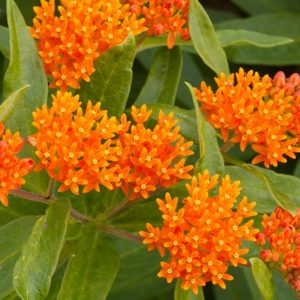
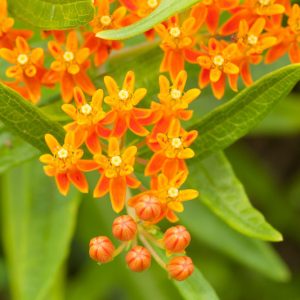
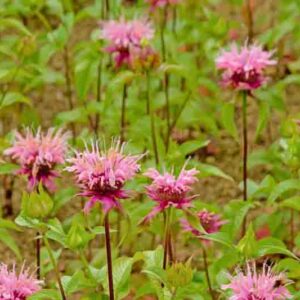
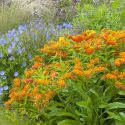
Butterfly weed, Asclepias tuberosa, is resistant to deer damage and performed well in a Missouri Botanical Garden deer-browse study. Deer may still occasionally sample young or tender growth.
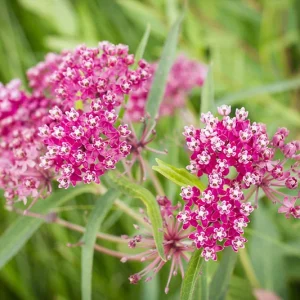
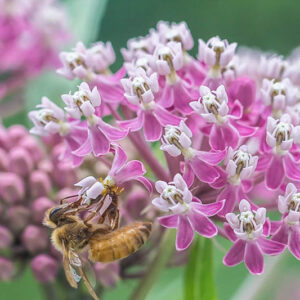
Swamp milkweed, Asclepias incarnata, is resistant to deer browsing. It is particularly useful for sunny sites with moist soil, including rain gardens, damp borders, pond edges, and naturalized plantings.
Common milkweed, Asclepias syriaca, is considered deer resistant. It spreads by rhizomes and is usually better suited to meadows, pollinator gardens, and naturalistic plantings than very small formal beds.
Look closely before treating the plant. Monarch caterpillars chew milkweed leaves and may consume large amounts of foliage. Deer are more likely to remove shoot tips, stems, flowers, or larger sections of the plant and often leave torn tissue. Tracks or similar browsing nearby can provide additional clues.
Protect young milkweed if deer repeatedly remove new shoots. A temporary wire cage is often enough to help the plant establish. Occasional minor nibbling usually does not require intervention.
Updated: September 2026 – Reviewed by Gardenia Editors
| Hardiness |
3 - 10 |
|---|---|
| Plant Type | Perennials |
| Plant Family | Apocynaceae |
| Genus | Asclepias |
| Exposure | Full Sun |
| Season of Interest | Spring (Late), Summer (Early, Mid, Late), Fall |
| Maintenance | Low |
| Water Needs | Average |
| Soil Type | Chalk, Clay, Loam, Sand |
| Soil pH | Alkaline, Acid, Neutral |
| Soil Drainage | Moist but Well-Drained, Moisture Retentive, Well-Drained |
| Tolerances | Deer |
| Attracts | Bees, Butterflies, Hummingbirds |
| Landscaping Ideas | Beds And Borders |
| Garden Styles | Informal and Cottage, Prairie and Meadow |
Create a membership account to save your garden designs and to view them on any device.
Becoming a contributing member of Gardenia is easy and can be done in just a few minutes. If you provide us with your name, email address and the payment of a modest $25 annual membership fee, you will become a full member, enabling you to design and save up to 25 of your garden design ideas.
Join now and start creating your dream garden!