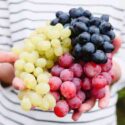
Harvesting grapes at the right time makes the difference between sour fruit and perfectly sweet clusters. Learn the clear signs grapes are ripe, how growers measure sugar levels, what months grapes are harvested, and how weather affects ripening so you can pick grapes at their peak flavor.


Knowing when to harvest grapes is one of the most important skills in grape growing. Grapes develop their sweetness, aroma, and texture on the vine, and they do not continue ripening after they are picked. Harvesting too early results in fruit that tastes sour, thin, and unfinished. Waiting too long can invite birds, berry splitting, bunch rot, and sudden crop loss.
The ideal harvest moment arrives when the berries reach full color, the flavor becomes sweet and balanced, and the texture matches the variety. Growers use several clues to identify this stage, including taste, berry softness, seed color, sugar levels, and weather conditions.
Jump to: Why Harvest Timing Matters | Do Grapes Ripen After Picking? | How to Tell When Grapes Are Ripe | Using Brix to Measure Ripeness | Typical Grape Harvest Season | Harvest Timing by Grape Type | How Weather Affects Harvest | What Happens If You Harvest Too Late | How to Harvest Grapes | Handling and Storage | Common Harvest Mistakes | FAQ
Harvest timing determines grape quality more than almost any other factor in the growing season. Sugar, aroma compounds, color pigments, and texture all develop in the final weeks before harvest. Picking grapes before they reach full maturity prevents these characteristics from fully forming.
Grapes should always be harvested fully ripe because they do not continue ripening after picking. Unlike fruits such as bananas or peaches, grapes are non-climacteric. Their sugar level and flavor remain essentially fixed once the cluster is removed from the vine.
This principle applies whether you grow grapes for fresh eating, juice, jelly, or winemaking. Each use has its own ideal window of ripeness, but all require the fruit to finish ripening on the vine.
No. Grapes do not ripen after picking in the way many people expect. They may soften a little in storage, but they do not become sweeter or more flavorful once removed from the vine.
That means harvest timing is final. If grapes are cut too early, they stay too early. They may still be usable for cooking or juicing, but they will not turn into fully ripe, vine-sweet fruit on the counter or in the refrigerator.
This is one of the biggest reasons growers rely so heavily on taste. A grape that still tastes tart, thin, or underdeveloped should usually remain on the vine longer if weather and pests allow.
Experienced growers rely on several ripeness signals rather than a single indicator. When multiple signs align, harvest confidence increases.
The most reliable test is flavor. A ripe grape tastes sweet, balanced, and characteristic of its variety. Sour or flat flavor usually means the fruit needs more time on the vine.
In home gardens, taste is the most practical and reliable indicator of grape ripeness.
Taste several berries from different parts of the cluster before deciding to harvest. Fruit on the sunny side may ripen slightly earlier than fruit buried in shade, and one advanced berry can give a false impression of the whole crop.
Color develops early in the ripening process but continues to deepen as sugars increase.
Grapes can reach full color before they reach full flavor, which is why color alone is not a reliable harvest test.
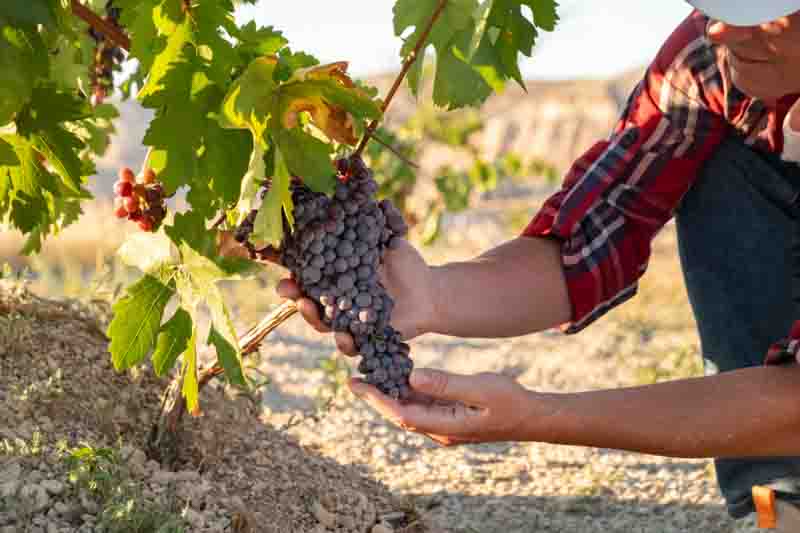
Berry texture shifts as grapes mature. Ripe grapes feel plump and juicy rather than firm and hard. The skins should feel fully developed but not leathery, and the flesh should no longer seem sharp or immature.
Seeded grapes provide another clue. Immature seeds appear pale or green. Mature seeds darken to brown and become firm. This is a useful supporting sign, although taste remains more important.
Ripe clusters appear full and well-developed. The berries should look finished rather than undersized or pinched. In bunch grapes, ripeness is often judged by the overall cluster, although not every cluster on the vine ripens at exactly the same pace.
Uneven ripening on the same vine is normal. Differences in sunlight, crop load, vine vigor, and airflow can cause some clusters to mature earlier than others.
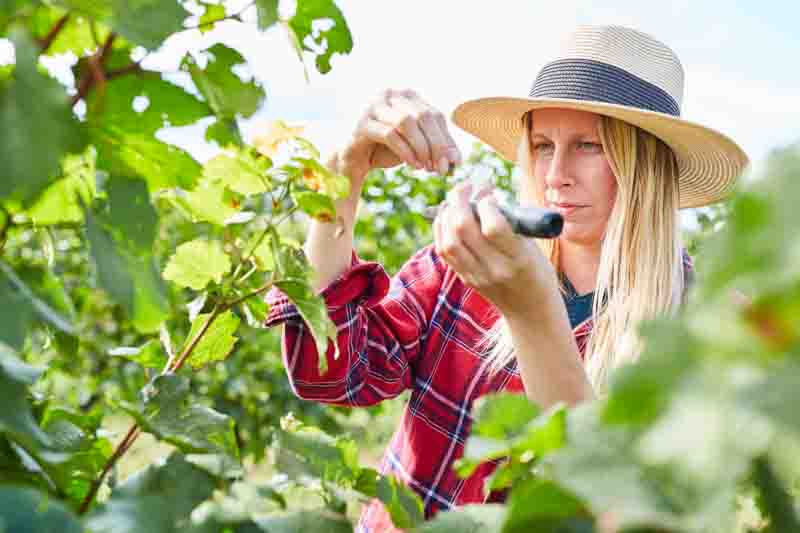
Professional growers often use a refractometer to measure sugar levels in grapes. This measurement is expressed as degrees Brix (°Bx), which indicates the percentage of sugar in the juice.
While home gardeners do not always need this tool, it can provide a precise way to monitor ripening.
Brix readings should always be paired with taste and berry texture. Sugar alone does not guarantee full flavor development, balanced acidity, or ideal harvest quality.
For wine grapes, harvest timing is based on sugar, acidity, and flavor maturity rather than sweetness alone. A grape can reach an acceptable sugar level before it reaches its best aromatic or tannin maturity.
Most grapes are harvested from late summer through early fall. The exact timing depends on climate, grape variety, and seasonal weather patterns.
In cooler climates, harvest may occur later because grapes require more time to accumulate sugar. In warm regions, ripening often occurs earlier.
The calendar provides only a rough guideline. Flavor and ripeness signals should always guide the final harvest date.
Table grapes are harvested when they reach peak sweetness and appealing texture. These grapes should be juicy, fully flavored, and attractive in appearance. For fresh eating, a grape should taste finished, not merely edible. Best Grapes for Fresh Eating – Top Varieties Ranked
Grapes used for juice and jelly often develop deeper flavor when allowed to fully ripen. Varieties such as Concord become noticeably more aromatic during the final ripening stage, so patience usually improves the result. How to Make Grape Juice at Home
Wine grapes require more careful timing because winemakers balance sugar levels, acidity, pH, and flavor maturity. Even in home vineyards, wine grapes should not be harvested based on sweetness alone.
Muscadine grapes often ripen gradually rather than all at once. Gardeners typically harvest them over several weeks as individual berries reach maturity.
Weather conditions strongly influence grape ripening. Warm sunny days encourage sugar accumulation, while cool or cloudy weather slows the process.
Rain near harvest can create several problems:
If heavy rain is forecast and grapes are nearly ripe, harvesting slightly early may better preserve quality than waiting through the wet weather.
Birds also become increasingly active as grapes sweeten. Netting vines before the fruit fully ripens helps protect the crop.
Late harvest is not always a mistake, but overripe grapes become more vulnerable to problems. The longer ripe fruit remains exposed outdoors, the greater the risk from rain, birds, yellow jackets, rot organisms, and berry splitting.
Overripe grapes are more vulnerable to splitting, bird damage, bunch rot, and quality loss after rain.
In some cases, very ripe fruit can become softer, less balanced, or less fresh-tasting. For table grapes, this can reduce eating quality. For juice and wine, it may shift the sugar-acid balance more than intended.
The right strategy is not to pick as early as possible or as late as possible. It is to harvest at the point where flavor peaks and risk is still manageable.
Harvest grapes carefully to preserve fruit quality and prevent damage.
Place harvested grapes in shallow containers so clusters are not crushed by weight.
Fresh grapes should be cooled quickly after harvest to preserve flavor and shelf life.
Properly stored grapes can remain fresh for one to two weeks, although their best flavor is usually closest to harvest day.
Most grape harvest problems come from harvesting too early rather than too late. Waiting until grapes taste fully ripe almost always improves fruit quality, but waiting beyond peak ripeness increases the odds of weather damage and rot.
No. Grapes do not continue ripening after harvest, so they must be picked only when fully ripe on the vine.
Most grapes are harvested between August and October, depending on climate, variety, and seasonal weather.
Ripe grapes taste sweet and balanced, show full color, have juicy texture, and contain mature brown seeds in seeded varieties. Taste is the best practical harvest test.
Grapes are best harvested in the morning once dew has dried and temperatures are still cool.
Grapes taste sour when harvested too early or when the fruit has not fully ripened due to shade, short season, or cool weather. Leaving them on the vine longer often improves sweetness if conditions allow.
Yes. Grapes can develop mature-looking color before they reach full flavor, which is why taste is more reliable than color alone.
Updated: March 2026 • Reviewed by Gardenia Editors
| Hardiness |
3 - 10 |
|---|---|
| Plant Type | Climbers, Fruits |
| Plant Family | Vitaceae |
| Genus | Vitis |
| Exposure | Full Sun |
| Maintenance | High |
| Water Needs | Average |
| Soil Type | Chalk, Loam, Sand |
| Soil pH | Alkaline, Neutral |
| Soil Drainage | Well-Drained, Moist but Well-Drained |
| Attracts | Bees, Birds |
| Hardiness |
3 - 10 |
|---|---|
| Plant Type | Climbers, Fruits |
| Plant Family | Vitaceae |
| Genus | Vitis |
| Exposure | Full Sun |
| Maintenance | High |
| Water Needs | Average |
| Soil Type | Chalk, Loam, Sand |
| Soil pH | Alkaline, Neutral |
| Soil Drainage | Well-Drained, Moist but Well-Drained |
| Attracts | Bees, Birds |
Create a membership account to save your garden designs and to view them on any device.
Becoming a contributing member of Gardenia is easy and can be done in just a few minutes. If you provide us with your name, email address and the payment of a modest $25 annual membership fee, you will become a full member, enabling you to design and save up to 25 of your garden design ideas.
Join now and start creating your dream garden!
Create a membership account to save your garden designs and to view them on any device.
Becoming a contributing member of Gardenia is easy and can be done in just a few minutes. If you provide us with your name, email address and the payment of a modest $25 annual membership fee, you will become a full member, enabling you to design and save up to 25 of your garden design ideas.
Join now and start creating your dream garden!