Pearl Millet, Bulrush Millet, Candle Millet, Cattail Millet, Dark Millet, Indian Millet, Horse Millet, Bajra, Babala, Cenchrus americanus, Pennisetum americanum, Pennisetum typhoides, Pennisetum spicatum
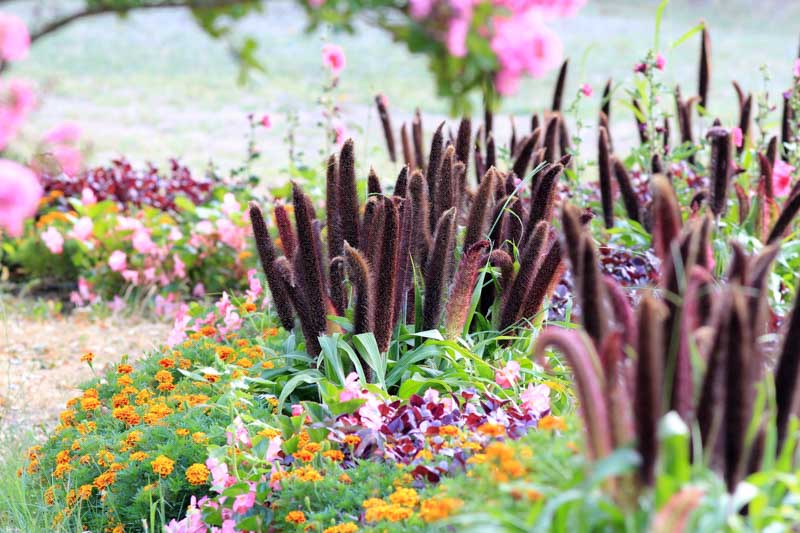
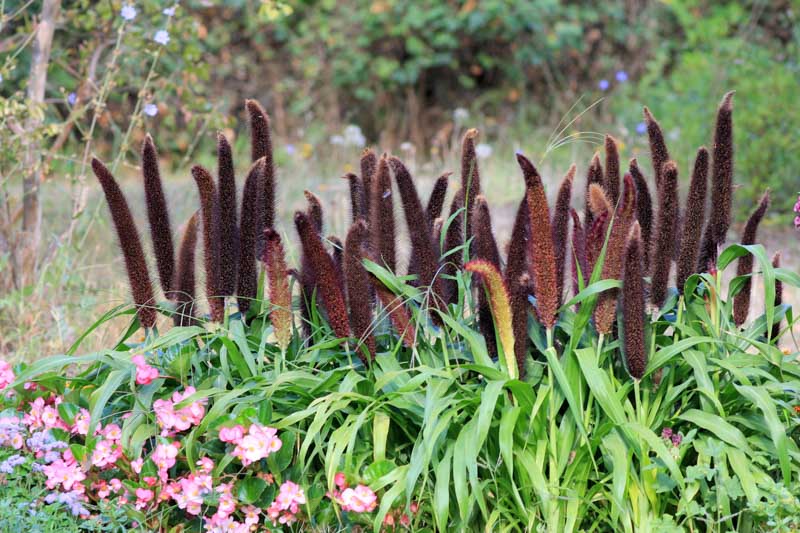
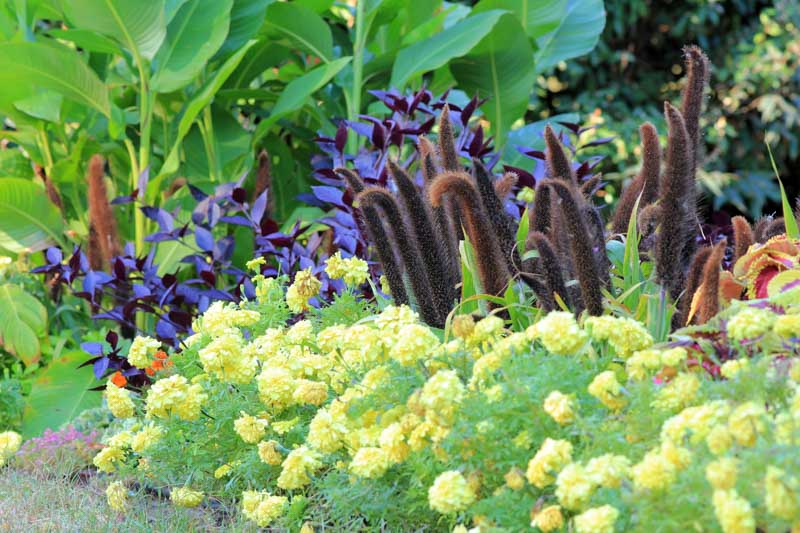


Pennisetum glaucum, commonly known as pearl millet, ornamental millet, cattail millet, or bulrush millet, is a fast-growing warm-season grass with serious garden presence. In agriculture, it is one of the world’s great drought-tolerant grain crops. In ornamental gardens, especially in purple-leaved forms such as Pennisetum glaucum ‘Purple Majesty’, it becomes a bold annual statement plant with towering foliage, dark stems, cattail-like flower spikes, and seedheads that birds eagerly visit.
This is not a quiet filler grass. Pennisetum glaucum brings height, architecture, tropical-looking foliage, rich burgundy-purple tones, and late-season wildlife value to sunny borders, large containers, cutting gardens, meadow-style plantings, edible landscapes, and seasonal privacy screens. Modern taxonomy often places pearl millet under the accepted botanical name Cenchrus americanus, but Pennisetum glaucum remains the familiar name used by many gardeners, growers, and seed suppliers.
Garden spotlight: Pearl millet is the grass to choose when you want instant height, dramatic foliage color, strong vertical lines, and seedheads that turn a summer display into a bird-friendly feast.
Use: Annual ornamental grass, edible grain crop, bird garden plant, summer screen, container thriller, cutting garden accent, prairie-style border plant, forage crop, and seasonal privacy planting.
Highlight: Tall foliage, bold seed spikes, and purple-black tones in ornamental cultivars create instant summer drama and excellent late-season structure.
Design note: Excellent as a specimen grass, repeated annual accent, dark foliage contrast plant, wildlife feature, or vertical backdrop for heat-loving flowers.
| Botanical Name | Pennisetum glaucum; often listed botanically as Cenchrus americanus |
|---|---|
| Family | Poaceae |
| Common Names | Pearl Millet, Ornamental Millet, Cattail Millet, Bulrush Millet, Yellow Bristle Grass |
| Native Range | Seasonally dry tropical Africa; now cultivated widely in warm regions worldwide for grain, forage, birdseed, and ornamental use |
| Plant Type | Warm-season annual grass; cereal crop; ornamental foliage and seedhead plant |
| Hardiness | Usually grown as an annual; perennial only in frost-free tropical or subtropical climates |
| Height | Usually 3-6 ft. tall in ornamental gardens; some grain types can grow taller |
| Spread | Usually 2-3 ft. wide, depending on cultivar, spacing, and fertility |
| Sun Exposure | Full sun is best; shade reduces color, flowering, and stem strength |
| Soil | Well-drained sandy, loamy, or light clay soil; tolerates low fertility and variable pH |
| Bloom Time | Summer to fall, depending on sowing date, warmth, and cultivar |
| Flower Color | Green, tan, brown, burgundy, purple, or near-black seed spikes |
| Foliage | Broad green leaves or deep burgundy-purple foliage in ornamental cultivars |
| Drought Tolerant | Yes, once established; ornamental plants look fuller with occasional deep watering |
| Deer Resistant | Often avoided once mature, but young plants may be browsed where pressure is high |
| Attracts | Birds, especially seed-eating species; also adds seasonal shelter and habitat structure |
| Pet and Child Safety | Not known as a major toxic ornamental, but discourage chewing and avoid treated floral stems as animal feed |
Pennisetum glaucum is a warm-season annual grass with two powerful identities. It is an ancient food crop known as pearl millet, valued for grain, forage, birdseed, and resilience in hot, dry climates. It is also a high-impact ornamental grass, grown for bold foliage, upright habit, and thick, cylindrical seed spikes that look almost like miniature cattails.
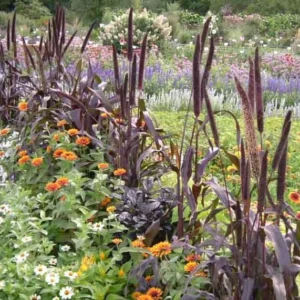
In garden design, the best-known ornamental form is Pennisetum glaucum ‘Purple Majesty’. This cultivar starts green when young, then deepens to burgundy, bronze-purple, or nearly black in full sun. Its dark leaves make gold, orange, red, pink, blue, and silver companion plants appear brighter and more intentional.
Pearl millet originated in seasonally dry tropical Africa, with modern botanical sources placing its native range from Benin to southern tropical Africa. Its long history as a cultivated grain reflects its remarkable tolerance of heat, drought, and challenging soils. Today, it is grown across warm climates worldwide.
Pennisetum glaucum forms an upright clump of broad, corn-like leaves. Most ornamental selections reach 3-6 feet tall, with a spread of about 1-3 feet. In rich soil with warm temperatures and adequate moisture, plants can become impressively tall in a single season, making them excellent for quick summer structure.
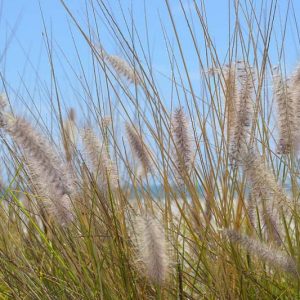
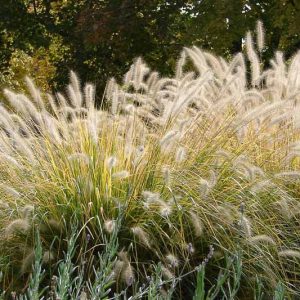
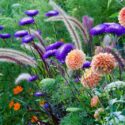
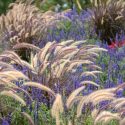
The flower spikes are dense, vertical, and highly ornamental. They rise above the foliage in summer and mature into pearl-like seeds. In purple cultivars, the spikes may appear smoky purple, burgundy, brown-black, or bronze. These seedheads are handsome in the garden, useful in arrangements, and valuable for birds.
Design magic: Place ornamental millet where afternoon or evening light catches the seed spikes. The upright silhouettes glow beautifully against lower flowers and soft grasses.
The foliage is one of the main reasons gardeners grow ornamental millet. Purple forms are especially dramatic in full sun, where leaves and stems darken as plants mature. The plant offers a full season of interest: bold leaves in early summer, flower spikes in midsummer, glossy seedheads in late summer, and bird activity in fall.
Pennisetum glaucum is generally grown as an annual in temperate gardens. It does not behave like a hardy perennial fountain grass in cold climates. Plant it after the last frost, when the soil has warmed, and expect it to finish with autumn frost.
Pearl millet is excellent for bird-friendly gardens. The ripening seeds can attract seed-eating birds, especially when mature seedheads are left standing into fall. For maximum wildlife value, leave some seedheads standing instead of cutting every spike for arrangements.
Pearl millet is famous for drought tolerance, but ornamental performance is best with smart watering. Once established, it handles dry periods better than many annuals, yet deep watering during prolonged heat helps produce taller stems, larger leaves, and more impressive seed spikes.
Mature plants are often less appealing to deer than tender bedding plants, but deer-resistant does not mean deer-proof. Young seedlings may be browsed by rabbits or deer, especially in dry seasons. Use temporary protection until plants gain height and toughness. For more deer-aware designs, explore deer-resistant plants.
Pearl millet is grown as a grain and forage crop and is not generally treated as a major toxic ornamental. However, ornamental plants may be treated with garden chemicals, and large amounts of grass can upset pets. Do not feed floral stems or treated seedheads to animals.
Pennisetum glaucum is not the same as invasive perennial fountain grasses. It is usually grown as a warm-season annual and may self-sow lightly where seeds mature and winters are mild. In frost-free climates, remove unwanted seedlings and follow local invasive plant guidance.
The most famous garden form is Pennisetum glaucum ‘Purple Majesty’, prized for deep purple foliage, dark stems, and bold 8-12 inch seed spikes. Young plants often begin green, then darken as they mature in warm, full-sun conditions.
Other ornamental millet selections, including compact or mixed-color strains such as ‘Jester’ and dark-leaved forms sold as ‘Purple Baron’, may offer shorter growth, burgundy-green foliage, or container-friendly habits. Because seed strains vary, choose named cultivars when you want predictable height, color, and performance.
Full sun is essential. Give plants at least 6-8 hours of direct sun daily. Purple cultivars develop their richest color in strong light; shade produces greener foliage, weaker stems, fewer spikes, and less dramatic garden impact.
Pearl millet grows in well-drained sandy, loamy, or light clay soils. It tolerates lower fertility better than many annuals, but it does not like standing water. In heavy clay, improve drainage, plant on a slight mound, or use large containers.
Water regularly while plants establish. Once they are growing strongly, water deeply during dry spells and allow the soil surface to dry between waterings. Container-grown millet needs more frequent irrigation than plants in the ground.
Use moderate fertility. A balanced slow-release fertilizer or compost-enriched soil is usually enough. Too much nitrogen can create lush, oversized growth that leans or produces fewer quality seedheads.
A light mulch helps conserve soil moisture and reduce weed competition. Keep mulch slightly away from the crown so the base stays airy and does not remain constantly wet.
Care tip: Do not rush planting. Pearl millet sulks in cold soil, so wait until nights are warm and summer growth can take off quickly.
Pennisetum glaucum needs little pruning. Remove damaged lower leaves if needed, but avoid cutting back the main stems during active growth. Cut seed spikes for fresh or dried arrangements when they are firm and well developed, or leave them standing for birds.
At the end of the season in cold climates, compost healthy plants after frost. If you want birds to enjoy the seeds, delay cleanup until the seedheads have been picked over.
Start seed indoors several weeks before the last frost or sow directly outdoors after the soil is warm. Transplant before seedlings become root-bound, because crowded roots can stunt growth. Space plants 18-30 inches apart, depending on cultivar and desired effect. For a screen, plant closer; for specimen clumps, give each plant room to show its full shape.
Pennisetum glaucum is propagated by seed. Named ornamental cultivars may not come true from saved seed, especially if other millet types are nearby. For consistent height, color, and performance, buy fresh seed of the desired cultivar each season.
Weak color is usually caused by insufficient sun, cool weather, or immature plants. Move containers into full sun and give plants warm, steady growing conditions.
Root-bound transplants, cold soil, drought during establishment, or poor container mix can keep plants small. Start with vigorous young plants and transplant after warm weather arrives.
Flopping is usually linked to too much shade, excessive nitrogen, overcrowding, or heavy wind exposure. Full sun, moderate feeding, and proper spacing produce sturdier plants.
Aphids may gather on tender growth or developing spikes. Spider mites can appear in hot, dry, stressed plantings. Improve airflow, rinse foliage with water, and use insecticidal soap if necessary.
Fungal issues are more likely in humid, crowded, or poorly ventilated plantings. Space plants well, avoid wetting foliage late in the day, and remove badly affected leaves.
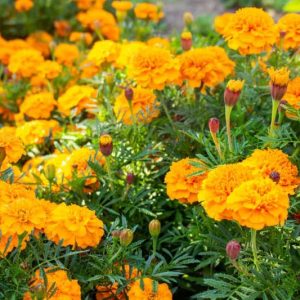
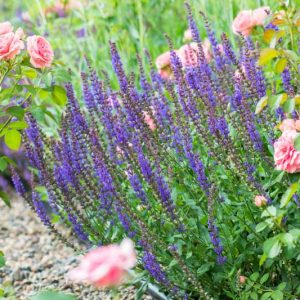
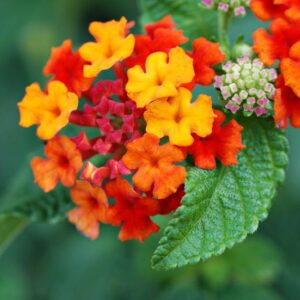
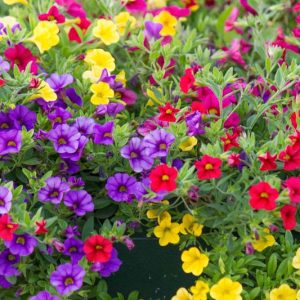
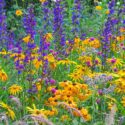
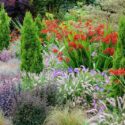
For a dramatic summer border, place Pennisetum glaucum behind salvias, coneflowers, rudbeckias, zinnias, lantanas, and agastaches. The dark foliage acts like a living backdrop, making bright flowers look richer. For containers, use one millet plant as the central thriller and surround it with trailing or mounding annuals.
For a wildlife planting, combine pearl millet with seed-bearing flowers and grasses, then leave mature seedheads standing into fall. For a modern dry garden, repeat millet in groups with yucca, blue grama, autumn sage, and gravel mulch for a strong, graphic look.
Best look: Plant ornamental millet in groups of 3 or 5. Repetition makes its dark foliage and upright spikes look intentional, polished, and powerful.
Pennisetum glaucum stands apart from many ornamental grasses because it is usually grown as an annual and valued for bold foliage, dense seed spikes, and wildlife value. It is more vertical than fountain grass, more dramatic than many annual fillers, and faster to deliver height than most perennial grasses.
| Grass | Best Feature | Best Use | Key Difference |
|---|---|---|---|
| Pennisetum glaucum ‘Purple Majesty’ – Ornamental Millet | Dark purple foliage and bold seed spikes | Annual borders, containers, bird gardens, summer screens, cutting gardens | Fast annual height with dense, bird-friendly seedheads |
| Pennisetum setaceum ‘Rubrum’ – Purple Fountain Grass | Arching burgundy foliage and soft plumes | Containers, tropical borders, patio displays | More flowing and fountain-shaped, with softer texture |
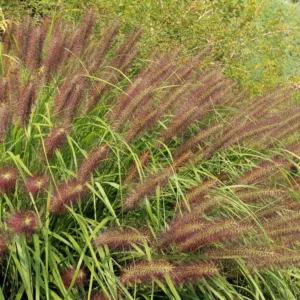
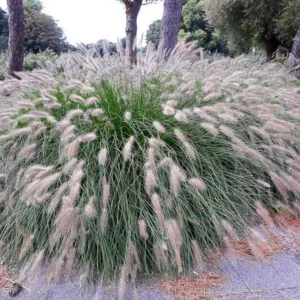
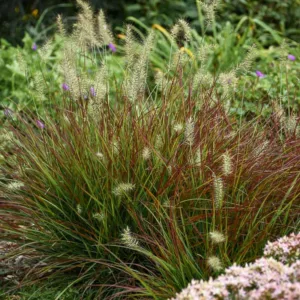
| Pennisetum alopecuroides – Fountain Grass | Hardy clumps with foxtail-like plumes | Perennial borders, mass plantings, autumn texture | A perennial grass in many climates, with finer texture and arching habit |
Choose ornamental millet when you want fast summer height, dark foliage, and seedheads for birds. Choose purple fountain grass when you want soft, arching movement. Choose hardy fountain grass when you need a perennial grass that returns year after year in suitable climates.
Pennisetum glaucum, commonly called pearl millet or ornamental millet, is a warm-season annual grass grown as a grain crop, forage crop, birdseed plant, and ornamental garden grass. Many modern botanical references list it as Cenchrus americanus.
Pennisetum glaucum is usually grown as an annual in temperate gardens because it is not cold hardy. In frost-free tropical or subtropical climates, it may persist longer, but ornamental cultivars are typically treated as seasonal plants.
Ornamental Pennisetum glaucum cultivars commonly grow 3 to 6 feet tall, depending on cultivar, heat, soil fertility, moisture, and growing season length. Some grain types can grow taller in ideal conditions.
Yes. Full sun is best for strong growth, deep foliage color, sturdy stems, and good seedhead production. Purple cultivars are much darker and more dramatic when grown in direct sun.
Yes. Pennisetum glaucum is drought tolerant once established and is widely grown in hot, dry regions. For ornamental garden displays, however, plants look fuller and produce better seedheads with occasional deep watering.
Yes. Birds are often attracted to mature pearl millet seedheads. Leave some spikes standing in late summer and fall to feed finches, sparrows, and other seed-eating birds.
Yes. Ornamental millet grows well in large containers with full sun, good drainage, and regular watering. Use it as a tall thriller plant and pair it with trailing or mounding annuals.
Pennisetum glaucum is usually grown as an annual and is not the same as invasive perennial fountain grasses. It may self-sow where seed matures and winters are mild, so remove unwanted seedlings and check local guidance in frost-free regions.
Updated: May 2026 • Reviewed by Gardenia Editors
| Hardiness |
2 - 11 |
|---|---|
| Plant Type | Annuals, Ornamental Grasses |
| Plant Family | Poaceae |
| Genus | Pennisetum |
| Exposure | Full Sun |
| Season of Interest | Summer (Early, Mid, Late), Fall |
| Height | 3' - 6' (90cm - 180cm) |
| Spread | 2' - 3' (60cm - 90cm) |
| Spacing | 30" (80cm) |
| Maintenance | Low |
| Water Needs | Low, Average |
| Soil Type | Chalk, Loam, Sand |
| Soil pH | Acid, Alkaline, Neutral |
| Soil Drainage | Well-Drained |
| Characteristics | Dried Arrangements, Cut Flowers, Showy |
| Tolerances | Drought, Dry Soil, Heat, Poor Soil |
| Attracts | Birds |
| Garden Uses | Beds And Borders, Patio And Containers |
| Garden Styles | City and Courtyard, Coastal Garden, Gravel and Rock Garden, Informal and Cottage, Mediterranean Garden |
| Toxic to Humans | No known toxicity |
| Toxic to Cats | No known toxicity |
| Toxic to Dogs | No known toxicity |
| Toxic to Horses | No known toxicity |


| Hardiness |
2 - 11 |
|---|---|
| Plant Type | Annuals, Ornamental Grasses |
| Plant Family | Poaceae |
| Genus | Pennisetum |
| Exposure | Full Sun |
| Season of Interest | Summer (Early, Mid, Late), Fall |
| Height | 3' - 6' (90cm - 180cm) |
| Spread | 2' - 3' (60cm - 90cm) |
| Spacing | 30" (80cm) |
| Maintenance | Low |
| Water Needs | Low, Average |
| Soil Type | Chalk, Loam, Sand |
| Soil pH | Acid, Alkaline, Neutral |
| Soil Drainage | Well-Drained |
| Characteristics | Dried Arrangements, Cut Flowers, Showy |
| Tolerances | Drought, Dry Soil, Heat, Poor Soil |
| Attracts | Birds |
| Garden Uses | Beds And Borders, Patio And Containers |
| Garden Styles | City and Courtyard, Coastal Garden, Gravel and Rock Garden, Informal and Cottage, Mediterranean Garden |
| Toxic to Humans | No known toxicity |
| Toxic to Cats | No known toxicity |
| Toxic to Dogs | No known toxicity |
| Toxic to Horses | No known toxicity |
How many Pennisetum glaucum (Pearl Millet) do I need for my garden?
| Plant | Quantity | |
|---|---|---|
| Pennisetum glaucum (Pearl Millet) | N/A | Buy Plants |
Create a membership account to save your garden designs and to view them on any device.
Becoming a contributing member of Gardenia is easy and can be done in just a few minutes. If you provide us with your name, email address and the payment of a modest $25 annual membership fee, you will become a full member, enabling you to design and save up to 25 of your garden design ideas.
Join now and start creating your dream garden!
Create a membership account to save your garden designs and to view them on any device.
Becoming a contributing member of Gardenia is easy and can be done in just a few minutes. If you provide us with your name, email address and the payment of a modest $25 annual membership fee, you will become a full member, enabling you to design and save up to 25 of your garden design ideas.
Join now and start creating your dream garden!