Agastache (Hyssop)
Characteristics
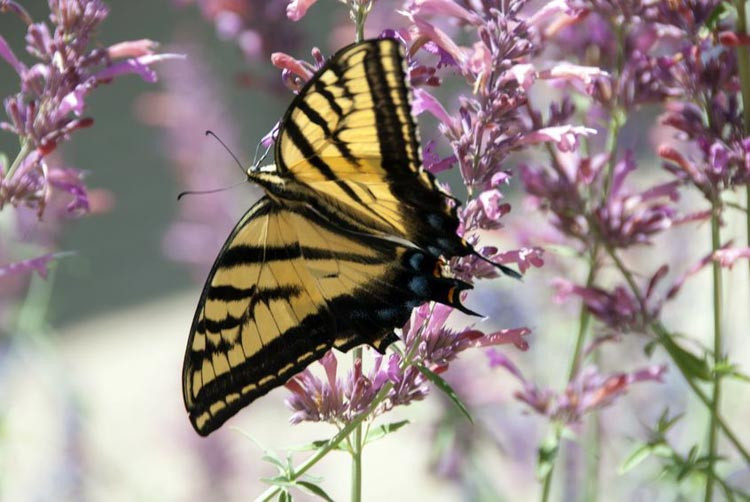
Agastache, commonly called hyssop or hummingbird mint, is a fragrant, sun-loving perennial prized for upright flower spikes, aromatic foliage, drought tolerance, and nonstop pollinator appeal. Blooming in shades of lavender, purple, blue, pink, orange, coral, and white, agastache adds vertical color to borders, herb gardens, meadow plantings, and wildlife-friendly landscapes. For a broad overview, explore the Agastache hyssop genus guide.
Why Grow Agastache?
Agastache is one of the easiest ways to bring color, fragrance, bees, butterflies, and hummingbirds into a sunny garden. Its nectar-rich flowers make it a star in pollinator gardens and a reliable choice among the best flowers to attract hummingbirds. Once established, many varieties handle heat and dry spells beautifully, making them excellent for drought-tolerant gardens.
Growing Tips
Plant agastache in full sun and sharply drained soil. The key advice is simple: give it sun, drainage, and space. Avoid heavy, wet soil, especially in winter, because soggy roots can shorten its life. Water regularly during the first season, then water less often once established. Deadhead to keep plants tidy, or leave some seedheads for texture. Agastache fits beautifully into Zone 6 full sun gardens, Zone 7 full sun perennial borders, and Zone 8 full sun plantings.
Bloom Season and Garden Uses
Agastache flowers through summer and often into fall, making it a hardworking choice for long-season color. Use it with grasses, coneflowers, salvias, yarrow, lavender, and other summer flowers. Its late-season blooms also pair well with fall flowers and fall wildflowers. In vegetable gardens, agastache can help draw pollinators and beneficial insects, just like the best flowers every vegetable garden needs.
Fragrant, colorful, and wonderfully wildlife-friendly, Agastache is a standout perennial for gardeners who want low-maintenance flowers, drought tolerance, hummingbirds, bees, butterflies, and months of sunny garden color.