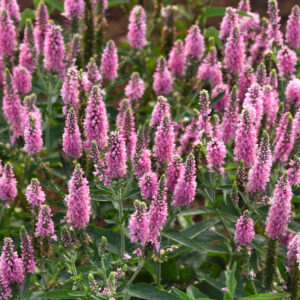
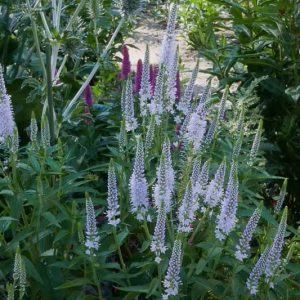
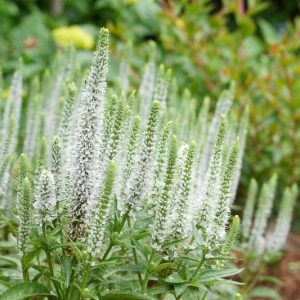
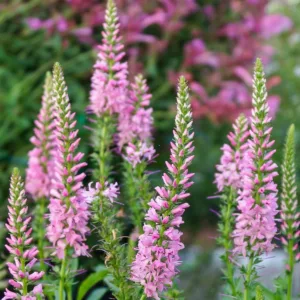
Venice Blue Speedwell, Sawtoothed Veronica, Austrian Speedwell, Venice Blue Austrian Speedwell, Veronica austriaca 'Florverblue'
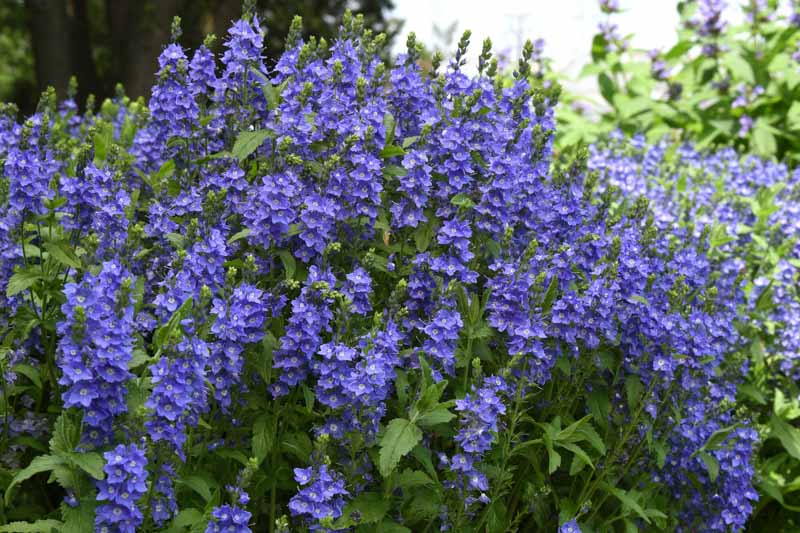
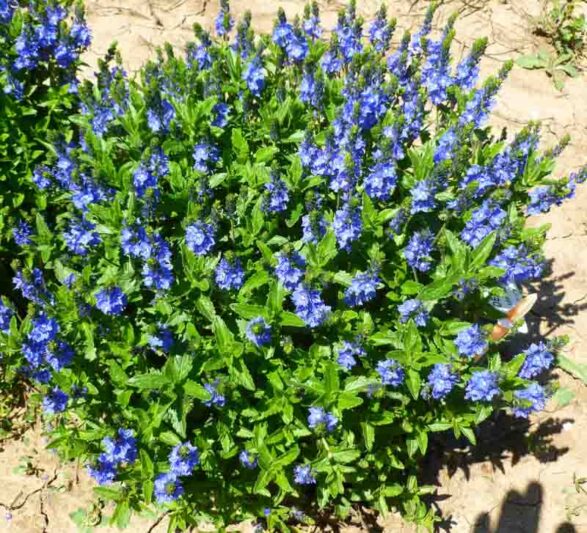
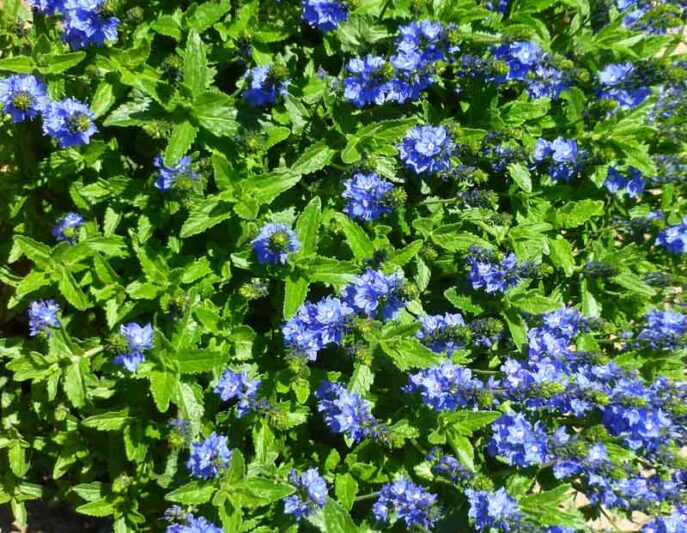


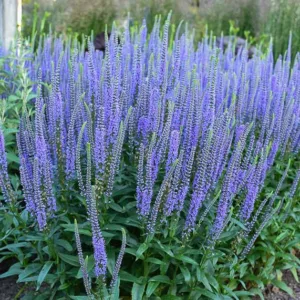
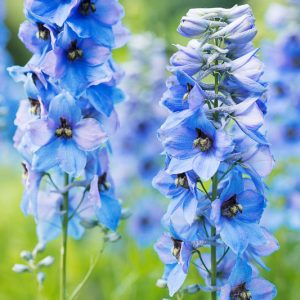
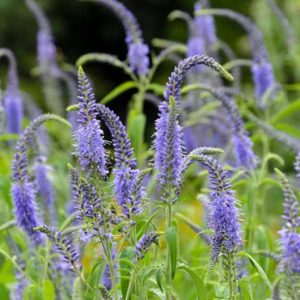
Veronica austriaca Venice Blue, also sold as Veronica austriaca ‘Florver Blue’, is a compact perennial speedwell with vivid blue flowers, toothed green foliage, and a tidy spreading habit. It is one of those small plants that earns its place quickly: bright enough to stop the eye, low enough for border fronts, and tough enough for sunny beds, rock gardens, containers, and pollinator plantings. Blooming in spring to early summer, it brings a clean, saturated blue that pairs beautifully with silver foliage, white bulbs, magenta perennials, chartreuse fillers, and early-season groundcovers.
Compact herbaceous perennial with bright blue flowers, toothed green foliage, and a spreading to mounding habit.
Use: Excellent for sunny borders, rock gardens, edging, pollinator gardens, cottage gardens, containers, low-water perennial beds, and mass plantings.
Highlight: A hardy, early-flowering blue speedwell that brings intense color to the front of the garden while resisting deer and rabbits.
| Botanical Name | Veronica austriaca Venice Blue; cultivar name Veronica austriaca ‘Florver Blue’ |
|---|---|
| Family | Plantaginaceae |
| Common Names | Venice Blue Speedwell, Austrian Speedwell, Saw-Leaved Speedwell |
| Plant Type and Habit | Herbaceous perennial; compact, spreading to mounding habit with upright flowering stems |
| Hardiness | Usually USDA Zones 4 to 9, with best performance in well-drained soil |
| Size | Typically 10 to 12 inches tall and 10 to 12 inches wide; space about 12 to 14 inches apart |
| Sun and Exposure | Full sun is best; light partial shade is tolerated in hot climates |
| Soil | Average, well-drained soil; avoid soggy, compacted ground |
| Water | Light to average moisture; water to establish, then water during extended dry spells |
| Flowers | Bright blue flowers in spring to early summer, with possible rebloom after deadheading |
| Special Tolerances | Deer resistant, rabbit resistant, heat tolerant for an early speedwell, and useful for pollinator-friendly plantings |
| Toxicity | Grown as an ornamental; do not encourage pets or children to eat garden plants |
Use Venice Blue where its color can be seen up close: path edges, raised beds, patio containers, and the front of sunny borders.
The main enemy is wet, poorly drained soil. Good drainage is more important than rich feeding.
Repeat Venice Blue in small drifts rather than planting one lonely specimen. Three to five plants create a much stronger blue ribbon through the garden.
Veronica austriaca Venice Blue is a low-growing perennial speedwell selected for vivid blue flowers, a neat habit, and early garden color. It forms a compact mound of green, toothed leaves and sends up upright flowering stems that create a bright, clean display. Compared with taller spike speedwells, Venice Blue is shorter, more spreading, and especially useful at the front of a planting.
The plant usually reaches about 10 to 12 inches tall and wide, making it easy to fit into small gardens, containers, and mixed borders. Its foliage is dark to medium green with toothed edges. The blue flowers are carried in short, showy clusters and can cover the plant when grown in sun. Bloom time is typically spring to early summer, with some rebloom possible later if spent flower stems are removed.
Venice Blue is a hardy perennial for cold-winter gardens, commonly listed for USDA Zones 4 to 9. Winter survival is strongest where the crown stays well drained. In heavy clay or wet winter regions, plant it on a slight mound, in a raised bed, or in a rock garden where water drains away quickly.
Venice Blue is valued as a deer-resistant and rabbit-resistant perennial. No plant is completely browse proof, but this speedwell is a practical choice for gardens where wildlife pressure is moderate. For best results, protect young plants until established and combine them with other textured or aromatic plants.
Once established, Venice Blue can handle short dry spells, especially in open, well-drained soil. It is not a true xeric plant, but it performs well in average to moderately dry borders. In very hot climates, light afternoon shade may help keep foliage fresher. For more ideas, explore drought-tolerant plants.
Venice Blue is grown as an ornamental perennial, not an edible plant. It is not commonly flagged as a highly toxic garden perennial, but ornamental plants should not be eaten. In gardens with pets or children, discourage chewing and use normal gardening hygiene after pruning or dividing.
Venice Blue is not generally considered invasive in ordinary garden use. It forms manageable clumps and may spread slowly where conditions suit it. Deadheading keeps the plant tidy, limits unwanted seedlings, and encourages energy to return to foliage and rebloom.
Full sun produces the best flower coverage, strongest stems, and most compact growth. Aim for at least six hours of direct sun per day. In warmer climates, light afternoon shade is acceptable, but too much shade can reduce flowers and make plants stretch.
Well-drained soil is essential. Venice Blue adapts to average loam, sandy soil, gravelly soil, and improved clay if excess water drains away. Avoid wet, compacted sites. If drainage is questionable, plant in a raised bed or amend the planting area with compost and grit.
Water regularly during the first season so roots establish deeply. After establishment, provide light to average moisture and water during extended dry weather. Container plants need more frequent checks than plants in the ground, but they should never sit in soggy potting mix.
Feed lightly in spring with compost or a balanced slow-release fertilizer. Venice Blue does not need heavy feeding. Too much nitrogen may produce lush leaves and fewer flowers, so keep fertility moderate.
Plant in spring after hard frost or in early fall while soil is still warm. Space plants about 12 to 14 inches apart for a full, joined effect. Set the crown level with the soil surface, water well, and keep mulch away from the center of the plant.
Venice Blue is excellent in containers because it stays compact and blooms early. Use a pot with drainage holes and a free-draining mix. Pair it with spring bulbs, silver foliage, low grasses, or trailing plants for a layered display. Water when the top of the mix begins to dry.
Cut back spent flower stems after the main flush fades. This keeps the plant neat and may encourage rebloom. If foliage looks tired after flowering, shear lightly to refresh the mound. Remove dead top growth in late fall or early spring before new shoots appear.
In the ground, Venice Blue usually needs little winter care beyond good drainage. Avoid heavy wet mulch over the crown. In containers, protect pots from repeated freeze-thaw cycles by moving them to a sheltered spot or placing them against a wall.
Divide mature clumps in spring or early fall when plants become crowded. Replant healthy sections promptly and water them in. Because Venice Blue is a named cultivar, check plant patent or breeders’ rights rules before propagating for anything beyond personal garden use.
Venice Blue is generally low maintenance when grown in sun, airflow, and well-drained soil. Most problems come from excessive moisture, shade, or overly rich feeding.
For a dense, colorful plant, give Venice Blue sun, drainage, moderate water, and a quick trim after flowering.
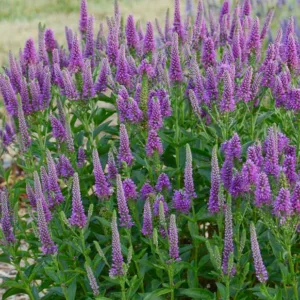
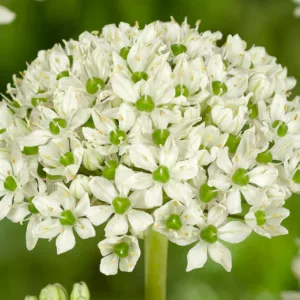
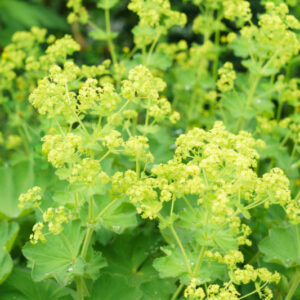
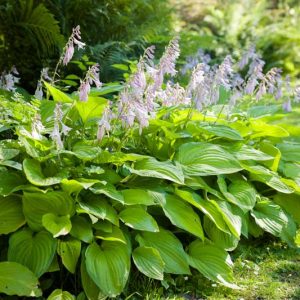
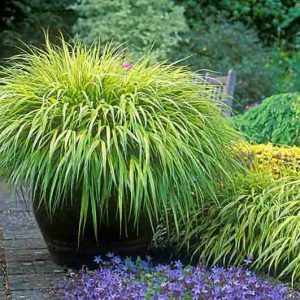
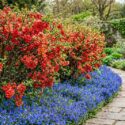
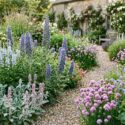
Venice Blue pairs best with companions that enjoy sun to light partial sun, well-drained soil, and average to moderately dry moisture. The goal is contrast: white spheres, silver leaves, magenta sparks, spring carpets, and chartreuse softness all make the blue flowers look richer.
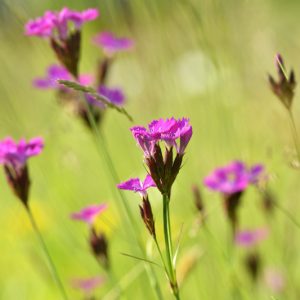
Edge with Phlox subulata, repeat Venice Blue in drifts, weave in Stachys, then add Allium nigrum and Dianthus carthusianorum for height. Finish with Alchemilla mollis for softness.
Veronica austriaca Venice Blue is a compact herbaceous perennial speedwell grown for its bright blue flowers, toothed green foliage, and tidy spreading habit. It is used in sunny borders, rock gardens, edging, containers, and pollinator plantings.
Yes. Veronica Venice Blue is commonly listed as hardy in USDA Zones 4 to 9. It performs best where the soil drains well, especially in winter.
Full sun is best for strong flowering, bright color, and compact growth. Light partial shade is tolerated in hot climates, but too much shade can reduce bloom.
Veronica Venice Blue typically grows about 10 to 12 inches tall and 10 to 12 inches wide. Space plants about 12 to 14 inches apart for a full border effect.
Veronica Venice Blue blooms in spring to early summer. If spent flower stems are removed, the plant may produce a lighter rebloom later in the season.
Yes. Veronica Venice Blue is commonly promoted as deer resistant and rabbit resistant. No plant is completely browse proof, but it is a good choice where wildlife pressure is moderate.
Yes. Deadheading keeps plants tidy and may encourage rebloom. Cut spent flower stems back after the main flush fades.
Darwin Perennials – Veronica Venice Blue: https://www.darwinperennials.com/products/Details/?phid=063503409000616
RHS – Veronica austriaca Venice Blue (‘Florver Blue’): https://www.rhs.org.uk/plants/361458/veronica-austriaca-venice-blue-%28-florver-blue-%29/details
Gardenia – Veronica austriaca: https://www.gardenia.net/plant/veronica-austriaca
Growing Colors – Veronica austriaca Venice Blue: https://www.growingcolors.com/plant/Veronica-austriaca-Venice-Blue
Updated: June 2026 • Reviewed by Gardenia Editors
| Hardiness |
4 - 9 |
|---|---|
| Heat Zones |
2 - 8 |
| Climate Zones | 1, 1A, 1B, 2, 2A, 2B, 3, 3A, 3B, 4, 5, 6, 7, 8, 9, 14, 15, 16, 17, 18, 19, 20, 21 |
| Plant Type | Perennials |
| Plant Family | Plantaginaceae |
| Genus | Veronica |
| Common names | Speedwell |
| Exposure | Full Sun, Partial Sun |
| Season of Interest | Spring (Late), Summer (Early) |
| Height | 1' - 2' (30cm - 60cm) |
| Spread | 1' - 2' (30cm - 60cm) |
| Spacing | 12" - 15" (30cm - 40cm) |
| Maintenance | Low |
| Water Needs | Average |
| Soil Type | Loam |
| Soil pH | Acid, Alkaline, Neutral |
| Soil Drainage | Moist but Well-Drained |
| Characteristics | Showy |
| Tolerances | Deer, Rabbit, Fire |
| Attracts | Bees, Butterflies |
| Garden Uses | Banks And Slopes, Beds And Borders, Edging, Patio And Containers |
| Garden Styles | Butterfly Garden, City and Courtyard, Coastal Garden, Gravel and Rock Garden, Informal and Cottage, Pollinator Garden |
| Toxic to Humans | No known toxicity |
| Toxic to Cats | No known toxicity |
| Toxic to Dogs | No known toxicity |
| Toxic to Horses | No known toxicity |


| Hardiness |
4 - 9 |
|---|---|
| Heat Zones |
2 - 8 |
| Climate Zones | 1, 1A, 1B, 2, 2A, 2B, 3, 3A, 3B, 4, 5, 6, 7, 8, 9, 14, 15, 16, 17, 18, 19, 20, 21 |
| Plant Type | Perennials |
| Plant Family | Plantaginaceae |
| Genus | Veronica |
| Common names | Speedwell |
| Exposure | Full Sun, Partial Sun |
| Season of Interest | Spring (Late), Summer (Early) |
| Height | 1' - 2' (30cm - 60cm) |
| Spread | 1' - 2' (30cm - 60cm) |
| Spacing | 12" - 15" (30cm - 40cm) |
| Maintenance | Low |
| Water Needs | Average |
| Soil Type | Loam |
| Soil pH | Acid, Alkaline, Neutral |
| Soil Drainage | Moist but Well-Drained |
| Characteristics | Showy |
| Tolerances | Deer, Rabbit, Fire |
| Attracts | Bees, Butterflies |
| Garden Uses | Banks And Slopes, Beds And Borders, Edging, Patio And Containers |
| Garden Styles | Butterfly Garden, City and Courtyard, Coastal Garden, Gravel and Rock Garden, Informal and Cottage, Pollinator Garden |
| Toxic to Humans | No known toxicity |
| Toxic to Cats | No known toxicity |
| Toxic to Dogs | No known toxicity |
| Toxic to Horses | No known toxicity |
How many Veronica austriaca Venice Blue (Austrian Speedwell) do I need for my garden?
| Plant | Quantity | |
|---|---|---|
| Veronica austriaca Venice Blue (Austrian Speedwell) | N/A | Buy Plants |
Create a membership account to save your garden designs and to view them on any device.
Becoming a contributing member of Gardenia is easy and can be done in just a few minutes. If you provide us with your name, email address and the payment of a modest $25 annual membership fee, you will become a full member, enabling you to design and save up to 25 of your garden design ideas.
Join now and start creating your dream garden!
Create a membership account to save your garden designs and to view them on any device.
Becoming a contributing member of Gardenia is easy and can be done in just a few minutes. If you provide us with your name, email address and the payment of a modest $25 annual membership fee, you will become a full member, enabling you to design and save up to 25 of your garden design ideas.
Join now and start creating your dream garden!