Pollinator Garden Plants
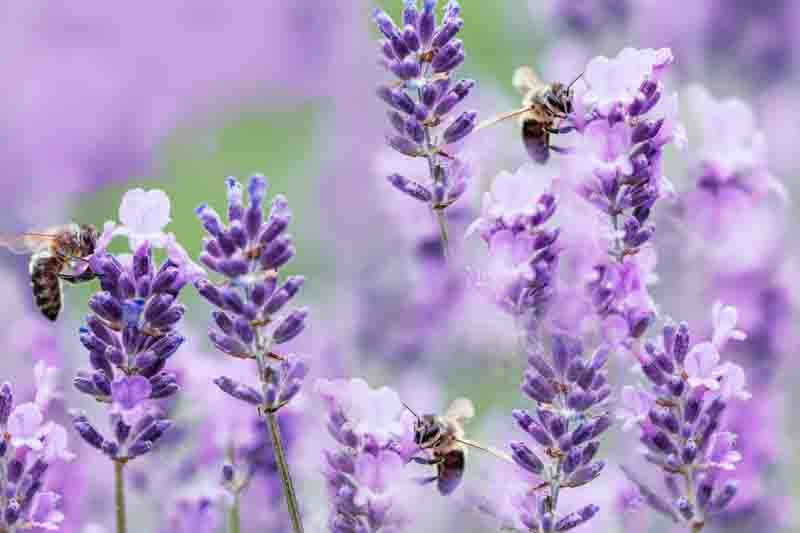
A pollinator garden is designed to provide food, shelter, and habitat for bees, butterflies, hummingbirds, and other beneficial pollinators. The best gardens offer nectar- and pollen-rich flowers from spring through fall, a mix of flower shapes and heights, and enough shelter to make the garden useful as well as beautiful.
You do not need a meadow to make a difference. A sunny border, cottage garden, native planting, mixed perennial bed, or even a collection of containers can support pollinators if the right plants are grown together and something is blooming through most of the growing season.
Choose Flowers That Pollinators Can Actually Use
Pollinators do not all feed in the same way. Bees visit many open or tubular flowers for nectar and pollen, butterflies need flowers that offer accessible nectar, and hummingbirds are especially drawn to nectar-rich tubular blooms. Growing several flower shapes together helps support a wider range of visitors.
Start with Gardenia’s complete pollinator garden guide, then explore the best flowers for bees and the best flowers for butterflies. Plants such as penstemon can be especially valuable – see how penstemon supports pollinators.
Keep Something Blooming from Spring Through Fall
A garden filled with flowers for three weeks is less useful than one with a steady succession of bloom. Combine early-, mid-, and late-season plants so bees and butterflies can keep finding food as the garden changes through the year.
Do not overlook familiar garden favorites. Some peonies, for example, can provide pollen to visiting insects – learn more about peonies and pollinators. For a broader habitat approach, these wildlife-friendly plants for bees, butterflies, and birds can help extend seasonal interest.
Choose Pollinator Plants for Your USDA Zone
The best pollinator plant is one that can actually thrive in your garden. Match plants to your USDA Hardiness Zone, sunlight, soil, and moisture rather than choosing them for flower color alone.
Gardeners in USDA Zone 6 can explore these top pollinator plants for Zone 6. In Zone 7, many sun-loving flowering perennials can support pollinators – see these best full-sun perennials for Zone 7. For warmer climates, browse the best pollinator plants for Zone 8.
Support Butterflies Beyond Nectar Flowers
Butterflies need more than flowers. Adult butterflies drink nectar, but their caterpillars often depend on specific host plants. Including those plants allows butterflies to use the garden for breeding as well as feeding.
Learn how the relationship works in Gardenia’s guide to butterfly host plants. You can also see how to create a butterfly garden, discover why butterfly gardens matter, and learn more about the Monarch butterfly.
Make the Garden Safer for Pollinators
Pollinator-friendly gardening is as much about what you avoid as what you plant. Broad-spectrum insecticides can harm bees, butterflies, caterpillars, and other beneficial insects. If pest control is needed, use the least disruptive option possible and avoid spraying flowers while pollinators are visiting.
Leave some shelter too. Dense stems, shrubs, grasses, seed heads, and undisturbed corners can provide resting, nesting, or overwintering sites. A perfectly tidy garden is not always the most useful garden for wildlife.
Turn a Pollinator Border into a Wildlife Garden
A pollinator garden can become part of a much richer habitat. Add flowering shrubs, native plants, grasses, water, seed-producing plants, and shelter, and the same space can attract birds and other wildlife as well as pollinating insects.
Gardenia’s guide to building a wildlife garden that buzzes with life year-round shows how to make the garden useful beyond the flowering season. The result can be a garden that feels lively, colorful, and full of movement for much of the year.