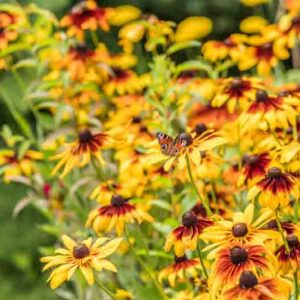
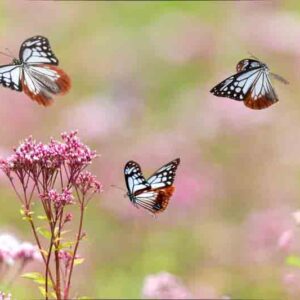
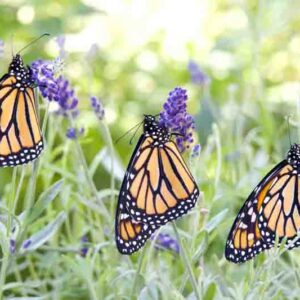
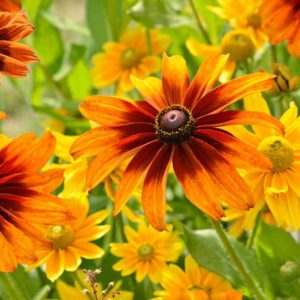
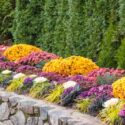
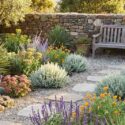
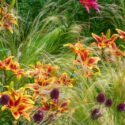
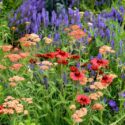
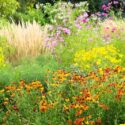
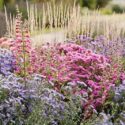
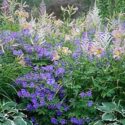
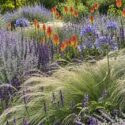
Turn your outdoor space into a vibrant, living ecosystem. This guide shows you how to build a wildlife-friendly garden that attracts birds, bees, and butterflies with smart plant choices, layered design, and year-round habitat. Beautiful, dynamic, and full of life - your garden becomes a place where nature truly thrives.
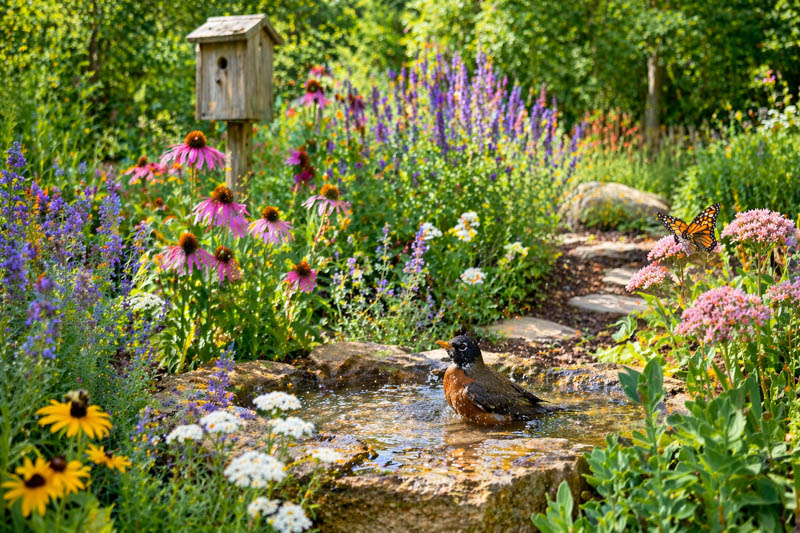


A wildlife-friendly garden should do more than attract a few bees in spring or a passing bird in summer. At its best, it functions as a dependable habitat: a place that provides food, shelter, water, and breeding support from early spring through winter.
That consistency is what separates a truly effective garden from one that performs well for only a few weeks. Many home landscapes deliver a burst of bloom, then thin out. Nectar fades, seed sources become scarce, shelter is reduced, and the garden becomes less useful just when wildlife still depends on it.
The strongest wildlife gardens are planned around seasonal continuity, plant roles, and habitat structure. Instead of asking only, “What should I plant?”, the better question is: What does this garden provide in each season, and where are the weak points?
This guide shows how to answer that question step by step for U.S. gardens. You will learn how to build a planting that supports pollinators, birds, and beneficial insects across the year; how to choose plants by function instead of impulse; how to arrange them so wildlife can use them efficiently; and how to use the Gardenia Plant Finder and Gardenia Design Tool to turn good ideas into a workable plan.
Many wildlife gardens are built around what is easiest to notice and easiest to buy. That often produces a spring-heavy planting with a short period of obvious success, followed by a steady decline in ecological value.
Spring is usually the easiest season to make look strong. Bulbs such as crocus, daffodils, and tulips are widely available, and early perennials like pulmonaria, hellebores, and creeping phlox extend that show.
The problem begins when those plants fade and too little is prepared to follow them. By late summer, many gardens still contain foliage but not enough nectar, pollen, seed, or cover to matter. By fall, the drop can be even sharper unless late-season resources were planned deliberately.
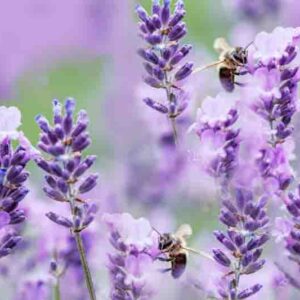
Another common problem is depending too heavily on a short list of familiar “pollinator plants.” A patch of echinacea or lavender can be useful, but alone it does not create a high-performing wildlife garden. Without early resources, late support, shelter, host plants, and layered structure, those plants work in isolation rather than as part of a larger habitat.
Many gardens also lose value through over-management. Closely clipped shrubs, aggressively cleaned borders, and a full fall cutback can make a garden look neat while stripping away nesting cover, overwintering habitat, seed sources, and refuge.
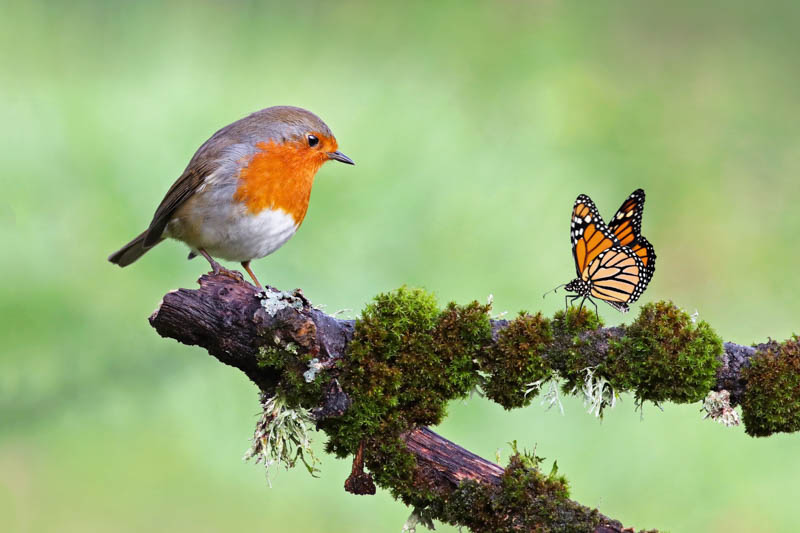
A garden designed for wildlife works best when it supports four essential functions: feeding, shelter, reproduction, and water. If one is missing, the garden becomes less useful over time.
Feeding is the most visible function, but it is often oversimplified. Wildlife does not rely on flowers alone. A strong feeding strategy includes nectar, pollen, seeds, berries, and the insect life that birds depend on while nesting.
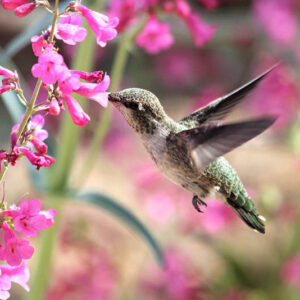
Bees and butterflies rely heavily on nectar and pollen through the growing season. Birds often depend on insects first, then shift more strongly toward seeds and berries later in the year. A garden may be flower-rich and still perform poorly as feeding habitat if it lacks seedheads, fruiting shrubs, or plants that sustain insect populations.
Shelter determines whether wildlife simply visits or keeps returning. Without it, even a flower-rich planting functions mainly as a temporary feeding stop.
In practical terms, shelter comes from structure. Dense shrubs such as viburnum, serviceberry (Amelanchier), and dogwood (Cornus) provide cover and nesting opportunities. Ornamental grasses and sturdy perennials left standing through fall and winter add refuge. Layered planting—trees, shrubs, mid-height perennials, and lower groundcovers—creates a broader range of usable space than a flat border can provide. Discover Trees That Invite Wildlife To Your Garden.
The most overlooked function is reproduction. Without it, wildlife may use the garden, but it cannot establish itself there reliably.
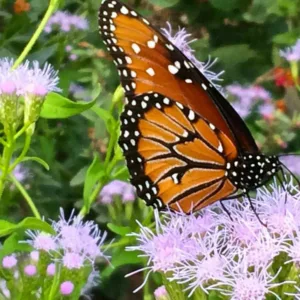
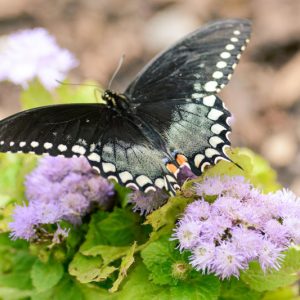
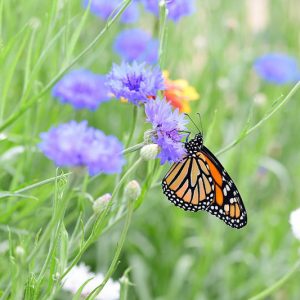
This is where host plants matter. milkweed (Asclepias) supports monarch butterflies. parsley, fennel, and dill support black swallowtail caterpillars. oaks (Quercus) support hundreds of insect species, which in turn help feed birds.
Bird reproduction depends heavily on insects as well. Even species that eat seeds as adults often raise their young on protein-rich insects. A garden that supports insect life supports bird populations far more effectively.
Water can make a wildlife garden more useful, especially during hot or dry periods. A shallow basin, birdbath, or simple recirculating feature helps birds, pollinators, and beneficial insects. Placement matters as much as the feature itself.
If there is one principle that holds a wildlife garden together, it is seasonality. This is not just about making sure something is blooming in different months. It is about maintaining a usable flow of resources through the growing season and into winter.
Many planting plans are built as a sequence: one plant ends, another begins. In practice, weather, rainfall, microclimate, and cultivar differences shift that timing enough to create weak stretches. A stronger strategy is to make sure each major seasonal window has enough support to absorb those variations.
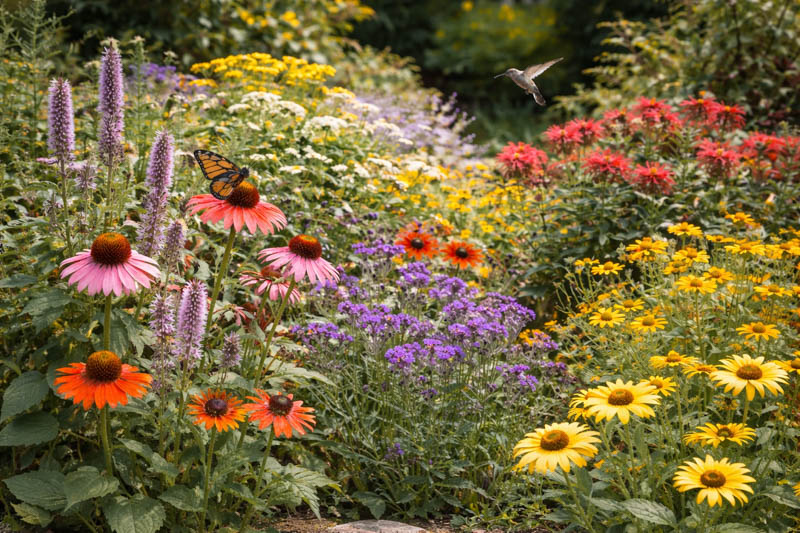
A wildlife-friendly garden becomes much easier to plan when you think in terms of time as well as plants. A seasonal resource calendar shows what your garden provides across the year and makes weak periods easier to spot.
Early spring may arrive in February in mild Zone 8–9 gardens and far later in colder Zone 4–5 regions, but it is one of the most important windows because food is scarce. Reliable early performers include crocus, snowdrops, winter aconite, hellebores, and pulmonaria.
This is the first major expansion point. Depending on climate, it may include tulips, daffodils, Grecian windflowers, and bergenia.
This is where dependable backbone plants begin to carry the garden. Useful performers include alliums, catmint, salvia, penstemon, yarrow, and hardy geraniums.
Midsummer is a stress period in many parts of the U.S., especially where heat and drought reduce bloom intensity. Resilient summer performers include echinacea, rudbeckia, bee balm, lavender, and agastache.
This is the period where many gardens weaken, and where the biggest gains are often possible. Key late-season plants include asters, sedums, goldenrod, and Japanese anemones.
Winter shifts the garden from bloom to stored resources and structure. Seedheads from echinacea, rudbeckia, and ornamental grasses continue feeding birds. Shrubs such as viburnum and winterberry add berries. Standing stems and dense plantings provide shelter for overwintering insects and cover for birds.
Once the seasonal calendar is clear, the next step is assigning roles to plants. This is what turns a plant list into a working design.
When plants are chosen with these roles in mind, weak points become easier to diagnose and fix.
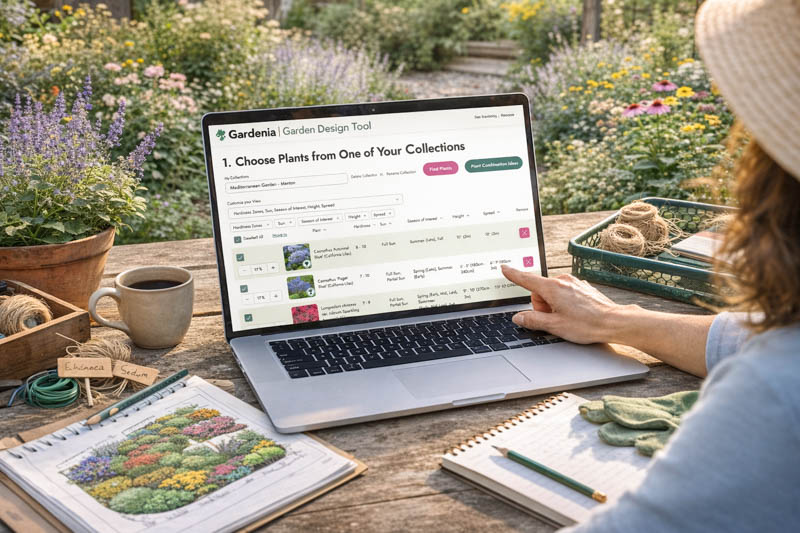
The Gardenia Plant Finder is most useful when you use it to solve specific problems. You might search for plants that strengthen a weak late-summer window, fit your hardiness zone, match your light and soil conditions, stay within a target size, or serve as host plants.
The Gardenia Design Tool becomes valuable once you have strong candidates. It helps you compare bloom periods, test groupings, check mature spacing, and see whether a planting feels balanced before you buy. It is especially useful for testing whether a border has enough repeated drifts and enough seasonal coverage rather than a scattered collection of individually good plants.
Plant selection matters, but layout determines how effectively wildlife can use the space. Two gardens can contain many of the same species and still perform very differently depending on how those plants are arranged. Placement affects visibility, movement, shelter, and access.
The strongest wildlife gardens are not designed one specimen at a time. They are built around patterns: clusters, layers, transitions, and habitat zones. These patterns make resources easier to find, safer to use, and more effective over time.
Pollinators and other wildlife are drawn to concentrated resources. A broad drift of ten salvia plants is usually more effective than ten single plants scattered across a border. Grouping makes the planting easier to detect, reduces travel between food sources, and creates a stronger feeding target.
Larger patches are easier for pollinators to notice than isolated flowers scattered through a mixed border.
Grouped flowers reduce travel effort and make the garden more rewarding to use.
Denser planting creates a stronger pulse of nectar and pollen in one place.
As a practical rule, plant smaller perennials in groups of at least 3 to 7 and use broader drifts where space allows. A sweep of echinacea or bee balm will usually attract more visible activity than the same number of plants broken into singles.
In natural ecosystems, plants are arranged in layers rather than a single flat plane. Wildlife-friendly gardens work best when they echo that structure. Layering creates more niches, more shelter, and more usable space within the same footprint.
Trees such as oak (Quercus) or serviceberry (Amelanchier) provide long-term habitat, structure, and insect value.
Plants like viburnum, dogwood, and elderberry offer nesting cover, berries, and protection.
Perennials such as salvia, catmint, and yarrow provide nectar, pollen, and seasonal color.
Low-growing plants, mulch, and leaf litter support insects, protect soil, and moderate conditions near the ground.
This vertical structure creates microhabitats. Birds can nest in shrubs, insects can shelter in stems and soil, and pollinators can move between flower heights with less exposure.
One of the most productive parts of a wildlife garden is the edge—the place where one type of planting shifts into another. These transition zones often support heavier activity because they give wildlife access to multiple conditions at once.
Examples include the boundary between lawn and planting bed, the shift from dense shrubs to open perennials, or the edge of a path where flowers sit close to cover. Pollinators can move between bloom sources more easily, birds can forage while staying close to shelter, and insects benefit from small variations in humidity, light, and temperature.
Instead of creating rigid borders, build softer transitions with gradual changes in height and density. A bed that moves from groundcover to perennials to shrubs over several feet will often function better—and look more natural—than one arranged in abrupt tiers.
Wildlife gardens work best when they balance dense planting with open access. Too much openness reduces shelter and makes wildlife feel exposed. Too much density can limit movement and make the layout feel heavy.
Use shrubs, grasses, and closely spaced perennials to provide cover, refuge, and nesting support.
Use paths, clearings, or lower planting to create access, movement, and visual breathing room.
For example, a border might include a dense shrub backing, a mid-layer of rudbeckia and echinacea, and a lower front edge that still allows easy access to flowers.
In larger gardens, it helps to think in terms of habitat zones rather than isolated borders. Different areas can support different functions.
High-density flowering plants with strong seasonal coverage.
Shelter, nesting cover, berry production, and long-term structure.
Mixed planting that connects different areas and supports movement through the garden.
Less disturbance, fewer paths, and more cover for resting, nesting, and breeding.
Even in smaller gardens, you can suggest these zones by varying density, structure, and how intensively each area is managed.
Water features work best when integrated into planting rather than dropped into open space. Position water near flowering plants for pollinator access, close to shrubs for bird safety, and where partial shade helps reduce evaporation.
A birdbath in the middle of exposed lawn may be used less than one placed near protective planting. Placement changes how safe and accessible the feature feels.
In smaller spaces, layout matters even more because every plant must earn its place. The goal is not to squeeze in more variety, but to create stronger structure with fewer, better choices.
Use bolder repetition instead of too many one-off plants.
Use shrubs, climbers, and tiered planting to add habitat without needing more footprint.
Containers can strengthen weak seasonal periods and add extra nectar near patios and entries.
A small bed can still include a shrub for structure, a grouped drift of summer perennials, and late-season bloomers to carry the garden into fall.
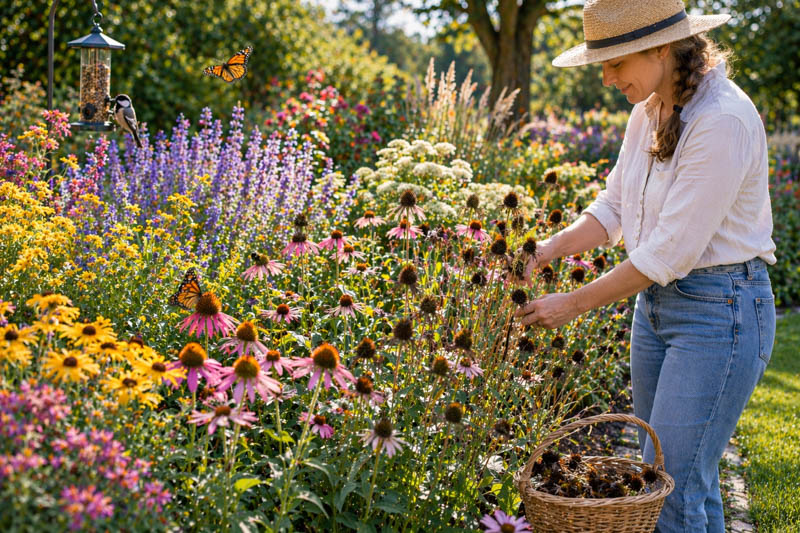
Maintenance is where many wildlife-friendly gardens quietly lose ecological value. The problem is not neglect. It is applying conventional cleanup habits to a garden that depends on habitat continuity.
A wildlife garden is not meant to be reset each season. It is meant to evolve. Good maintenance supports that process rather than interrupting it.
Spring is one of the most sensitive maintenance periods. Many beneficial insects overwinter in stems, seedheads, and leaf litter, so cleaning too early can remove them before they emerge.
A better approach:
Early bloomers such as crocus and hellebores benefit from light cleanup, not total clearing.
Summer maintenance should focus on extending bloom where useful without removing too much structure.
Focus on selective maintenance:
Leaving part of a planting untouched helps maintain habitat even while encouraging fresh bloom.
Fall is where tidy-garden habits often conflict most sharply with habitat goals.
Instead of cutting everything back:
These features feed birds, protect insects, and provide winter structure.
In winter, the garden shifts from bloom to structure. Standing stems, seedheads, and shrubs provide food and shelter when little else is available.
Winter priorities:
Winter habitat is one of the most valuable and least visible contributions a wildlife garden can make.
Each time you remove plant material, ask what habitat role it was serving. If the answer is unclear, leave it. In wildlife gardening, restraint is often the most valuable form of maintenance.
Wildlife gardening is not limited by space. Small gardens can perform extremely well when designed with precision.
For example, combining lavender, echinacea, and asters creates a clear progression from early summer into fall.
Front yards often need a more structured appearance, but that does not mean they have to lose habitat value.
This approach balances ecological value with a cleaner, more intentional look.
Containers can extend the reach of a wildlife garden, especially in urban spaces or on patios.
Even a few well-placed containers can noticeably increase pollinator activity.
A wildlife-friendly garden is not defined by a single beautiful moment. It is defined by how well it continues to support life over time.
When you plan around feeding, shelter, breeding support, water, seasonal timing, and spatial structure, the garden becomes more than attractive. It becomes dependable. It develops resilience, ecological depth, and a visible sense of life that lasts well beyond peak bloom.
The result is not just a better border or a prettier backyard. It is a landscape that actively participates in the surrounding ecosystem, supporting birds, pollinators, and biodiversity in a meaningful way.
Reliable resource availability across the year. A strong wildlife garden provides nectar, pollen, seeds, berries, shelter, and breeding habitat in every major season.
Because a garden can contain many good plants and still have weak periods. Seasonal planning helps you see where food or habitat drops off and where reinforcement is needed.
Native plants are especially valuable because they support local ecosystems and host relationships, but they can be combined with well-chosen non-invasive ornamentals to improve seasonal performance and design quality.
Start by identifying weak periods in the year, especially late summer and fall, then add plants that provide resources during those windows. Strengthen grouping, layering, and shelter as needed.
Yes. Repetition, grouping, clear edges, and layered planting can create a structured look while still providing strong habitat value.
Gardenia Plant Finder helps narrow plant choices by zone, bloom time, light, soil, and size, while the Gardenia Design Tool helps test spacing, grouping, and seasonal balance before planting.
Updated: April 2026 • Reviewed by Gardenia Editors
Create a membership account to save your garden designs and to view them on any device.
Becoming a contributing member of Gardenia is easy and can be done in just a few minutes. If you provide us with your name, email address and the payment of a modest $25 annual membership fee, you will become a full member, enabling you to design and save up to 25 of your garden design ideas.
Join now and start creating your dream garden!
Create a membership account to save your garden designs and to view them on any device.
Becoming a contributing member of Gardenia is easy and can be done in just a few minutes. If you provide us with your name, email address and the payment of a modest $25 annual membership fee, you will become a full member, enabling you to design and save up to 25 of your garden design ideas.
Join now and start creating your dream garden!