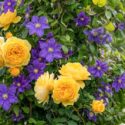
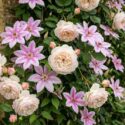
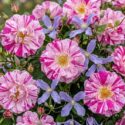
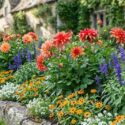
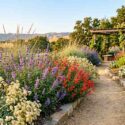
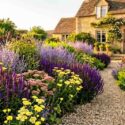
Discover 25 beautiful blue and purple flowering shrubs, from fragrant spring lilacs and violet-blue rhododendrons to summer roses and cobalt-blue fall flowers. Compare real flower colors, bloom times, and growing conditions. Find striking choices for sunny borders, partial shade, small gardens, and water-wise landscapes, then plan your perfect combinations.


Few garden colors are as captivating as blue and purple. Imagine a California lilac covered in electric-blue flowers, fragrant lavender lining a sunny path, or a richly purple rose brightening a summer border. Choose shrubs that bloom at different times, and these beautiful colors can last from spring into fall.
But finding the best blue and purple flowering shrubs isn’t always straightforward. Many plants sold as blue are actually violet or lavender. Hydrangeas may change color with soil chemistry, while others flower spectacularly for only a few weeks.
Discover 25 beautiful blue and purple flowering shrubs for sunny borders, partial shade, small gardens, dry landscapes, and mild coastal climates. Compare flower colors, blooming seasons, and growing conditions to find the right plants for your garden.
Are blue flowering shrubs really blue? Some are. Cape plumbago produces sky-blue flowers, Chinese plumbago offers vivid cobalt blue, and California lilacs display deep blue blossoms. But ‘Rhapsody in Blue’ rose is purple, Blue Chiffon Rose of Sharon is lavender-blue, and blue hydrangeas depend partly on soil chemistry. Choose by actual flower color, not cultivar name alone.
A note on plant types: This selection includes conventional woody shrubs and a few shrubby perennials or subshrubs, such as lavender, Russian sage, and Mexican bush sage, which provide a similar garden effect.
Spring brings fragrant lilacs, spectacular California lilacs, and richly colored rhododendrons. Their displays are often brief but unforgettable.
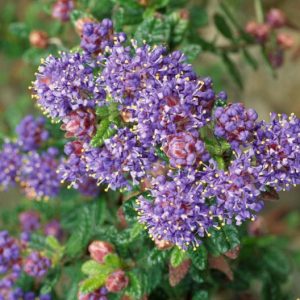
Ceanothus ‘Concha’ covers its evergreen branches with masses of deep blue flowers opening from reddish-purple buds in spring. One of the most striking blue-flowering shrubs, it thrives in sunny, well-drained Mediterranean-style gardens. Once established, it needs relatively little summer irrigation and attracts pollinating insects.
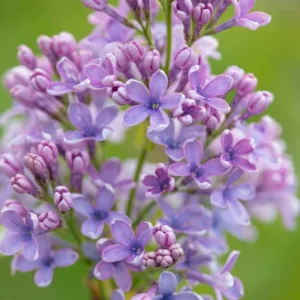
Lilac ‘Wedgewood Blue’ produces wonderfully fragrant lavender-blue flowers opening from lilac-pink buds in late spring. Ideal for sunny cottage gardens and flowering hedges, it prefers well-drained soil and cold winters. Prune after flowering to protect next year’s buds.
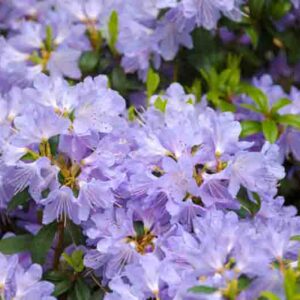
Rhododendron ‘Blue Tit’ brings delicate violet-blue spring flowers to partially shaded gardens. Its small evergreen leaves provide year-round interest. Grow in acidic, humus-rich, moist but well-drained soil, protected from hot afternoon sun. The flowers are lavender-blue rather than pure blue.
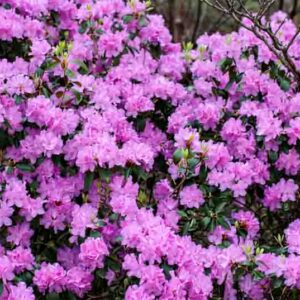
Rhododendron ‘PJM Elite’ produces abundant reddish-purple flowers in early spring, complemented by evergreen foliage that develops bronze-purple tones in winter. Particularly useful in cold-climate gardens, it prefers acidic, well-drained soil and protection from drying winds. Rhododendrons are poisonous if ingested.
Creeping Blue Blossom covers its low, spreading evergreen branches with blue flower clusters in spring. This California native is excellent for slopes, sunny banks, and retaining walls. It prefers excellent drainage and limited summer irrigation once established.
California Lilac ‘Trewithen Blue’ bears abundant, fragrant deep blue flowers in late spring. Its arching evergreen branches make an impressive specimen or informal screen. Best for spacious, sunny gardens, it needs good drainage and protection from severe frost.
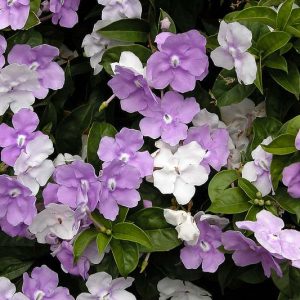
Yesterday, Today and Tomorrow produces fragrant flowers that open purple, fade to lavender, and finally turn white, creating an enchanting multicolored display. This tropical evergreen prefers partial shade, moist but well-drained soil, and frost protection. All parts are poisonous if ingested.
| Plant Type | Shrubs |
|---|---|
| Genus | Buddleia, Caryopteris, Ceanothus, Hibiscus, Hydrangea, Lagerstroemia, Lavandula, Rhododendron, Rosa, Salvia, Syringa |




Summer offers the widest selection, from fragrant purple roses and lavender to blue hydrangeas and heat-loving flowering hedges.
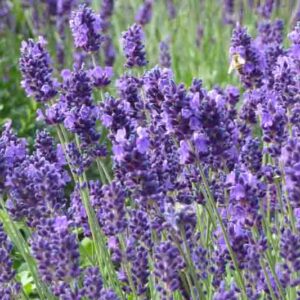
Lavender ‘Hidcote’ bears richly purple flower spikes above aromatic, silvery-green foliage. Perfect for sunny paths, gravel gardens, and low hedges, this evergreen subshrub attracts bees and thrives in sharply drained soil. Avoid heavy pruning into old wood.
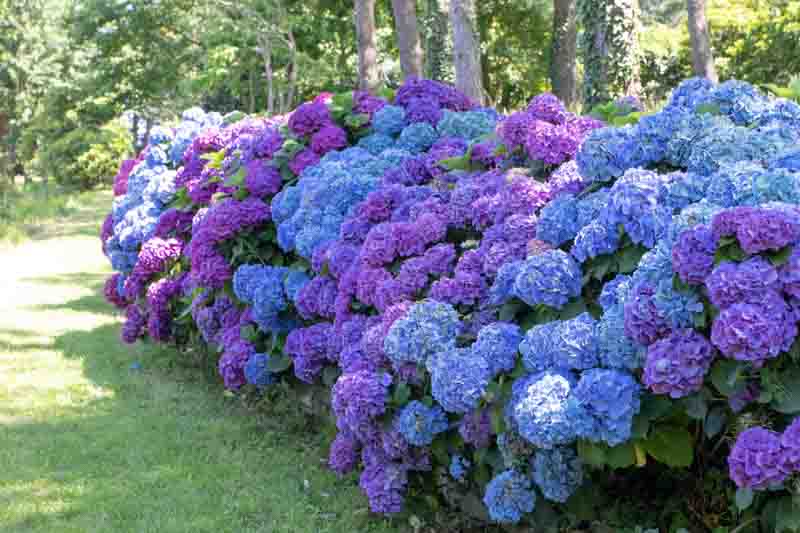
Endless Summer hydrangea produces generous flower heads that can be blue, purple, or pink. Acidic soil with available aluminum encourages blue blooms. Flowering on both old and new wood, it prefers consistent moisture and afternoon shade in hot climates.
Rhapsody in Blue rose produces fragrant violet-purple flowers that fade to smoky mauve-gray, revealing golden stamens. Despite its name, it isn’t truly blue. Its repeated flowering makes it a lovely choice for sunny cottage borders with fertile soil and good airflow.
Purple Magic crape myrtle produces vivid purple, crinkled flower clusters throughout summer, complemented by reddish new foliage. This compact deciduous shrub excels in hot, sunny gardens and tolerates drought once established. Removing spent flowers may encourage rebloom.
Butterfly Bush ‘Black Knight’ bears fragrant, exceptionally dark purple flower spikes from midsummer into fall. Its nectar-rich flowers attract butterflies and bees. Grow in sun and well-drained soil, but check local regulations because Buddleja davidii is invasive or restricted in some regions.
Butterfly Bush ‘Blue Chip’ produces blue-violet flower spikes on a compact shrub, ideal for small gardens and containers. Flowering from midsummer into fall, this low-growing cultivar produces very little viable seed and is approved for sale in Oregon under its sterile-butterfly-bush program. Regulations vary elsewhere, so check local guidance before planting.
Blue Chiffon Rose of Sharon features large, lacy lavender-blue flowers with reddish-purple centers from midsummer into autumn. Its upright habit makes it useful for sunny flowering screens and mixed borders. The blossoms are more lavender-blue than clear sky blue.
Chaste Tree ‘Shoal Creek’ produces graceful blue-violet flower spikes above aromatic foliage. Its summer blooms attract bees and butterflies. This sun-loving shrub or small tree tolerates heat and drought once established but can spread beyond cultivation in some regions.
Hebe ‘Patty’s Purple’ combines evergreen foliage and reddish stems with lavender-purple flower spikes that gradually fade to white. This compact shrub is attractive in containers, coastal gardens, and low hedges. It prefers well-drained soil and mild winters.


Which shrubs bloom longest? Rhapsody in Blue rose, Blue Chiffon Rose of Sharon, and butterfly bushes provide extended flowering. Lavender and hebe have shorter seasonal displays, while Purple Magic crape myrtle may produce additional flowers after deadheading.
These late bloomers extend blue and purple color into autumn, often attracting pollinators when fewer shrubs are flowering.
Caryopteris ‘Dark Knight’ produces deep blue-purple flowers against aromatic green leaves in late summer and early fall. Bees and butterflies love its nectar-rich blossoms. This compact deciduous shrub thrives in sun and well-drained soil. Prune in spring.
Grand Bleu Bluebeard is a compact shrub bearing abundant deep blue flowers in late summer and fall. Its aromatic, dark green foliage complements the blossoms. Excellent for sunny borders and smaller gardens, it prefers well-drained soil and attracts pollinators.
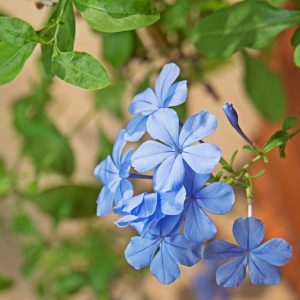
Chinese plumbago produces brilliant cobalt-blue flowers in late summer and autumn, often accompanied by striking red fall foliage. This deciduous shrub is ideal for sunny or lightly shaded borders with good drainage and offers a beautiful contrast of blue and red.
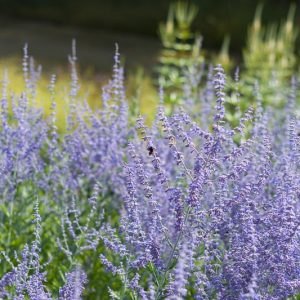
Russian Sage ‘Blue Spire’ creates an airy haze of violet-blue flowers above silvery stems and aromatic foliage. Flowering from midsummer into autumn, this woody-based perennial thrives in sunny, dry, well-drained gardens. Cut back in late winter or early spring.
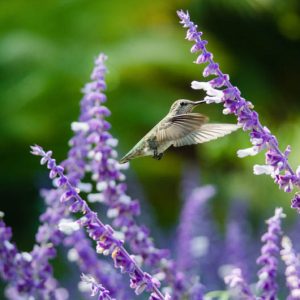
Mexican Bush Sage produces velvety purple flower spikes with contrasting white blossoms from late summer into fall. This tender, shrubby perennial attracts hummingbirds and pollinators and thrives in sunny, well-drained gardens. The typical species is purple and white, not uniformly purple.


Mild-winter regions enjoy some of the most spectacular blue and purple shrubs, including tropical favorites that flower for months.
Cape plumbago produces masses of sky-blue flowers on arching stems from spring into fall in warm climates. This vigorous evergreen shrub looks beautiful spilling over retaining walls or forming informal screens. Give it sunshine, good drainage, and room to spread.
Princess Flower bears spectacular royal-purple flowers above velvety foliage from summer into autumn. This frost-sensitive evergreen shrub prefers fertile, moist but well-drained soil. It can be invasive in some tropical regions, including Hawaii.
Blue Potato Bush produces masses of violet-blue flowers with golden centers throughout warm weather. Useful for sunny hedges, screens, and patio specimens, this fast-growing evergreen needs frost protection. Its berries and other plant parts are poisonous if ingested.
Golden Dewdrop produces elegant violet-blue flower clusters, often edged in white, followed by ornamental golden berries. This long-flowering evergreen suits tropical hedges and screens. The berries are poisonous, and the plant can be invasive in warm regions.


Not every blue or purple flower looks the same. Gardenia’s comparison distinguishes clear blue, blue-violet, purple, and changing flower colors, alongside blooming seasons and USDA hardiness. These are practical visual categories, not laboratory pigment measurements.
How to choose the right shade: Clear blue includes sky blue, cobalt, and deep blue. Blue-violet flowers have a noticeable purple cast. Purple ranges from lavender to rich violet. Variable flowers change as they age or respond to soil conditions. Compare the actual flower color before planning a coordinated border.
| Flowering Shrub | USDA Zones | Main Bloom | Actual Flower Color |
|---|---|---|---|
| Ceanothus ‘Concha’ | 7-10 | Spring | Deep blue |
| Lilac ‘Wedgewood Blue’ | 3-7 | Late spring | Lavender-blue |
| Rhododendron ‘Blue Tit’ | 6-10 | Spring | Violet-blue |
| Rhododendron ‘PJM Elite’ | 4-8 | Early-mid spring | Reddish purple |
| Creeping Blue Blossom | 7-11 | Spring | Blue |
| Ceanothus ‘Trewithen Blue’ | 8-10 | Late spring-early summer | Deep blue |
| Yesterday, Today and Tomorrow | 9-11 | Spring-early summer | Purple fading to white |
| Lavender ‘Hidcote’ | 5-9 | Late spring-summer | Deep purple |
| Endless Summer Hydrangea | 4-9 | Summer, possible rebloom | Blue, purple, or pink |
| Rhapsody in Blue Rose | 5-9 | Late spring-fall, repeat | Violet-purple, fading mauve |
| Purple Magic Crape Myrtle | 6-9 | Summer | Vivid purple |
| Butterfly Bush ‘Black Knight’ | 5-9 | Midsummer-fall | Dark purple |
| Butterfly Bush ‘Blue Chip’ | 5-9 | Midsummer-fall | Blue-violet |
| Blue Chiffon Rose of Sharon | 5-9 | Midsummer-fall | Lavender-blue |
| Chaste Tree ‘Shoal Creek’ | 6-9 | Summer | Blue-violet |
| Hebe ‘Patty’s Purple’ | 8-11 | Summer | Purple fading white |
| Caryopteris ‘Dark Knight’ | 6-9 | Late summer-fall | Deep blue-purple |
| Grand Bleu Bluebeard | 6-9 | Late summer-fall | Deep blue |
| Chinese Plumbago | 6-9 | Late summer-fall | Cobalt blue |
| Russian Sage ‘Blue Spire’ | 4-9 | Midsummer-fall | Violet-blue |
| Mexican Bush Sage | 8-10 | Late summer-fall | Purple and white |
| Cape Plumbago | 8-11 | Spring-fall in warmth | Sky blue |
| Princess Flower | 9-11 | Summer-fall | Royal purple |
| Blue Potato Bush | 9-11 | Summer-fall | Violet-blue, yellow centers |
| Golden Dewdrop | 9-11 | Summer-fall | Violet-blue, often white-edged |
USDA zones and flowering seasons are approximate. Growing conditions, climate, and cultivar characteristics can affect results. Consult individual plant profiles for detailed requirements.
For true blue flowers: Cape plumbago, Chinese plumbago, and Ceanothus offer some of the clearest blue shades.
For full sun and low water: Established Ceanothus, lavender, Caryopteris, and Russian sage are excellent choices in well-drained soil.
For partial shade: Rhododendron ‘Blue Tit’, Endless Summer hydrangea, and Brunfelsia in mild climates.
For cold climates: Lilac ‘Wedgewood Blue’, PJM Elite rhododendron, and Russian sage.
For small gardens: Hebe ‘Patty’s Purple’, Grand Bleu bluebeard, and Butterfly Bush ‘Blue Chip’.
For fall color: Chinese plumbago, Caryopteris, and Mexican bush sage extend flowering into autumn.
For more climate-specific recommendations, explore Gardenia’s Purple Flowering Shrubs by USDA Zone. For blue flowers across other plant types, visit Best Blue Flowers for Your Garden.
Can These Blue and Purple Shrubs Grow Together?
Add your favorites to Gardenia’s Garden Design Tool to compare typical flowering seasons, check growing-condition compatibility, plan planting quantities, and create a shopping list.
Start free with up to five plants.
Combine: Ceanothus ‘Concha’, Lavender ‘Hidcote’, and silver-leaved dry-garden plants.
Deep blue California lilac flowers brighten spring, followed by purple lavender spikes in summer. Silvery foliage links the seasons. Choose a sunny, sharply drained location and avoid frequent summer watering around established Ceanothus.
Combine: Lilac ‘Wedgewood Blue’, Rhapsody in Blue rose, and purple-flowering hardy geraniums.
Fragrant lavender-blue lilac flowers announce late spring, while violet-purple roses and geraniums provide summer color. This combination suits sunny temperate gardens with adequate winter chilling and fertile soil.
Combine: Blue Chiffon Rose of Sharon, Caryopteris ‘Dark Knight’, and Chinese plumbago.
Lavender-blue hibiscus flowers introduce midsummer color, followed by blue-purple Caryopteris and cobalt-blue Chinese plumbago. Their contrasting flower shapes extend the display into autumn.
Match watering and drainage. Ceanothus, lavender, and Russian sage favor good drainage and generally dislike persistently wet soil. Hydrangeas need more consistent moisture.
Understand blue hydrangeas. Some bigleaf hydrangeas develop blue flowers when aluminum is available in acidic soil. Soil pH alone does not guarantee blue blooms, and not every cultivar responds.
Prune at the right time. Spring-flowering lilacs and rhododendrons generally need pruning after flowering. Caryopteris and Russian sage bloom on new growth and respond to late-winter or spring pruning.
Check local suitability. Cape plumbago and Princess Flower need frost protection. Butterfly bush, chaste tree, Duranta, and Princess Flower can be invasive in some regions.
Yes. Cape plumbago produces sky-blue flowers, Chinese plumbago offers cobalt blue, and selected California lilacs display deep blue. Many other shrubs sold as blue are lavender or violet-blue.
Excellent choices include Purple Magic crape myrtle, Lavender ‘Hidcote’, Rhapsody in Blue rose, Princess Flower, and Butterfly Bush ‘Black Knight’, where locally appropriate.
Rhapsody in Blue rose, Blue Chiffon Rose of Sharon, and butterfly bushes flower for extended periods. Cape plumbago and Blue Potato Bush bloom for months in warm climates.
Ceanothus, many rhododendrons, and hebes are evergreen. Cape plumbago, Princess Flower, Blue Potato Bush, and Golden Dewdrop remain evergreen in frost-free climates.
Established lavender, Ceanothus, Caryopteris, and Russian sage tolerate dry conditions in well-drained soil. All need watering during establishment.
Some bigleaf hydrangeas develop blue flowers when aluminum is available in acidic soil. Flower color depends on cultivar genetics and soil chemistry.
Rhododendron ‘Blue Tit’ produces violet-blue flowers in partial shade, while certain bigleaf hydrangeas can bloom blue in suitable soil. Brunfelsia tolerates partial shade in mild climates.
Ceanothus, Caryopteris, lavender, Russian sage, Mexican Bush Sage, and chaste tree attract pollinating insects. Butterfly bush also attracts butterflies but may be invasive.
Grand Bleu bluebeard, Butterfly Bush ‘Blue Chip’, Hebe ‘Patty’s Purple’, and Lavender ‘Hidcote’ are attractive compact selections in suitable climates.
Combine spring-flowering Ceanothus, lilacs, or rhododendrons with summer roses, lavender, and Rose of Sharon. Add Caryopteris, Chinese plumbago, or Mexican Bush Sage for autumn color.
A beautiful blue-and-purple garden starts with choosing plants that suit your climate and growing conditions. Combine spring, summer, and fall bloomers, balancing rich violet flowers with softer blue and lavender shades.
Create Your Blue and Purple Flowering Garden
Add your favorite shrubs to Gardenia’s Garden Design Tool. Compare blooming seasons, check compatibility, plan planting quantities, and create a shopping list. Start free with up to five plants.
Updated and reviewed by Gardenia: November 2026
| Plant Type | Shrubs |
|---|---|
| Genus | Buddleia, Caryopteris, Ceanothus, Hibiscus, Hydrangea, Lagerstroemia, Lavandula, Rhododendron, Rosa, Salvia, Syringa |
Create a membership account to save your garden designs and to view them on any device.
Becoming a contributing member of Gardenia is easy and can be done in just a few minutes. If you provide us with your name, email address and the payment of a modest $25 annual membership fee, you will become a full member, enabling you to design and save up to 25 of your garden design ideas.
Join now and start creating your dream garden!