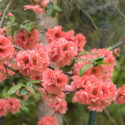
Discover 25 beautiful full-sun shrubs for USDA Zone 10, from tropical hibiscus and bougainvillea to colorful California natives and evergreen coastal hedges. Compare flowering seasons, mature sizes, water needs, and regional suitability. Find the right plants for your sunny garden and create a landscape that thrives year-round.


Few climates offer as many possibilities as USDA Zone 10. Flowering maples dangle colorful lantern-like blossoms, rockroses cover sunny slopes with papery flowers, and pineapple guava combines silvery foliage with unusual edible fruit. Add fragrant evergreens, California lilacs, and spectacular subtropical shrubs, and a sunny garden can look beautiful in every season.
But Zone 10 is not one climate. A coastal California garden with dry summers needs different plants from a humid South Florida landscape or a scorching inland courtyard. Winter hardiness is only the starting point.
These 25 best full-sun shrubs for USDA Zone 10 include flowering favorites, Mediterranean evergreens, California natives, drought-tolerant shrubs, and colorful subtropical choices. Use Gardenia’s Climate-Match Check to find plants that suit your growing conditions, mature gracefully, and require less unnecessary maintenance.
For flowers that steal the show, tropical hibiscus is a natural favorite. Its enormous blooms create instant color in warm, sunny borders. Give it regular water and nutrients for a generous display.
Painted abutilon ‘Thompsonii’ offers something more delicate: dangling salmon-colored bells above striking yellow-speckled leaves. It performs especially well in mild coastal gardens, though it appreciates afternoon protection in the hottest inland locations.
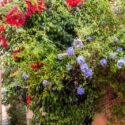
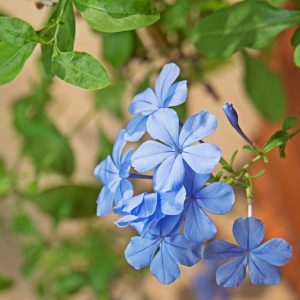
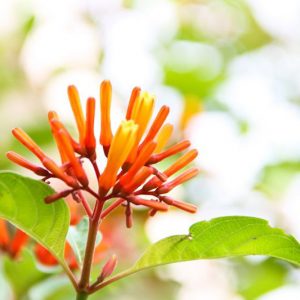
Cape plumbago produces airy clusters of sky-blue flowers on gracefully arching stems. Firebush adds fiery orange-red blossoms that attract hummingbirds, especially in warm, humid gardens.
For purple-blue flowers and ornamental golden berries, golden dewdrop (Duranta erecta) is hard to overlook. This vigorous shrub can bloom over an extended season, but it needs room, pruning, and careful placement because its berries and foliage are highly poisonous.
| Hardiness |
10 |
|---|---|
| Plant Type | Shrubs |
| Genus | Abutilon, Acacia, Arbutus, Ceanothus, Choisya, Cistus, Eriogonum, Grevillea, Hibiscus |
| Exposure | Full Sun |



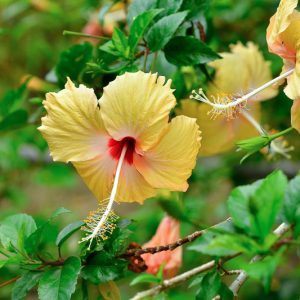
Important safety and regional note: Duranta’s berries and foliage are poisonous to people and pets, and the species is invasive in some tropical regions. Check local restrictions before planting. For hot inland gardens, abutilon may flower more reliably with protection from intense afternoon sun, even though it tolerates full sun in milder climates.
Mediterranean-style gardens are especially rewarding in dry-summer parts of Zone 10. Pineapple guava (Acca sellowiana) combines handsome silver-green foliage, unusual flowers with red stamens, and aromatic edible fruit. Plant compatible varieties when dependable fruit production is a priority.
Strawberry tree (Arbutus unedo) brings year-round character with glossy evergreen leaves, small urn-shaped flowers, and red strawberry-like fruit. It can become a substantial shrub or small tree, so give it room.
Mexican orange blossom (Choisya ternata) deserves a place near patios and entrances, where its fragrant white flowers can be enjoyed close up. Crimson-spot rockrose (Cistus ladanifer) produces large white flowers marked with dramatic maroon blotches against aromatic evergreen foliage.
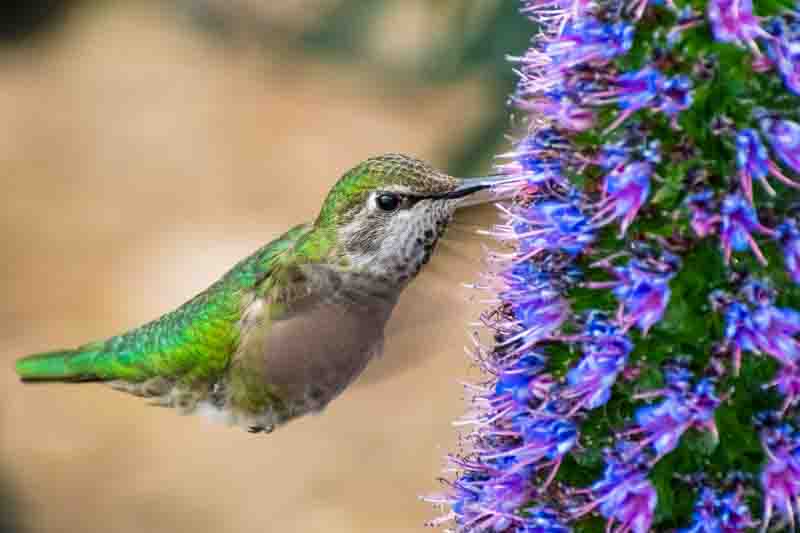
For a truly spectacular spring display, Pride of Madeira (Echium candicans) sends enormous blue-purple flower spikes above silvery foliage. It is particularly striking in coastal landscapes, although it is relatively short-lived and needs room for its broad shape.

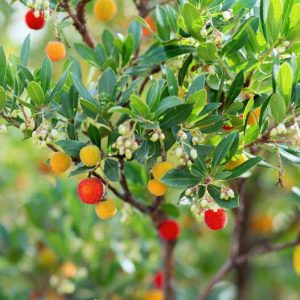
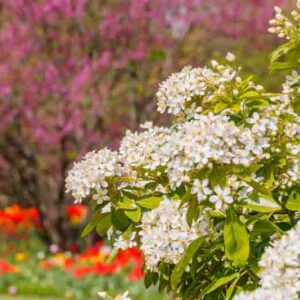


Mediterranean garden tip: Rockrose and Pride of Madeira need excellent drainage and appreciate relatively dry summers. Mexican orange blossom benefits from somewhat more moisture, while pineapple guava needs suitable pollination and irrigation for good fruit production. Pride of Madeira can self-seed in mild coastal climates; check local guidance near natural areas.
Some of the most beautiful Zone 10 shrubs are adapted to California’s long, dry summers. Ceanothus ‘Concha’, a California lilac hybrid, creates an unforgettable spring display with masses of deep-blue flowers above glossy evergreen foliage. Once established, it generally needs little summer irrigation.
Coyote bush (Baccharis pilularis) is less showy but invaluable in naturalistic landscapes. It provides late-season resources for pollinators and grows in forms ranging from low groundcover to upright shrubs. Choose the appropriate form for your design.
Cleveland sage (Salvia clevelandii) perfumes warm afternoons with aromatic foliage and violet-blue flowers. California buckwheat (Eriogonum fasciculatum) supports bees, butterflies, and birds, with delicate flowers that mature into rusty seed heads.
Coast rosemary (Westringia fruticosa) completes the group with fine-textured gray-green foliage and small pale flowers. It makes a handsome evergreen framework for sunny coastal borders.


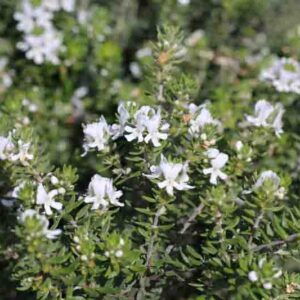
Don’t overwater a California native border: Established ceanothus, Cleveland sage, and California buckwheat may suffer in persistently wet summer soil. Use well-drained planting areas, water new plants during establishment, and avoid grouping them with thirsty tropical shrubs.
Hot, exposed gardens need shrubs that can cope with strong sunshine and occasional drought. Sweet acacia (Acacia farnesiana) produces deliciously fragrant yellow puffball flowers, often in winter or spring. Its attractive foliage is offset by sharp thorns, and it can develop into a large shrub or small tree.
Texas sage (Leucophyllum frutescens) brings silvery foliage and flushes of purple flowers, often following humid weather or rain. It is particularly effective in hot, well-drained landscapes.
Baja fairy duster (Calliandra californica) offers vivid red powderpuff flowers and a graceful, airy habit. Rosemary grevillea (Grevillea rosmarinifolia) adds unusual red blooms that attract nectar-feeding birds.
For height and informal evergreen screening, hopbush (Dodonaea viscosa) is a versatile option. Its narrow leaves and papery seed capsules provide texture without the heavy appearance of a formal hedge.
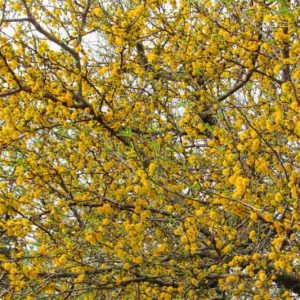
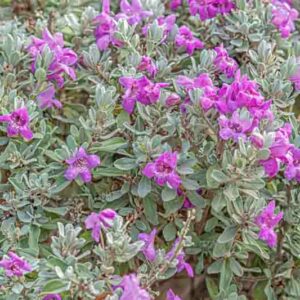

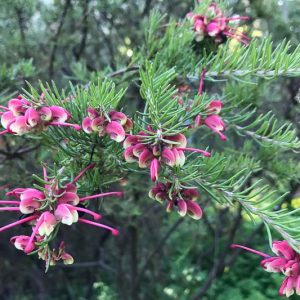

Best conditions: Full sun and freely draining soil. These shrubs generally tolerate drought after establishment, but their irrigation needs differ. Keep rosemary grevillea away from phosphorus-rich fertilizers, and avoid planting thorny sweet acacia beside walkways.
When you want year-round structure, Japanese pittosporum (Pittosporum tobira) forms a handsome hedge with glossy leaves and fragrant spring flowers. It is especially useful in suitable coastal and Mediterranean gardens.
Laurustinus (Viburnum tinus) offers pink buds, white winter-to-spring flowers, and dark ornamental berries. Its dense evergreen growth makes it a reliable informal screen where summers are not excessively hot and humid.
New Zealand tea tree (Leptospermum scoparium) adds fine-textured evergreen foliage and masses of white, pink, or red flowers, depending on the cultivar. It is particularly attractive in sunny, well-drained coastal borders.
Bougainvillea brings brilliant color to walls, fences, and substantial shrub borders. It is naturally a vigorous climber, so it needs training or generous space rather than treatment as a compact hedge.
For dramatic tropical foliage, copperleaf (Acalypha wilkesiana) creates glowing combinations of bronze, copper, red, yellow, and pink. It performs best in warm, sheltered conditions with adequate moisture.
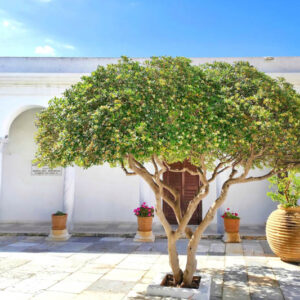


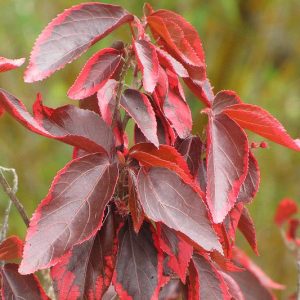

Choose the right evergreen: Pittosporum, laurustinus, and tea tree are especially useful in Mediterranean-style landscapes. Copperleaf prefers more tropical growing conditions and is toxic to pets. Bougainvillea is thorny, vigorous, and best kept away from narrow paths.
This comparison highlights mature height, climate suitability, and the most important planting consideration. Sizes are approximate and vary with cultivar, irrigation, and pruning.
| Shrub | Climate Fit | Main Appeal | Important Consideration |
|---|---|---|---|
| Tropical Hibiscus | Humid / irrigated | Large colorful flowers | Regular moisture and feeding |
| Painted Abutilon ‘Thompsonii’ | Mild coastal / sheltered | Hanging bells, variegated foliage | Afternoon shade in extreme heat |
| Cape Plumbago | Warm, irrigated | Long-season blue flowers | Sprawling growth |
| Firebush | Humid subtropical | Hummingbirds, orange-red flowers | Vigorous growth |
| Golden Dewdrop | Humid tropical | Violet flowers, golden berries | Toxicity and regional invasive risk |
| Pineapple Guava | Dry-summer / coastal | Silver foliage, flowers, fruit | Pollination for reliable fruiting |
| Strawberry Tree | Mediterranean | Evergreen foliage, flowers, fruit | Can become a small tree |
| Mexican Orange Blossom | Mild, well-drained | Fragrant white flowers | Protect from extreme heat |
| Crimson-Spot Rockrose | Dry-summer | Large spotted flowers | Avoid wet summer soil |
| Pride of Madeira | Dry-summer coastal | Impressive blue-purple flower spikes | Short-lived; may self-seed |
| Ceanothus ‘Concha’ | California dry-summer | Deep-blue spring flowers | Drainage and mature spread |
| Coyote Bush | California dry-summer | Native habitat and late pollen | Growth habit varies by selection |
| Cleveland Sage | California dry-summer | Aromatic foliage, violet flowers | Limit summer irrigation |
| California Buckwheat | California dry-summer | Pollinators and seed heads | Good drainage essential |
| Coast Rosemary | Dry-summer coastal | Fine evergreen foliage | Drainage; avoid overwatering |
| Sweet Acacia | Hot, dry / subtropical | Fragrant yellow flowers | Sharp thorns; tree potential |
| Texas Sage | Hot, arid | Silver leaves, purple flowers | Dislikes poorly drained soil |
| Baja Fairy Duster | Hot, arid | Red powderpuff flowers | Needs space for arching habit |
| Rosemary Grevillea | Dry-summer | Nectar-rich red flowers | Avoid high-phosphorus fertilizer |
| Hopbush | Warm, well-drained | Informal evergreen screening | Allow for mature width |
| Japanese Pittosporum | Coastal / Mediterranean | Fragrant evergreen hedge | Root rot in poorly drained soil |
| Laurustinus | Mediterranean | Winter flowers, evergreen foliage | Regional pest and climate suitability |
| New Zealand Tea Tree | Mild, dry-summer | Colorful flowers, fine foliage | Avoid waterlogged soil |
| Bougainvillea | Warm, dry / drained | Brilliant colorful bracts | Thorns and vigorous growth |
| Copperleaf | Humid, sheltered | Brilliant multicolored foliage | Toxic to pets; cold-sensitive |
USDA Zone 10 has average annual extreme minimum temperatures of 30-40°F (-1.1°C to 4.4°C). Zone 10a ranges from 30-35°F and Zone 10b from 35-40°F. These measurements describe winter cold, not summer rainfall or humidity.
Dry-summer California: Cistus, ceanothus, Cleveland sage, buckwheat, and grevillea suit appropriately drained locations with limited summer irrigation.
Hot inland gardens: Texas sage, sweet acacia, Baja fairy duster, and hopbush handle strong sunshine, provided soil and watering are suitable.
Humid subtropical gardens: Hibiscus, firebush, copperleaf, and duranta can flourish in warm, humid settings, though toxicity, vigorous growth, and local invasive status may limit their suitability.
Coastal gardens: Pineapple guava, coast rosemary, Pride of Madeira, and pittosporum suit appropriate mild coastal climates. Check tolerance of direct salt spray rather than assuming all coastal plants withstand the same exposure.
Gardenia recommends checking four factors together: summer climate, soil and irrigation, exposure, and mature size. A plant can be winter-hardy in Zone 10 yet perform poorly if its summer conditions are wrong.
Choose ceanothus, rockrose, or Cleveland sage for suitable dry-summer landscapes; hibiscus and copperleaf generally prefer warmer, more moisture-rich conditions.
California buckwheat needs well-drained soil and little summer water after establishment. Abutilon benefits from more consistent moisture. Never assume two sun-loving shrubs belong on the same irrigation line.
Consider reflected heat, wind, salty air, and occasional cold snaps. Pride of Madeira suits many mild coastal gardens; abutilon may need shelter in scorching inland locations.
Strawberry tree and sweet acacia may become small trees. Coyote bush varies greatly in form. Choose compact cultivars for small gardens rather than relying on constant pruning.
| Your Garden | Better Choices | Avoid |
|---|---|---|
| Dry California slope | Ceanothus ‘Concha’, rockrose, buckwheat | Summer overwatering |
| Hot inland border | Texas sage, Baja fairy duster, hopbush | Poor drainage |
| Fragrant Mediterranean garden | Choisya, pineapple guava, Cleveland sage | Incompatible irrigation |
| Humid tropical flowers | Hibiscus, firebush, abutilon in suitable exposure | Ignoring heat and moisture needs |
| Evergreen privacy | Pittosporum, laurustinus, pineapple guava | Underestimating mature width |
| Small sunny courtyard | Compact westringia, rockrose, compact abutilon | Oversized species |
| Pollinator-rich border | Grevillea, Cleveland sage, Baja fairy duster | Shearing off flowers |
Find the Right Shrubs for Your Zone 10 Garden
Explore Gardenia’s full-sun shrub selection and compare plants by hardiness, sun, climate, soil, water needs, and mature size.
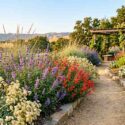
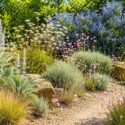
Combine: Mexican orange blossom, crimson-spot rockrose, pineapple guava, and New Zealand tea tree.
Fragrant white flowers contrast with crimson-marked rockrose blooms, silver-green guava foliage, and delicate tea tree blossoms. The planting has a relaxed, natural appearance.
Best conditions: Mild dry-summer climates and well-drained soil. Give pineapple guava appropriate watering if fruit production matters, and keep rockrose in a relatively dry position.
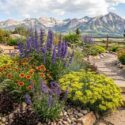
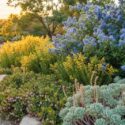
Combine: Ceanothus ‘Concha’, Cleveland sage, California buckwheat, and coyote bush.
Brilliant blue spring flowers give way to aromatic sage blooms and airy buckwheat flowers, followed by the valuable late-season resources of coyote bush.
Best conditions: Full sun, good drainage, and minimal summer watering once established. Allow enough space for the mature ceanothus.
Combine: Tropical hibiscus, painted abutilon ‘Thompsonii’, cape plumbago, and copperleaf.
Bold hibiscus flowers contrast with delicate hanging abutilon bells, blue plumbago blossoms, and copperleaf’s rich foliage colors.
Best conditions: Warm, sheltered gardens with suitable irrigation. Provide abutilon some afternoon protection in very hot locations, and avoid copperleaf where pets may chew the foliage.
Gardenia design tip: Start by grouping shrubs with compatible water requirements. Then use foliage texture, flower color, height, and bloom season to create a composition that remains attractive beyond its peak flowering period.
Discover More Zone 10 Garden Ideas
Explore Gardenia’s planting inspiration for sunny borders, water-wise gardens, and subtropical landscapes.
Plant at the right time. Autumn is ideal for many dry-summer California shrubs because winter rainfall helps establish roots. In humid subtropical regions, plant when reliable moisture is available without extreme heat.
Prioritize drainage. Ceanothus, rockrose, grevillea, and New Zealand tea tree dislike persistently wet soil. Improve drainage before planting rather than trying to compensate later.
Water according to the species. New shrubs need establishment watering. Afterwards, reduce irrigation for drought-adapted plants while maintaining appropriate moisture for tropical hibiscus, abutilon, and copperleaf.
Prune selectively. Remove unwanted shoots and shape plants after flowering where appropriate. Avoid cutting rockrose or New Zealand tea tree hard into old, bare wood. Give large shrubs enough space to grow naturally.
Watch local conditions. Monitor tropical shrubs for scale, whiteflies, and other pests. Check local invasive-plant guidance for vigorous or self-seeding species, and protect tender shrubs from occasional Zone 10a cold snaps.
Excellent choices include tropical hibiscus, pineapple guava, Mexican orange blossom, crimson-spot rockrose, Ceanothus ‘Concha’, Cleveland sage, Baja fairy duster, and coast rosemary. Choose according to local summer climate, soil, and water needs.
Pride of Madeira, Ceanothus ‘Concha’, crimson-spot rockrose, painted abutilon, hibiscus, bougainvillea, and Baja fairy duster provide outstanding floral displays. Flowering season and duration vary by region.
Rockrose, Cleveland sage, California buckwheat, coast rosemary, Texas sage, Baja fairy duster, and established ceanothus suit appropriate dry-summer or arid landscapes. All need watering while establishing.
Pittosporum, Mexican orange blossom, laurustinus, pineapple guava, hopbush, and coast rosemary can form attractive hedges in suitable climates. Mature size and watering requirements vary.
Coast rosemary, pineapple guava, Pride of Madeira, New Zealand tea tree, and pittosporum suit many mild coastal gardens. Direct salt spray and local climate should determine the final choice.
Pineapple guava is an evergreen shrub or small tree, typically growing 6-15 feet tall. It can be trained as a hedge or specimen, and suitable varieties and pollination improve fruit production.
Ceanothus, Cleveland sage, California buckwheat, Baja fairy duster, grevillea, firebush, and coyote bush support pollinators in suitable regions. Choose locally appropriate plants and avoid removing flowers through excessive pruning.
Zone 10a has average annual extreme minimum winter temperatures of 30-35°F, while Zone 10b averages 35-40°F. These ranges do not describe summer rainfall or humidity.
Autumn often favors establishment in dry-summer California. In humid subtropical climates, plant during mild weather with reliable moisture. Avoid extreme heat, drought, and unusual cold.
Some can, but many have different regional preferences. California’s dry summers and Florida’s humid summers call for different water and soil management. Check climate suitability, drainage, exposure, and mature size rather than relying on USDA hardiness alone.
From fragrant Mediterranean shrubs and brilliant California natives to tropical flowers and striking evergreen foliage, Zone 10 offers extraordinary planting possibilities. The best results come from selecting shrubs for your actual climate and giving them the space and growing conditions they need.
Turn Your Favorite Zone 10 Shrubs Into a Garden Plan
Use Gardenia’s Garden Design Tool to save plants, check compatibility, compare mature sizes and seasonal interest, estimate quantities, and prepare a shopping list.
Start free with up to five plants and refine your choices before visiting the nursery.
Updated and reviewed by Gardenia: October 2026
| Hardiness |
10 |
|---|---|
| Plant Type | Shrubs |
| Genus | Abutilon, Acacia, Arbutus, Ceanothus, Choisya, Cistus, Eriogonum, Grevillea, Hibiscus |
| Exposure | Full Sun |
Create a membership account to save your garden designs and to view them on any device.
Becoming a contributing member of Gardenia is easy and can be done in just a few minutes. If you provide us with your name, email address and the payment of a modest $25 annual membership fee, you will become a full member, enabling you to design and save up to 25 of your garden design ideas.
Join now and start creating your dream garden!