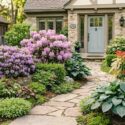
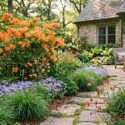
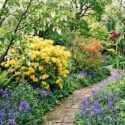
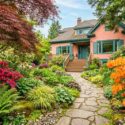
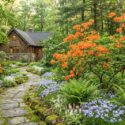
Fill your garden with purple blooms, from fragrant spring lilacs to brilliant summer shrubs and late-season pollinator favorites. Discover 15 beautiful flowering varieties for cold, temperate, and warm climates. Compare USDA hardiness zones, mature sizes, flowering seasons, and growing conditions to choose the right purple shrubs for your garden.


Few shrubs bring as much character to a garden as those covered in purple flowers. Imagine the fragrance of deep-purple lilacs drifting across a spring terrace, evergreen rhododendrons brightening a woodland border, or a sunny garden filled with violet blooms and visiting butterflies.
From compact lavender bushes to spectacular flowering shrubs, there are purple varieties for almost every garden style. The challenge is finding one that suits your climate, available space, and growing conditions.
Some lilacs need cold winters to bloom well, while crape myrtles thrive in summer heat. Rhododendrons prefer acidic soil, whereas lavender and Texas Mountain Laurel flourish in well-drained, relatively dry conditions. Flower color also varies, from rich grape-purple to lavender and blue-violet. Even hydrangeas can change color according to soil chemistry.
Discover 15 beautiful purple-flowering shrubs for different climates and garden sizes, with practical guidance on USDA hardiness zones, mature dimensions, flowering seasons, and how to choose the right varieties for your garden.
Which purple flowering shrub should you choose?
For fragrant spring flowers in colder climates, try Syringa ‘Yankee Doodle’. For evergreen woodland color, choose Rhododendron ‘PJM Elite’. In hot, sunny gardens, Lagerstroemia ‘Purple Magic’ and Lavandula ‘Royal Purple’ are attractive choices. For repeat-flowering purple roses, consider Rosa ‘Rhapsody in Blue’. For late-season pollinators, plant Caryopteris ‘Dark Knight’. In frost-free gardens, Tibouchina urvilleana offers some of the richest royal-purple flowers.
Before choosing your favorite shade of purple, consider what you want the shrub to do. Are you looking for a fragrant flowering hedge, a compact plant for a patio, an evergreen screen, or a long-blooming shrub that attracts pollinators?
Four considerations make the biggest difference:
Purple is not one precise flower color. Some shrubs produce deep violet or reddish-purple blossoms, while others lean toward lavender, blue-purple, or mauve. Named cultivars offer a more predictable choice, although soil conditions can influence the flowers of certain hydrangeas.
Don’t confuse purple leaves with purple flowers. Some shrubs are grown primarily for their dark foliage or colorful berries. Loropetalum ‘Purple Diamond’, for example, has purple leaves but pink flowers. American beautyberry is admired for its vivid purple berries rather than its small pinkish-lavender blooms. The shrubs in this guide are selected for their purple, violet, or lavender flowers.
Cold-climate gardeners have wonderful choices, from intensely fragrant lilacs to hardy evergreen rhododendrons. All three shrubs below bring beautiful spring color, but their sunlight and soil requirements differ considerably.
USDA Zones 4-7 | 7-8 ft. tall, 6-8 ft. wide | Late spring
One of the darkest purple lilacs, ‘Yankee Doodle’ produces large, intensely fragrant clusters of rich purple flowers against fresh green foliage. Blooming for several weeks in late spring, it makes a memorable specimen or flowering hedge. Give it full sun, good air circulation, and fertile, well-drained soil, preferably neutral to alkaline. Its generous size makes it particularly attractive along garden boundaries or near a seating area where its fragrance can be enjoyed.
USDA Zones 4-8 | 5-6 ft. tall | Mid to late spring
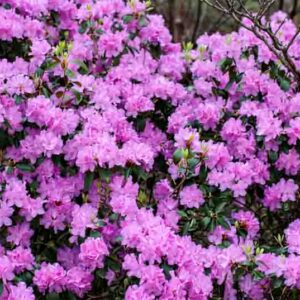
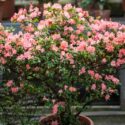
Covered in vibrant reddish-purple flowers, ‘PJM Elite’ is an exceptionally hardy evergreen rhododendron. Its small, glossy leaves develop rich bronze-purple tones in cold weather, providing interest well beyond the flowering season. Grow it in acidic, humus-rich, well-drained soil, sheltered from harsh winter winds and intense afternoon sunlight. It is particularly effective in woodland borders and evergreen foundation plantings.
USDA Zones 4-8 | 6-10 ft. tall | Spring to early summer
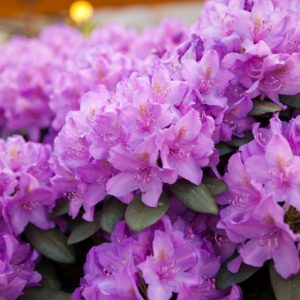
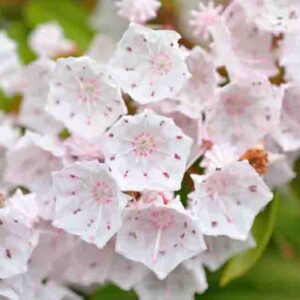
This eastern North American native produces impressive rounded clusters of lilac-purple flowers above large, leathery evergreen leaves. Its substantial habit makes it ideal for woodland borders, informal screens, and naturalistic gardens. Plant in acidic, moist but well-drained soil, with protection from intense afternoon sun. Allow plenty of room for its broad mature spread, as this is a shrub that becomes increasingly beautiful with age.
| Plant Type | Shrubs |
|---|---|
| Genus | Hebe, Hydrangea, Rhododendron, Syringa |
When space is limited, compact shrubs offer flowers without overwhelming neighboring plants. These three work beautifully in containers, low borders, or carefully planned courtyard gardens, although their climate and soil requirements differ.
USDA Zones 6-9 | 3-4 ft. tall | Midsummer to early fall
Large rounded flower heads range from rich purple-blue to deep rosy-pink, depending on soil conditions and aluminum availability. As the flowers age, they develop attractive plum tones. This compact bigleaf hydrangea is particularly effective in a sheltered border or large container. Give it morning sun or bright partial shade and consistently moist, well-drained soil.
USDA Zones 8-11 | 2-3 ft. tall | Summer
Compact and rounded, this evergreen shrub carries lavender-purple flower spikes above tiny deep-green leaves and wine-red stems. The flowers gradually fade toward white, creating an attractive two-tone effect. Its naturally neat shape suits containers, coastal gardens, and low informal hedges. Provide sun or partial shade and well-drained soil, with protection from severe frost.
USDA Zones 5-9 | 2-3 ft. tall, 3-4 ft. wide | Early to midsummer
With its long, richly colored lilac-purple flower spikes and wonderfully aromatic foliage, ‘Royal Purple’ brings the charm of a Mediterranean garden to sunny borders. Introduced in the 1940s, this English lavender produces an abundant early-summer display above neat, bushy growth. Its fragrant flowers are excellent for cutting and drying, while bees and butterflies visit them eagerly. Plant in full sun and sharply drained soil. Once established, it tolerates drought and is particularly beautiful along pathways, in gravel gardens, or as a low flowering hedge.
When spring lilacs and rhododendrons finish flowering, these sun-loving shrubs take over. They are especially valuable for bringing strong color to summer borders and sunny garden entrances.
USDA Zones 5-9 | 5-8 ft. tall | Midsummer to fall
Long, fragrant spikes of deep violet-purple flowers arch above gray-green leaves, attracting butterflies and other nectar-feeding insects. ‘Black Knight’ provides exceptionally dark flower color in a sunny border. However, Buddleja davidii is invasive or regulated in some regions, and its nectar does not replace the host plants butterfly caterpillars need. Check local restrictions before planting.
USDA Zones 6-9 | 6-10 ft. tall | Summer, with possible rebloom
Rich purple flower clusters cover this compact crape myrtle during summer, standing out against glossy foliage that emerges reddish before turning green. Its rounded habit makes it attractive as a specimen or informal flowering hedge. Give it full sun, adequate growing space, and regular watering during establishment. Removing spent flower clusters can encourage a lighter second display.
USDA Zones 5-9 | 8-12 ft. tall | Midsummer to fall
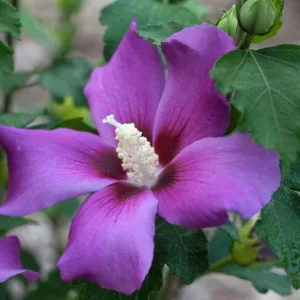
Large, single, deep-purple flowers with a contrasting red eye bring color to an upright, bushy shrub when many early-season plants are fading. Purple Satin® is a sterile cultivar that does not produce viable seed, an advantage over potentially self-seeding varieties. Grow it in full sun or bright partial shade, allowing room for its mature width.
Want summer flowers without excessive maintenance? Choose a shrub naturally suited to your climate. Crape myrtles appreciate summer heat; Rose of Sharon tolerates a range of temperate growing conditions; butterfly bush needs local invasive-plant screening. None is a good choice for a heavily shaded border where flowers are the priority.
Late-flowering shrubs keep borders interesting after their spring and early-summer companions have finished. They can also provide valuable nectar for pollinators preparing for autumn.
USDA Zones 6-9 | 3-4 ft. tall | Late summer to early fall
Deep blue-purple flowers crowd the stems of this compact deciduous shrub, contrasting with aromatic, dark-green foliage. Bees and butterflies visit the flowers regularly. Caryopteris is a good choice for a sunny, well-drained border and tolerates drought once established. Prune in spring as new shoots begin to emerge.
USDA Zones 7-10 | 8-15 ft. tall, 6-10 ft. wide; occasionally larger | Spring
Few drought-tolerant evergreens offer flowers as captivating as Texas Mountain Laurel. In spring, clusters of violet-purple, pea-shaped blossoms hang among its glossy, dark-green leaves, filling the air with an extraordinary fragrance reminiscent of grape candy. Native to the American Southwest, this slow-growing shrub or small tree thrives in full sun, tolerates partial shade, and adapts beautifully to dry, rocky, or alkaline soils. Its dense foliage provides year-round structure, making it an excellent choice for water-wise gardens, sunny courtyards, and informal screens. The bright red seeds are highly poisonous if chewed or ingested.
USDA Zones 5-9 | 4-5 ft. tall, 2-3 ft. wide | Late spring to fall
One of the most distinctive purple roses, award-winning ‘Rhapsody in Blue’ produces fragrant, semi-double flowers in rich violet-purple, gradually fading to soft mauve-gray. As the blossoms open, their golden stamens create a striking contrast with the unusually dark petals. Flowering in repeated flushes from late spring into fall, this bushy shrub rose brings months of color and a delightful fragrance to sunny borders. Grow it in full sun with fertile, moist but well-drained soil. Its compact, upright habit makes it particularly attractive in cottage gardens, mixed borders, and smaller spaces.
In mild coastal and subtropical climates, some of the most vivid purple flowers come from shrubs that would not survive a cold northern winter. Check frost risk, mature size, and local invasive-plant guidance carefully.
USDA Zones 9-11 | 10-20 ft. tall | Summer to fall, sometimes longer
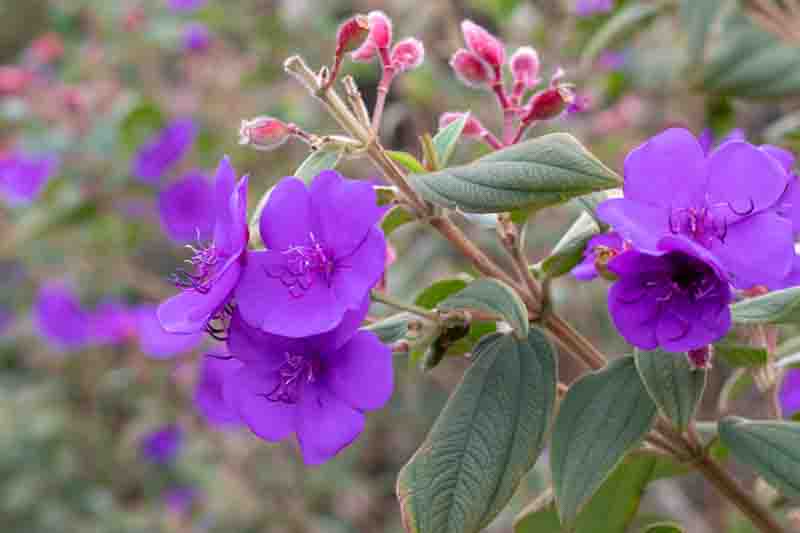
Few shrubs rival princess flower for the richness of its royal-purple blossoms. Large, velvety flowers open above softly textured foliage, creating a tropical display. Grow it in a sheltered position with fertile, well-drained soil and good light. It can be frost-damaged, spreads by suckers, and is considered a noxious weed in Hawaii.
USDA Zones 9-11 | 3-8 ft. tall | Spring to early summer
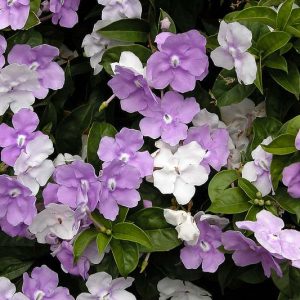
One of the most unusual purple-flowering shrubs, Brunfelsia produces richly colored blossoms that fade from purple to lilac and finally white. Different-aged flowers appear together, creating a beautiful multicolored effect. It appreciates a warm, sheltered position with moist, well-drained soil. The plant, particularly its berries, is poisonous and should not be grown where children or pets may eat it.
USDA Zones 9-11 | 8-12 ft. tall, 6-10 ft. wide | Summer to fall
Few warm-climate shrubs rival Blue Potato Bush for its remarkably long flowering season. From early summer into fall, its slender branches are covered with violet-blue to purple flowers, each highlighted by a vivid golden-yellow center. Fast-growing and evergreen in frost-free climates, it creates a colorful backdrop for sunny borders and patios. Grow it in full sun with moist but well-drained soil, and prune lightly to maintain a tidy shape. It can also be trained as a patio standard or against a sheltered wall. All parts of the plant may cause severe discomfort if eaten.
Which purple-flowering shrub is right for your garden? A fragrant lilac, a woodland rhododendron, and a heat-loving crape myrtle offer beautiful flowers, but their growing requirements are very different.
Compare the 15 featured shrubs by USDA hardiness zone, mature height, flowering season, and garden use. Bloom times are approximate and vary with climate and growing conditions.
| Shrub | USDA zones | Mature height | Bloom time | Best garden use |
|---|---|---|---|---|
| Syringa ‘Yankee Doodle’ | 4-7 | 7-8 ft. | Late spring | Fragrant hedge or specimen |
| Rhododendron ‘PJM Elite’ | 4-8 | 5-6 ft. | Mid to late spring | Evergreen woodland border |
| Rhododendron catawbiense | 4-8 | 6-10 ft. | Spring to early summer | Large woodland border or screen |
| Hydrangea ‘Merritt’s Supreme’ | 6-9 | 3-4 ft. | Midsummer to early fall | Compact partial-shade garden |
| Hebe ‘Patty’s Purple’ | 8-11 | 2-3 ft. | Summer | Mild-climate container or low border |
| Lavandula ‘Royal Purple’ | 5-9 | 2-3 ft. | Early to midsummer | Fragrant low hedge or dry border |
| Buddleja ‘Black Knight’ | 5-9 | 5-8 ft. | Midsummer to fall | Sunny pollinator border* |
| Lagerstroemia ‘Purple Magic’ | 6-9 | 6-10 ft. | Summer, possible rebloom | Hot, sunny specimen or hedge |
| Hibiscus Purple Satin | 5-9 | 8-12 ft. | Midsummer to fall | Summer-flowering screen |
| Caryopteris ‘Dark Knight’ | 6-9 | 3-4 ft. | Late summer to early fall | Late-season pollinator border |
| Sophora secundiflora | 7-10 | 8-15 ft. | Spring | Water-wise evergreen specimen |
| Rosa ‘Rhapsody in Blue’ | 5-9 | 4-5 ft. | Late spring to fall, repeat | Fragrant cottage border |
| Tibouchina urvilleana | 9-11 | 10-20 ft. | Summer to fall | Warm-climate specimen* |
| Brunfelsia pauciflora | 9-11 | 3-8 ft. | Spring to early summer | Sheltered subtropical border |
| Lycianthes rantonnetii | 9-11 | 8-12 ft. | Summer to fall | Warm-climate hedge or specimen |
*Check local invasive-plant restrictions, particularly for butterfly bush and Princess Flower. Texas Mountain Laurel has highly poisonous seeds, while Brunfelsia and Blue Potato Bush are toxic if ingested. Mature sizes and flowering times vary with climate and growing conditions.
How to use the selector: Choose two or three shrubs suited to your USDA zone, then compare their sunlight, soil pH, drainage, and water requirements. Pay particular attention to mature spread. A 3-foot lavender and a 12-foot Blue Potato Bush may both produce purple flowers, but they require very different amounts of space.
Gardening in USDA Zones 2, 3, 12, or 13? These 15 shrubs are a curated selection, not the full range of possibilities. Explore Gardenia’s Plant Finder to discover more flowering shrubs and filter by your USDA hardiness zone, sunlight, soil, and growing conditions.
Looking for more purple flowering shrubs? These 15 varieties are just a starting point. Explore many more flowering shrubs in Gardenia’s Plant Finder, and filter by USDA hardiness zone, sunlight, soil, and other growing conditions to find plants suited to your garden.
With the right selection, purple flowers can brighten the garden from spring until fall. Exact flowering times vary with climate and cultivar, but these seasonal groups provide a useful starting point.
For the longest display, combine shrubs with overlapping flowering seasons and compatible growing requirements. A sunny border might feature spring lavender, summer roses, and late-flowering Caryopteris. In an acidic woodland garden, rhododendrons are a better choice than lavender or lilacs, which prefer different growing conditions.
If your shrub produces healthy foliage but disappointingly few flowers, the cause is often related to light, pruning, or unsuitable growing conditions.
Newly planted shrubs may also need time to establish. Before fertilizing, check whether the plant receives enough light and whether its roots have suitable moisture and drainage.
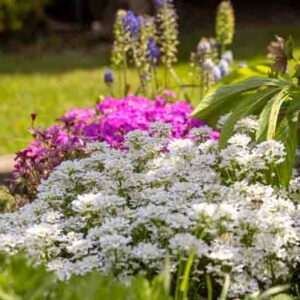
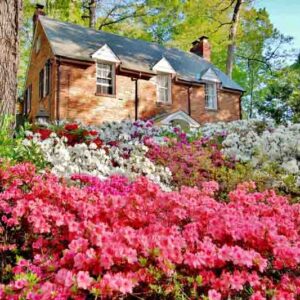
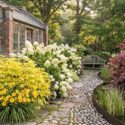
Plant Syringa ‘Yankee Doodle’ as the focal point of a sunny border, surrounded by white spring flowers and fresh green foliage. Its large, fragrant flower clusters create a wonderful display near a terrace or seating area. Allow enough space for the shrub’s mature width of 6-8 ft.
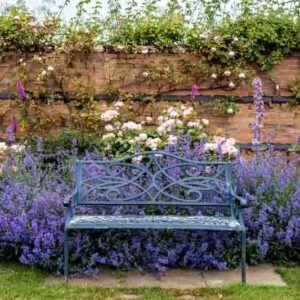
Combine Rosa ‘Rhapsody in Blue’ with Lavandula ‘Royal Purple’ and Caryopteris ‘Dark Knight’. Their flowering seasons overlap, providing purple color from early summer into fall. Plant the lavender in the best-drained, sunniest position, and give the rose richer soil and more consistent moisture. Group plants according to their water needs rather than treating the whole border identically.
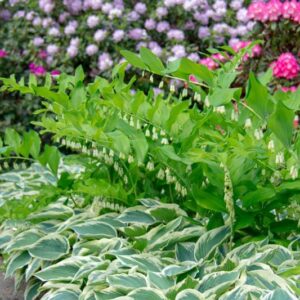
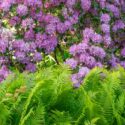
Combine Rhododendron ‘PJM Elite’ with Catawba Rosebay in a sheltered garden with acidic, well-drained soil. Their spring flowers provide vivid purple color, while evergreen foliage maintains structure throughout the year. Add ferns and hostas for contrasting leaf shapes and textures, leaving enough space for the rhododendrons to reach their mature dimensions.
For a smaller garden, one carefully chosen purple-flowering shrub can create more impact than several competing varieties. Select it for its mature size, flowering season, and growing requirements, then build the surrounding planting around those needs.
Good choices include Syringa ‘Yankee Doodle’ for fragrant spring flowers, Rhododendron ‘PJM Elite’ for evergreen structure, Rosa ‘Rhapsody in Blue’ for repeat flowering, Lagerstroemia ‘Purple Magic’ for summer color, Caryopteris ‘Dark Knight’ for late-season pollinators, and Tibouchina urvilleana for warm climates.
Rosa ‘Rhapsody in Blue’, Buddleja ‘Black Knight’, Lagerstroemia ‘Purple Magic’, and Hibiscus Purple Satin provide summer flowers. Caryopteris ‘Dark Knight’ extends the display into late summer and early fall, while Lycianthes rantonnetii flowers over a long season in mild climates.
Yes. Some hardy lilacs produce purple flowers in USDA Zone 3, including certain common lilac cultivars and reblooming hybrids. Syringa ‘Yankee Doodle’, featured in this guide, is rated for Zones 4-7, so Zone 3 gardeners should choose a cultivar specifically rated for their colder conditions.
Purple rhododendrons and suitable bigleaf hydrangeas often perform well in bright partial shade. Hebe ‘Patty’s Purple’ and Brunfelsia pauciflora can also grow in partial shade in suitable climates. Lilacs, lavender, crape myrtles, and Caryopteris generally flower best in full sun.
Buddleja ‘Black Knight’, Caryopteris ‘Dark Knight’, lavender, and Rosa ‘Rhapsody in Blue’ attract pollinators, although their value differs among pollinator species. Some butterfly bushes are invasive or regulated locally, so check regional guidance and include native host plants for caterpillars.
Yes. Certain bigleaf hydrangeas, including ‘Merritt’s Supreme’, can produce purple-blue flowers when aluminum is available to the roots and pinker flowers when it is less available. Soil pH influences aluminum availability, but not every hydrangea changes color.
Updated and reviewed by Gardenia: October 2026
| Plant Type | Shrubs |
|---|---|
| Genus | Hebe, Hydrangea, Rhododendron, Syringa |
Create a membership account to save your garden designs and to view them on any device.
Becoming a contributing member of Gardenia is easy and can be done in just a few minutes. If you provide us with your name, email address and the payment of a modest $25 annual membership fee, you will become a full member, enabling you to design and save up to 25 of your garden design ideas.
Join now and start creating your dream garden!