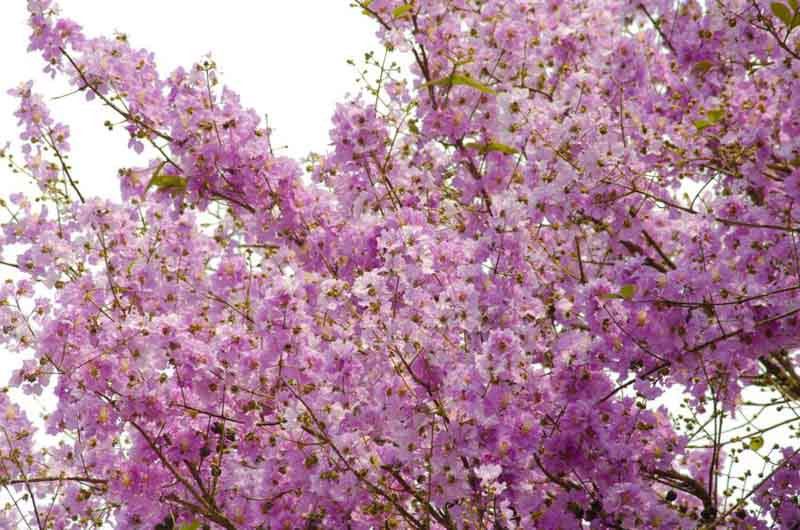
Lagerstroemia (Crape Myrtle) Guides
Growing and Caring for Lagerstroemia
Lagerstroemia (crape myrtle) is one of the easiest flowering trees and shrubs to grow, but a few simple practices can make the difference between an average plant and one covered with flowers for months. Whether you are planting your first crape myrtle or caring for a mature specimen, the tips below will help you maximize flowering, maintain good health, and enjoy beautiful bark and fall color year after year. Before planting, explore the best crape myrtles for every garden size, compare cultivars with the Crape Myrtle comparison tool, and browse the best flower colors.
Choose the Right Plant First
The biggest mistake gardeners make is planting a crape myrtle that eventually outgrows its space. Always select a cultivar whose mature height and spread match your site. Give it full sun—at least six hours daily—as shade is the leading cause of poor flowering and increased disease. Plant in well-drained soil and avoid locations where water stands after rain.
Water, Feed, and Prune Wisely
Water deeply during the first growing season to establish a strong root system, then reduce irrigation as plants become established. Mature crape myrtles are naturally drought tolerant, but they bloom best with occasional deep watering during prolonged dry spells. Fertilize lightly in spring if needed, but avoid high-nitrogen fertilizers that encourage leafy growth instead of flowers. Prune only to improve structure or remove dead, damaged, or crossing branches. Avoid severe topping (“crape murder”), which weakens the tree and ruins its natural form. Follow this guide on proper crape myrtle pruning.
Troubleshoot Before Problems Spread
If your crape myrtle produces plenty of leaves but few flowers, check sunlight, fertilizer, and pruning before assuming something is wrong. This guide explains the most common reasons a crape myrtle is not blooming. Inspect foliage regularly for early signs of aphids, Japanese beetles, or powdery mildew. Prompt action is easier and more effective than treating severe infestations. Learn how to control powdery mildew and use this complete disease and pest diagnosis guide whenever problems appear.
Get the Most from Your Crape Myrtle
Choose disease-resistant cultivars whenever possible, especially in humid climates. Many modern selections also offer improved bark, richer fall color, and exceptional flower production. Popular choices include ‘Natchez’, ‘Muskogee’, ‘Dynamite’, ‘Tuscarora’, and ‘Catawba’. Their long flowering season also makes them outstanding companions to other summer-blooming plants. Most cultivars are also considered deer resistant, making them an excellent choice for many landscapes.
Give your Lagerstroemia plenty of sunshine, avoid over-pruning, water deeply rather than frequently, and choose a cultivar suited to your available space. These simple habits will reward you with healthier plants, heavier flowering, beautiful bark, and reliable landscape performance for decades.