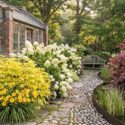
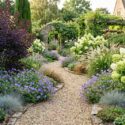
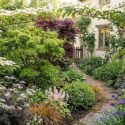
Bring lasting color, structure, and seasonal interest to your Zone 5 garden with 24 beautiful, cold-hardy shrubs. Discover flowering favorites, colorful foliage plants, and reliable evergreens for sunny borders, foundations, and hedges. Compare mature sizes, bloom times, and growing needs to find shrubs that truly suit your garden.
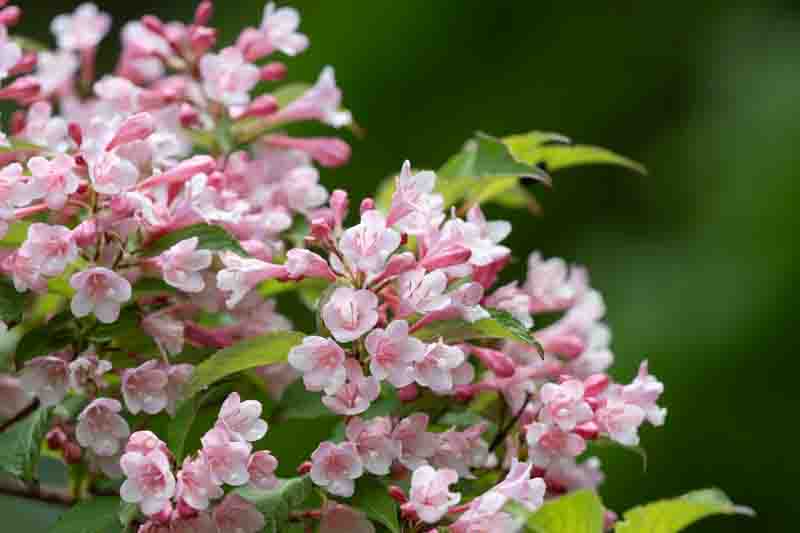


Looking for shrubs that can survive freezing Zone 5 winters and still fill your garden with flowers, color, and year-round interest? From fragrant lilacs and spectacular hydrangeas to colorful ninebarks and hardy evergreen junipers, there are plenty of beautiful choices for sunny gardens.
Discover 24 of the best full-sun shrubs for USDA Zone 5, including spring-flowering favorites, long-blooming summer shrubs, colorful foliage plants, and dependable evergreens. Compare their strengths, find the right plants for your soil and growing conditions, and create a garden that looks beautiful through every season.
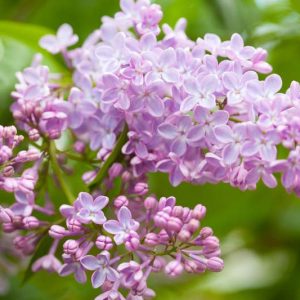
After a long winter, nothing lifts the garden quite like golden forsythias, fragrant lilacs, and flowering viburnums. These five cold-hardy shrubs bring welcome color and fragrance to sunny borders, foundations, and informal hedges.
| Hardiness |
5 |
|---|---|
| Plant Type | Shrubs |
| Genus | Aronia, Chamaecyparis, Forsythia, Hydrangea, Hypericum, Juniperus, Physocarpus, Picea, Pinus, Potentilla, Syringa, Thuja, Viburnum, Weigela |
| Exposure | Full Sun |




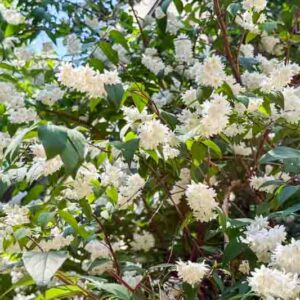
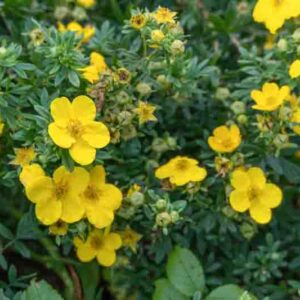
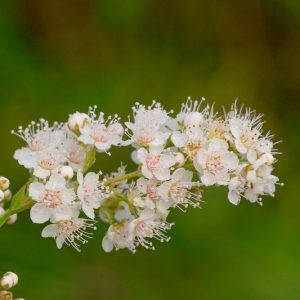
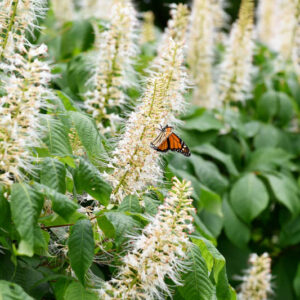
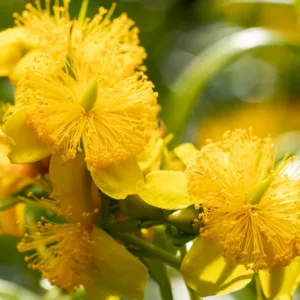
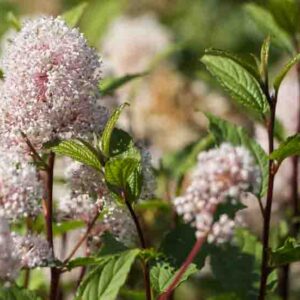
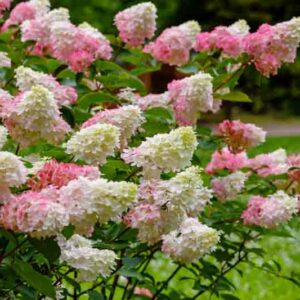
Keep the color coming with showy panicle hydrangeas, long-blooming cinquefoils, fragrant summersweet, and pollinator-friendly native shrubs. These seven favorites provide flowers from early summer into fall, even after spring’s big display has faded.


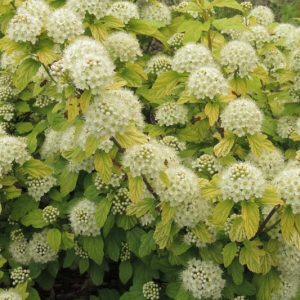
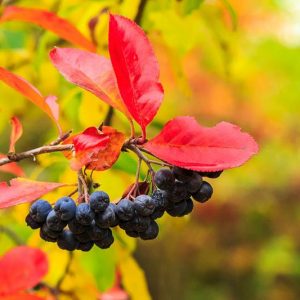
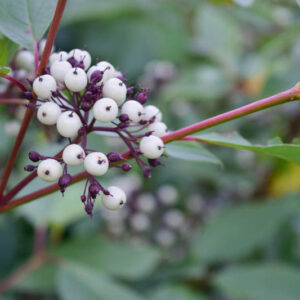
Some shrubs earn their place long after flowering ends. From burgundy and golden foliage to brilliant autumn leaves, ornamental berries, and vivid winter stems, these four hardy choices bring lasting color and texture to the garden.

Evergreens keep the garden looking alive when deciduous shrubs are bare. These eight choices include compact conifers, spreading junipers, and broadleaf evergreens that provide year-round structure, screening, and foliage contrast. Some require protection from harsh winter winds.
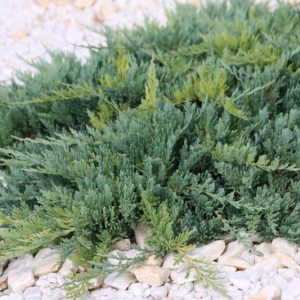

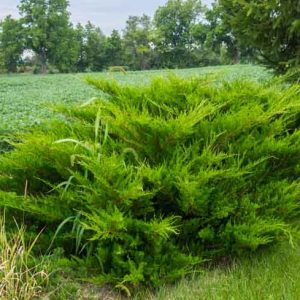

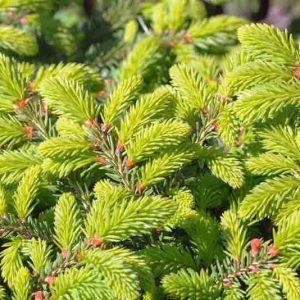


Which shrubs deserve a place in your garden? This comparison highlights each plant’s main attraction, where it performs best, and any important limitations. Use it alongside the plant cards to narrow your choices without sacrificing valuable growing space to unsuitable plants.
| Shrub | Main Attraction | Best For | Keep in Mind |
|---|---|---|---|
| ‘Northern Gold’ Forsythia | Early yellow blooms | Spring color, informal hedges | Needs space for arching stems |
| Common Lilac | Fragrant spring flowers | Fragrance, privacy | Requires good air circulation |
| Korean Spice Viburnum | Intensely fragrant flowers | Entrances, patios | Avoid excessively dry soil |
| Weigela | Pink, red or white blooms | Hummingbirds, mixed borders | Choose size by cultivar |
| Slender Deutzia | Delicate white blooms | Small spring borders | Shelter from severe exposure |
| Panicle Hydrangea | Large summer-fall flowers | Long-season color, flowering hedges | Needs moisture in full sun |
| Shrubby Cinquefoil | Long flowering season | Low-care sunny borders | Avoid waterlogged soil |
| White Meadowsweet | White summer flowers | Moist soil, pollinators | Not for dry borders |
| Summersweet | Fragrant summer blooms | Moist gardens, pollinators | Prefers acidic soil |
| Shrubby St. John’s Wort | Golden summer flowers | Native gardens, pollinators | Naturalistic rather than formal |
| Virginia Rose | Pink blooms, red hips | Wildlife hedges | Prickly and suckering |
| New Jersey Tea | White pollinator flowers | Dry native borders | Difficult to transplant once established |
| Ninebark | Colorful foliage, bark | Clay soils, mixed hedges | Some cultivars become large |
| Black Chokeberry | Autumn color, berries | Wildlife, seasonal interest | Can spread by suckers |
| Northern Bush Honeysuckle | Yellow flowers, fall color | Dry slopes, naturalized areas | Spreading growth habit |
| Red Osier Dogwood | Brilliant red winter stems | Wet soil, winter color | Renew older stems regularly |
| ‘Blue Chip’ Juniper | Blue evergreen carpet | Dry slopes, groundcover | Needs excellent drainage |
| ‘Blue Star’ Juniper | Steel-blue evergreen mound | Small borders, rock gardens | Dislikes wet roots |
| ‘Sea Green’ Juniper | Arching green foliage | Informal evergreen screening | Broad mature spread |
| ‘Mops’ Mugo Pine | Rounded evergreen form | Low-care foundations | Avoid poor drainage |
| Bird’s Nest Spruce | Dense green evergreen | Wide foundation borders | Spreads considerably with age |
| ‘Danica’ Arborvitae | Compact evergreen globe | Small foundations, edging | Deer browsing, winter drying |
| ‘Shamrock’ Inkberry | Glossy broadleaf evergreen | Moist acidic sites, hedges | Protect from drying winds |
| ‘Golden Mop’ False Cypress | Golden cascading foliage | Evergreen color contrast | Needs a sheltered site |
A shrub can be perfectly hardy in Zone 5 and still struggle in your garden. Before falling in love with its flowers or foliage, consider five factors that determine how well it will perform over time.
USDA Zone 5 experiences average annual extreme minimum winter temperatures between -20°F and -10°F (-29°C to -23°C). Zone 5a is colder than Zone 5b, which can make a noticeable difference to flowering and winter survival.
Some shrubs survive severe cold but lose their flower buds. Forsythia ‘Northern Gold’, for example, was developed for improved flower-bud hardiness, while panicle hydrangeas bloom on new growth and generally flower reliably after harsh winters.
Remember that hardiness zones describe winter temperatures, not summer heat, rainfall, humidity, or wind exposure. Two Zone 5 gardens may require very different plants.
Good drainage is essential for many sun-loving shrubs, particularly junipers and mugo pines. Other plants tolerate wetter conditions, but even moisture-loving shrubs have limits.
To assess drainage, dig a hole approximately 12 inches deep, fill it with water, let it drain, then refill it. If water remains after 24 hours, drainage is slow and your plant choices should reflect that.
Soil pH also matters. Lilacs generally prefer neutral to slightly alkaline conditions, while inkberry and summersweet favor acidic soils. Testing your soil before planting can prevent disappointing results.
A three-foot shrub at the nursery may eventually reach eight feet or more. Bird’s nest spruce spreads considerably with age, while some panicle hydrangeas and ninebarks grow far larger than their compact cultivars.
Check mature height and width before planting near windows, walkways, or foundations. For hedges, decide whether you need seasonal privacy or year-round evergreen screening. Choosing the right natural growth habit usually means less pruning later.
Some shrubs need little intervention once established. Others benefit from regular renewal pruning, occasional shaping, or control of suckering stems.
Red osier dogwood, for example, produces its brightest winter color on young stems, while older lilacs may need selective thinning to encourage vigorous growth. A naturally compact cultivar is often a better investment than a large shrub that must be continually cut back.
Flowers may influence your spring purchases, but winter occupies a substantial part of the gardening year in Zone 5. Consider how evergreen foliage, colorful stems, ornamental bark, and persistent fruit will look together after the leaves fall.
A combination of flowering shrubs, hardy evergreens, and plants with attractive winter features creates a more balanced garden than relying on flowers alone.
Gardenia’s Zone 5 Shrub Selection Checklist
Before making your final choice, check these five essentials:
Use Gardenia’s Plant Finder to narrow your choices by growing conditions and discover plants that fit your garden.
Not every sunny garden offers perfect soil or a sheltered location. Whether you’re working with a dry slope, heavy clay, winter winds, or limited space, these recommendations will help you choose shrubs suited to the challenge.
Best choices: Creeping juniper, mugo pine, New Jersey tea, and shrubby cinquefoil.
Creeping juniper spreads over exposed banks, helping protect the soil from erosion, while mugo pine provides year-round structure. New Jersey tea and cinquefoil contribute summer flowers without demanding rich soil. All need watering during establishment, but can tolerate periods of dryness once their roots are established.
Best choices: Ninebark, black chokeberry, summersweet, red osier dogwood, and white meadowsweet.
Ninebark and black chokeberry tolerate many clay soils, while red osier dogwood and white meadowsweet are particularly useful where moisture persists. Summersweet brings fragrant flowers to acidic, moisture-retentive ground. For waterlogged sites, favor species adapted to wet conditions rather than plants that merely tolerate clay.
Best choices: Creeping juniper, ‘Mops’ mugo pine, and shrubby cinquefoil.
These resilient shrubs are useful where winter winds, freezing temperatures, and summer sunshine create demanding conditions. Hardy conifers generally offer greater reliability than vulnerable broadleaf evergreens in exposed sites, although newly planted evergreens still need protection from winter drying.
Best choices: ‘Blue Star’ juniper, compact weigelas, dwarf panicle hydrangeas, ‘Danica’ arborvitae, and New Jersey tea.
For small spaces, choose shrubs that naturally maintain manageable dimensions. Compact weigelas bring spring flowers, dwarf hydrangeas provide summer interest, and ‘Danica’ arborvitae adds neat evergreen structure. Avoid planting spreading varieties where they will eventually obstruct paths or crowd neighboring plants.
Best choices: New Jersey tea, shrubby St. John’s wort, summersweet, white meadowsweet, Virginia rose, and black chokeberry.
These shrubs offer nectar, pollen, fruit, or shelter at different times of year. New Jersey tea and shrubby St. John’s wort attract pollinating insects, while Virginia rose and black chokeberry provide fruits used by wildlife.
For the greatest ecological benefit, favor plants native to your region rather than assuming that every North American native is appropriate throughout Zone 5. Combine shrubs with flowering perennials to extend the availability of nectar and pollen from spring into fall.
The most attractive shrub borders combine plants that complement one another in size, color, texture, and growing needs. Rather than planting one of everything, repeat selected shrubs and use contrasting foliage to create a more cohesive landscape.
Looking for more Zone 5 garden inspiration?
Explore Gardenia’s collection of garden ideas and plant combinations for USDA Zone 5. Discover beautiful planting schemes and complementary plants to help you create colorful borders, seasonal displays, and attractive gardens suited to your climate.
Combine: Compact panicle hydrangea, purple-leaved ninebark, and ‘Blue Star’ juniper.
Imagine creamy white hydrangea flowers rising above deep burgundy ninebark foliage, with mounds of steel-blue juniper providing a permanent foreground. The effect is colorful without becoming chaotic, and the evergreen foliage keeps the foundation attractive in winter.
Choose compact cultivars of both ninebark and hydrangea, and provide soil that drains well without drying excessively. The juniper should occupy the best-drained portion of the bed rather than a low, wet pocket.
Combine: Common lilac, Korean spice viburnum, and summersweet.
Lilac and viburnum fill the spring garden with fragrance, while summersweet takes over in midsummer. Position the lilac where it receives full sun and excellent airflow, with viburnum nearby. Place summersweet in a separate moist, acidic pocket if the rest of the planting is drier or more alkaline.
This combination works especially well beside a generous lawn or along a wide garden boundary, where mature shrubs can develop naturally.
Combine: Red osier dogwood, ‘Mops’ mugo pine, and ‘Blue Chip’ creeping juniper.
Bright red stems rise behind rounded dark-green pines, while low blue junipers spread along the front. Against snow, the contrasting colors and shapes create a display that needs no flowers to look attractive.
Because red osier dogwood prefers more moisture than the conifers, use this arrangement where the planting can transition from moister ground at the back to a well-drained, slightly raised position for the pines and junipers.
Love a Combination? Check It Before You Plant.
With Gardenia’s Garden Design Tool, you can save your favorite shrubs, enter your garden conditions, compare plant compatibility and seasonal interest, estimate quantities, and prepare a shopping list.
Start with up to five plants for free, then refine your design before visiting the nursery.
Once you’ve chosen suitable shrubs, a few practical steps can make the difference between plants that merely survive and a garden that looks better each year.
Spring is generally the safest planting season in Zone 5. Shrubs have several months to establish roots before winter, and cooler spring temperatures reduce transplanting stress.
Early fall can also work well for reliably hardy shrubs, provided they are planted sufficiently before the ground freezes. Avoid late fall planting for marginally hardy evergreens, which may enter winter with poorly established roots.
Dig a planting hole two to three times wider than the root ball but no deeper. Position the root flare at the appropriate soil level and avoid burying the crown. Backfill with native soil, water thoroughly, and spread approximately 2-3 inches of organic mulch over the surrounding soil without piling it against the stems.
Do not automatically add rich compost or fertilizer to the planting hole. Many hardy shrubs establish successfully in unamended native soil, provided drainage and overall soil conditions suit the species.
Even drought-tolerant shrubs need consistent watering during their first growing season. Deep, less frequent watering encourages roots to explore the surrounding soil, although frequency must be adjusted for rainfall, soil texture, temperature, and root development.
Once established, drought-adapted junipers and mugo pines usually require less supplemental irrigation than panicle hydrangeas, summersweet, or inkberry. Avoid keeping the soil constantly saturated around plants that require sharp drainage.
Pruning mistakes can eliminate an entire season of flowers, especially on shrubs that bloom on older wood.
Winter injury isn’t always caused by temperatures below a shrub’s hardiness rating. Evergreen foliage can lose moisture during sunny or windy winter days while frozen soil prevents roots from replacing it. The result is often brown, scorched foliage in late winter or spring.
Water evergreen shrubs appropriately before the soil freezes when autumn has been dry, mulch around their roots, and consider temporary wind protection for newly planted or exposed broadleaf evergreens.
Deer browsing can also be severe during winter, particularly on arborvitae. Where deer pressure is high, temporary fencing or more browsing-resistant alternatives may be necessary.
A mistake worth avoiding: Don’t assume that every plant labeled “Zone 5 hardy” will flower reliably in an exposed Zone 5a garden. Stems may survive while overwintering flower buds are damaged. Choose proven cold-hardy cultivars and consider whether the shrub flowers on old or new wood.
Shrubby cinquefoil, ninebark, mugo pine, and creeping juniper are excellent low-maintenance choices when planted in suitable conditions. Panicle hydrangeas are also relatively easy to grow but require adequate moisture during hot weather. Choose cultivars that fit their available space to minimize pruning.
Shrubby cinquefoil often flowers from late spring or early summer into fall. Panicle hydrangeas bloom from midsummer into fall, while shrubby St. John’s wort produces flowers during summer. Combining spring-flowering and summer-flowering shrubs provides the longest overall season of color.
Reliable evergreen choices include creeping juniper, Blue Star juniper, mugo pine, bird’s nest spruce, and suitable arborvitae cultivars. Inkberry and Golden Mop false cypress are also options in Zone 5, but they benefit from appropriate soil conditions and protection from harsh winter exposure.
Ninebark, black chokeberry, and red osier dogwood tolerate many clay soils. Summersweet and white meadowsweet are also suitable for moist sites. Because clay soils vary considerably in drainage, check whether the planting area remains wet after rainfall before choosing shrubs.
Once established, creeping juniper, mugo pine, New Jersey tea, shrubby cinquefoil, and ninebark can tolerate periods of dryness. All require appropriate watering while their root systems develop, and their performance depends on soil drainage and local climate.
Compact weigelas, dwarf panicle hydrangeas, shrubby cinquefoil, slender deutzia, and New Jersey tea are attractive choices for smaller sunny gardens. Check mature cultivar dimensions before planting near walkways, foundations, and windows.
Spring is generally the safest planting season because shrubs have time to establish before freezing winter temperatures arrive. Early fall can also be suitable for hardy shrubs if the soil remains workable and roots have adequate time to establish.
Many can, including panicle hydrangea, weigela, ninebark, inkberry, and summersweet. However, flowering may decrease and colorful foliage may become less intense. Junipers and other strongly sun-loving conifers generally perform best with at least six hours of direct sunlight daily.
New Jersey tea, shrubby St. John’s wort, summersweet, white meadowsweet, and Virginia rose are valuable choices for pollinator-friendly gardens. For the greatest benefit, select species native to your region and combine shrubs that bloom at different times.
USDA Zone 5a has average annual extreme minimum temperatures of -20°F to -15°F, while Zone 5b ranges from -15°F to -10°F. Both experience cold winters, but Zone 5a gardeners should be particularly careful about cultivar hardiness, overwintering flower buds, and exposed evergreen plantings.
The best Zone 5 shrub garden combines more than cold hardiness. Fragrant spring flowers, long-blooming summer shrubs, colorful foliage, and evergreen structure each contribute something different to the landscape.
Start with your soil, sunlight, winter exposure, and available space. Then choose shrubs that complement one another through the seasons. A well-matched planting will look better, require less maintenance, and become more attractive as it matures.
Ready to Turn Your Favorite Shrubs Into a Garden?
With Gardenia’s Garden Design Tool, you can save your favorite plants, check their compatibility with your growing conditions, compare seasonal interest, and prepare a planting plan and shopping list. Start free with up to five plants.
Updated and reviewed by Gardenia: October 2026
| Hardiness |
5 |
|---|---|
| Plant Type | Shrubs |
| Genus | Aronia, Chamaecyparis, Forsythia, Hydrangea, Hypericum, Juniperus, Physocarpus, Picea, Pinus, Potentilla, Syringa, Thuja, Viburnum, Weigela |
| Exposure | Full Sun |
Create a membership account to save your garden designs and to view them on any device.
Becoming a contributing member of Gardenia is easy and can be done in just a few minutes. If you provide us with your name, email address and the payment of a modest $25 annual membership fee, you will become a full member, enabling you to design and save up to 25 of your garden design ideas.
Join now and start creating your dream garden!