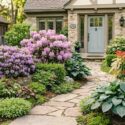
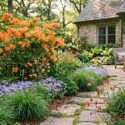
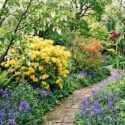
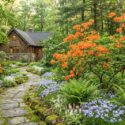
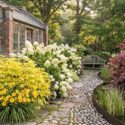
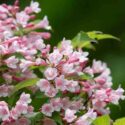
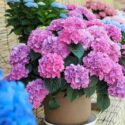
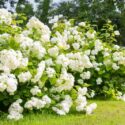
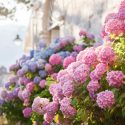
Transform shady corners into beautiful woodland gardens with 25 hardy shrubs for USDA Zone 5. Discover flowering hydrangeas, fragrant native shrubs, colorful foliage plants, and shade-loving evergreens. Compare their growing needs, seasonal interest, and landscape uses to create inviting borders and naturalistic plantings that thrive in your garden.
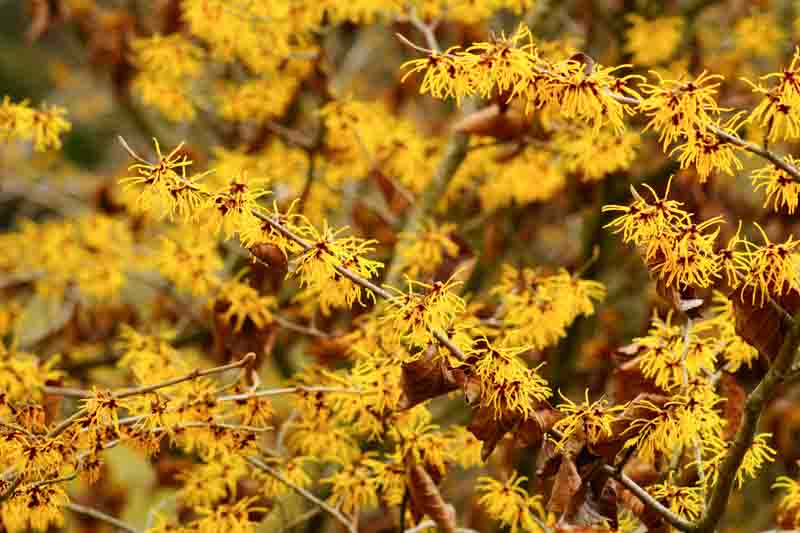


A shady garden doesn’t have to be a sea of green. Beneath mature trees or along a north-facing border, the right shrubs can bring spring flowers, fragrant summer blooms, striking autumn foliage, and beautiful evergreen structure.
Discover 25 of the best shade shrubs for USDA Zone 5, from flowering hydrangeas and native spicebush to elegant rhododendrons, winterberry hollies, and shade-loving yews. Whether your garden receives morning sun, dappled woodland light, or very little direct sunshine, this guide will help you choose shrubs that suit your conditions.
Spring brings some of the loveliest moments in a woodland garden. These five shrubs offer colorful blossoms, fragrance, and fresh foliage, particularly in partial shade or beneath a light tree canopy.
| Hardiness |
5 |
|---|---|
| Plant Type | Shrubs |
| Genus | Calycanthus, Cornus, Fothergilla, Hamamelis, Hydrangea, Rhododendron, Taxus, Viburnum |
| Exposure | Partial Sun, Shade |
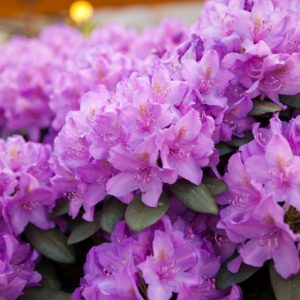


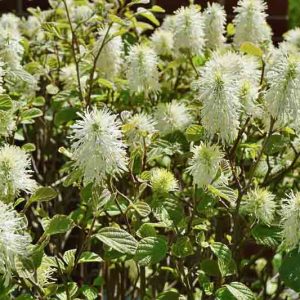



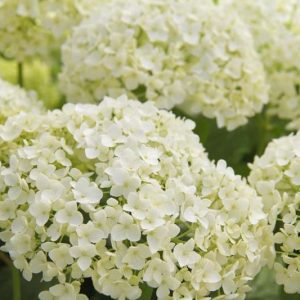
When spring flowers fade, these five shrubs take over with hydrangea blossoms, fragrant flowers, and lush foliage. Most give their best display in bright or dappled shade, where they receive enough light to flower without the stress of hot afternoon sun.
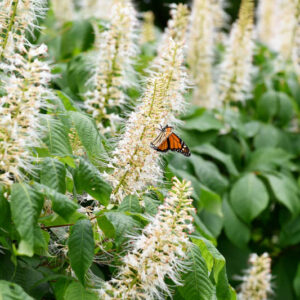

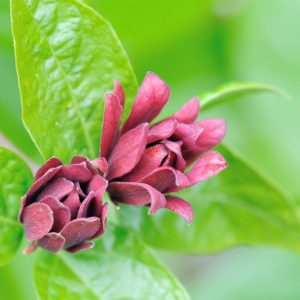
Native shrubs can make woodland gardens as valuable to wildlife as they are attractive to gardeners. These five North American species offer flowers, berries, host-plant value, or shelter. Choose those native to your own region rather than assuming every North American native belongs throughout Zone 5.
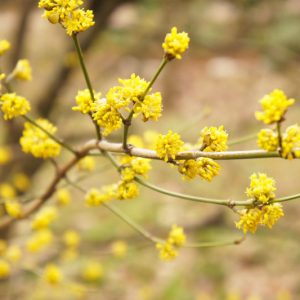
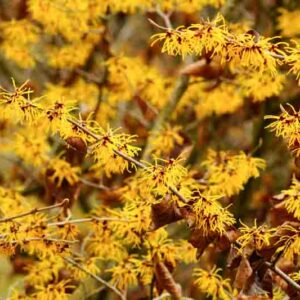


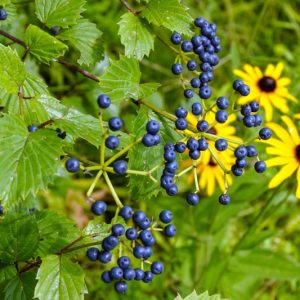
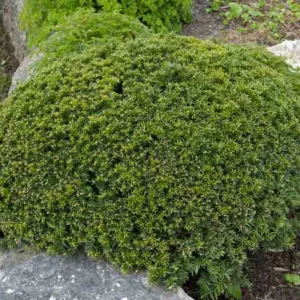
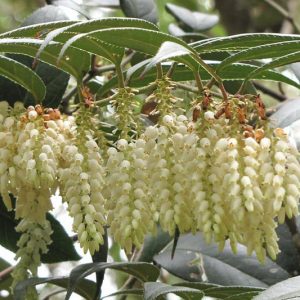
Evergreen foliage provides welcome structure when woodland perennials have disappeared and deciduous shrubs are bare. These five hardy choices are particularly valuable for sheltered shade gardens, although their requirements for acidic soil, drainage, and winter protection differ.


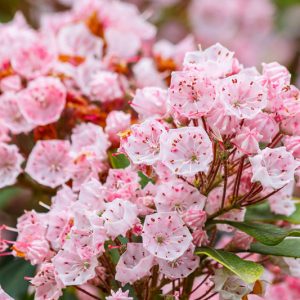
Woodland gardens can be beautiful long after their flowers have faded. These five shrubs contribute brilliant autumn foliage, colorful berries, vivid winter stems, or graceful spreading branches. Several tolerate partial shade but need brighter light for their strongest color or fruiting.
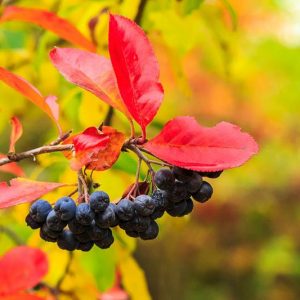
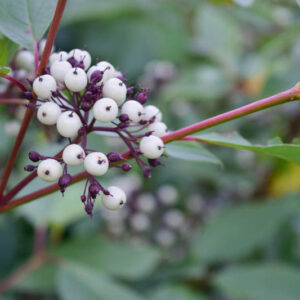

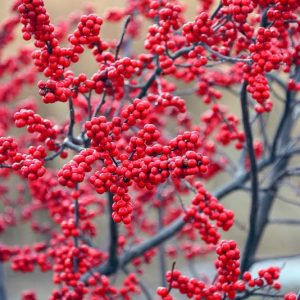

The most useful question isn’t simply whether a shrub tolerates shade. It’s how much shade it tolerates while still looking attractive. This comparison highlights the light conditions each shrub prefers, its strongest landscape use, and the limitations worth considering before planting.
| Shrub | Best Light | Best For | Keep in Mind |
|---|---|---|---|
| Catawba Rhododendron | Dappled or partial shade | Evergreen spring flowers | Acidic soil; winter shelter |
| Roseshell Azalea | Bright partial shade | Fragrant spring flowers | Acidic, well-drained soil |
| Dwarf Fothergilla | Bright partial shade | Spring flowers, fall color | Less color in deep shade |
| Japanese Kerria | Partial shade | Yellow spring flowers | Can sucker & spread; check local guidance |
| Korean Spice Viburnum | Bright partial shade | Fragrance near paths | Flowers less in deep shade |
| Smooth Hydrangea | Partial or dappled shade | Reliable summer flowers | Needs consistent moisture |
| Oakleaf Hydrangea | Bright partial shade | Flowers, foliage, bark | Winter buds vulnerable in Zone 5a |
| Summersweet | Bright partial shade | Fragrant summer blooms | Moist, acidic soil preferred |
| Bottlebrush Buckeye | Dappled or partial shade | Dramatic summer flowers | Large, spreading colony |
| Carolina Allspice | Partial shade | Unusual aromatic flowers | Fragrance varies; may sucker |
| Spicebush | Dappled or woodland shade | Wildlife, yellow fall leaves | Male and female for berries |
| Common Witch Hazel | Partial or dappled shade | Late-fall flowers | Large shrub or small tree |
| Gray Dogwood | Light partial shade | Wildlife hedges, berries | Suckering, reduced fruit in shade |
| Common Snowberry | Partial to full shade | Dry shade, naturalized borders | Suckers; fruit not edible |
| Arrowwood Viburnum | Bright partial shade | Flowers, bird-friendly fruit | Compatible pollinator improves fruit |
| Hybrid Yew | Partial to full shade | Evergreen hedges, structure | Toxic; avoid saturated soil |
| Drooping Leucothoe | Dappled or partial shade | Arching evergreen foliage | Acidic, moist, sheltered site |
| Inkberry Holly | Bright partial shade | Evergreen hedges | Acidic soil; open in deep shade |
| Rosebay Rhododendron | Dappled to full shade | Woodland evergreen screens | Large; acidic soil essential |
| Mountain Laurel | Dappled or partial shade | Evergreen spring flowers | Acidic drainage; highly toxic |
| Black Chokeberry | Bright partial shade | Fall color, berries | More sunlight improves display |
| Red Osier Dogwood | Light partial shade | Winter stems, moist soil | Stem color stronger with sun |
| Virginia Sweetspire | Partial or dappled shade | Fragrant flowers, fall foliage | Moisture; autumn color varies |
| Winterberry Holly | Bright partial shade | Winter berries, wet soil | Female plus compatible male |
| Northern Bush Honeysuckle | Light partial shade | Dry woodland edges, summer flowers, fall color | Spreads by suckers; fewer flowers in heavy shade |
Shade tolerance describes survival and growth, not necessarily flowering performance. Plants listed for bright partial shade may remain healthy in darker locations but produce fewer flowers, berries, or colorful leaves.
A woodland garden beneath mature oaks is very different from a dark courtyard or the strip of ground behind a north-facing wall. Before choosing flowering shrubs for shade, observe the light throughout a summer day. Remember that deciduous trees create a much darker environment after their leaves emerge.
Partial shade generally provides around three to six hours of direct sunlight, ideally in the morning. Smooth hydrangea, roseshell azalea, dwarf fothergilla, and many viburnums perform particularly well in these conditions.
Morning sunlight encourages flowers and sturdy growth without exposing moisture-loving shrubs to the hottest afternoon temperatures. For many Zone 5 gardeners, a bright east-facing border is one of the easiest places to grow flowering shade shrubs.
Dappled shade occurs when sunlight filters through branches and leaves, producing shifting patches of light. Spicebush, rosebay rhododendron, bottlebrush buckeye, and mountain laurel are natural candidates for this environment when soil conditions suit them.
Don’t overlook root competition. A leafy canopy may create attractive shade while mature tree roots leave the soil surprisingly dry.
Full shade usually means less than three hours of direct sunlight, although the amount of indirect light can vary considerably. Hybrid yews, common snowberry, and rosebay rhododendron can tolerate relatively shaded conditions.
However, extremely dark spaces may support only sparse growth. Flowering and fruiting are often reduced, even on shade-tolerant shrubs. In these locations, prioritize natural form, foliage texture, and evergreen coverage rather than abundant blossoms.
Gardenia’s shade-garden rule: For flowers and berries, choose the brightest location the plant comfortably tolerates. For deep shade, choose shrubs whose foliage and growth habit remain attractive even when flowering is limited.
Choosing a shrub isn’t simply a question of matching a hardiness zone. The right plant must also suit the light, soil, moisture, and space available. This decision guide highlights important trade-offs that are easy to miss when shopping for attractive nursery plants.
| Your Garden Situation | Choose | Reconsider |
|---|---|---|
| Deep shade, few flowers expected | Hybrid yew, rosebay rhododendron | Shrubs grown mainly for profuse flowering or fruit |
| Dry, lightly shaded woodland edges | Snowberry, established yew, northern bush honeysuckle | Summersweet without irrigation |
| Moist, acidic woodland | Leucothoe, summersweet, rosebay rhododendron | Plants needing dry or alkaline soil |
| Heavy, periodically wet clay | Winterberry, red osier dogwood, Virginia sweetspire | Yew in poorly drained ground |
| Bright partial shade, showy flowers | Smooth hydrangea, dwarf fothergilla, roseshell azalea | Expecting the same bloom in deep shade |
| Small woodland border | Dwarf fothergilla, compact hydrangea, selected compact yew | Bottlebrush buckeye without room to spread |
| Red winter berries | Winterberry with compatible male pollinator | Single female plant or very deep shade |
Zone 5a versus 5b: Zone 5a has average annual extreme minimum temperatures of -20°F to -15°F, while Zone 5b ranges from -15°F to -10°F. Both can support many woodland shrubs, but exposed broadleaf evergreens and plants that bloom on old wood deserve particular attention in colder locations.
Soil pH deserves equal consideration. Rhododendrons, azaleas, leucothoe, mountain laurel, and inkberry generally require acidic conditions. In alkaline soil, choose more adaptable shrubs rather than assuming that a generous application of compost will permanently correct the problem.
Find Your Best-Matched Zone 5 Shade Shrubs
Use Gardenia’s Plant Finder to refine the shortlist by hardiness, shade exposure, soil type, pH, moisture, mature dimensions, wildlife value, and maintenance requirements.
A woodland garden looks its best when shrubs create layers of foliage, flowers, and texture rather than competing for attention. These combinations illustrate how to arrange compatible plants for seasonal interest. Adjust the spacing to each plant’s mature dimensions.
Combine: Catawba rhododendron, roseshell azalea, dwarf fothergilla, and Christmas fern.
Imagine lavender-purple rhododendron flowers above fragrant pink azaleas, with white fothergilla blossoms and dark evergreen ferns at their feet. In autumn, the deciduous shrubs develop warm foliage colors while the rhododendron and ferns maintain structure.
Best conditions: Dappled or bright partial shade, acidic soil, even moisture, and protection from drying winter winds. Give the rhododendron enough space to develop its natural shape.
Combine: Smooth hydrangea, summersweet, and bottlebrush buckeye, underplanted with hostas and woodland sedges.
Rounded hydrangea flowerheads contrast with summersweet’s fragrant spikes and the long, upright white flower panicles of bottlebrush buckeye. The combination creates a lush, layered look, particularly when supported by large hosta leaves and finer sedge foliage.
Best conditions: Bright woodland shade and consistently moist soil. Bottlebrush buckeye forms a substantial, spreading shrub, so reserve this combination for a generous border rather than a narrow foundation bed.
Combine: Drooping leucothoe, a compact hybrid yew, winterberry holly, and Christmas fern.
Leucothoe’s arching evergreen leaves soften the yew’s denser form, while winterberry brings vivid red fruit after its leaves fall. Christmas ferns provide a low layer of evergreen texture along the front of the border.
Best conditions: Partial shade with sufficient light for winterberry fruiting. Keep leucothoe in acidic, moisture-retentive soil, place yew where drainage is reliable, and provide a compatible male winterberry for pollination.
Explore More Zone 5 Garden Ideas
Looking for inspiration beyond these three combinations? Browse Gardenia’s garden ideas and plant combinations for USDA Zone 5, with planting schemes for different exposures, styles, and seasons of interest.
Woodland shrubs often need less pruning than formal hedges, but their success depends on careful planting and moisture management. Beneath mature trees, competition from existing roots can be a greater challenge than low light.
Spring gives shrubs time to establish before their first Zone 5 winter. Early fall can also work for reliably hardy deciduous shrubs, provided there is sufficient time for root growth before the soil freezes. Spring is the safer option for more vulnerable broadleaf evergreens.
When planting beneath trees, work around major roots rather than cutting through them to create large planting holes. Smaller container-grown shrubs are often easier to position between existing roots. Never bury the tree’s root flare beneath additional soil.
Spread approximately 2-3 inches of organic mulch over the surrounding soil, keeping it away from shrub stems and tree trunks. This helps retain moisture and moderates soil temperatures.
A shady border isn’t necessarily damp. Beneath mature maples, spruces, or other heavily rooted trees, the soil can become dry surprisingly quickly. Check moisture below the surface and water new shrubs thoroughly during establishment.
Don’t apply the same watering schedule to every shrub. Summersweet and Virginia sweetspire generally appreciate more moisture than established snowberry or yew, while rhododendrons need steady moisture without persistently saturated roots.
Rhododendrons, azaleas, fothergilla, oakleaf hydrangea, and many viburnums form flower buds on older wood. Prune shortly after flowering, if necessary, to avoid removing next season’s display.
Smooth hydrangea flowers on current-season growth and can generally be pruned in late winter or early spring. Most woodland shrubs benefit more from occasional selective thinning than repeated shearing.
Broadleaf evergreens can lose moisture through their leaves when frozen soil prevents roots from absorbing water. Rhododendrons, leucothoe, and mountain laurel are less likely to suffer winter burn in sheltered positions with appropriate soil moisture and mulch.
Avoid exposed winter wind tunnels, especially for newly planted shrubs. Check for deer browsing as well; yews and other evergreen shrubs may be vulnerable when food is scarce.
One woodland-garden mistake worth avoiding: Planting a moisture-loving shrub directly beneath a thirsty tree and assuming the shade will keep it watered. Even well-established shade plants can struggle when tree roots absorb most of the available moisture.
Suitable hybrid yews, rosebay rhododendron, and common snowberry are among the more shade-tolerant options. Very deep shade can still reduce growth, flowering, and berry production, so evaluate the available indirect light and soil moisture before planting.
Smooth hydrangea, roseshell azalea, dwarf fothergilla, oakleaf hydrangea, summersweet, and Catawba rhododendron are attractive choices. Most produce more flowers in bright partial shade than in dense woodland shade.
Hybrid yew, rosebay rhododendron, Catawba rhododendron, drooping leucothoe, mountain laurel, and inkberry holly can grow in shaded Zone 5 gardens when their soil, moisture, and winter exposure requirements are met.
Common snowberry, established hybrid yews, and northern bush honeysuckle tolerate some dry shade. However, newly planted shrubs need irrigation, and heavy competition from mature tree roots can make even drought-tolerant selections difficult to establish.
Winterberry holly, red osier dogwood, Virginia sweetspire, and black chokeberry tolerate many moist clay soils. Choose according to actual drainage, as some shrubs tolerate seasonal wetness better than prolonged waterlogging.
Some hydrangeas tolerate considerable shade, but most flower better with morning sunshine or bright filtered light. Smooth hydrangea is a dependable partial-shade option, while oakleaf hydrangea benefits from winter shelter because its flower buds develop on older wood.
Spicebush, common witch hazel, arrowwood viburnum, gray dogwood, and black chokeberry are useful North American native shrubs. Check regional native ranges because USDA Zone 5 encompasses widely different ecosystems.
Dwarf fothergilla and Virginia sweetspire offer colorful autumn foliage. Winterberry provides bright berries, while red osier dogwood adds red winter stems. Hybrid yews, mountain laurel, and rhododendrons provide evergreen structure.
Spring is generally the safest planting season because shrubs have time to establish before winter. Early fall is also suitable for many hardy deciduous shrubs if adequate time remains for root establishment before freezing weather.
Insufficient light, incorrect pruning, winter damage to flower buds, drought, excessive nitrogen fertilizer, and immature plants can all reduce flowering. Check the plant’s light requirements and whether it flowers on old or new growth before pruning.
The secret to a beautiful shade garden isn’t finding plants that merely survive without sunlight. It’s choosing shrubs whose foliage, flowers, growth habits, and seasonal interest suit the light and soil you actually have.
Combine flowering shrubs with evergreens and plants that provide autumn color or winter interest. Give moisture-loving plants the conditions they need, and don’t crowd large woodland shrubs into small foundation beds.
Turn Your Favorite Shade Shrubs Into a Garden Plan
With Gardenia’s Garden Design Tool, you can save plants, compare their requirements with your garden conditions, review mature sizes and seasonal interest, estimate planting quantities, and prepare a nursery shopping list.
Start free with up to five plants and see which choices work best together before you buy.
Updated and reviewed by Gardenia: October 2026
| Hardiness |
5 |
|---|---|
| Plant Type | Shrubs |
| Genus | Calycanthus, Cornus, Fothergilla, Hamamelis, Hydrangea, Rhododendron, Taxus, Viburnum |
| Exposure | Partial Sun, Shade |
Create a membership account to save your garden designs and to view them on any device.
Becoming a contributing member of Gardenia is easy and can be done in just a few minutes. If you provide us with your name, email address and the payment of a modest $25 annual membership fee, you will become a full member, enabling you to design and save up to 25 of your garden design ideas.
Join now and start creating your dream garden!