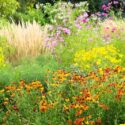
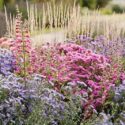
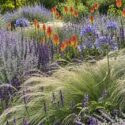
Create a pollinator garden that truly works. This step-by-step guide shows you how to design with a bloom calendar, ensuring continuous flowers from early spring to fall. Support bees and butterflies while building a vibrant, resilient garden using smart plant choices and powerful design tools.
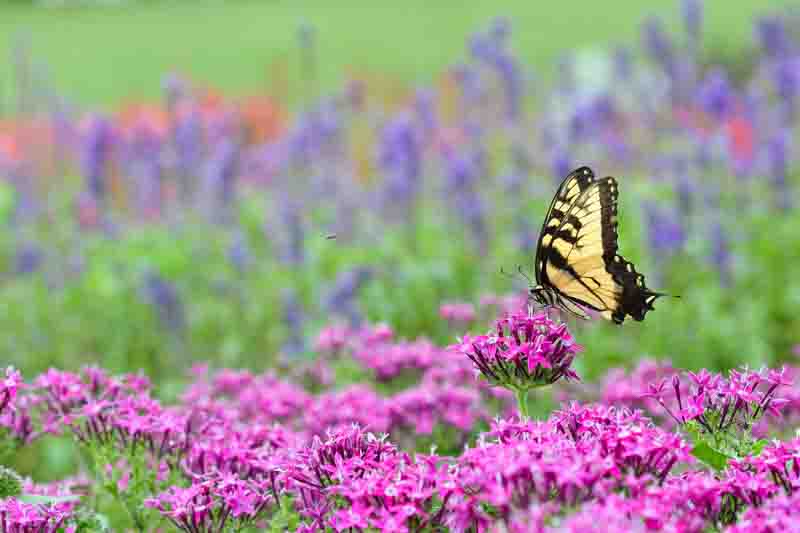


A great pollinator garden should do two things at once: it should look beautiful to you, and it should provide reliable food and habitat for bees, butterflies, hummingbirds, moths, hoverflies, and other beneficial insects. Many gardens succeed at the first part and fall short on the second. They peak in spring, look impressive for a few weeks, and then taper off into a long stretch of foliage, scattered bloom, and reduced ecological value.
The strongest pollinator gardens are designed differently. They are not built around isolated favorite flowers or one spectacular moment. They are built around timing, overlap, and plant suitability. Their foundation is a bloom calendar: a practical plan that keeps useful flowers available from early spring through late fall, with enough seasonal layering that pollinators are less likely to encounter major gaps.
This matters because pollinators experience a garden very differently than gardeners do. We notice color harmony, texture, and whether a border looks full from the patio. Pollinators notice availability. Is there nectar today? Is there pollen today? Is there enough to justify the visit? Can they move efficiently from one flower patch to another without leaving the site?
When a garden is designed with those questions in mind, it becomes more resilient, more active, more colorful, and more rewarding month after month. It also becomes easier to manage because every plant has a role and every weak part of the season has been considered.
In this guide, you will learn how to build a pollinator garden around bloom continuity, how to choose plants for real site conditions, how to support more than one kind of pollinator, and how to turn a plant list into a garden that feels layered, intentional, and alive. You will also see how to use the Gardenia Plant Finder to identify plants that fit your conditions and the Gardenia Design Tool to organize them into a coherent, season-long layout.
Key takeaway: A successful pollinator garden is not defined by a single peak moment. It is defined by bloom continuity: overlapping waves of flowers that provide nectar and pollen from early spring through fall, while also supporting shelter and reproduction.
Authority note: Guidance from organizations such as the U.S. Forest Service, Xerces Society, and university extension programs consistently supports the same core principles used here: season-long bloom, grouped plantings, regionally appropriate species, host plants, and reduced pesticide pressure.
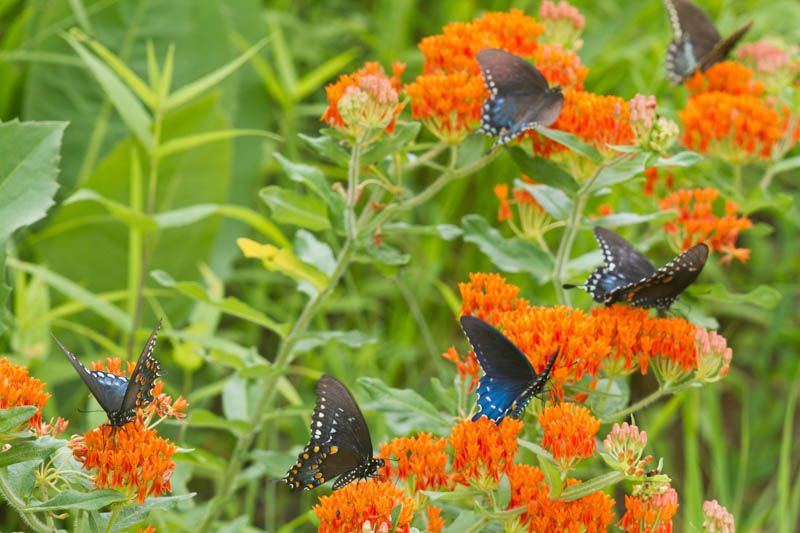
One of the most consistent recommendations in pollinator habitat guidance is also one of the most overlooked in home gardens: aim for flowers from early spring through fall. That principle is what separates a decorative flower bed from a high-performing pollinator planting. If floral resources disappear for a stretch, the garden’s ecological value drops with them. Research and extension guidance consistently show that pollinators need reliable access to nectar and pollen across the growing season, not just during spring peak bloom.
That is why the central design question is not simply, “What flowers do I like?” It is: What is blooming in each part of the season, where are the weak spots, and which plants overlap strongly enough to keep the garden useful?
Think of your garden as a supply system: if flowers disappear for a stretch, food disappears too. Continuity is not a luxury. It is the operating logic of a successful pollinator garden.
If there is one design rule worth remembering, it is this: do not design for sequence alone; design for overlap. Many gardens look adequate on paper because one plant blooms after another. In reality, those handoffs are rarely perfect. Weather shifts. Heat arrives early. A cultivar finishes faster than expected. A relay-race garden often develops empty weeks.
A more resilient approach is to make sure at least two or three meaningful nectar or pollen sources are flowering at the same time in every major bloom window. That overlap gives pollinators options, protects the garden against timing surprises, and creates a fuller, more generous visual effect.
Succession planting helps, but succession alone is not enough. Strong seasonal performance depends on overlapping waves made up of short-blooming accents, longer-blooming backbone plants, and repeat performers that bridge transitions.
Before choosing plants, get clear about the conditions you actually have. Pollinator gardens perform best when the plants match the site, because healthy plants bloom more reliably, live longer, and need less intervention. That matters for both aesthetics and ecology.
Start with light. Is the site in full sun, part sun, or bright shade? Then look at drainage. Does the soil drain quickly, stay evenly moist, or hold water after rain? Consider heat exposure, wind, deer pressure, and your hardiness zone. Also be realistic about maintenance. Some gardeners enjoy deadheading and seasonal adjustments. Others want a garden that can largely carry itself.
This is where the Gardenia Plant Finder is especially useful. Instead of searching plant ideas at random, you can filter by bloom season, sun exposure, soil type, hardiness zone, mature height, flower color, and other practical traits. That makes it much easier to build a plant list that is not only beautiful, but also durable in your conditions.
Smarter workflow: first narrow the plant palette by site conditions, then refine by bloom season, flower form, and pollinator value. Plants that fit the site are more likely to bloom well enough to matter.
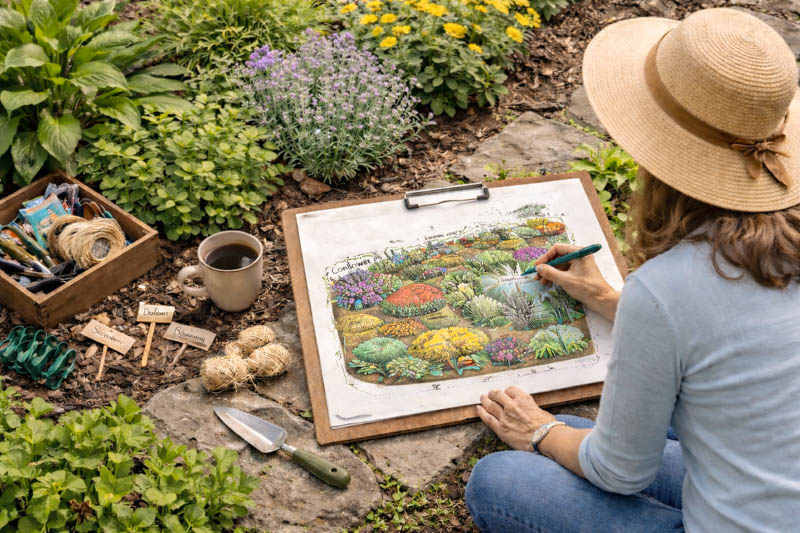
A bloom calendar is simply a seasonal map of when your plants provide meaningful bloom. It is one of the most effective planning tools for creating a garden that stays useful throughout the season.
Divide the season into five broad windows: late winter to early spring, mid-spring, late spring to early summer, midsummer, and late summer to fall. In very long seasons, you can break this down month by month, but the main goal is to stop thinking of flowering as one blur and start seeing the season as a sequence.
Next, list the plants you already have and place each one in the period when it contributes meaningful bloom. Be honest. Do not count a plant because it throws a few scattered flowers outside its main window. Count it where it really performs.
This exercise usually reveals the same pattern in many gardens: spring is abundant, early summer is decent, midsummer is uneven, and late summer into fall is thinner than expected. Once the weak periods are visible, you can fix them directly.
When you add plants, choose them specifically to fill bloom gaps or strengthen weak transitions. Do not add more of everything. Add what the calendar actually lacks.
It also helps to record bloom length. A plant that flowers for two weeks plays a very different role from one that flowers for eight or ten. Long bloomers are structural. Short bloomers add richness and seasonality. Both matter, but they should not be treated as interchangeable.
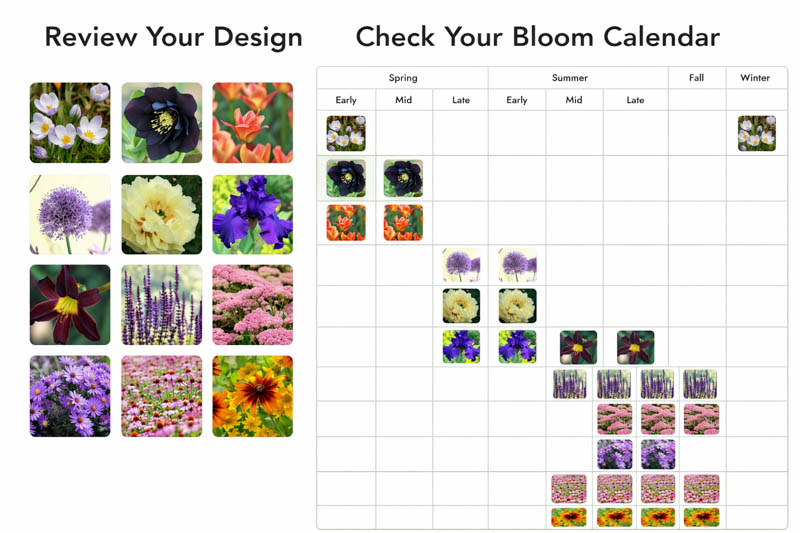
Important note: Exact bloom timing and pollinator value vary by region, cultivar, and local climate. Treat the examples below as a planning framework, not a universal planting prescription. In colder climates, especially Zones 4–6, several of these bloom windows may begin later and move faster, while warmer regions often see earlier starts and longer overlap.
Late winter to early spring is one of the most valuable periods in a pollinator garden, although exact timing varies widely by region. In mild climates, this window may begin in late winter. In colder gardens, it may not open fully until early spring. Reliable performers can include crocus, snowdrops, winter aconite, hellebores, and pulmonaria. Early flowers matter because they offer resources at a time when little else is available and help launch the garden before the main spring display begins.
Mid-spring is the first real expansion point in the season. Depending on climate and cultivar, this period may include tulips, daffodils, Grecian windflowers, sea thrift, basket of gold, bergenia, trout lily, and some fritillaria. The goal is not simply to extend the bulb season, but to create a stronger bridge into late spring and early summer.
Late spring to early summer is when many of the classic backbone plants for pollinator gardens start carrying the design. This is the window for many ornamental alliums, along with catmint, salvia, penstemon, foxglove, yarrow, baptisia, and hardy geraniums. This part of the season should feel connected and layered rather than transitional in a weak sense.
Midsummer is where many gardens either prove their strength or begin to feel tired. This is the season for dependable summer performers such as echinacea, rudbeckia, bee balm, lavender, coreopsis, agastache, garden phlox, and verbena bonariensis. These are the plants that keep energy in the garden when temperatures rise and spring performers have finished.
Late summer to fall is one of the most important and most neglected periods in home landscapes. This is where asters, sedums, goldenrods, late salvias, Japanese anemones, and many ornamental grasses help carry the garden to the end of the season. Joe-Pye weed often begins earlier, in mid- to late summer depending on climate, so it is best used as a transition plant rather than treated as a strict fall bloomer.
If your garden fades in August, fix that first. Strengthening late-summer and fall bloom is often the fastest way to make a pollinator border feel richer, more resilient, and more ecologically useful.
Not all pollinator-friendly plants do the same job. Some are strong nectar sources. Others are more useful for pollen. Some of the most important plants in the whole garden do not feed adult pollinators at all; they support larvae as host plants.
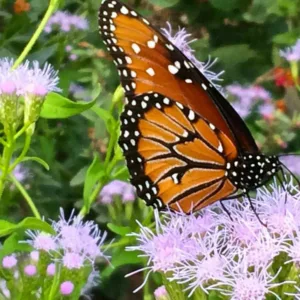
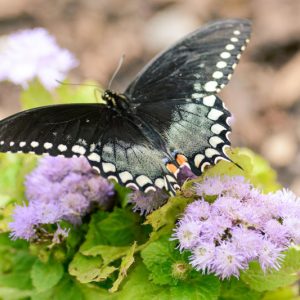
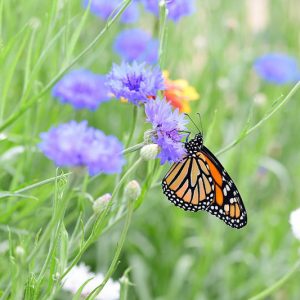
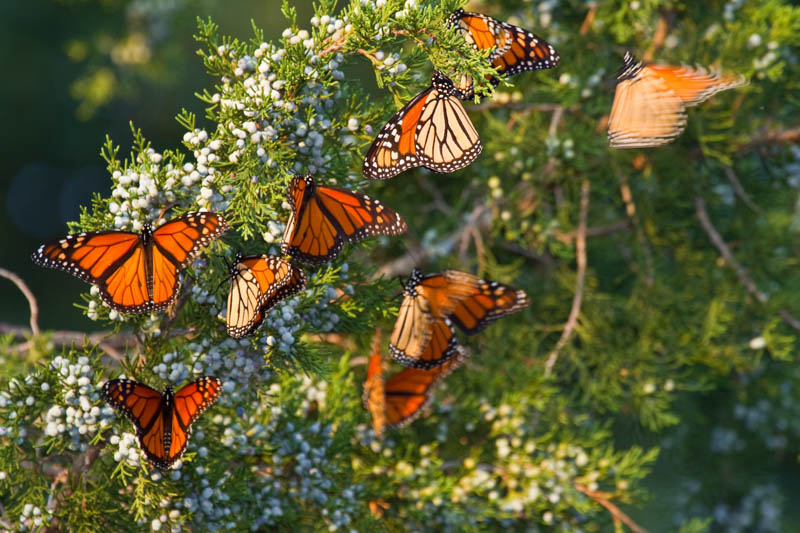
That distinction matters. If you only plant nectar flowers, you may attract adult butterflies without supporting the next generation. If you focus only on showy ornamental bloom, you may miss the host relationships that give a garden real ecological depth. Milkweed, for example, is not just another flower. It is also essential host material for monarchs. Parsley, fennel, and dill can support black swallowtail caterpillars. Native grasses and regionally important host plants widen the ecological value of the garden in ways a purely ornamental planting cannot.
A stronger pollinator garden balances attraction with reproduction. It feeds adults, but it also helps sustain the species you hope to support.
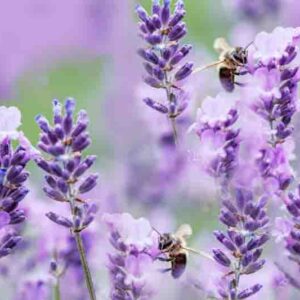
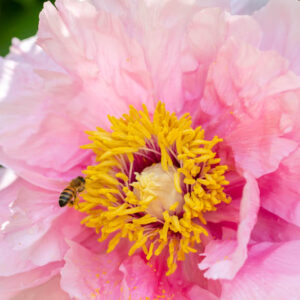
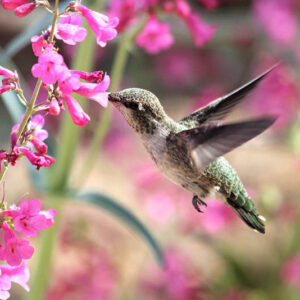
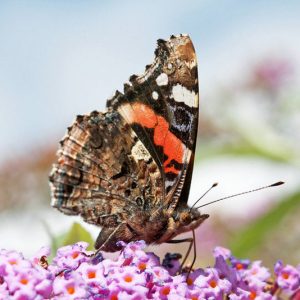
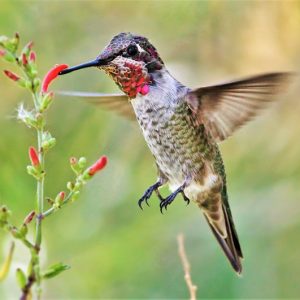
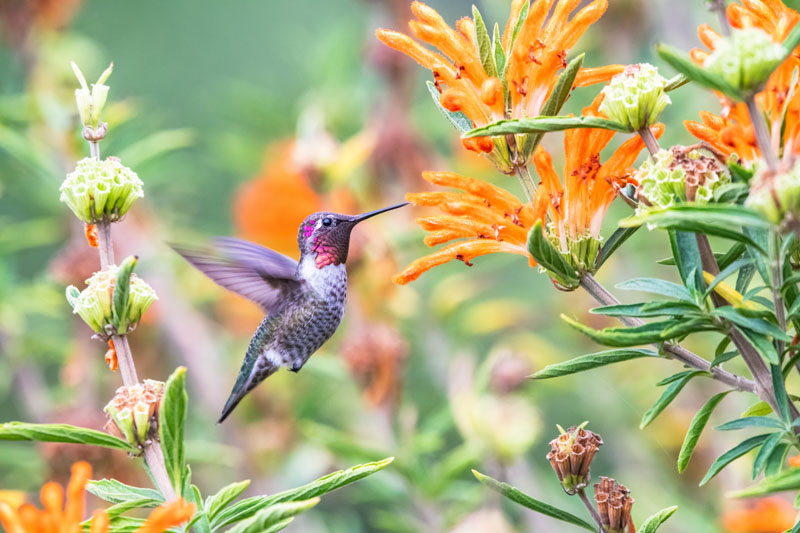
Bees are essential, but the best pollinator gardens are not bee-only. Different pollinators respond to different flower forms, sizes, colors, and bloom structures. Open daisy-like flowers can be excellent for many insects. Tubular flowers can be more appealing to hummingbirds and some long-tongued pollinators. Flat landing platforms help butterflies. Small clustered flowers can be valuable for hoverflies and other beneficial insects.
That is why diversity in flower form matters almost as much as diversity in bloom time. A garden filled with one flower shape may still be limited, even if it blooms for months. Try to include spikes, umbels, daisies, tubes, clusters, and a range of plant heights. Structural variety broadens the audience and makes the planting more animated and visually interesting.
Better diversity rule: do not just ask, “How long does it bloom?” Also ask, “Who can use it?” The strongest gardens answer both questions well.
Pollinator gardens sometimes get dismissed as messy when they are assembled plant by plant without a visual framework. But ecological does not have to mean chaotic. The most compelling gardens combine habitat value with clear structure, repetition, and rhythm.
Repeat key plants instead of using one of everything. Plant in clusters or drifts rather than isolated singles. Use layers of low, medium, and taller plants to create a stronger composition and a clearer visual hierarchy.
This is where the Gardenia Design Tool can help. After narrowing your list with Gardenia Plant Finder, you can review plants together, compare bloom timing and size, estimate quantities, and build a more coherent shopping plan. Instead of a loose list of good plants, you get a design that reads as intentional.
Design rule: repeat high-value plants in visible groups, build in layers, and spread bloom across the season. This improves both visual cohesion and ecological function.
A pollinator garden does not need to be large to matter. Small urban gardens, townhouse borders, front-yard beds, side yards, and containers can all support pollinators when they are designed intentionally.
In compact spaces, bloom duration and overlap become even more important because every plant must earn its place. Long-blooming, high-value plants are especially useful. Containers can also be used strategically to reinforce weak parts of the season. If the main bed begins to fade in midsummer, a pot of late-flowering pollinator plants can extend both visual interest and floral resources.
Small spaces also benefit from vertical layering. Climbers, flowering shrubs, perennials, and container accents can work together to increase bloom density without requiring a large footprint.
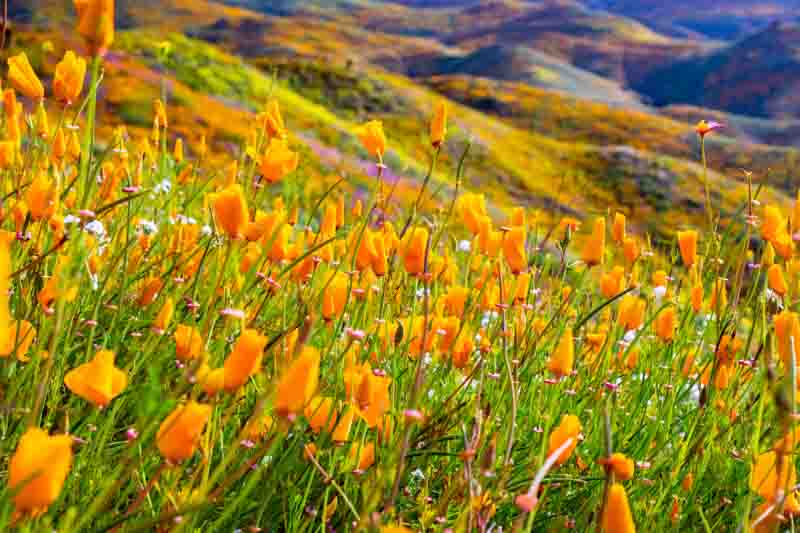
Gardeners often get stuck in an all-or-nothing debate about native versus non-native plants. Native plants are critically important, especially because of their regional ecological relationships and their value to specialist pollinators.
At the same time, many gardeners want a long flowering season, a refined planting style, and a broader ornamental palette. In practice, the strongest gardens often use a smart middle ground. Native plants form the ecological backbone. Carefully chosen, non-invasive ornamentals can help extend bloom periods, strengthen continuity, and add variety without undermining the garden’s function.
The key is intentionality. Do not assume every ornamental plant provides the same value as a strong regional native. But do not ignore useful, non-invasive performers that help keep the bloom calendar intact and the design attractive across the whole season.
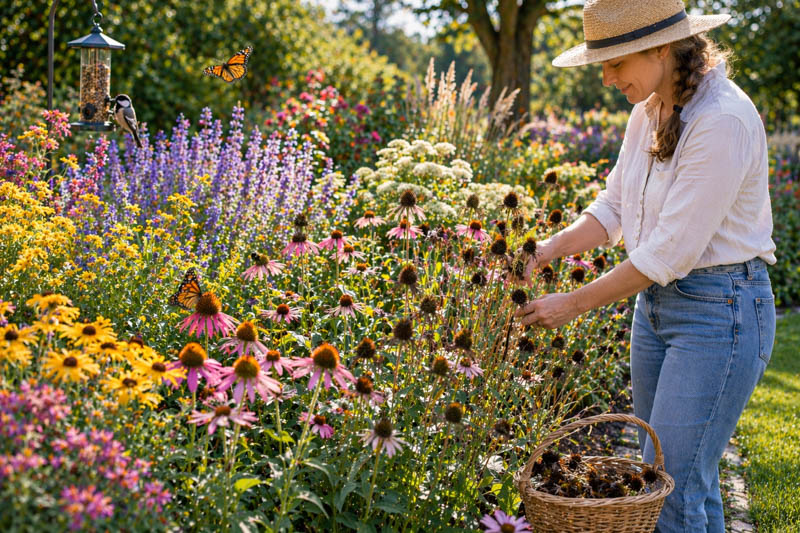
Good maintenance keeps the garden blooming longer, looking better, and functioning more effectively. But pollinator-friendly maintenance is not the same as overly tidy gardening. If you cut everything down too early, clean too aggressively, or spray without caution, you can reduce the very habitat value you were trying to build.
Pesticide use also deserves care. Choosing low-chemical maintenance practices and sourcing plants thoughtfully are not optional extras in a serious pollinator garden. They are part of the design.
All of these problems become easier to solve once the garden is viewed as a seasonal system rather than a collection of flowers.
A successful pollinator garden is not a trend piece and not a one-season display. It is a durable, beautiful system built around timing, overlap, site-fit plant selection, and ecological purpose. When you design with a bloom calendar, you create a garden that supports pollinators more consistently and feels more layered, more intentional, and more alive for longer.
The result is more than a better flower bed. It is a garden with momentum. A garden that feeds, shelters, and sustains life from the first meaningful bloom of spring to the last flowers of fall.
A bloom calendar is a seasonal plan that tracks when plants flower so you can create continuous, overlapping bloom from early spring through late fall.
Bloom overlap ensures pollinators always have access to nectar and pollen, even if one plant finishes early or weather shifts change timing. Overlap also makes the garden more resilient and visually fuller.
Yes. Nectar plants feed adult pollinators, while host plants support larvae and reproduction, making the garden much more ecologically valuable.
Yes. Small gardens, front-yard beds, and containers can support pollinators effectively when they use high-value plants with overlapping bloom periods and are designed intentionally.
Gardenia Plant Finder helps you choose plants by bloom time, site conditions, and other filters, while Gardenia Design Tool helps arrange them into a cohesive layout with continuous bloom, stronger structure, and a more organized shopping plan.
Updated: April 2026 • Reviewed by Gardenia Editors
Create a membership account to save your garden designs and to view them on any device.
Becoming a contributing member of Gardenia is easy and can be done in just a few minutes. If you provide us with your name, email address and the payment of a modest $25 annual membership fee, you will become a full member, enabling you to design and save up to 25 of your garden design ideas.
Join now and start creating your dream garden!
Create a membership account to save your garden designs and to view them on any device.
Becoming a contributing member of Gardenia is easy and can be done in just a few minutes. If you provide us with your name, email address and the payment of a modest $25 annual membership fee, you will become a full member, enabling you to design and save up to 25 of your garden design ideas.
Join now and start creating your dream garden!