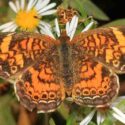
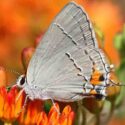
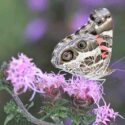
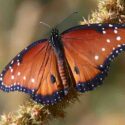
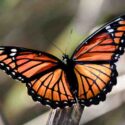
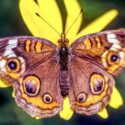
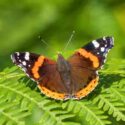
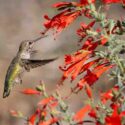
Turn a sunny border into a living nectar bar with these 10 butterfly and hummingbird garden ideas. Each easy recipe pairs proven pollinator plants with color, texture, and a long season of bloom—plus the butterflies you may see, hummingbird favorites, and simple tips for recreating the look at home.
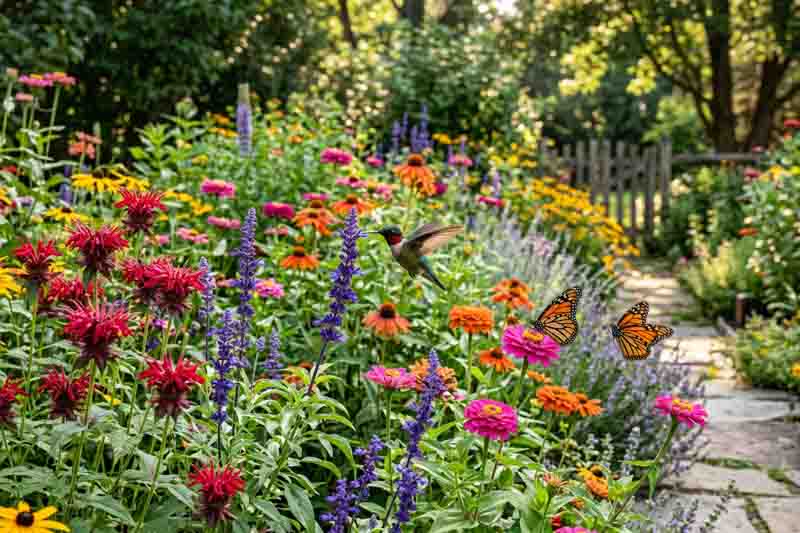


There is something irresistible about a garden that moves. A Monarch settles on a coneflower. A hummingbird darts between scarlet blooms. An Eastern Tiger Swallowtail sails over the border while bees disappear into spikes of lavender and purple.
The good news is that you do not need a huge meadow to make it happen. A thoughtfully planted flower bed, cottage border, prairie garden, or even a small sunny corner can provide nectar for butterflies and hummingbirds.
The key is to plant more than one irresistible flower. Combining plants with different bloom times, heights, colors, and flower shapes creates a longer-lasting display for you and a more dependable food supply for visiting wildlife.
Need some inspiration? Think of these 10 combinations as ready-made garden recipes. Choose one you love, recreate it, or adapt the plants to your climate and growing conditions. Each recipe includes the butterflies you may see visiting the flowers and the plants most likely to catch a hummingbird’s attention.
Keep in mind: butterfly species vary greatly by region. The butterflies listed below are potential nectar visitors where they occur naturally; planting a nectar flower does not guarantee a particular species will visit. Nectar plants feed adult butterflies, while host plants provide food for their caterpillars. The best butterfly gardens include both.
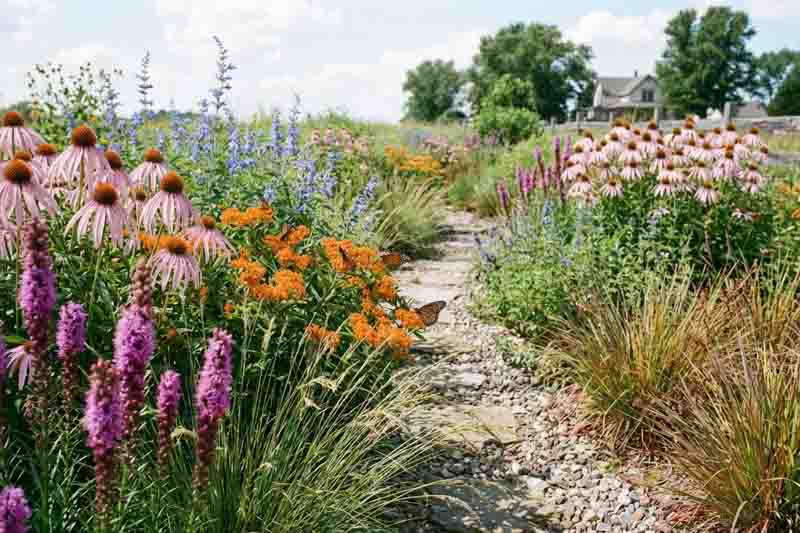
If you want a garden that looks natural, handles summer heat, and buzzes with life, start here. Pale Coneflower, Prairie Blazing Star, Butterfly Milkweed, Blue Sage, Little Bluestem, and Prairie Dropseed mingle rather than standing in formal rows, creating the loose rhythm of a Midwestern prairie.
The flowers arrive in succession, while the grasses carry the garden into fall and winter. Best of all, this combination does more than feed visiting butterflies: Butterfly Milkweed provides a place for Monarchs to reproduce.
Quick garden recipe:
Best for: Full sun, well-drained soil, prairie gardens, naturalistic borders, and lower-water landscapes once established.
Butterflies you may see: Monarchs, Painted Ladies, Eastern Tiger Swallowtails, and Black Swallowtails, along with fritillaries and skippers where they occur.
Hummingbird favorites: Prairie Blazing Star and Blue Sage add nectar-rich flowers that hummingbirds may investigate alongside the butterflies.
Host plant bonus: Butterfly Milkweed is a larval host for the Monarch butterfly. Females lay their eggs on milkweed, and the caterpillars feed on its leaves.
See the complete Native Prairie Garden →
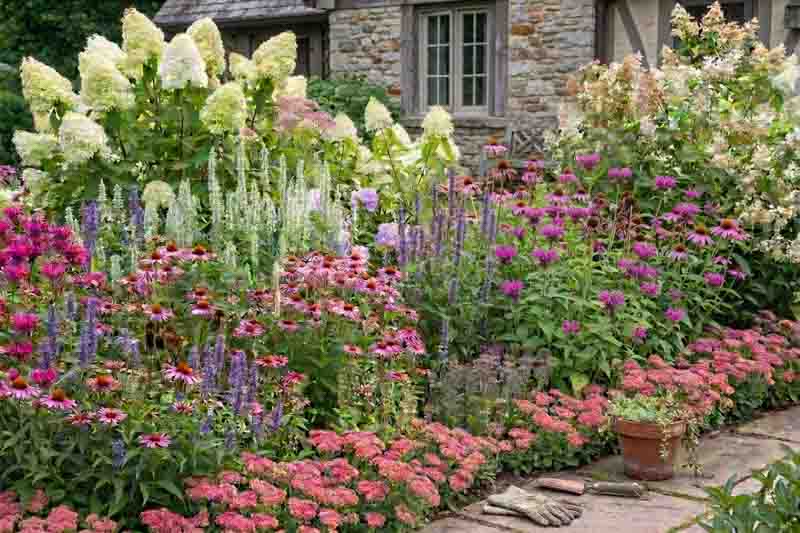
For sheer pollinator appeal, it is hard to beat this combination. Bee Balm brings shaggy pink or red flower heads, Agastache sends up long spikes packed with tubular blooms, and Purple Coneflower gives butterflies broad landing pads. Sedum extends the show into fall.
It is colorful without looking fussy, and because the flowers have such different shapes, the border stays interesting even when several plants bloom at once.
Quick garden recipe:
Best for: Sunny perennial borders, cottage gardens, butterfly gardens, and mixed pollinator beds.
Butterflies you may see: Monarchs, Painted Ladies, American Ladies, Eastern Tiger Swallowtails, and Spicebush Swallowtails may visit where their ranges overlap.
Hummingbird stars: Bee Balm and Agastache. Their tubular flowers make this one of the strongest combinations in the list for attracting hummingbirds.
Easy improvement: Plant Bee Balm and Agastache in generous groups rather than as single plants. Bigger patches are easier for flying visitors to spot and create a stronger visual effect.
See the complete Bee Balm, Agastache and Coneflower Garden →
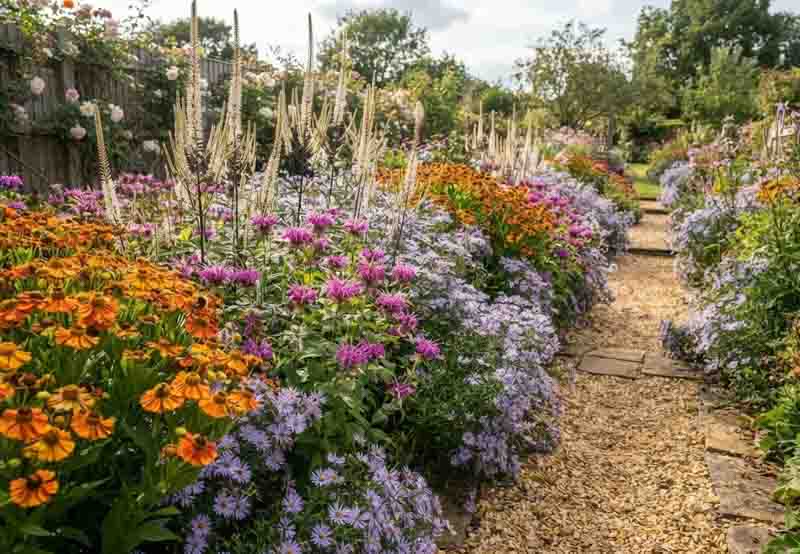
A butterfly garden becomes much more useful when it does not run out of flowers in August. This border combines Bee Balm, Helenium, Culver’s Root, and asters so that one wave of bloom follows another from midsummer toward fall.
The contrast is beautiful too: warm orange Helenium against lavender-blue asters, with Bee Balm filling the middle and tall Culver’s Root rising above everything in elegant spires.
Quick garden recipe:
Best for: Full sun, cottage borders, pathway plantings, and gardens where late-season flowers are a priority.
Butterflies you may see: Monarchs, Red Admirals, Eastern Tiger Swallowtails, and Black Swallowtails may stop for nectar, along with crescents and skippers.
Hummingbird favorite: Bee Balm is the standout, although hummingbirds may explore other nectar-rich flowers in the border.
Why it works for wildlife: No single flower carries the entire garden. As one plant begins to fade, another is approaching its peak, helping avoid the midsummer-to-fall nectar gap common in ornamental borders.
See the complete Long-Blooming Perennial Border →
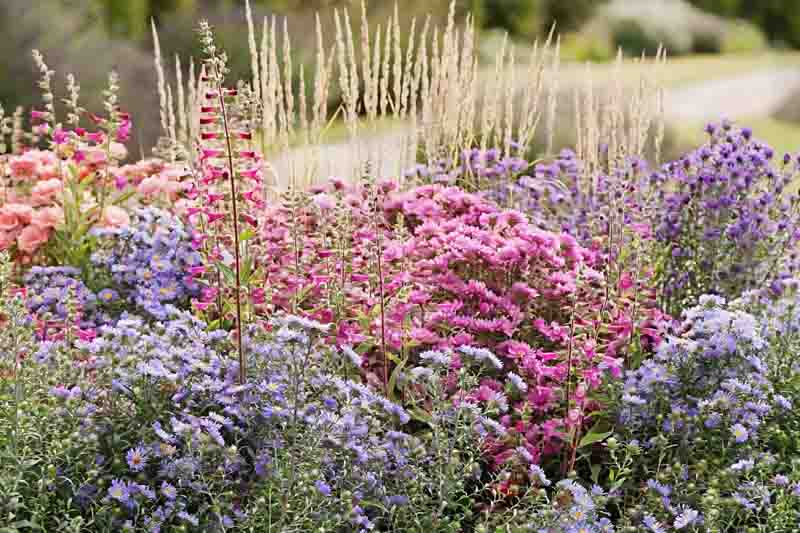
Late summer does not have to mean the end of the butterfly season. Asters can keep a border humming with activity just as many earlier perennials are winding down.
This combination pairs masses of cool-colored asters with Penstemon and upright Feather Reed Grass. The grasses create structure and movement while the flowers supply the color—and nectar.
Quick garden recipe:
Best for: Sunny borders, late-season gardens, perennial beds, and gardeners who want fall flowers rather than a border that peaks only in June.
Butterflies you may see: Monarchs, Painted Ladies, American Ladies, Eastern Tiger Swallowtails, crescents, and skippers.
Hummingbird favorite: Penstemon adds the tubular flower form hummingbirds are especially well equipped to feed from.
Garden tip: Leave late flowers standing as long as possible. In many regions, fall-blooming plants become particularly valuable when migrating butterflies are searching for fuel.
See the complete Aster, Penstemon and Grass Border →
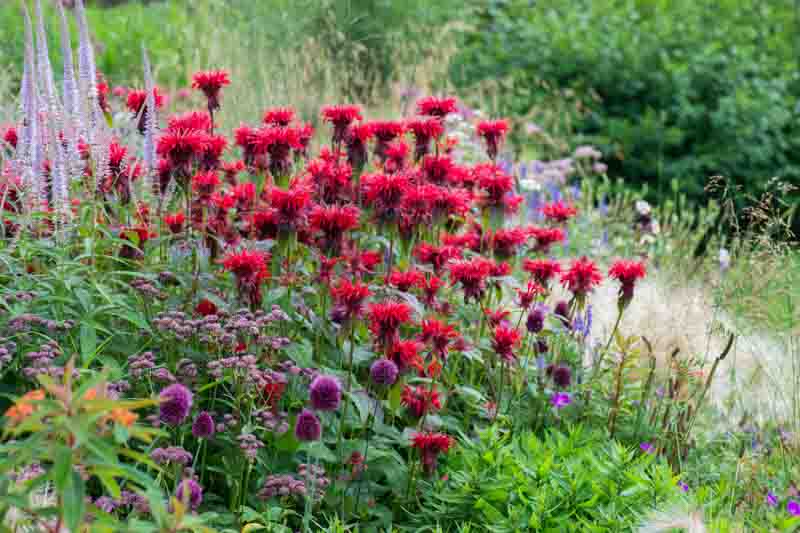
This is a garden for anyone who likes planting that feels loose, airy, and alive. Purple globes of Drumstick Allium appear on slender stems, Tall Verbena seems to float above the border, Bee Balm provides bold flower heads, and Culver’s Root introduces strong vertical lines. Tufted Hair Grass softens everything around them.
The result has plenty of color without looking heavy.
Quick garden recipe:
Best for: Full sun, cottage gardens, contemporary-naturalistic borders, pollinator gardens, and spaces where you want movement without visual heaviness.
Butterflies you may see: Monarchs, Painted Ladies, Spicebush Swallowtails, Pipevine Swallowtails, and Eastern Tiger Swallowtails may visit the nectar-rich flowers where those species occur.
Hummingbird favorite: Bee Balm provides the strongest hummingbird draw, while Tall Verbena adds a long-lasting nectar source used by a broad range of pollinators.
Design trick: Let Verbena weave between the other plants instead of giving it its own block. Its thin stems allow you to see through it, creating height without closing off the border.
See the complete Bee Balm, Verbena and Grass Garden →
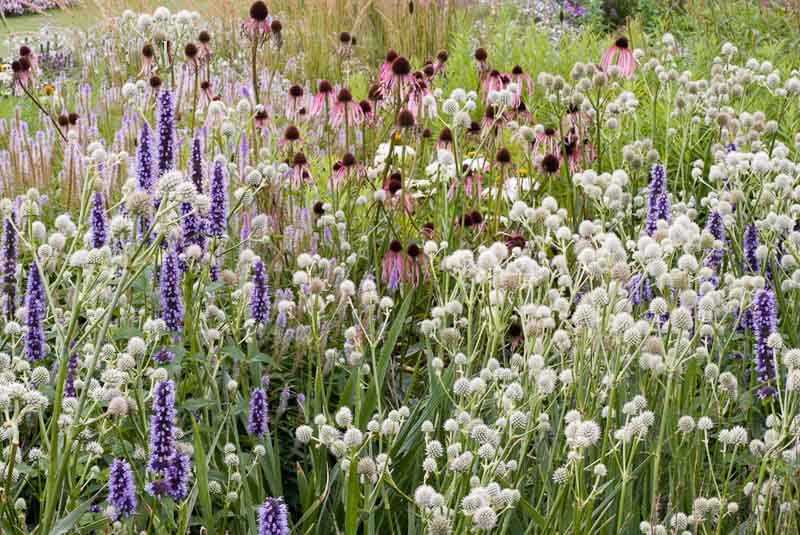
If your sunniest garden bed tends to dry quickly, use plants that consider that an advantage rather than a problem. Pale Coneflower, Rattlesnake Master, Agastache, and Culver’s Root bring together very different flower forms while handling sunny, well-drained conditions beautifully once established.
This combination feels relaxed and prairie-like without becoming untidy.
Quick garden recipe:
Best for: Full sun, well-drained soils, gravel gardens, prairie-style borders, and drought-conscious landscapes.
Butterflies you may see: Monarchs, Painted Ladies, Eastern Tiger Swallowtails, and Black Swallowtails, along with fritillaries and skippers where their ranges overlap.
Hummingbird star: Agastache. Its repeated tubular flowers provide an excellent reason for hummingbirds to return to the same patch again and again.
Garden tip: Do not enrich the soil too heavily. Many prairie plants perform better in relatively lean conditions, where they remain sturdier and less prone to flopping.
See the complete Prairie Planting →
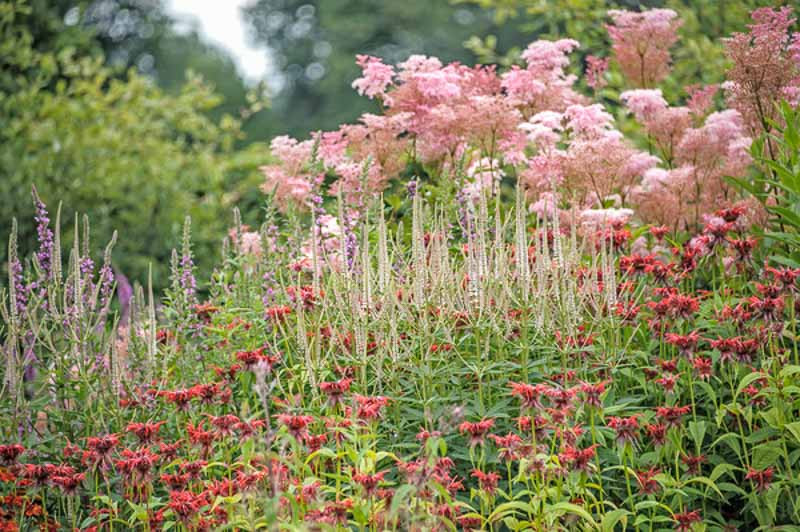
Not every pollinator garden needs dry prairie soil. If your border stays moist, this lush combination offers a completely different approach.
Queen of the Prairie lifts clouds of pink flowers high above the planting, Bee Balm supplies saturated color and tubular blooms, and Culver’s Root threads pale flower spires through the composition. Together they create a tall, exuberant summer garden that looks at home beside a lawn, pond, rain garden, or naturally moist border.
Quick garden recipe:
Best for: Full sun to light shade, moist soils, clay, rain gardens, and large perennial borders.
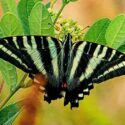
Butterflies you may see: Monarchs, Eastern Tiger Swallowtails, Spicebush Swallowtails, Red Admirals, and skippers may visit. In eastern gardens where pawpaw grows nearby, the distinctive Zebra Swallowtail may also appear in search of nectar.
Hummingbird favorite: Bee Balm is the obvious star here, with its bright tubular flowers held high enough to be easily spotted.
Why we like it: This recipe proves that moisture-retentive soil does not have to become a gardening problem. Choose plants adapted to the conditions and it can become one of the liveliest parts of the garden.
See the complete Queen of the Prairie Garden →
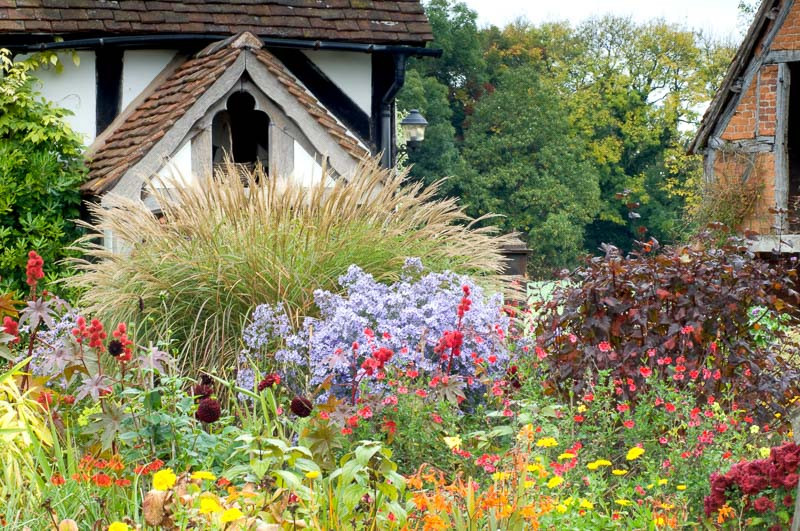
Not every pollinator garden needs to be pink and purple. This combination turns up the heat with coral Crocosmia, scarlet Salvia, copper-orange Helenium, dark Dahlias, and cool asters.
It is particularly effective from midsummer into fall, when its reds, oranges, and deep purples seem to glow in lower sunlight.
Quick garden recipe:
Best for: Full sun, dramatic perennial borders, cottage gardens, and gardeners who love hot colors.
Butterflies you may see: Monarchs, Painted Ladies, Eastern Tiger Swallowtails, Pipevine Swallowtails, and, particularly in warmer eastern and southern regions, Giant Swallowtails may investigate the nectar-rich flowers.
Hummingbird stars: Crocosmia and Salvia. Both produce tubular flowers that suit the feeding style of hummingbirds particularly well.
Design tip: Use the orange and scarlet flowers repeatedly rather than scattering isolated plants throughout the bed. Repetition makes the composition look intentional and creates larger patches for pollinators to discover.
See the complete Hot Summer Border →
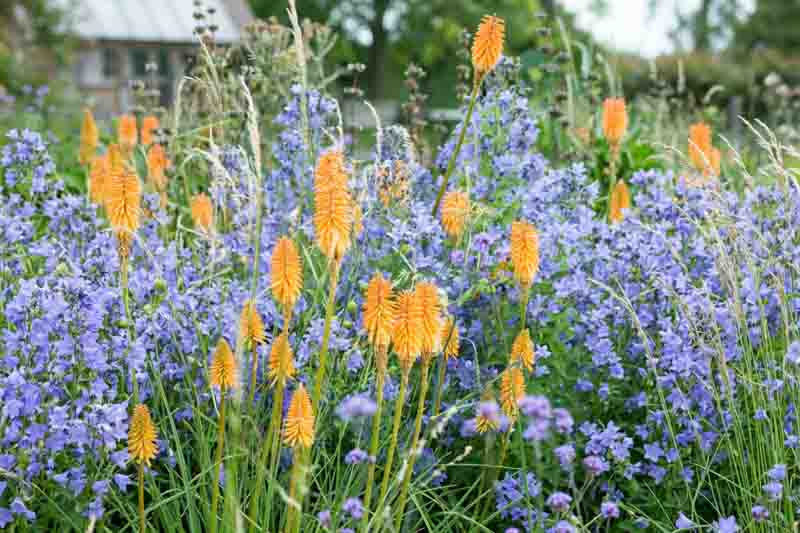
Sometimes the best garden recipe is the simplest one. You do not need ten different plants to create a memorable combination.
Here, tall Red Hot Pokers rise above clouds of violet-blue Milky Bellflowers. The flower shapes could hardly be more different, which is precisely why the pairing works: upright torches above a softer, rounded mass of blue.
Quick garden recipe:
Best for: Full sun, small gardens, simple borders, and anyone who wants a pollinator planting without designing an entire meadow.
Butterflies you may see: Painted Ladies and other nectar-seeking butterflies may investigate the flowers. In eastern North America, larger visitors can include Eastern Tiger Swallowtails and, farther south within their range, Giant Swallowtails.
Hummingbird star: Red Hot Poker. Its tall spikes of tubular flowers are exceptionally well suited to hummingbird feeding.
Why it works: The lesson here is useful far beyond these two plants. Pair one strong vertical flower with one softer companion and repeat both generously. A simple planting can look more confident than a border crowded with too many unrelated plants.
See the complete Campanula and Kniphofia Garden →
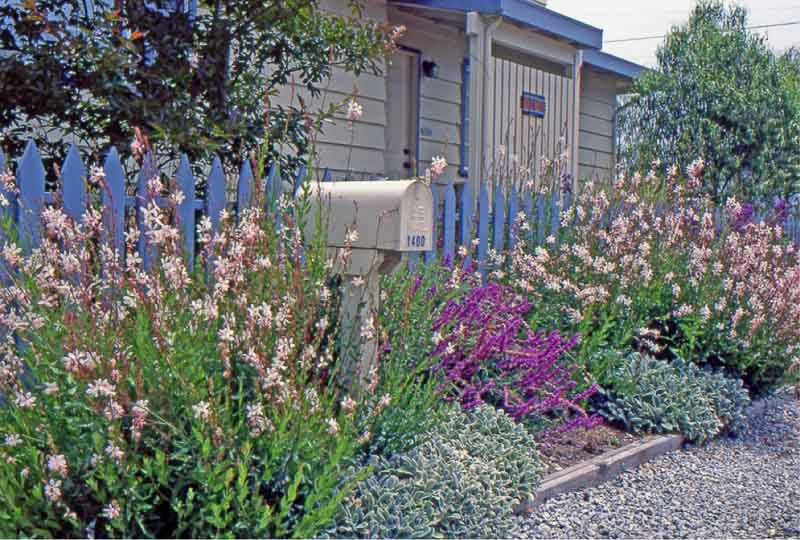
This last garden has a softer personality. Airy Beeblossom moves in the breeze, silvery Lamb’s Ears hug the ground, and velvety spikes of Mexican Bush Sage provide rich purple color from late summer into fall.
It is relaxed, drought tolerant once established, and particularly well suited to warm-climate, coastal, Mediterranean-style, and California gardens.
Quick garden recipe:
Best for: Full sun, well-drained soil, low-water gardens, coastal gardens, Mediterranean-style landscapes, and smaller spaces.
Butterflies you may see: Painted Ladies, Monarchs, and, in warmer parts of its range, the spectacular Gulf Fritillary. Pipevine Swallowtails may also visit nectar flowers in regions where they occur.
Hummingbird star: Mexican Bush Sage. Its arching spikes provide abundant late-season flowers just as many summer perennials begin to fade.
Garden tip: This combination relies as much on texture as flower color. The soft silver foliage of Lamb’s Ears keeps the garden attractive even between major flushes of bloom.
See the complete Coastal Cottage Garden →
You can copy any of these combinations exactly, but you do not have to. Think of them as starting points. The strongest wildlife gardens borrow the same basic principles and adapt them to local conditions.
Use these combinations as inspiration, then adapt them to your own climate, soil, sunlight, and space. Browse Gardenia’s Garden Ideas and Plant Combinations for more ready-made planting ideas, or use the Gardenia Plant Finder to discover plants suited to your conditions and save your favorites to your personal garden collections.
🌿 Design Your Own Pollinator Garden
Already found plants you love? Use the Gardenia Garden Design Tool to combine them into a garden, check their growing requirements, spot potential incompatibilities, estimate plant quantities, and plan seasonal interest.
For the best results, combine flowers that bloom at different times with nectar plants for adult butterflies and hummingbirds, then add host plants for the butterflies that actually occur in your region. That is when a beautiful flower border begins to function as real wildlife habitat.
| Genus | Agastache, Asclepias, Aster, Echinacea, Helenium, Liatris, Monarda, Penstemon, Salvia, Veronicastrum |
|---|---|
| Attracts | Butterflies, Hummingbirds |
| Genus | Agastache, Asclepias, Aster, Echinacea, Helenium, Liatris, Monarda, Penstemon, Salvia, Veronicastrum |
|---|---|
| Attracts | Butterflies, Hummingbirds |
Create a membership account to save your garden designs and to view them on any device.
Becoming a contributing member of Gardenia is easy and can be done in just a few minutes. If you provide us with your name, email address and the payment of a modest $25 annual membership fee, you will become a full member, enabling you to design and save up to 25 of your garden design ideas.
Join now and start creating your dream garden!