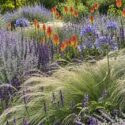
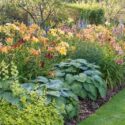
Choosing the right plants starts with your climate. Instead of guessing, use a smarter approach to find plants that truly fit your garden conditions. Filter by hardiness zone, sun exposure, soil, and more to discover plants that will grow better, look healthier, and require less maintenance in your specific environment.
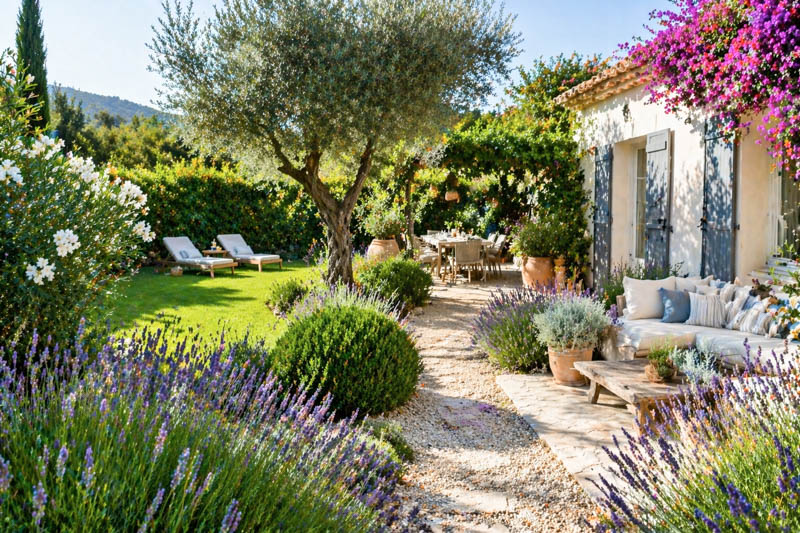


Finding the right plants for your climate can feel overwhelming. Beautiful photos and generic plant lists do not tell you whether a plant will actually thrive in your garden. That is why a climate-based plant finder is so useful. Instead of guessing, you can narrow your choices based on real growing conditions – your hardiness zone, sun exposure, drought tolerance, garden style, and the way you want your garden to look and function.
If you have ever planted something that looked perfect in a photo but struggled in your yard, you are not alone. Many gardeners choose plants based on appearance first, only to discover later that the plant needs cooler summers, richer soil, more shade, better drainage, or stronger winter protection. Gardening becomes much easier when you start with climate compatibility.
A smarter question is not just, “What plants are beautiful?” It is, “What beautiful plants will grow well in my climate?” Once you start there, you can make better choices, avoid costly mistakes, and build a garden that is easier to manage over time.
Climate is one of the most important factors in plant success. It affects winter survival, summer stress, flowering, fruiting, growth rate, disease pressure, and water needs. A plant that thrives in a cool coastal garden may fail in a dry inland garden. A shrub that performs beautifully in a mild climate may struggle in an area with harsh winter freezes. Even within the same state or region, microclimates can dramatically change what grows well.
When gardeners search for the best plants for their yard, they are often really searching for the best plants for their climate. That includes several overlapping conditions:
A plant finder by climate helps you sort through these variables far more effectively than a static article can. It gives you a smarter starting point and reduces the risk of expensive trial and error. Find Plants That Actually Grow in Your Climate.
An interactive plant finder works best when you approach it like a conversation with your garden. Start with the most important filters first, then narrow down based on style, function, and personal taste.
Your hardiness zone is often the first and most useful filter. It tells you how cold your winters typically get and helps eliminate plants that are unlikely to survive outdoors year after year. If you are searching for plants by climate, hardiness zone is your foundation.
For example, if you garden in Zone 5, you may want to focus on cold-hardy shrubs, hardy perennials, and trees that tolerate freezing winters. If you are in Zone 9 or Zone 10, your search may shift toward heat-tolerant plants, subtropical foliage, evergreen screening plants, flowering shrubs, and long-blooming perennials.
Explore plants by hardiness zone
Climate and light work together. A plant may be hardy in your zone but still fail if planted in the wrong amount of sun. This is why adding a sun filter is so powerful. You can narrow your search to:
A gardener in a hot climate may need full sun plants that can handle intense afternoon heat. Another gardener in the same zone may need shade plants for a woodland border or a north-facing patio. The more precisely you filter, the more useful your results become.
Explore plants by sun exposure
Climate is not just about temperature. It is also about water. If you live in a region with long dry summers, low rainfall, or water restrictions, drought-tolerant plants are often the smartest choice. If your climate is rainy or your soil stays moist, you may need plants that tolerate wet feet or seasonal saturation.
Instead of reading one article after another about low-water gardens, Mediterranean plants, or xeriscaping, you can use a filter to see which plants match your conditions immediately.
Browse drought-tolerant plants
Once climate filters are in place, think about what you want the plant to do. Are you looking for privacy? Seasonal color? Pollinator support? Shade? Container gardening? A fragrant patio? A long-blooming border? A foundation planting? An evergreen hedge?
This is where the process becomes exciting. You are no longer just finding plants that survive – you are finding plants that solve a real garden need.
Many gardeners begin with a very specific question. Here are some of the most useful climate-based plant searches and why they matter.
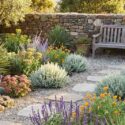
If your garden experiences blazing summer sun, low rainfall, and long dry periods, you need plants that can take the heat without constant watering. Search for drought-tolerant plants, xeric plants, Mediterranean plants, silver-foliage plants, and heat-tolerant flowering shrubs. These gardens benefit from resilient plants that still bring beauty, texture, and seasonal interest.
Find low-water plants for hot, sunny gardens
If your winters are long and severe, you need reliable cold-hardy plants. That includes hardy trees, shrubs, vines, perennials, ornamental grasses, and groundcovers that can handle winter lows and still return strong in spring. A climate-based filter is especially valuable here because cold damage can wipe out years of growth.
Find cold-hardy plants for Zones 3-7
Coastal gardens often deal with salty air, wind, sandy soil, and mild winters. These conditions require a special plant palette. The right coastal plants can create beautiful, resilient gardens with less stress and fewer losses.
Find plants for coastal gardens
Shade gardening becomes much easier when you combine climate and light filters. A plant that tolerates shade in one region may need more sun in another. By searching for shade plants suited to your area, you get far more useful results than from a generic shade plant list.
Find shade plants for your climate
Articles are helpful for ideas, inspiration, and comparisons. But interactive filtering is better when you need precision. A static list may give you ten beautiful options. A plant finder can give you the right options for your exact conditions.
That difference matters because plant success depends on fit. Gardeners often lose time and money chasing broad recommendations that are not tailored enough. An interactive tool helps you skip over unsuitable choices and focus on realistic candidates.
Here is what an interactive plant finder does better than a standard article:
For gardeners who want practical results, that is a major advantage.
Once you filter by climate, you can start matching plants to the kind of garden you want to create. This is where utility meets creativity. A good plant finder is not just about survival – it is about building gardens that feel intentional, cohesive, and beautiful.
If you love romantic planting, layered borders, and abundant blooms, climate filtering helps you choose cottage garden plants that will actually flourish where you live. This is especially helpful in hot or humid regions where classic cottage favorites may struggle.
Modern gardens often rely on strong structure, clean forms, grasses, architectural plants, evergreen repetition, and restrained color palettes. A climate-based plant finder can help you discover low-maintenance plants with the right silhouette and performance for your region.
Explore plants for modern garden design
Want to support bees, butterflies, hummingbirds, and beneficial insects? Start with climate, then filter by pollinator value. This helps you build a pollinator garden that is both ecologically useful and regionally appropriate.
Find pollinator-friendly plants
Privacy planting is one of the best uses of interactive filtering. You can narrow by mature size, evergreen habit, growth speed, light exposure, and climate. That gives you much better results than a general “best privacy shrubs” article.
Choosing the right privacy plants is about more than height – this complete guide covers the best screening plants, privacy hedges, and design strategies for creating a dense, long-lasting living screen.
Find privacy plants for your climate
Containers are especially sensitive to climate because pots heat up, dry out, and cool down faster than garden beds. Filtering for container-friendly plants in your climate can save you from weak performance and constant maintenance.
Find container plants for your region
If you want better recommendations, think in layers. Start broad, then narrow gradually. For example:
This process helps you move from hundreds of possible plants to a shorter, more useful list you can actually work with.
It also makes planning easier if you are building a new border, refreshing a foundation bed, solving a difficult site, or looking for replacements after losses from heat, cold, disease, or drought.
Even experienced gardeners sometimes make climate-related mistakes. Here are a few common ones:
An interactive plant finder helps prevent these mistakes by encouraging more complete decision-making. It reminds you to match plants not only to beauty and style, but also to climate, site conditions, and practical use.
The most successful gardens are rarely the result of luck. They come from choosing plants that belong in the conditions you have. When you match plant to climate, you get better growth, stronger flowering, lower maintenance, and more confidence in your decisions.
This is especially important if you are designing a new landscape, renovating an old one, or trying to reduce water use and maintenance. Every good garden begins with good plant choices, and every good plant choice begins with the right filters.
That is why climate-based search is such a powerful tool. It helps you stop guessing and start selecting. Whether you are looking for flowering shrubs for hot summers, evergreen structure for mild winters, shade perennials for woodland gardens, drought-tolerant plants for dry regions, or pollinator plants for your local climate, an interactive tool can guide you faster and more accurately than general advice alone.
If you know your zone, your light, and your garden goals, you are already halfway there. The next step is to explore plants that fit those conditions and narrow your choices with confidence.
You can begin with the search that best matches your needs:
The best plant for your garden is not just the one that looks good in a photo. It is the one that matches your climate, your space, your light, your soil, and your goals. Start there, and everything else becomes easier.
Ready to narrow your choices and garden smarter? Explore the Plant Finder and discover plants that truly fit your conditions.
Create a membership account to save your garden designs and to view them on any device.
Becoming a contributing member of Gardenia is easy and can be done in just a few minutes. If you provide us with your name, email address and the payment of a modest $25 annual membership fee, you will become a full member, enabling you to design and save up to 25 of your garden design ideas.
Join now and start creating your dream garden!
Create a membership account to save your garden designs and to view them on any device.
Becoming a contributing member of Gardenia is easy and can be done in just a few minutes. If you provide us with your name, email address and the payment of a modest $25 annual membership fee, you will become a full member, enabling you to design and save up to 25 of your garden design ideas.
Join now and start creating your dream garden!