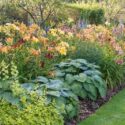
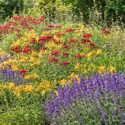
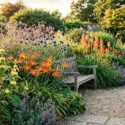
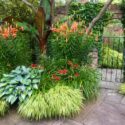
Keep daylilies blooming after the summer peak with Late and Very Late cultivars. Learn how these final bloom windows differ, how to connect them with Late Midseason flowers, and how to choose cultivars for the garden they will actually bloom in, creating a colorful, deliberate finish to the season.
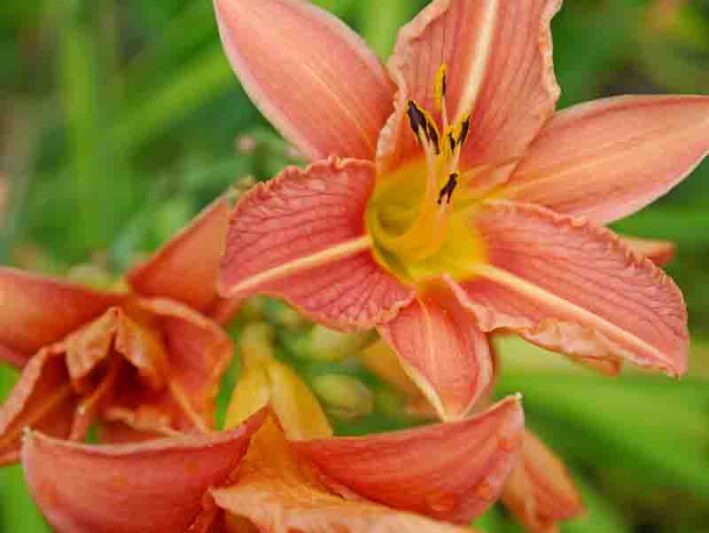


When the main wave of daylilies (Hemerocallis) begins to fade, the flowering season does not have to end. Cultivars classified as Late or Very Late can keep daylily color going after most others have finished, extending the display into late summer and, in some climates, fall.
Late-flowering daylilies are especially useful because they extend the season through their primary bloom time. You are not relying on a second flush from an earlier cultivar. These plants are naturally scheduled to flower near the end of the daylily sequence.
For practical garden planning, Gardenia organizes the standard daylily bloom sequence into three connected seasons: Early (Extra Early + Early), Midseason (Early Midseason + Midseason + Late Midseason), and Late (Late + Very Late). The underlying bloom classifications come from the American Daylily Society; Gardenia’s three-season grouping is designed to make those classifications easier to use in the garden.
Think of the end of the daylily season as Carry → Extend → Finish.
| Bloom Window | Relative Timing | Garden Role |
|---|---|---|
| Late Midseason (LM) | About 1-3 weeks after peak bloom | Carry: moves the central display toward the late season |
| Late (L) | Usually about 4-6 weeks after peak, when most other daylilies have finished | Extend: keeps primary daylily bloom going after the main season |
| Very Late (VL) | The final bloomers of the daylily season | Finish: provides the last primary daylily flowers of the season |
Gardenia’s Late-Season Finish: Late Midseason cultivars carry the display beyond peak bloom, Late cultivars extend it after most daylilies have finished, and Very Late cultivars provide the final primary flowers of the season.
Daylily bloom classifications describe relative timing rather than fixed calendar dates. The American Daylily Society defines Late cultivars as those flowering when most other daylilies have finished, usually about four to six weeks after the local peak. Very Late cultivars are the final bloomers of the season.
The actual dates vary by climate and location. Peak daylily season arrives earlier in warm regions and later in colder ones, so a Late cultivar does not necessarily flower during the same calendar month everywhere.
In some gardens, Very Late cultivars finish in late summer. In others, they may carry daylily flowers into fall.
Late does not mean a fixed month. A Late daylily flowers near the end of your local daylily season. Its classification tells you where it belongs in the bloom sequence, not the exact date it will open everywhere.
Late daylilies become especially valuable when the concentrated color of peak season begins to disappear. They enter their principal flowering period when most other cultivars have already finished, creating a distinct later wave rather than merely prolonging the fading edge of the main display.
This makes Late cultivars particularly useful if you want daylilies to remain visually important well beyond the summer peak.
Use Late daylilies to:
Late bloom is different from lingering bloom. A Late cultivar is naturally entering its principal flowering period when many earlier daylilies have already finished. That makes it a dependable structural part of a long bloom sequence.
Late-blooming does not mean long-blooming. “Late” describes when a cultivar’s primary display occurs in the season. It does not tell you how many weeks that individual cultivar will remain in flower.
Very Late daylilies occupy the final position in the standard daylily bloom sequence. These cultivars flower after the Late group and provide the final primary daylily blooms of the season.
Their greatest advantage is timing. By the time Very Late cultivars open, the garden may look very different from the border at peak daylily season. Summer companions may be giving way to ornamental grasses and later-blooming perennials, creating a new setting for the final daylily flowers.
A Very Late cultivar can therefore make a strong impression even if its flower color or form would be familiar earlier in the season.
Very Late is a timing advantage. These cultivars do not need unusual flowers to stand out. Their impact comes partly from flowering when relatively few other daylilies remain in their primary bloom period.
Late and Very Late cultivars work best as the final part of a longer flowering sequence. Gardenia’s Midseason-Blooming Daylilies guide ends with Late Midseason cultivars, which carry the display beyond peak bloom and create the natural transition into the Late group.
| Garden Phase | Bloom Groups | Purpose |
|---|---|---|
| Start | Extra Early + Early | Bring daylily color into the garden before peak season |
| Build | Early Midseason | Bridge early flowering into the main display |
| Peak | Midseason | Create maximum flower impact |
| Carry | Late Midseason | Keep color moving beyond peak bloom |
| Extend | Late + Very Late | Continue flowering after most daylilies have finished |
Then add rebloom: Reblooming cultivars may produce additional scapes later in the season, but they work best as another layer on top of a well-planned primary bloom sequence.
If you want to begin the sequence much earlier, explore Gardenia’s Early-Blooming Daylilies, covering Extra Early and Early cultivars.
A late-flowering daylily and a reblooming daylily describe two different characteristics.
A Late or Very Late cultivar may rebloom, but it does not need to rebloom to provide late-season color. Its principal flowering period already occurs toward the end of the season.
Conversely, an Extra Early, Early, or Midseason cultivar may produce a later second flush without becoming a Late cultivar. Its primary bloom-season classification remains separate from its rebloom behavior.
Explore Gardenia’s Reblooming Daylilies if repeat flowering is an important part of your planting plan.
For dependable late color, start with primary bloom season. Late and Very Late cultivars provide the structural end of the season. Rebloom can then add another possible layer of flowers.
A successful late-season planting should look intentional, not like a few daylilies that happened to bloom after everything else. Start with Late and Very Late timing, then choose cultivars for the garden that will actually surround them when they flower.
Using both bloom windows gives the closing part of the season more depth. Late cultivars extend the display after most daylilies have finished, while Very Late selections provide the final stage.
Think in overlap, not isolated finales. Late cultivars do not need to finish completely before Very Late ones begin. Some overlap creates a fuller and more natural transition toward the end of the season.
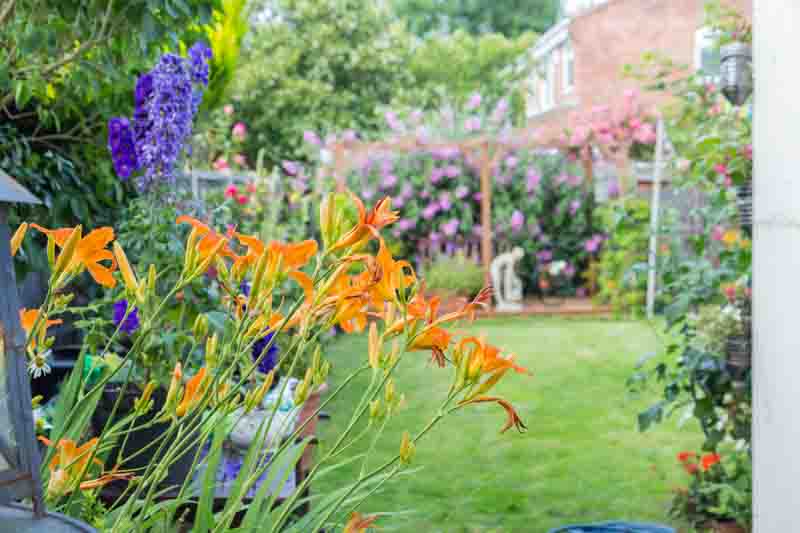
A Late daylily may be planted in spring beside peonies, irises, or early salvias, but those plants may no longer be flowering when the daylily opens. Judge a late cultivar against the garden it will share at bloom time, not simply the planting that surrounds it earlier in the year.
Look at the foliage, flower colors, heights, and textures that dominate your border in late summer. Ornamental grasses, asters, sedums, later salvias, coneflowers, and other long-season perennials can create a very different backdrop from the one surrounding Early or Midseason daylilies.
The seasonal palette may also have changed. Warm gold, orange, red, and burgundy can reinforce late-summer color, while cream, pink, lavender, or strongly patterned flowers can brighten borders dominated by deeper tones.
The goal is not to choose a color because it looked attractive in isolation, but to choose one that contributes to the garden at the time it actually flowers.
Late timing does not determine appearance. Cultivars can differ considerably in scape height, flower size and form, pattern, foliage habit, fragrance, and rebloom potential.
Use shorter selections toward the foreground and taller scapes where they can rise above mature late-season companions without being hidden.
Choose companions that still provide interest when Late and Very Late daylilies flower. Later-blooming perennials and ornamental grasses can help turn the end of the daylily season into a distinct garden display rather than a fading continuation of midsummer.
For planting combinations, explore Gardenia’s Great Companion Plants for Daylilies.
Reblooming cultivars from earlier bloom windows may overlap with Late or Very Late daylilies and increase flower density. That can be highly effective, but treat rebloom as reinforcement rather than the foundation of the late-season display.
Best late-season combinations: Use Late cultivars to extend the season, Very Late cultivars to finish it, and choose both for the garden that will actually surround them at bloom time. Let rebloom add another layer rather than carrying the whole display.
Late-flowering cultivars do not require special cultivation, but they still need enough light, moisture, and growing space to develop strong scapes and buds after spending much of the season in active growth.
For complete planting, watering, fertilizing, deadheading, dividing, and seasonal-care instructions, see Gardenia’s How to Grow and Care for Daylilies: Complete Planting & Care Guide.
If an established Late or Very Late cultivar fails to flower well, investigate sunlight, crown depth, crowding, moisture, cultivar performance, and plant health before simply adding fertilizer.
Late timing is the starting point, not the entire selection process. Once you know you need Late or Very Late bloom, compare the whole plant to find the cultivar that best fits the garden.
Choosing shortcut: Choose the bloom window first, then the cultivar. Timing determines how long the daylily season continues; the cultivar determines what the final display looks like.
You can also browse Gardenia’s Top Daylilies or explore the complete Hemerocallis collection to compare plants in greater detail.
| Garden Goal | Best Bloom Groups | Explore |
|---|---|---|
| Start daylily color as early as possible | Extra Early + Early | Early-Blooming Daylilies |
| Build and extend the peak-season display | Early Midseason + Midseason + Late Midseason | Midseason-Blooming Daylilies |
| Keep flowers coming after peak season | Late + Very Late | Late-Blooming Daylilies |
| Add another possible flowering flush | Rebloomers | Reblooming Daylilies |
The cultivars below are drawn from Gardenia’s daylily database and organized by their primary ADS bloom-season classification. Browse Late and Very Late daylilies separately, then use the individual profiles to compare flower color and form, height and spread, fragrance, rebloom, foliage habit, hardiness, and growing requirements.
Planning tip: Choose cultivars from both late bloom windows if you want the final display to progress rather than end abruptly. When selecting them, compare the plants that will actually surround them at bloom time, not only the border as it appears earlier in the season.
Bloom timing remains relative and can shift with climate, location, and weather.
| Hardiness |
3 - 9 |
|---|---|
| Climate Zones | 2, 3, 4, 5, 6, 7, 8, 9, 10, 11, 12, 13, 14, 15, 16, 17, 18, 19, 20, 21, 22, 23, 24, H1, H2 |
| Plant Type | Perennials |
| Genus | Hemerocallis |
| Exposure | Full Sun, Partial Sun |
| Season of Interest | Summer (Mid, Late), Fall |
| Maintenance | Low |
| Water Needs | Average |
| Soil Type | Chalk, Clay, Loam |
| Soil pH | Acid, Alkaline, Neutral |
| Soil Drainage | Moist but Well-Drained, Well-Drained |
| Characteristics | Fragrant, Plant of Merit, Showy |
| Tolerances | Drought, Rabbit |
| Attracts | Birds, Butterflies, Hummingbirds |
| Landscaping Ideas | Beds And Borders, Edging, Patio And Containers |
| Garden Styles | City and Courtyard, Informal and Cottage, Prairie and Meadow, Traditional Garden |
Gardenia uses “late-blooming daylilies” as a practical grouping for Late and Very Late cultivars. Late daylilies flower when most other cultivars have finished, while Very Late cultivars occupy the final part of the primary daylily bloom sequence.
The American Daylily Society describes Late cultivars as flowering when most others have finished, usually about four to six weeks after the local peak. Because peak bloom varies by climate and location, this does not correspond to one fixed calendar date everywhere.
A Very Late daylily belongs to the final primary bloom-season category. These cultivars are the last daylilies to flower, sometimes extending the display into fall depending on climate and location.
Late Midseason is a distinct bloom-season classification occurring before Late. For practical garden planning, Gardenia groups Late Midseason with Early Midseason and Midseason in its Midseason guide, while this Late guide focuses on Late and Very Late cultivars.
Not exactly. Late and Very Late are relative daylily bloom classifications, while “late summer” describes a calendar period. The actual flowering dates of Late cultivars vary with climate, location, and weather.
Some may, but Late bloom and rebloom are separate characteristics. Late or Very Late describes the timing of the cultivar’s primary flowering period, while rebloom describes the ability to produce additional scapes after an earlier display.
No. Late describes where a cultivar’s primary flowering period falls in the season, not how long the cultivar remains in bloom. Flowering duration depends on the cultivar, number of buds, plant vigor, weather, and growing conditions.
Build the primary sequence from Late Midseason into Late and Very Late cultivars, then add rebloomers where appropriate. Naturally late primary bloom periods provide a more dependable foundation than relying on rebloom alone.
Yes. Very Late cultivars are the last daylilies to flower and may extend into fall in some climates. Exact timing depends on cultivar, region, elevation, and seasonal weather.
Most daylilies flower best with about six hours or more of direct sunlight per day. They tolerate some partial shade, although reduced light can decrease flowering.
Daylily bloom classifications describe relative timing rather than fixed dates. Climate, spring and summer temperatures, latitude, elevation, local weather, and growing conditions can shift flowering from year to year.
You can if your main goal is late-season impact, but combining several primary bloom periods creates a much longer display. Extra Early and Early cultivars start the season, Midseason groups build and carry the peak, and Late and Very Late cultivars finish it.
Choose companions that share compatible sunlight, soil, drainage, and moisture requirements and still provide interest when Late and Very Late daylilies flower. Later-blooming perennials and ornamental grasses can help turn the final daylily season into a distinct display.
The end of peak bloom does not have to mean the end of the daylily season. Late cultivars naturally flower when most other daylilies have finished, while Very Late selections provide the final primary blooms.
For the smoothest transition, begin with Late Midseason cultivars that carry the display beyond peak bloom, then move into Late and Very Late selections. Gardenia’s Carry → Extend → Finish approach turns the end of the season into a planned progression rather than a handful of isolated late flowers.
For the complete sequence, connect these late selections to Gardenia’s Early-Blooming Daylilies and Midseason-Blooming Daylilies, then add reblooming cultivars where appropriate for additional flowers.
Updated: August 2026 • Reviewed by Gardenia Editors
| Hardiness |
3 - 9 |
|---|---|
| Climate Zones | 2, 3, 4, 5, 6, 7, 8, 9, 10, 11, 12, 13, 14, 15, 16, 17, 18, 19, 20, 21, 22, 23, 24, H1, H2 |
| Plant Type | Perennials |
| Genus | Hemerocallis |
| Exposure | Full Sun, Partial Sun |
| Season of Interest | Summer (Mid, Late), Fall |
| Maintenance | Low |
| Water Needs | Average |
| Soil Type | Chalk, Clay, Loam |
| Soil pH | Acid, Alkaline, Neutral |
| Soil Drainage | Moist but Well-Drained, Well-Drained |
| Characteristics | Fragrant, Plant of Merit, Showy |
| Tolerances | Drought, Rabbit |
| Attracts | Birds, Butterflies, Hummingbirds |
| Landscaping Ideas | Beds And Borders, Edging, Patio And Containers |
| Garden Styles | City and Courtyard, Informal and Cottage, Prairie and Meadow, Traditional Garden |
Create a membership account to save your garden designs and to view them on any device.
Becoming a contributing member of Gardenia is easy and can be done in just a few minutes. If you provide us with your name, email address and the payment of a modest $25 annual membership fee, you will become a full member, enabling you to design and save up to 25 of your garden design ideas.
Join now and start creating your dream garden!

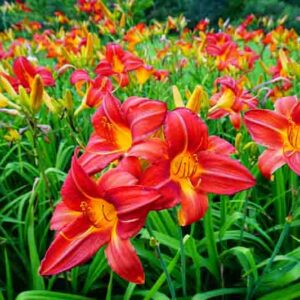
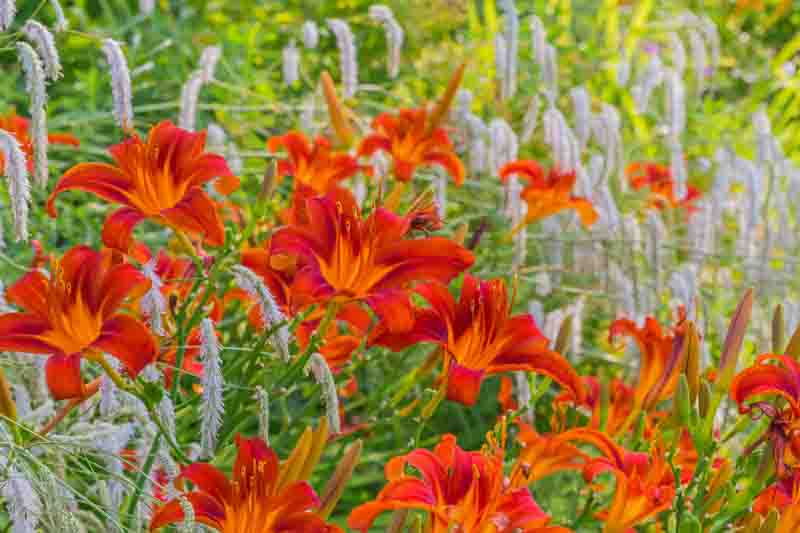 Hemerocallis ‘Sammy Russell’
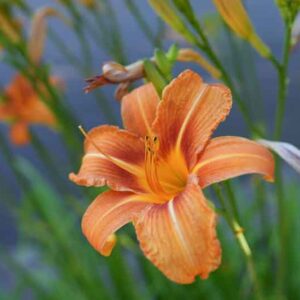
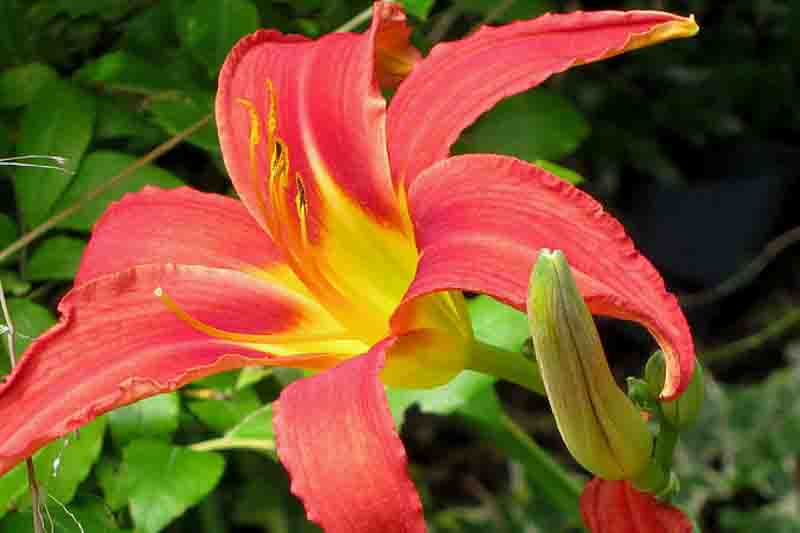 Hemerocallis ‘Autumn Accent’