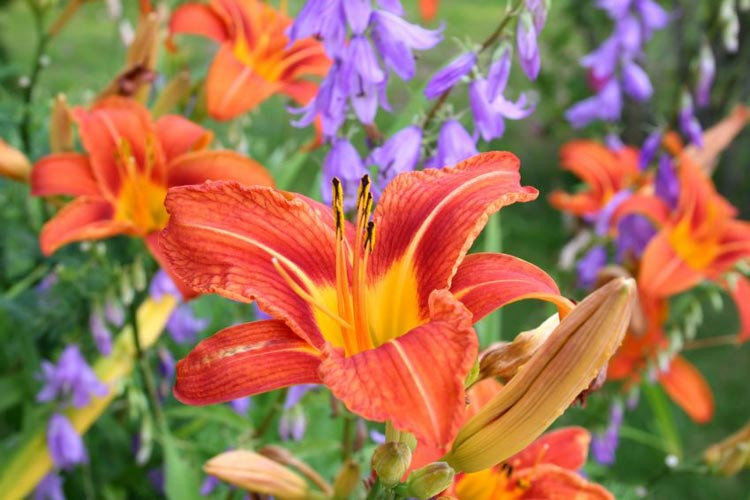
Hemerocallis (Daylily) Guides
Hemerocallis (Daylily): How to Choose, Grow, and Enjoy Them
Hemerocallis, commonly called daylilies, are among the easiest summer perennials to grow. They come in thousands of colors, flower forms, heights, and bloom seasons, but the best daylily is not simply the prettiest one. Choose varieties that fit your space, climate, bloom calendar, and garden style. Use the guides below to select well, keep plants flowering, and solve the most common problems.
Choose the Right Daylily
Look beyond flower color. Check height, mature spread, bloom season, reblooming habit, and foliage type. Compact varieties are ideal for edging and small gardens, while taller daylilies work better in mixed borders. Start with these top daylilies or explore dwarf daylilies for limited spaces.
Plan for a Longer Bloom Season
For flowers over a longer period, combine early-blooming daylilies, midseason daylilies, and late-blooming daylilies. Add reblooming daylilies for extra flowers later in the season.
Give Daylilies the Conditions They Need
Daylilies generally flower best with plenty of sun, well-drained soil, and regular moisture while actively growing. Avoid planting the crown too deeply, and give each plant room to mature. For planting, watering, feeding, spacing, and seasonal care, use the complete daylily growing guide.
Keep Daylilies Blooming and Looking Good
Remove spent flowers and developing seedpods, water during dry spells, and divide overcrowded clumps when flowering declines. Learn how to keep daylilies blooming longer, when to divide them, and when to cut them back.
Fix Poor Bloom, Yellow Leaves, and Other Problems
If your daylilies are producing leaves but few flowers, check for too much shade, overcrowding, deep planting, drought stress, or excess nitrogen. See why daylilies stop blooming and this guide to yellow leaves, spots, and other daylily problems.
Pair Daylilies with Better Garden Companions
Daylilies look best in mixed borders where neighboring plants add contrasting foliage, height, and flowers before and after the main daylily season. Explore these great companion plants for daylilies to create a more layered and longer-lasting display.
Know Before You Plant
Daylilies are not true lilies. Hemerocallis grows from fleshy roots, while true lilies belong to Lilium and grow from bulbs. Learn how to tell lilies and daylilies apart. Also remember that daylilies are toxic to cats; see Gardenia’s guide to daylily toxicity in cats. Gardeners concerned about the spreading orange daylily can also explore native alternatives to Hemerocallis fulva.
Five Popular Daylilies to Consider
‘Stella de Oro’ is a compact golden-yellow rebloomer. ‘Happy Returns’ offers soft yellow flowers and repeat bloom. ‘Pardon Me’ brings deep burgundy-red color. ‘Ruby Spider’ stands out for its huge ruby-red flowers, while ‘Joan Senior’ is prized for elegant creamy-white blooms.