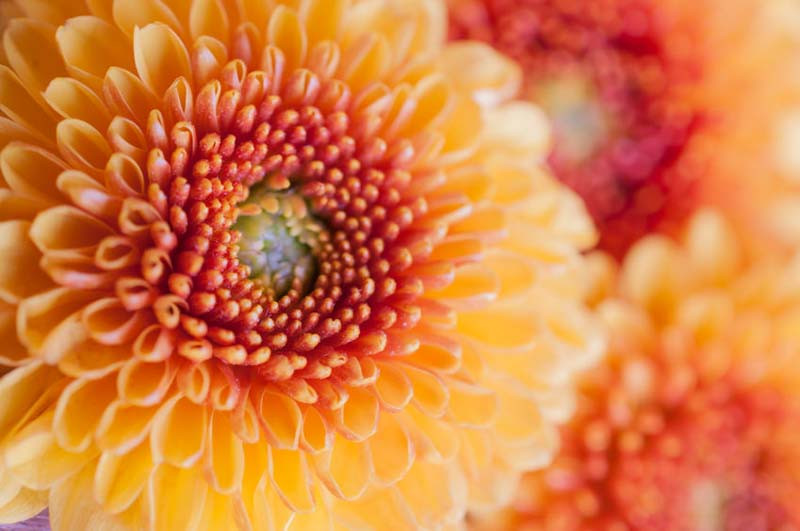
Chrysanthemum (Mums)
Chrysanthemum, commonly called mums, are among the great flowers of fall, producing masses of daisy-like, double, pompon, spoon-shaped, and other spectacular blooms in colors ranging from white and yellow to pink, bronze, orange, red, and purple. But not all mums are alike. Some are hardy garden perennials that can return for years, while others are grown mainly as seasonal container or florist plants. For the best garden performance, choose chrysanthemums for their hardiness, mature size, bloom season, flower form, and garden habit – not flower color alone.
Choose the Right Chrysanthemum
Start by deciding what you want your mum to do. For a perennial border, look for a named hardy garden mum suited to your USDA zone rather than assuming every potted fall mum will return. Garden mums, florist mums, heritage chrysanthemums, and exhibition types can differ greatly in hardiness, habit, flower size, and garden performance. See garden mums vs. florist mums and find out which mums are perennials and come back every year.
Chrysanthemums also offer an extraordinary range of flower forms. Explore Gardenia’s 13 types of chrysanthemums, or compare them with other members of the daisy family in types of daisies worth growing.
Popular garden chrysanthemums to explore include Chrysanthemum ‘Clara Curtis’, an early warm-pink perennial; ‘Hillside Sheffield Pink’, valued for its soft apricot-pink flowers; ‘Matchsticks’, with distinctive spoon-shaped petals; ‘Apricot’, a beautiful late-season selection; and ‘Fireglow Bronze’, a compact, free-flowering garden mum.
Plan a Longer Chrysanthemum Season
Mums are famous for fall color, but their flowering season varies considerably by cultivar. Some begin in late summer or early fall, others peak in mid-fall, and later selections continue toward frost. For a longer display, combine chrysanthemums with overlapping flowering periods rather than planting varieties that all peak at once. Gardenia’s chrysanthemum bloom-time guide explains how to combine early, midseason, and late mums for continuous autumn color.
For an even richer late-season border, mix mums with plants that add contrasting shapes, textures, and flowering times. See the best companion plants for chrysanthemums and explore more fall flowers for an autumn garden.
Plant, Grow, and Keep Mums Blooming
Most garden chrysanthemums flower best in full sun and fertile, moist but well-drained soil. Good air circulation and consistent moisture help plants develop vigorous growth, while waterlogged soil can damage the crown and roots. Because chrysanthemums initiate flower buds in response to shortening days, strong artificial light at night can also interfere with normal bud development.
For complete planting, watering, feeding, pinching, and seasonal-care advice, follow Gardenia’s chrysanthemum growing and care guide. If a healthy-looking plant produces few or no flowers, see why mums are not blooming and how to fix the problem.
Bought a flowering pot in fall? Find out whether you can plant a potted mum in the ground and what affects its chances of becoming an established garden plant.
Help Chrysanthemums Survive Winter
Whether a mum returns the following year depends on more than its label. Cultivar hardiness, planting time, establishment, drainage, and winter protection all influence survival. Hardy garden mums planted early enough to develop a strong root system have a much better chance of returning than unidentified mums planted just before freezing weather.
Garden-grown chrysanthemums and container mums also need different winter treatment because roots in pots are much more exposed to cold. Gardenia’s guide to overwintering mums in the ground and in pots explains how to protect roots, use winter mulch, manage dormant containers, and improve the odds of spring regrowth.
Troubleshoot Problems – and Discover More About Chrysanthemums
Yellowing leaves, spots, distorted growth, wilt, poor flowering, and damaged buds can result from cultural stress, pests, or disease. Start with Gardenia’s visual guide to what may be wrong with your chrysanthemum, then use the guide to chrysanthemum pests and diseases for more specific identification and management advice.
Chrysanthemums are useful far beyond the autumn flower border. Certain chrysanthemums have a long history of use for chrysanthemum tea, while pyrethrins derived from particular chrysanthemum species have played an important role in botanical insecticides. Learn more about chrysanthemums and garden pest control.