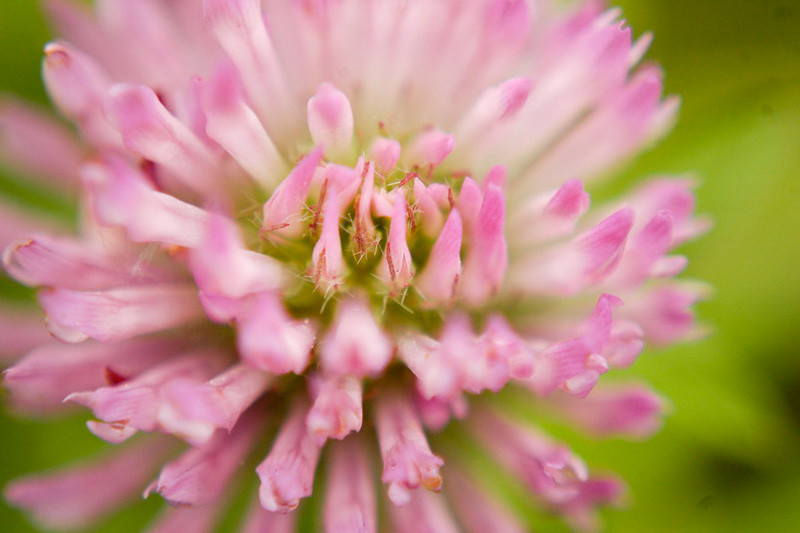
Trifolium (Clover)
Trifolium (Clover) is a versatile, pollinator-friendly plant genus valued by gardeners, farmers, and wildlife enthusiasts alike. Known for its distinctive three-leaf foliage and nectar-rich flowers, Trifolium includes dozens of species that enrich soil, support biodiversity, and add charm to lawns, meadows, and cottage gardens. From ornamental varieties to traditional pasture plants, clover offers beauty, sustainability, and ecological value – though some species, especially spreading types like white clover, can naturalize aggressively or become weedy in certain settings if not managed carefully.
Gardeners appreciate clover not only for its delicate flowers but also for its remarkable soil-improving ability. As a nitrogen-fixing plant, it naturally boosts soil fertility while attracting beneficial insects, bees, and butterflies. Still, because some clovers self-seed or spread by creeping stems, it is wise to match the variety to the location and monitor growth over time.
Key Characteristics
Trifolium species are low-growing annuals or perennials with rounded flower heads in shades of white, pink, crimson, or purple. Popular species include Trifolium pratense (Red Clover), valued for pollinator gardens; Trifolium incarnatum (Crimson Clover), admired for vivid red blooms; and the ornamental Trifolium repens ‘Purpurascens Quadrifolium’. Gardeners also love the dramatic plumes of Trifolium rubens (Red Feather Clover). Some clovers stay well behaved, while others spread readily, so selection matters.
Wildlife and Pollinator Value
Clover flowers are magnets for bees, butterflies, and other beneficial insects. Species of Trifolium can support pollinator ecosystems and may even host butterfly larvae in some regions. Learn how clover fits into pollinator landscapes with guides like Best Host Plants for Butterflies in Texas and discover pollinators such as the Black Swallowtail Butterfly.
Companion Planting Benefits
Clover is a powerful companion plant. It suppresses weeds, improves soil structure, and adds nitrogen that helps nearby crops thrive. Gardeners often integrate clover with vegetables and fruit plantings. Explore companion strategies with Tomato Companion Plants, Strawberry Companions, Peach Tree Companion Plants, or even tropical combinations such as Banana Companion Plants.
Why Gardeners Love Clover
Clover is resilient, low maintenance, and environmentally friendly. It grows in poor soils, requires minimal fertilizer, and supports healthy ecosystems. Many gardeners now use clover as a lawn alternative or meadow plant because it stays green, feeds pollinators, and naturally enriches the soil. In short – clover is a small plant with a surprisingly big impact, though vigorous species are best used with a little planning and control.
With its pollinator value, soil-enriching power, and charming blooms, Trifolium continues to earn a place in modern sustainable gardens – especially when gardeners choose species carefully and manage spreading types responsibly.
This version works better becaus