Pygmy Torch Amaranth, Pygmy Torch, Prince Of Wales Feather, Prince's Feather, Prince-Of-Wales Feather

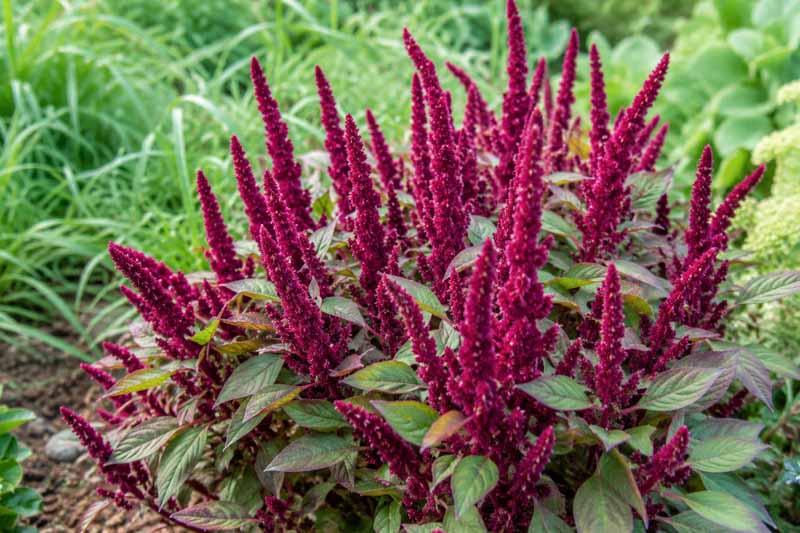


Amaranthus hypochondriacus ‘Pygmy Torch’, commonly known as Pygmy Torch amaranth, Prince’s Feather, or Prince-of-Wales Feather, is a compact ornamental amaranth grown for upright crimson-maroon flower plumes, warm-season color, and a neat, bushy habit. Usually grown as a half-hardy annual, it performs best in full sun, warm weather, and moist but well-drained soil.
This dwarf amaranth is ideal when you want the drama of traditional amaranths without their towering scale. Typically around 16-24 inches tall, often near 18 inches in garden settings, ‘Pygmy Torch’ fits containers, patios, raised planters, narrow beds, front-of-border schemes, cutting gardens, and late-summer annual displays.
Garden spotlight: ‘Pygmy Torch’ is the amaranth to plant when you want upright crimson plumes, rich texture, and a polished compact form for containers, small gardens, and professional color schemes.
Summary: Compact ornamental amaranth with upright crimson-maroon plumes, a bushy habit, and strong late-summer color for sunny gardens.
Use: Excellent for containers, annual borders, edging, cottage gardens, cutting gardens, dried flowers, patio displays, and seasonal color schemes.
Highlight: Torch-like flower spikes in a short, space-saving plant that adds bold color without overwhelming small gardens.
Note: Best in full sun, warm weather, and well-drained soil with regular moisture during establishment.
| Botanical Name | Amaranthus hypochondriacus ‘Pygmy Torch’ |
|---|---|
| Family | Amaranthaceae |
| Common Names | Pygmy Torch Amaranth, Prince’s Feather, Prince-of-Wales Feather |
| Native Range | The species is associated with North and Central America, especially Mexico and nearby regions; ‘Pygmy Torch’ is a cultivated ornamental selection. |
| Plant Type and Habit | Compact, bushy, half-hardy annual; ornamental amaranth; cut flower annual |
| Hardiness | Usually grown as an annual; plant outdoors after frost has passed |
| Height | Typically 16-24 in. tall, often around 18 in.; may vary with seed strain, climate, soil, and watering |
| Spread | About 16-18 in. wide |
| Spacing | 12-18 in. apart for containers, edging, bedding, and cutting rows |
| Sun Exposure | Full sun for dense growth, rich color, strong stems, and abundant flowering |
| Soil | Moderately fertile, humus-rich, moist but well-drained soil; tolerates free-draining garden soils |
| Water Needs | Moderate; keep evenly moist during establishment, then water during dry spells |
| Bloom Time | Summer to fall, often July to September or until frost in warm conditions |
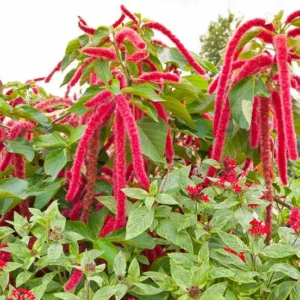
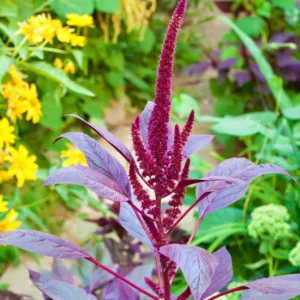
| Flower Color | Crimson, burgundy-red, maroon, or deep wine-red upright plumes |
| Foliage Color | Green to purple-green, depending on light, maturity, and growing conditions |
| Cut Flower Value | Excellent for fresh bouquets and dried arrangements; harvest plumes when richly colored and firm |
| Drought Tolerance | Moderate once established, but best flowering comes with regular moisture |
| Deer Resistance | Not usually a first-choice deer plant, but young growth may be browsed where deer pressure is high |
| Wildlife Value | Mature seeds may interest garden birds; combine with nectar-rich flowers for stronger pollinator value |
| Invasive Status | Usually not invasive in cold-winter gardens, but may self-sow lightly where seedheads mature |
| Pet and Child Safety | Amaranths include edible species, but ornamental plants should not be eaten if treated with garden chemicals |
Amaranthus hypochondriacus ‘Pygmy Torch’ is a dwarf ornamental amaranth selected for short stature, upright crimson flower spikes, and excellent garden versatility. While many amaranths are tall annuals that dominate a border, this cultivar stays small enough for containers and front-of-border planting while still providing unmistakable amaranth texture.
The plant is especially useful as a late-summer focal point. Its dense, torch-like inflorescences rise above leafy growth and contrast beautifully with rounded flowers, daisy forms, airy grasses, and trailing container plants. In cut flower arrangements, the spikes add weight, color, and a velvety finish.
The species Amaranthus hypochondriacus is linked to North and Central America, particularly Mexico and surrounding regions, where grain amaranths have a long history of cultivation. ‘Pygmy Torch’ itself is a cultivated ornamental selection, bred and distributed for decorative garden and floristry use rather than wild restoration.
‘Pygmy Torch’ forms a branching annual mound typically around 16-24 inches tall and about 16-18 inches wide. Some plants may remain closer to 12-18 inches, while fertile soil, warmth, moisture, and seed strain can affect final size. Its manageable habit makes it easier to place than taller amaranths, especially in urban gardens, balcony containers, raised beds, and mixed annual plantings.
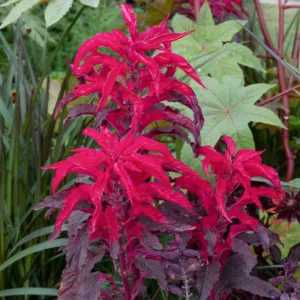
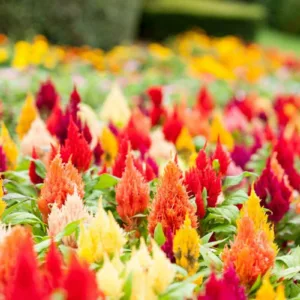
The flowers are the main event: upright, densely packed plumes in shades of crimson, burgundy, and maroon. They appear in summer and continue into fall under warm conditions. As they mature, the spikes develop decorative seedheads that hold visual interest for a long period. Cut them fresh when richly colored, or harvest mature stems for dried floral designs.
Florist tip: Cut ‘Pygmy Torch’ when the plumes are fully colored but still firm. Strip lower leaves, place stems in clean water, and combine the spikes with dahlias, zinnias, cosmos, celosia, and ornamental grasses.
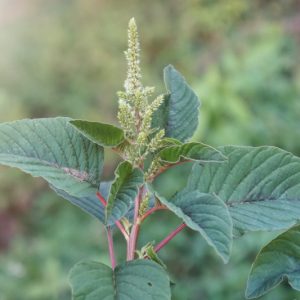
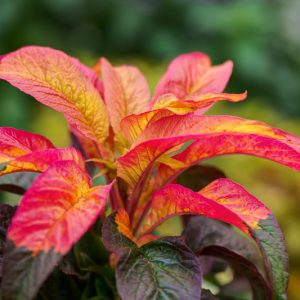
The foliage is green to purple-green, with a fresh texture that supports the red flower spikes without competing with them. In planting schemes, it can warm up pastel flowers, deepen hot-color borders, or bridge burgundy foliage with scarlet, orange, pink, or gold blooms.
‘Pygmy Torch’ is best treated as a half-hardy annual. It dislikes frost and grows most vigorously once weather and soil are warm. In cold climates, start seed indoors in spring or buy young plants, then transplant outside after the last frost. In warm climates, direct sowing after the soil has warmed is simple and effective.
‘Pygmy Torch’ is widely regarded as a strong garden performer and has received the prestigious Award of Garden Merit from the Royal Horticultural Society.
Amaranth flowers are not classic nectar sources like salvias or zinnias, but they add texture, cover, and seed interest to wildlife-friendly gardens. Mature seeds may attract seed-eating birds, especially if a few stems are left standing into fall. For stronger pollinator value, combine ‘Pygmy Torch’ with nectar-rich annuals and perennials nearby.
Once established, ‘Pygmy Torch’ can handle short dry spells, but it is not at its best when left thirsty for long periods. Regular moisture produces fuller plants, better branching, and longer-lasting plumes. In pots, check soil frequently during hot weather because annuals in full sun can dry quickly.
Amaranths are not usually the most desirable plants in a deer buffet, but young plants can still be nibbled. Protect seedlings until they are well rooted and growing strongly. In gardens with heavy deer pressure, pair with aromatic, textured, or known deer-resistant plants and use fencing or repellents when needed.
Amaranthus species are not generally considered poisonous, and many are cultivated for edible leaves or seeds. However, plants grown in nitrogen-rich soils may concentrate nitrates in their leaves, particularly where chemical fertilizers have been used. For safety, do not eat ornamental amaranths unless they have been grown specifically as food crops in clean, appropriately managed soil, and keep pets and children from chewing decorative stems or foliage.
‘Pygmy Torch’ is an annual and is not typically a persistent garden invader in cold-winter regions. However, amaranths can produce seed, and self-sown seedlings may appear where seedheads are left to mature. Remove unwanted seedlings when small, especially in mild climates or disturbed soils where amaranths can establish readily.
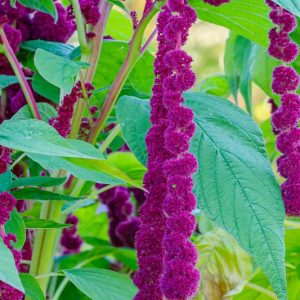
Amaranths vary widely in height, habit, flower shape, and foliage color. Choose dwarf selections such as ‘Pygmy Torch’ for pots and small borders, trailing types such as love-lies-bleeding for dramatic tassels, and taller upright forms for background structure, cut flowers, or late-season seedheads.
Choose ‘Pygmy Torch’ when the goal is small scale, neat habit, and intense upright red color. Choose taller or trailing amaranths when you want more theatrical movement, larger background structure, or dramatic tassels for cutting and drying.
Full sun is the key to success. Give ‘Pygmy Torch’ at least 6 hours of direct sun daily, preferably more. Too much shade encourages stretching, weaker stems, fewer plumes, and less intense color.
Grow in moderately fertile, humus-rich, well-drained soil. The ideal soil holds enough moisture to keep plants growing steadily but drains well after rain. In heavy clay, improve structure with compost and avoid soggy planting pockets. In containers, use a high-quality potting mix and drainage holes.
Keep seedlings and recent transplants evenly moist. Once established, water deeply when the top inch of soil dries. Avoid constant saturation, which can weaken roots, but do not let container plants collapse from drought stress.
Feed lightly. Compost-enriched soil or a modest balanced fertilizer is enough for most garden plantings. Too much nitrogen may produce soft, leafy growth at the expense of strong flowering stems.
A thin layer of organic mulch helps conserve moisture and reduces weed competition. Keep mulch slightly away from the crown to prevent dampness around the stem base.
Care tip: Warmth matters. Amaranths germinate and grow best in warm conditions, so do not rush them into cold spring soil.
‘Pygmy Torch’ needs very little pruning. Pinching is usually unnecessary because the plant is naturally branching, but lightly pinching young plants can encourage bushiness if seedlings are leggy. Remove damaged leaves as needed.
For continuous floral use, cut plumes regularly when they reach good color. For seedhead interest, leave some stems in place. At the end of the season, remove plants after frost, or leave dry seedheads briefly for birds before cleanup.
Start seeds indoors in mid spring at warm temperatures, then transplant after all danger of frost. Harden off plants carefully before moving them outdoors. Seeds may also be sown directly where they are to flower once soil is warm.
Surface sow or barely cover the seed, as amaranth seed is small. Keep the seed-starting mix warm and lightly moist; germination is usually quickest in warm conditions and often occurs in about 7-14 days. For containers, use a pot at least 10-12 inches wide for one plant, or a larger container for mixed annual displays.
Space plants about 12-18 inches apart. Use closer spacing for a dense bedding effect and wider spacing in containers or cutting rows where airflow and stem quality matter.
‘Pygmy Torch’ is propagated from seed. For best results, buy fresh seed from a reliable supplier. Saved seed may not be identical if other amaranths are grown nearby, and ornamental selections can vary in height, plume size, and color intensity.
Aphids may cluster on tender shoots or flower stems. Rinse them off with water, encourage beneficial insects, and use insecticidal soap if infestations persist.
Leggy plants usually need more sun. Move containers into brighter light and avoid overcrowding. In the ground, give each plant enough room to branch naturally.
Too much shade, cold weather, drought stress, or excessive nitrogen can reduce flowering. Grow warm, sunny, evenly watered plants for the strongest plume display.
Distorted leaves, mottling, or stunted growth may indicate virus issues. Remove badly affected plants and control sap-sucking pests such as aphids, which can spread disease between plants.
Small pots dry rapidly and restrict growth. Use roomy containers, water consistently, and avoid letting plants wilt repeatedly.
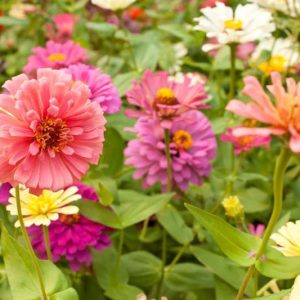
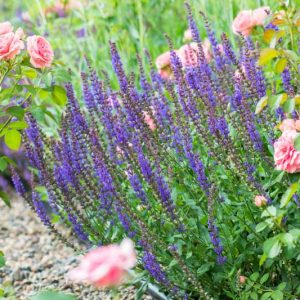
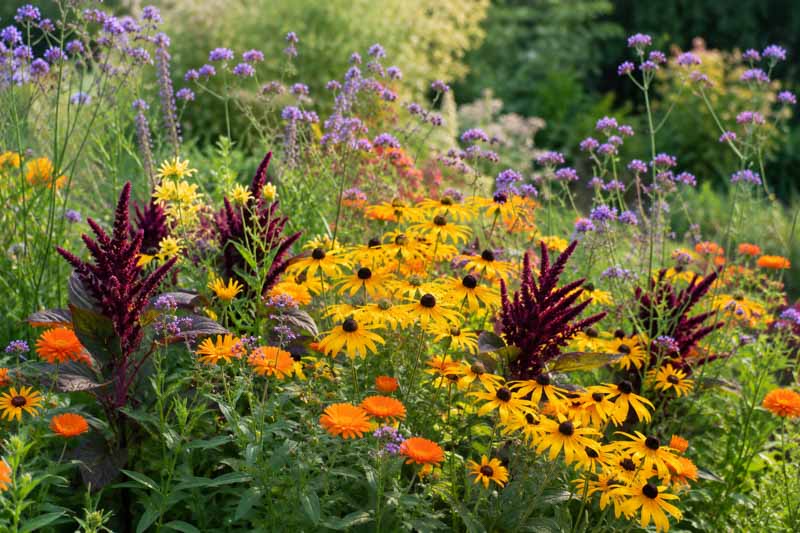
Use ‘Pygmy Torch’ where your planting needs saturated color and vertical texture. In hot borders, pair it with zinnias, salvias, rudbeckias, lantanas, agastaches, and coneflowers. The deep red plumes intensify orange, gold, purple, pink, and scarlet flowers.
In containers, place ‘Pygmy Torch’ as the upright centerpiece and surround it with trailing sweet potato vine, calibrachoa, petunias, or silver foliage. In cutting gardens, grow it near dahlias, cosmos, celosia, and ornamental grasses so bouquets have both focal flowers and rich textural accents.
Best look: Repeat ‘Pygmy Torch’ in groups of 3, 5, or 7. Repetition turns a novelty annual into a confident design feature.
Amaranthus hypochondriacus ‘Pygmy Torch’ is a compact ornamental amaranth grown as a half-hardy annual. It produces upright crimson to burgundy-red plumes on a short, bushy plant that works well in containers, borders, and cut flower gardens.
‘Pygmy Torch’ typically grows about 16 to 24 inches tall and about 16 to 18 inches wide, often around 18 inches in garden conditions. Height can vary with seed strain, warmth, soil fertility, moisture, and container size.
Amaranthus ‘Pygmy Torch’ is usually grown as an annual. It is frost tender and should be planted outdoors only after the last frost, when soil and night temperatures are warm.
Yes. Full sun is best for dense growth, strong stems, vivid crimson plumes, and abundant flowering. Shade can make plants leggy and reduce flower quality.
Yes. ‘Pygmy Torch’ is excellent in containers because it stays short but still provides strong vertical color. Use a sunny pot with drainage holes, quality potting mix, and regular watering. A 10- to 12-inch pot is a good minimum for one plant.
Yes. The upright crimson plumes are excellent for fresh bouquets and dried arrangements. Cut stems when the plumes are richly colored and firm, then strip lower leaves before arranging.
Start seed indoors in spring or direct sow after frost when soil is warm. Surface sow or barely cover the small seeds, keep them warm and lightly moist, and transplant seedlings outdoors after hardening off.
Garden birds may feed on mature amaranth seeds if plumes are left standing long enough to ripen. Leave a few seedheads in place in late summer and fall for added wildlife interest.
It can self-sow lightly if seedheads mature and drop seed, especially in mild climates or disturbed soil. Remove unwanted seedlings when small, or cut plumes before seed fully ripens.
Updated: May 2026 • Reviewed by Gardenia Editors
| Hardiness |
3 - 10 |
|---|---|
| Heat Zones |
1 - 11 |
| Climate Zones | 1, 1A, 1B, 2, 2A, 2B, 3, 3A, 3B, 4, 5, 6, 7, 8, 9, 10, 11, 12, 13, 14, 15, 16, 17, 18, 19, 20, 21, 22, 23, 24, H1, H2 |
| Plant Type | Annuals |
| Plant Family | Amaranthaceae |
| Genus | Amaranthus |
| Common names | Amaranth |
| Exposure | Full Sun |
| Season of Interest | Summer (Mid, Late), Fall |
| Height | 1' - 2' (30cm - 60cm) |
| Spread | 1' - 2' (30cm - 60cm) |
| Spacing | 12" - 18" (30cm - 50cm) |
| Maintenance | Low |
| Water Needs | Average |
| Soil Type | Loam |
| Soil pH | Acid, Alkaline, Neutral |
| Soil Drainage | Moist but Well-Drained |
| Characteristics | Showy, Dried Arrangements, Cut Flowers, Plant of Merit |
| Tolerances | Drought, Dry Soil, Heat |
| Attracts | Birds |
| Garden Uses | Beds And Borders, Patio And Containers |
| Garden Styles | Informal and Cottage |
| Toxic to Humans | No known toxicity |
| Toxic to Cats | No known toxicity |
| Toxic to Dogs | No known toxicity |
| Toxic to Horses | No known toxicity |


| Hardiness |
3 - 10 |
|---|---|
| Heat Zones |
1 - 11 |
| Climate Zones | 1, 1A, 1B, 2, 2A, 2B, 3, 3A, 3B, 4, 5, 6, 7, 8, 9, 10, 11, 12, 13, 14, 15, 16, 17, 18, 19, 20, 21, 22, 23, 24, H1, H2 |
| Plant Type | Annuals |
| Plant Family | Amaranthaceae |
| Genus | Amaranthus |
| Common names | Amaranth |
| Exposure | Full Sun |
| Season of Interest | Summer (Mid, Late), Fall |
| Height | 1' - 2' (30cm - 60cm) |
| Spread | 1' - 2' (30cm - 60cm) |
| Spacing | 12" - 18" (30cm - 50cm) |
| Maintenance | Low |
| Water Needs | Average |
| Soil Type | Loam |
| Soil pH | Acid, Alkaline, Neutral |
| Soil Drainage | Moist but Well-Drained |
| Characteristics | Showy, Dried Arrangements, Cut Flowers, Plant of Merit |
| Tolerances | Drought, Dry Soil, Heat |
| Attracts | Birds |
| Garden Uses | Beds And Borders, Patio And Containers |
| Garden Styles | Informal and Cottage |
| Toxic to Humans | No known toxicity |
| Toxic to Cats | No known toxicity |
| Toxic to Dogs | No known toxicity |
| Toxic to Horses | No known toxicity |
How many Amaranthus hypochondriacus ‘Pygmy Torch’ (rince’s Feather) do I need for my garden?
| Plant | Quantity | |
|---|---|---|
| Amaranthus hypochondriacus ‘Pygmy Torch’ (rince’s Feather) | N/A | Buy Plants |
Create a membership account to save your garden designs and to view them on any device.
Becoming a contributing member of Gardenia is easy and can be done in just a few minutes. If you provide us with your name, email address and the payment of a modest $25 annual membership fee, you will become a full member, enabling you to design and save up to 25 of your garden design ideas.
Join now and start creating your dream garden!
Create a membership account to save your garden designs and to view them on any device.
Becoming a contributing member of Gardenia is easy and can be done in just a few minutes. If you provide us with your name, email address and the payment of a modest $25 annual membership fee, you will become a full member, enabling you to design and save up to 25 of your garden design ideas.
Join now and start creating your dream garden!