Lawson Cypress 'Ellwoodii', 'Ellwoodii' Lawson Cypress, Chamaecyparis 'Ellwoodii', Chamaecyparis lawsoniana 'Ellwood Blue'

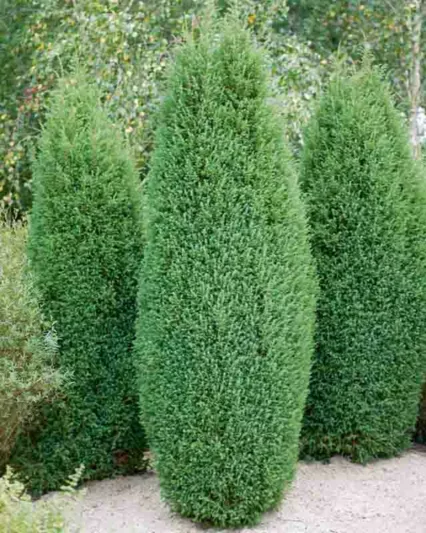


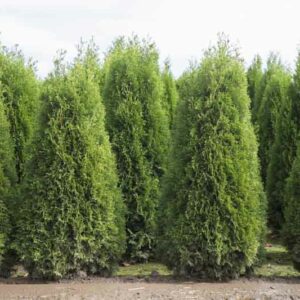
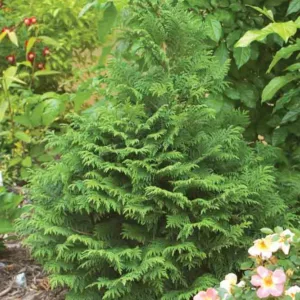
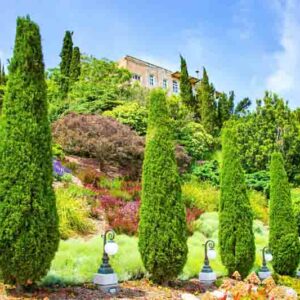
Chamaecyparis lawsoniana ‘Ellwoodii’, commonly known as Ellwood’s Lawson Cypress, is a beloved upright, evergreen conifer cherished for its dense columnar habit and soft, feathery, silver-blue foliage that deepens to steel-blue in winter. Slow-growing and strikingly architectural, it thrives where many evergreens grow too large or too fast, offering dependable form and color in gardens of all sizes.
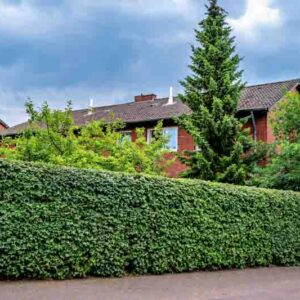
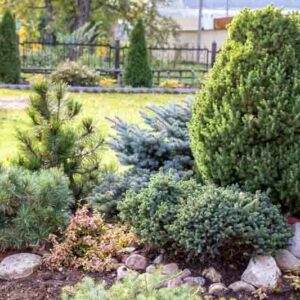
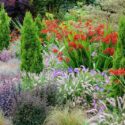
This compact Lawson Cypress delivers year-round beauty as a specimen shrub, hedge, or vertical accent. Its narrow habit, cold tolerance, low-maintenance nature, and sculptural appeal make Chamaecyparis lawsoniana ‘Ellwoodii’ one of the most versatile small conifers for contemporary landscapes, cottage gardens, entryways, rock gardens, and container displays. Whether used as a stately focal point or as part of an evergreen tapestry, this conifer provides reliable structure and a soothing cool-toned presence throughout the seasons.
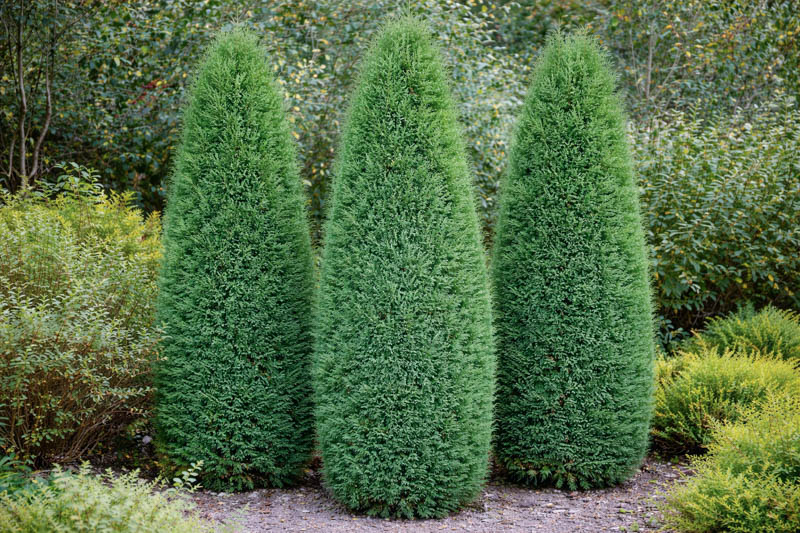
Summary: A narrow, upright, evergreen conifer with soft, feathery, blue-green foliage that turns steel-blue in winter.
Use: Specimen planting, hedges, screens, entry accents, containers, rock gardens, small gardens.
Highlight: Dense columnar habit, cool-toned year-round color, and exceptionally low maintenance.
Note: Prefers full sun to partial shade and moist, well-drained soils. Protect from harsh, drying winds.
| Botanical Name | Chamaecyparis lawsoniana ‘Ellwoodii’ |
|---|---|
| Family | Cupressaceae |
| Common Names | Ellwood’s Lawson Cypress, Ellwoodii Cypress, Ellwoodii False Cypress |
| Native Range | Derived from Chamaecyparis lawsoniana, native to the Pacific Northwest (Oregon, California). |
| Plant Type and Habit | Evergreen conifer shrub with a dense, narrow, columnar habit ideal for structured garden designs. |
| Hardiness (approx. USDA) | Hardy in USDA Zones 5 to 8. |
| Size | Typically 13-20 ft. tall and 5-8 ft. wide (4-6 m tall, 1.5-2.4 m wide), slow-growing at 1-6 in. (2.5-15 cm) per year. |
| Sun and Exposure | Thrives in full sun to part shade. Avoid hot, reflective sites and shield from cold, drying winds. |
| Soil | Prefers moist, well-drained, slightly acidic to neutral soils. Tolerates chalk soils if drainage is good. |
| Seasonal Interest | Year-round blue-green to steel-blue evergreen color; strong winter structure and vertical drama. |
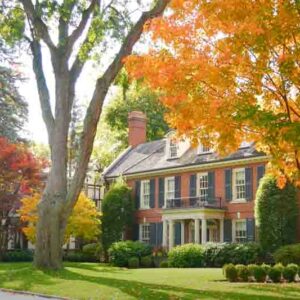
| Primary Uses | Hedges, screens, specimen plants, vertical accents, foundation plantings, containers, rock and courtyard gardens. |
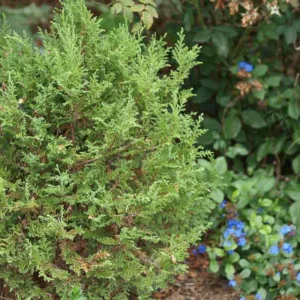
‘Ellwoodii’ is a compact, upright conifer especially valued for its dense, narrow column and refined texture. Its soft, feathery sprays of blue-green foliage emerge fresh in spring, hold their color through summer, and intensify to a gorgeous steel-blue in winter. Unlike many conifers, its needles are pleasantly soft to the touch, giving the plant a velvety appearance.
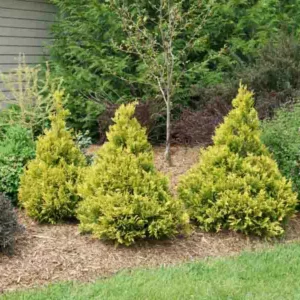
Because it stays relatively narrow, it fits beautifully into small gardens, foundation beds, formal designs, and tight spaces where wide conifers become problematic. Its naturally tight habit requires almost no pruning, making it ideal for low-maintenance landscapes.
It is the recipient of the prestigious Award of Garden Merit of the Royal Horticultural Society for its noteworthy qualities
Though the cultivar was selected in Europe, its parent species, Chamaecyparis lawsoniana, originates from the cool, moist forests of the Pacific Northwest. There it grows along streams and mountain slopes, which explains the plant’s preference for moisture, cool air, and protection from intense drying winds.
‘Ellwoodii’ has a naturally columnar and slightly tapered growth habit. It grows slowly, typically only a few inches per year, making it ideal for long-term planting in fixed spaces such as narrow borders, entrances, or containers where shape and scale must remain controlled.
Its upright branches form a densely layered structure, resulting in a plant that maintains its symmetrical appearance even without trimming. This slow, steady growth contributes to its exceptional appeal as a formal evergreen or vertical punctuation mark in the garden.
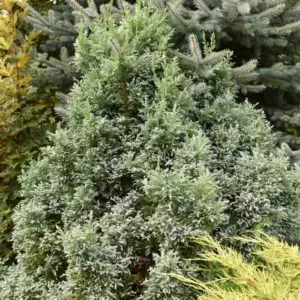
The foliage is one of the plant’s most compelling features. Fine-textured, soft, and layered, the sprays create a feathery look that moves gently with light breezes. Throughout the year, the foliage remains cool-toned, shifting subtly from silver-blue to deep steel-blue in winter, adding drama and contrast to green-dominated landscapes.
Its winter performance is especially valuable, when other plants fade, ‘Ellwoodii’ stands strong, upright, and richly colored, providing reliable structure in snowy, frosty, or dormant garden scenes.
‘Ellwoodii’ is hardy in USDA Zones 5–8. It tolerates winter cold well but prefers sheltered planting spots where wind exposure is limited. Mulching helps preserve soil moisture and root health in colder climates.
The dense branching provides winter cover for small birds. While it doesn’t attract pollinators, its structure and evergreen presence support backyard ecology by offering shelter and visual stability.
Lawson Cypress, including ‘Ellwoodii’, is generally deer resistant. The foliage is not highly palatable, making it a reliable choice in areas with browsing pressure.
Once established, ‘Ellwoodii’ handles moderate dry spells but prefers evenly moist soil. It is not considered a drought-tolerant conifer and benefits from mulching in dry regions.
As with many ornamental conifers, the plant is considered low toxicity but not edible. It is grown purely as an ornamental and should not be ingested by pets or people.
‘Ellwoodii’ is not invasive. Compact, slow-growing, and non-spreading, it stays predictably where planted.
A light application of balanced fertilizer in early spring supports healthy growth. Overfeeding encourages weak, stretched growth.
‘Ellwoodii’ is generally pest resistant. Minor issues may include:
‘Ellwoodii’ is slow-growing, typically adding 1–6 inches (2.5–15 cm) per year, making it ideal for small gardens and low-maintenance landscapes.
No. Its natural columnar shape requires no pruning. If shaping is desired, trim lightly without cutting into old wood, as conifers rarely regrow from bare stems.
It tolerates light shade but performs best in full sun to partial sun. Deep shade may cause thinning and dull color.
Common causes include winter burn, drought stress, poor drainage, or wind exposure. Inspect soil moisture and location; adjust watering or shelter as needed.
bsolutely. Its narrow form and slow growth make it an excellent container shrub, especially for entryways and patios.
Mature height ranges from 13–20 ft. (4–6 m) depending on growing conditions.
Moist, well-drained, slightly acidic soils are ideal. Avoid waterlogged soils to prevent root rot.
Oregon State University Landscape Plants Database
American Conifer Society — Cultivar descriptions
Updated: December 2025 • Reviewed by Gardenia Editors
| Hardiness |
5 - 8 |
|---|---|
| Heat Zones |
1 - 8 |
| Climate Zones | 3, 3A, 3B, 4, 5, 6, 15, 16, 17, A3 |
| Plant Type | Conifers, Shrubs |
| Plant Family | Cupressaceae |
| Genus | Chamaecyparis |
| Common names | Lawson Cypress |
| Exposure | Full Sun, Partial Sun |
| Season of Interest | Spring (Early, Mid, Late), Summer (Early, Mid, Late), Fall, Winter |
| Height | 13' - 20' (4m - 6.1m) |
| Spread | 5' - 8' (150cm - 240cm) |
| Spacing | 96" (240cm) |
| Maintenance | Low |
| Water Needs | Average |
| Soil Type | Chalk, Clay, Loam, Sand |
| Soil pH | Acid, Neutral |
| Soil Drainage | Moist but Well-Drained |
| Characteristics | Plant of Merit, Showy, Evergreen |
| Tolerances | Clay Soil |
| Garden Uses | Beds And Borders, Hedges And Screens |
| Garden Styles | City and Courtyard, Traditional Garden |
| Toxic to Humans | No known toxicity |
| Toxic to Cats | No known toxicity |
| Toxic to Dogs | No known toxicity |
| Toxic to Horses | No known toxicity |


| Hardiness |
5 - 8 |
|---|---|
| Heat Zones |
1 - 8 |
| Climate Zones | 3, 3A, 3B, 4, 5, 6, 15, 16, 17, A3 |
| Plant Type | Conifers, Shrubs |
| Plant Family | Cupressaceae |
| Genus | Chamaecyparis |
| Common names | Lawson Cypress |
| Exposure | Full Sun, Partial Sun |
| Season of Interest | Spring (Early, Mid, Late), Summer (Early, Mid, Late), Fall, Winter |
| Height | 13' - 20' (4m - 6.1m) |
| Spread | 5' - 8' (150cm - 240cm) |
| Spacing | 96" (240cm) |
| Maintenance | Low |
| Water Needs | Average |
| Soil Type | Chalk, Clay, Loam, Sand |
| Soil pH | Acid, Neutral |
| Soil Drainage | Moist but Well-Drained |
| Characteristics | Plant of Merit, Showy, Evergreen |
| Tolerances | Clay Soil |
| Garden Uses | Beds And Borders, Hedges And Screens |
| Garden Styles | City and Courtyard, Traditional Garden |
| Toxic to Humans | No known toxicity |
| Toxic to Cats | No known toxicity |
| Toxic to Dogs | No known toxicity |
| Toxic to Horses | No known toxicity |
How many Chamaecyparis lawsoniana ‘Ellwoodii’ (Lawson Cypress) do I need for my garden?
| Plant | Quantity | |
|---|---|---|
| Chamaecyparis lawsoniana ‘Ellwoodii’ (Lawson Cypress) | N/A | Buy Plants |
Create a membership account to save your garden designs and to view them on any device.
Becoming a contributing member of Gardenia is easy and can be done in just a few minutes. If you provide us with your name, email address and the payment of a modest $25 annual membership fee, you will become a full member, enabling you to design and save up to 25 of your garden design ideas.
Join now and start creating your dream garden!
Create a membership account to save your garden designs and to view them on any device.
Becoming a contributing member of Gardenia is easy and can be done in just a few minutes. If you provide us with your name, email address and the payment of a modest $25 annual membership fee, you will become a full member, enabling you to design and save up to 25 of your garden design ideas.
Join now and start creating your dream garden!