Great Mullein, Aaron's Rod, Adam's Flannel, Beggar's Blanket, Blanket Leaf, Bullock's Lungwort, Candlewick, Clown's Lungwort, Common Mullein, Cow's Lungwort, Duffle, Felt, Feltwort, Flannel, Flannel Leaf, Flannel Plant, Fluffweed, Hag Taper, Hag's Taper, Hare's Beard, Hedge Taper, High Taper, Jacob's Staff, Jupiter's Staff, King's Taper, Lady's Candles, Lady's Foxglove, Lamb's Wool, Light of the Lord, Lucernaria, Mullein Dock, Old Man's Flannel, Rag Paper, Shepherd's Club, Torch Lily, Torches, Velvet Dock, Velvet Leaf, Velvet Plant, White Mullein, Woollens, Woundweed
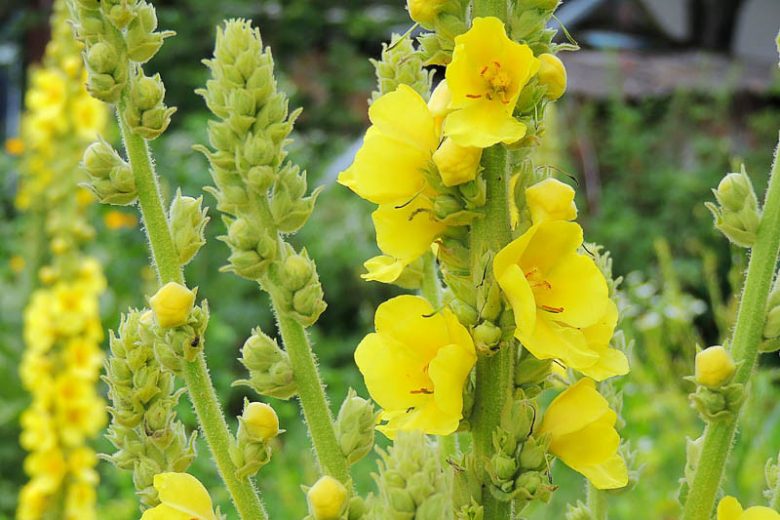
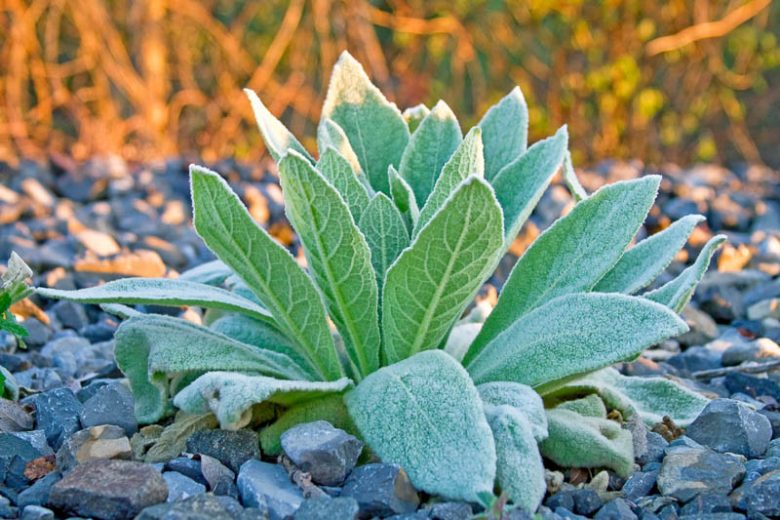
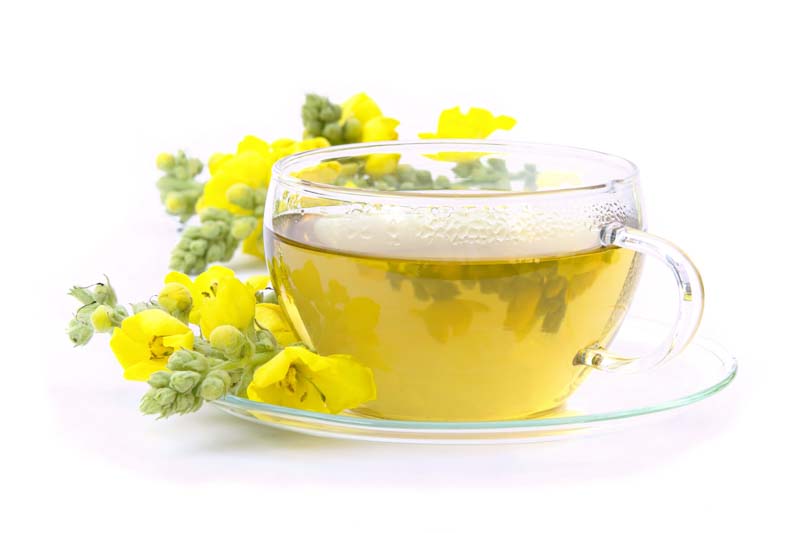


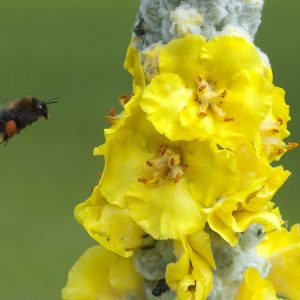
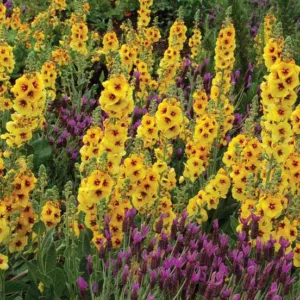
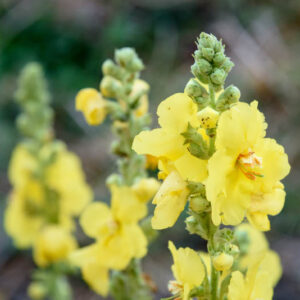
Step onto a sun-washed slope or open field, and you might spot a statuesque plant with silvery, fuzzy leaves and a towering yellow flower stalk—this is great mullein (Verbascum thapsus), also called common mullein, woolly mullein, or just mullein. Known for its soothing, woolly leaves, this ancient biennial offers beauty, ruggedness, wildlife value, and time-honored medicinal uses.
Let’s dig into everything a plant lover, gardener, or herbalist should know!
| Botanical Name | Verbascum thapsus |
| Common Names | Mullein, Great Mullein, Woolly Mullein, Flannel Plant, Velvet Dock, Candlewick Plant, Aaron’s Rod |
| Plant Type | Biennial wildflower/herb |
| Hardiness Zones | USDA 3–9 |
| Height & Spread | 2–8 ft. tall × 1–2.5 ft. wide (rosette spreads in year 1, flower spike year 2) |
| Leaf & Flower Characteristics | Velvety gray-green leaves; yellow 5-petal flowers up a tall spike |
| Special Features | Fuzzy leaves, dramatic torch-like flower stalks, drought tolerant, medicinal |
| Main Uses | Herbal tea, mullein drops, respiratory support, garden pollinator, wildlife habitat, rustic decor, lantern/torch making |
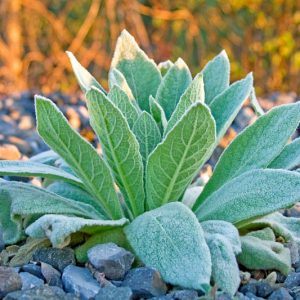
Mullein starts life as a rosette of large, oval, gray-green leaves—often called the “flannel plant” because they’re so soft! In its second year, a single tall spike shoots up, sometimes reaching 8 feet (2.4 m) high, topped with bright yellow blossoms that bloom from base to tip, all summer long.
Native to Europe, Asia, and North Africa, Verbascum thapsus is now naturalized across North America. Once valued as lamp wicks and “witch’s candles” in old Europe, this plant is legendary among herbalists and foragers. In modern gardens, it’s prized for drought tolerance and wildlife value.
Year one, you’ll see a stunning rosette, up to 2.5 feet (75 cm) wide. Year two, prepare for a dramatic vertical accent from early summer to early fall: flower stalks rise up to 8 feet (2.4 m), with hundreds of small, five-petaled yellow blooms climbing their length. After blooming and seeding, the mother plant dies, but often leaves plenty of seedlings for next season.
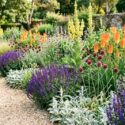
Mullein’s rosette is gorgeous in spring, silvery and bold even in rough sites. Its flower spikes add grandeur to wildflower, prairie, or pollinator gardens. Spent stems make a rustic winter accent or can be cut for use as homemade “torches.”
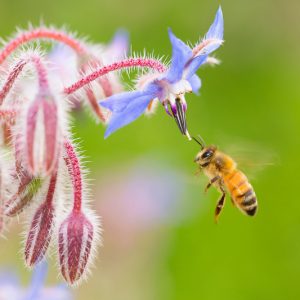
Mullein’s nectar-rich flowers attract bees, hoverflies, butterflies, and pollinators throughout summer. Its leaves feed the larvae of a few specialist moths. Seed heads provide winter food for birds in untamed gardens, while dense rosettes shelter ground beetles and beneficial insects.
Great mullein flourishes in tough conditions, from sandy wastelands to dry slopes and clay banks. It’s truly drought-tolerant once established, tolerates urban pollution, and shrugs off heat and poor soils. Hardy from Zone 3 to 9, it often pioneers disturbed ground and improves soil for future plants.
Verbascum thapsus is considered non-toxic to humans and animals when used properly. The leaves and flowers are safe for making mullein tea, drops, and poultices, provided they are harvested from clean environments and prepared correctly (always strain teas to remove fine hairs, which may cause throat or digestive irritation). No major toxic effects have been reported in people or livestock, and mullein is not listed as poisonous by major poison control resources.
Safety reminders:
Mullein is known as a pioneer species: it quickly colonizes disturbed, bare, sunny soils (like roadside verges, pastures, and construction sites) thanks to its prolific seed production—one plant can release over 100,000 seeds! These seeds remain viable for decades.
In gardens: Mullein rarely becomes a problem where beds are maintained, as young plants are easy to pull and mature flower spikes can be removed before seeds fall.
Wild settings: In wildlands, prairies, and overgrazed pastures, mullein can outcompete natives and is managed as a weed in some regions. Responsible gardeners should deadhead old flowers or collect stalks to prevent excessive reseeding in sensitive habitats.
Mullein is widely used today in wellness, herbal medicine, and natural health communities, mainly for its respiratory and soothing benefits:
Herbal tea: Dried mullein leaf and flower are steeped to make mullein tea, a gentle expectorant used to soothe coughs, calm sore throats, and reduce airway irritation. Modern research supports its traditional role—mullein tea helps loosen mucus and may help fight certain bacteria and viruses. It’s popular during cold/allergy season, and some use it as a “lung tonic” for respiratory comfort.
Tip: Always strain mullein tea through a coffee filter or fine mesh to remove irritating leaf hairs.
Ear drops: Mullein drops (mullein flower oil, sometimes with garlic) are commonly used to comfort mild earache or minor irritation. Studies suggest herbal ear drops containing mullein can be as effective as conventional options for short-term relief. Always consult a professional for persistent or severe symptoms.
Supplements: Mullein is available as capsules, tinctures, or extracts, intended for immune, respiratory, and sometimes musculoskeletal or digestive support. Dosage varies; use as directed and consult with a healthcare provider.
Topical care: Crushed leaves or flower-infused oils are used in balms and poultices for minor burns, wounds, bites, and skin irritations. Recent research shows mullein’s anti-inflammatory and antimicrobial properties may aid skin repair and comfort.
Garden uses: Great mullein is valued as a drought-tolerant, pollinator-friendly addition to wildflower meadows, low-water gardens, and ecological plantings.
Combining with other herbs: Mullein is often blended with mint, thyme, or honey for respiratory teas or syrups, or paired with other botanicals for digestive and immune formulas.
Mullein’s gentle nature and unique chemistry deliver a wide spectrum of benefits—especially for respiratory wellbeing. Mullein tea, rich in mucilage and saponins, helps calm coughs by soothing irritated tissues and thinning stubborn mucus, while its mild expectorant action can make breathing easier during colds, flu, or allergy season. Antioxidant and anti-inflammatory compounds in the mullein leaf and flower are being explored for immune support, skin health, and beyond.
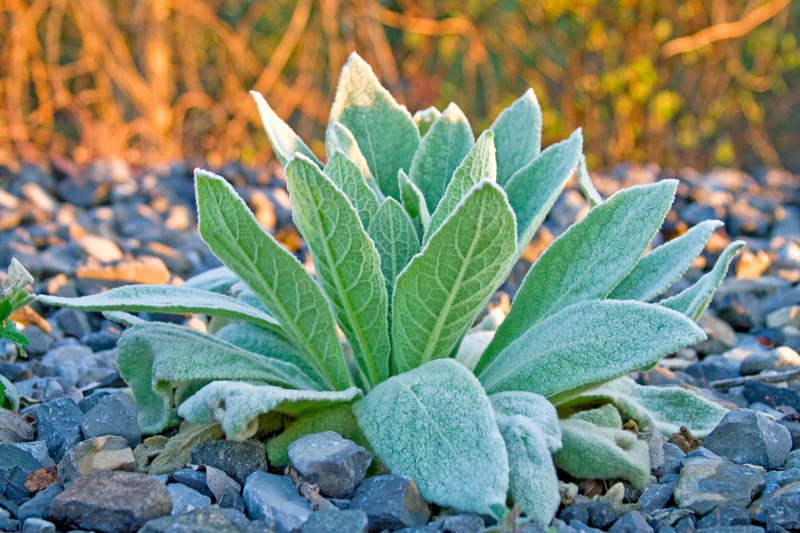
Mullein isn’t just a healing herb—it’s a striking garden accent and a champion of sustainable gardening! The fuzzy rosettes and towering stalks bring bold texture to wildflower meadows and pollinator gardens.
While modern research continues to investigate these effects, generations of folk wisdom and emerging science agree: great mullein is a gentle, versatile ally for health, healing, and harmony with nature.
Tip: Also try mullein tea iced for a cooling summer beverage!
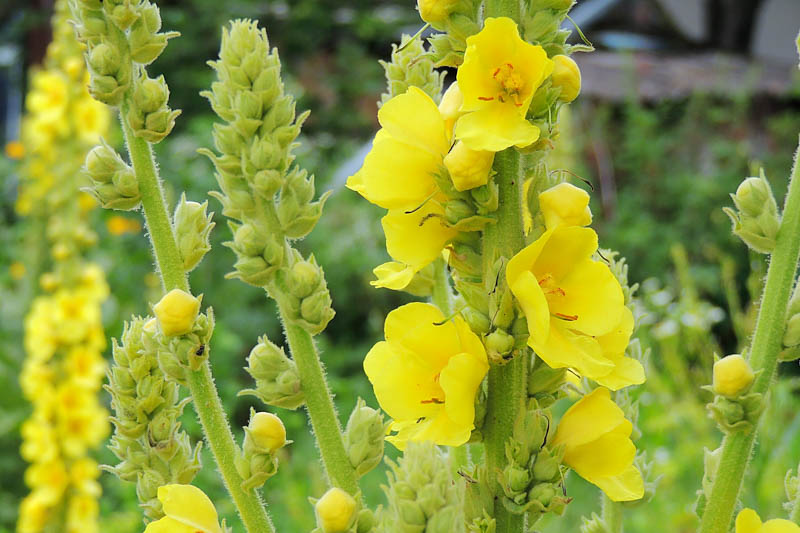
Looking to add bold texture, wildlife value, and a dash of herbal history to your garden? Mullein is easy to grow, eye-catching, and tougher than it looks—perfect for beginner gardeners and seasoned plant lovers alike.
Mullein is extremely easy to propagate—sometimes too easy! Most gardeners grow it from seed, but root cuttings and division are also possible.
Mullein is naturally tough and suffers from few serious pests or diseases, making it a favorite for easy-care gardens. But there are still a couple of things to watch for:
Pro tip: Most mullein problems are solved by good airflow, dry feet, and a sunny site. Thanks to its fuzzy leaves, deer and rabbits usually leave mullein alone!
Most garden and wild mullein types are gentle, but always harvest away from roadsides, and avoid ingesting fine leaf hairs. People with honey/mint allergies or skin sensitivity may wish to test smaller amounts first.
Steep dried mullein leaf (or flowers) as a tea, strain, and drink as needed for coughs, colds, or general comfort. Can blend with honey, lemon, or peppermint for taste and added benefits.
Herbal ear drops made with mullein flower (often infused in olive oil), sometimes combined with garlic. Always filter well and never use on a perforated eardrum.
Yes—plants set thousands of seeds. To contain it, deadhead spent flowers or garden in pots/raised beds.
The leaves are used in tea, and flowers may be candied, but it’s not eaten like a salad green due to the dense hairs.
It can self-sow prolifically, but seedlings are easy to control by pulling or cutting flower spikes before seeds mature.
Its uses as lamp wick, flannel, torches, and medicinal herb produced a huge variety of folk names like “witch’s taper” or “hag’s torch.”
Yes! Some tribes smoked dried leaves for relief from asthma or coughs—always research before experimenting.
| Hardiness |
3 - 9 |
|---|---|
| Plant Type | Annuals |
| Plant Family | Scrophulariaceae |
| Genus | Verbascum |
| Common names | Mullein |
| Exposure | Full Sun |
| Season of Interest | Summer (Early, Mid, Late), Fall |
| Height | 2' - 8' (60cm - 240cm) |
| Spread | 1' - 3' (30cm - 90cm) |
| Spacing | 18" - 24" (50cm - 60cm) |
| Maintenance | Low |
| Water Needs | Low |
| Soil Type | Chalk, Loam, Sand |
| Soil pH | Alkaline |
| Soil Drainage | Well-Drained |
| Characteristics | Showy |
| Native Plants | United Kingdom |
| Tolerance | Deer, Drought, Dry Soil, Rabbit |
| Attracts | Bees, Birds, Butterflies |
| Garden Uses | Beds And Borders |
| Garden Styles | Butterfly Garden, Gravel and Rock Garden, Informal and Cottage, Pollinator Garden, Prairie and Meadow |


| Hardiness |
3 - 9 |
|---|---|
| Plant Type | Annuals |
| Plant Family | Scrophulariaceae |
| Genus | Verbascum |
| Common names | Mullein |
| Exposure | Full Sun |
| Season of Interest | Summer (Early, Mid, Late), Fall |
| Height | 2' - 8' (60cm - 240cm) |
| Spread | 1' - 3' (30cm - 90cm) |
| Spacing | 18" - 24" (50cm - 60cm) |
| Maintenance | Low |
| Water Needs | Low |
| Soil Type | Chalk, Loam, Sand |
| Soil pH | Alkaline |
| Soil Drainage | Well-Drained |
| Characteristics | Showy |
| Native Plants | United Kingdom |
| Tolerance | Deer, Drought, Dry Soil, Rabbit |
| Attracts | Bees, Birds, Butterflies |
| Garden Uses | Beds And Borders |
| Garden Styles | Butterfly Garden, Gravel and Rock Garden, Informal and Cottage, Pollinator Garden, Prairie and Meadow |
How many Verbascum thapsus (Common Mullein) do I need for my garden?
| Plant | Quantity | |
|---|---|---|
| Verbascum thapsus (Common Mullein) | N/A | Buy Plants |
Create a membership account to save your garden designs and to view them on any device.
Becoming a contributing member of Gardenia is easy and can be done in just a few minutes. If you provide us with your name, email address and the payment of a modest $25 annual membership fee, you will become a full member, enabling you to design and save up to 25 of your garden design ideas.
Join now and start creating your dream garden!
Create a membership account to save your garden designs and to view them on any device.
Becoming a contributing member of Gardenia is easy and can be done in just a few minutes. If you provide us with your name, email address and the payment of a modest $25 annual membership fee, you will become a full member, enabling you to design and save up to 25 of your garden design ideas.
Join now and start creating your dream garden!