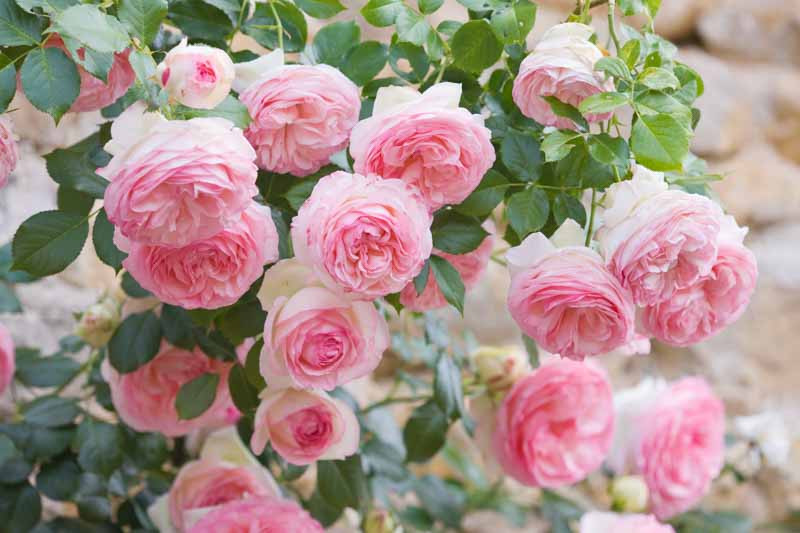
Beautiful Climbing Rose Garden Ideas
Imagine stepping through a rose-covered arch, relaxing beneath a fragrant pergola, or looking out at a garden fence overflowing with beautiful blooms. Climbing roses can transform even the simplest outdoor space into something extraordinary. From romantic cottage gardens to elegant courtyards, they bring color, fragrance, and vertical interest without taking up much ground space. Discover beautiful climbing rose garden ideas, inspiring combinations with clematis and perennials, and practical design tips to create a garden that looks wonderful throughout the seasons.
Explore Beautiful Climbing Rose Ideas for Arches, Pergolas, Walls, and Fences
Climbing roses are among the most rewarding plants for vertical garden design. They soften hard surfaces, frame beautiful views, and turn functional garden structures into flowering focal points. The secret is choosing a rose whose mature size and natural growth habit suit the structure you want to cover.
How do you create a romantic rose-covered arch? Choose a climbing rose with flexible canes that can be guided around the structure. Rosa ‘New Dawn’ is a favorite for its pale pink flowers and graceful growth. For a dramatic entrance, consider deep red roses such as ‘Don Juan’. Train the canes diagonally and around the top rather than allowing them to grow straight upward, and keep thorny branches away from the walkway.
What makes a beautiful rose-covered garden entrance? A climbing rose framing a gate or doorway creates an unforgettable first impression. Soft pink and creamy white roses look particularly romantic against stone, brick, or painted timber. Choose a support that complements the architecture, and leave enough room for visitors to pass comfortably. Explore Gardenia’s A Great Rose-Covered Entrance for inspiration.
How can you design a rose-covered pergola? A pergola draped in climbing roses creates a welcoming outdoor room, particularly when the planting surrounds a garden bench or terrace. Vigorous climbers such as ‘Madame Alfred Carrière’ or ‘Cécile Brunner’ can create generous flowering canopies where sufficient space is available. Use a sturdy structure capable of supporting mature woody growth, and avoid allowing the roses to overwhelm seating areas.
Which climbing roses look best against house walls? Consider both flower color and the character of the building. Pale pink roses soften weathered brick, creamy white flowers look elegant against dark masonry, and rich crimson roses provide striking contrast against light-colored walls. Rosa ‘Compassion’, with its beautifully fragrant salmon-pink flowers, is particularly attractive beside an entrance or sunny wall. Install a suitable support with clearance for air circulation and maintenance.
How do you transform a plain garden fence with roses? Train the main canes along horizontal wires or a strong trellis, spreading them across the available space. This encourages flowering shoots to develop along more of each cane instead of concentrating the flowers near the top. Underplant with hardy geraniums, nepeta, or salvias to soften the lower stems and create a generous flowering border.
Can climbing roses work in small courtyard gardens? Absolutely. A compact climbing rose can make a small space feel more lush and inviting without occupying a large planting bed. Rosa ‘Warm Welcome’ is a colorful option for modest trellises and narrow garden structures. One beautifully positioned climber, complemented by simple evergreen planting, can be more effective than several roses crowded together.
Are climbing roses suitable for modern gardens? Yes. The key is a restrained planting palette and a simple support. Red roses such as ‘Altissimo’, with their open flowers and golden stamens, look striking against charcoal fencing or pale contemporary walls. Combine them with ornamental grasses, architectural foliage, or a limited selection of perennials for a clean, elegant appearance.
Can climbing roses create privacy? A well-trained, vigorous rose can soften a boundary and provide seasonal screening. However, most climbing roses are deciduous, so they are not a reliable year-round privacy solution. Combine them with evergreen shrubs or screening plants if winter privacy is essential.
Gardenia’s design tip: Don’t try to hide every inch of a pergola, arch, or wall beneath flowers. Allowing some of the structure to remain visible creates contrast and makes the rose’s natural arching growth even more beautiful.
Explore Gardenia’s Arbor, Pergola, and Trellis Garden Ideas, Beautiful Climbing Plant Combinations, and Favorite Climbing Roses.
Discover Romantic Rose and Clematis Combinations for Spectacular Flowering Displays
Few climbing plant partnerships are as beautiful as roses and clematis. The roses provide graceful structure and generous flowers, while clematis weaves contrasting blooms through the stems. Carefully chosen varieties can flower together for a spectacular display or bloom in succession to extend the season.
Pink climbing roses with purple clematis: One of the most romantic combinations pairs soft pink roses with rich violet-purple clematis. Rosa ‘A Shropshire Lad’ and Clematis ‘The President’ create a lovely contrast in flower shape and color. Discover Gardenia’s Pink Climbing Rose and Purple Clematis Garden Combination.
Blush-white roses with pink-striped clematis: For a delicate, old-fashioned effect, combine Rosa ‘Madame Alfred Carrière’ with Clematis ‘Nelly Moser’. The rose’s fragrant, softly colored flowers complement the clematis’s large, pale blossoms with distinctive pink stripes. This pairing is particularly beautiful against warm stone walls and romantic garden arches. Explore Romantic Blush Rose and Pink-Striped Clematis Combination.
Apricot roses with lavender-blue clematis: Warm peach and apricot flowers look wonderful alongside cool blue and violet shades. Rosa ‘Compassion’, Clematis ‘Perle d’Azur’, and Clematis ‘Comtesse de Bouchaud’ create an attractive combination for a generous trellis or garden structure. Explore our Apricot, Blue, and Pink Climbing Rose Combination.
Pink roses with crimson clematis: For a richer, more colorful display, combine Rosa ‘Aloha’ and Rosa ‘New Dawn’ with Clematis ‘Ville de Lyon’. The mixture of soft pink, deeper rose pink, and crimson works beautifully along a wide fence or sturdy arbor. See Gardenia’s Pink Climbing Roses with Crimson Clematis.
Yellow roses with violet-purple clematis: Golden-yellow roses create a wonderful contrast with violet flowers. Rosa ‘Graham Thomas’ and Clematis ‘Wisley’ offer an appealing combination for traditional garden structures. Discover Beautiful Yellow Rose and Purple Clematis Combination.
Should climbing roses and clematis bloom at the same time? Not necessarily. If their flowering periods overlap, the display can be spectacular. But choosing an early-flowering clematis to precede the roses, or a late-flowering variety to follow their first flush, can extend interest over several months.
Can a climbing rose and clematis share the same arch? Yes, provided they have compatible growing conditions, sufficient root space, and a strong support. Match their mature vigor carefully. A very vigorous rose can overwhelm a delicate clematis, while an overly vigorous clematis may smother a smaller rose.
How should you combine their flower colors? For a harmonious effect, choose one dominant rose color and one complementary clematis color. Pink and violet, apricot and lavender-blue, creamy white and deep purple, or yellow and violet are particularly effective combinations.
Gardenia’s combination tip: Check both plants’ mature sizes, flowering seasons, and pruning requirements before planting. A beautiful combination should remain manageable as the plants mature, not simply look attractive during its first summer.
Read Gardenia’s Combining Roses and Clematis, Early-Flowering Clematis with Climbing Roses, and Late-Flowering Clematis with Climbing Roses.
Learn How to Design Stunning Rose Borders with Companion Plants and Year-Round Interest
A beautifully designed climbing rose garden is about more than the roses themselves. Carefully chosen companion plants can disguise bare lower stems, create attractive color combinations, attract pollinators, and provide interest before and after the roses flower.
What are the best companion plants for climbing roses? Hardy geraniums, nepeta, salvias, lavender, alliums, and delphiniums are classic choices. Select plants that share the rose’s growing conditions without competing too aggressively for water, nutrients, or space.
How do you create a romantic cottage garden border? Combine soft pink or cream climbing roses with generous drifts of lavender-blue nepeta, purple salvias, and hardy geraniums. Add a few taller perennials for height and movement. Instead of planting everything in straight rows, arrange companions in relaxed groups that repeat along the border.
What grows beautifully with pink climbing roses? Blue and purple flowers provide wonderful contrast. Nepeta, Salvia nemorosa, lavender, and violet clematis are especially effective. White flowers introduce freshness, while silver-gray foliage softens the overall composition.
Which plants complement red climbing roses? Deep red roses look striking beside white flowers, soft blue-purple perennials, and dark green foliage. Keep the palette relatively restrained so the rich rose color remains the focal point. White hardy geraniums and blue salvias can create a particularly attractive contrast.
What should you plant with apricot or peach roses? Lavender-blue salvias, purple nepeta, cream-colored flowers, and silver foliage beautifully complement warm rose tones. These combinations work particularly well in informal, Mediterranean-inspired, and traditional garden settings.
Can lavender grow beneath climbing roses? Lavender can be a beautiful companion in sunny, well-drained gardens. However, roses generally appreciate more moisture and fertile soil than lavender. Give the plants enough separation to accommodate their different needs, and avoid placing lavender where frequent rose watering will leave its roots too wet.
How do you create year-round interest around climbing roses? Most climbing roses are deciduous, so include evergreen shrubs or foliage plants to provide winter structure. Spring bulbs bring early color, summer perennials complement the rose display, and late-season asters or ornamental grasses can extend interest into fall.
Are climbing roses good for pollinators? Single and semi-double roses with accessible stamens can provide pollen for bees and other insects. Many densely double roses offer fewer accessible floral resources. Combine flowering roses with nectar-rich perennials to support pollinators over a longer season.
How can you design a low-maintenance climbing rose garden? Choose disease-resistant varieties suited to your climate, provide good air circulation, and avoid overcrowding. Repeat a small selection of reliable companion plants rather than mixing many species with different requirements. A sturdy support and thoughtful early training will also reduce maintenance later.
How do you make a climbing rose border look natural? Vary the heights and textures of companion plants, repeat colors in loose groups, and allow the rose’s flowering stems to arch gracefully. Avoid rigid symmetry and excessive planting density. The goal is a lush but believable garden where each plant has sufficient room to flourish.
What is the biggest mistake when designing with climbing roses? Choosing a variety that becomes too large for its support. A vigorous rose can overwhelm a small trellis, block a garden path, or cover nearby plants. Always consider mature height, spread, thorniness, and maintenance access before deciding where to plant.
Gardenia’s final design advice: Start with one beautiful climbing rose, add a few carefully chosen companions, and repeat them naturally through the planting. Balance generous flowers with attractive foliage and give every plant room to mature. The most successful rose gardens feel lush and inviting without looking overcrowded or artificial.
Find more inspiration in Gardenia’s Arbor, Pergola, and Trellis Garden Ideas, How to Create the Perfect Rose Garden, and Beautiful Rose and Clematis Combinations.