Shrub & Grass Garden Ideas for Slopes
Imagine a hillside covered in softly swaying grasses, blue-flowering shrubs cascading across a sunny bank, or a beautiful tapestry of copper, gold, and green foliage glowing in the afternoon light. The right shrubs and ornamental grasses for slopes can turn difficult terrain into a spectacular landscape filled with structure, movement, and seasonal interest. Discover inspiring shrub-and-grass hillside garden ideas, from Mediterranean-style banks and colorful California native plantings to naturalistic prairie slopes and romantic cottage gardens. Explore beautiful combinations of spreading evergreens, flowering shrubs, graceful grasses, and low-growing companions that follow the natural contours of the land. Find ideas for sunny slopes, dry hillsides, and low-maintenance landscapes, then choose a design that suits your own growing conditions.
Explore Beautiful Mediterranean and California Native Hillsides with Shrubs and Grasses
Some of the most memorable hillside gardens are inspired by warm, sunny landscapes where shrubs and grasses grow in generous, natural-looking groups. Evergreen foliage provides a strong framework, flowering shrubs bring seasonal color, and grasses soften the planting with beautiful movement.
These gardens feel wonderfully relaxed, but their success depends on matching plants to the local climate and soil.
Two inspiring published Gardenia hillside designs:
- A Steep Hillside Transformed into a Lush Mediterranean Landscape: This striking garden by Derviss Design uses a rich Mediterranean-inspired planting palette featuring ornamental Miscanthus grasses, lavender, Mexican bush sage, Pride of Madeira, and roses. The grasses introduce soft movement among generous flowering plants, while the shrubs create volume and structure. The result is lush and naturalistic rather than formally arranged, showing how an awkward slope can become a beautifully layered landscape.
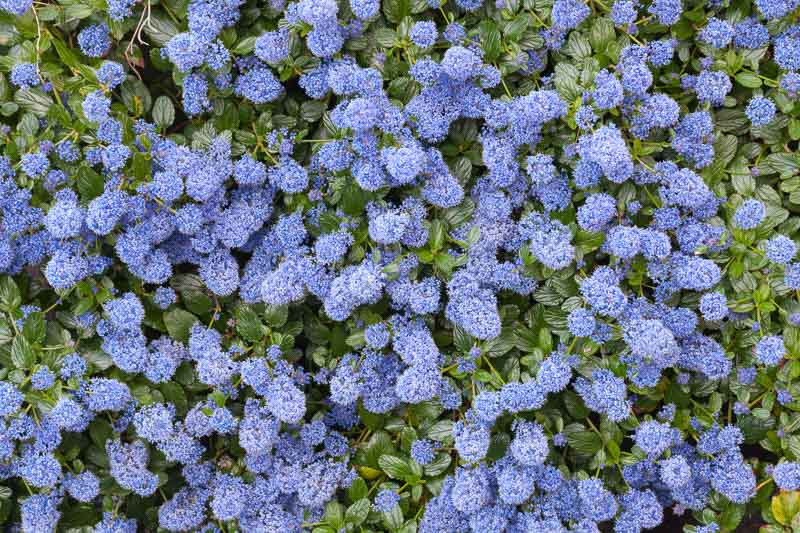
- A Colorful California Native Garden for Sunny, Dry Slopes: This beautiful planting combines low-growing Ceanothus ‘Yankee Point’, aromatic Cleveland Sage, scarlet California Fuchsia, California Buckwheat, and sculptural Deer Grass. Evergreen shrubs provide the main structure, while the grasses form impressive fountain-shaped clumps. Blue spring flowers, warm red blossoms, and muted foliage colors create interest through different seasons.
Why these designs work: They combine contrasting plant forms instead of relying on one continuous groundcover. Low shrubs establish the framework, ornamental grasses introduce vertical movement, and flowering plants add seasonal highlights.
Try a California blue-and-gold shrub-and-grass slope: In suitable mild, dry-climate conditions, repeat groups of Ceanothus ‘Yankee Point’ with Muhlenbergia rigens (Deer Grass). The broad, blue-flowering shrubs contrast with upright green grass clumps and tall tan flower stems.
Add Eriogonum fasciculatum (California Buckwheat) in smaller, repeated groups for delicate flowers and naturalistic texture. This combination is intended for climates and soils appropriate to these western North American species, not for every drought-prone garden.
For a Mediterranean hillside: Choose regionally appropriate shrubs and ornamental grasses with compatible summer moisture and winter drainage requirements. Lavender, certain salvias, and suitable structural grasses can create a beautiful relaxed effect, but the plant palette should be adapted to local climate and invasive-species guidance.
What about winter interest? Evergreen shrubs maintain foliage where hardy, while ornamental grasses can provide attractive dormant-season silhouettes. In wildfire-prone areas, follow local rules for managing dry grass stems and vegetation.
Design tip: Place spreading shrubs in broad, irregular drifts and repeat grasses in loose groups between them. Allow open visual space around some grass clumps so their natural fountain-like forms can be appreciated.
Explore Gardenia’s Mediterranean Garden Design Guide, Water-Wise Garden Design Guide, and Hillside Plant Combinations.
Discover Prairie-Inspired Slopes with Ornamental Grasses and Seasonal Flowers
Prairie-inspired hillsides have a beauty all their own. Fine-textured grasses ripple in the breeze, golden flowers rise above softly rounded foliage, and seedheads catch the light as summer gives way to autumn.
Unlike a formal border, the planting feels natural and unforced. Yet the most attractive designs use repeated groups and carefully balanced plant heights.
A beautiful published Gardenia garden design:
A Colorful Prairie Garden for Sunny Slopes: This naturalistic hillside combines pale pink Echinacea pallida, golden Rudbeckia fulgida var. speciosa, upright purple Liatris spicata, Little Bluestem, and Prairie Dropseed. The grasses provide the permanent visual rhythm of the summer planting, while coneflowers, black-eyed Susans, and blazing stars add contrasting flower shapes. In autumn, the grasses develop warm foliage tones and attractive seedheads.
What makes the composition successful? Little Bluestem introduces upright, slender foliage, while Prairie Dropseed creates lower, rounded mounds. These contrasting forms provide structure even before the flowers open.
Try a grasses-first prairie hillside: Repeat Little Bluestem ‘Standing Ovation’ in generous groups, with Prairie Dropseed forming softer drifts between them. Add suitable flowering shrubs or perennials according to your region, soil, and water availability.
Can shrubs be added to a prairie slope? Yes. Appropriate native shrubs can establish woody structure and diversify the planting, particularly on larger hillsides. Choose species that share the grasses’ requirements and won’t overshadow the lower plants as they mature.
How do you create seasonal color? Use spring-flowering shrubs or appropriate early flowers, follow with summer prairie perennials, and let ornamental grasses provide much of the autumn display. Winter seedheads and stems can add character where safe to retain.
For pollinators and wildlife: Choose regionally appropriate native flowers and grasses. A diversity of flowering periods can provide nectar and pollen, while grasses contribute shelter, seeds, and habitat structure.
For a low-maintenance garden: Avoid selecting tall plants that need frequent staking or flowers that require constant deadheading. Let suitable grasses develop their natural shape and use repeated plant groups that can be maintained without regularly climbing the slope.
Design tip: Don’t scatter ornamental grasses randomly across the hillside. Repeat them in recognizable drifts, then weave flowering plants between the groups. This creates a strong composition that remains attractive between flowering peaks.
Find more inspiration in Gardenia’s Native Garden Design Guide, Winter Interest Garden Guide, and Best Plants for Slopes.
Get Inspired by Romantic Shrub-Rose Hillsides, Evergreen Banks, and Seasonal Grasses
A slope planted with roses and ornamental grasses can feel wonderfully romantic. The rounded flowers of shrub roses contrast beautifully with upright grass stems, while smaller perennials soften the gaps between woody plants.
For a garden that’s attractive beyond summer, evergreen shrubs and the autumn colors of ornamental grasses add structure when many flowers have finished.
A romantic published Gardenia hillside design:
A Romantic Pink Rose and Lavender-Blue Cottage Garden Slope: This charming planting combines pink Rosa ‘Flower Carpet Pink’, lavender-blue Nepeta ‘Purrsian Blue’, vivid Geranium ‘Max Frei’, white yarrow, and Little Bluestem ‘Standing Ovation’. The roses provide an abundant flowering shrub layer, while the ornamental grass adds strong vertical structure and warm late-season color. Lower perennials connect the plants visually and soften the bank.
Why this design looks so attractive: Pink and lavender-blue flowers create a romantic palette, while the fine grass foliage contrasts with the rounded flowers and lower spreading perennials. The result is full and colorful without relying on a large number of different varieties.
Try a blue-and-pink shrub-and-grass hillside: Repeat Rosa ‘The Fairy’ with appropriate ornamental grasses, introducing low-growing flowering companions in smaller groups. Use broad, staggered plantings rather than strict rows, and leave adequate space for the roses and grasses to mature.
For stronger evergreen structure: Consider Juniperus ‘Blue Chip’ in suitable sunny, well-drained sections of the bank. Its spreading silver-blue foliage can create a visual connection between flowering shrubs, particularly during winter.
What about a small front-yard slope? Choose compact shrubs and grasses rather than vigorous plants that will require repeated trimming. A limited palette of one spreading shrub, one structural grass, and one compatible low-growing companion can create a beautifully cohesive design.
For a larger naturalistic bank: Repeat spreading shrubs in broad groups, intersperse taller ornamental grasses, and use lower plants where needed to cover gaps. Choose plants according to the different moisture and sunlight conditions along the slope.
How can you maintain interest through the seasons? Combine flowering shrubs with attractive foliage, grasses that develop autumn colors, and selected evergreens. The aim is not continuous flowering, but an attractive composition that changes throughout the year.
Can shrubs and grasses replace a difficult lawn? In many decorative hillside areas, yes. A planted bank can eliminate some mowing, but it still requires watering during establishment and occasional inspections. Most ornamental shrubs and grasses are not intended for regular foot traffic.
Design tip: Choose one dominant shrub or grass to establish visual rhythm. Introduce contrasting plants in smaller, repeated groups, and allow room for every species to reach its mature size.
Remember: A beautiful planting cannot correct serious drainage or slope-stability problems. Address active erosion, deep soil movement, and unsafe banks before relying on shrubs or grasses for surface protection.
Explore Gardenia’s Banks and Slopes Garden Ideas, Hillside Plant Combinations, and Best Low-Maintenance Shrubs.