Coastal Rosemary, Coast Rosemary, Coastal Westringia, Native Rosemary, Australian Rosemary, Coast Westringia, Westringia Rosmariniformis

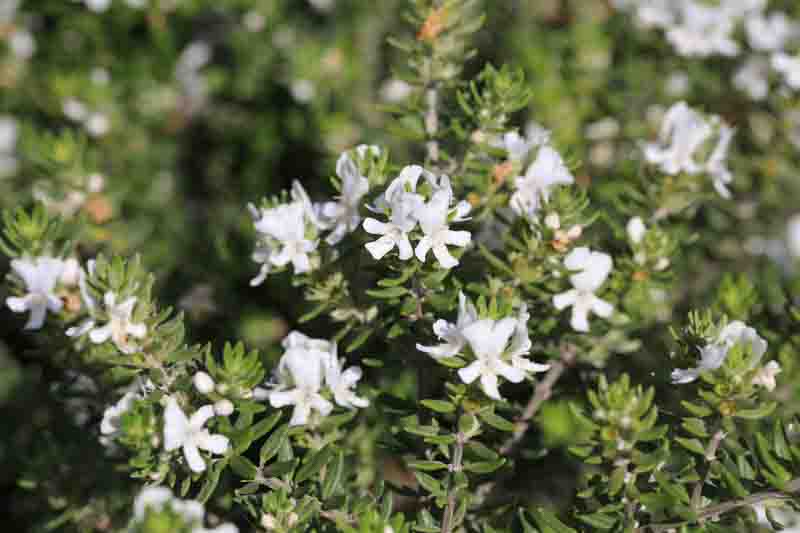
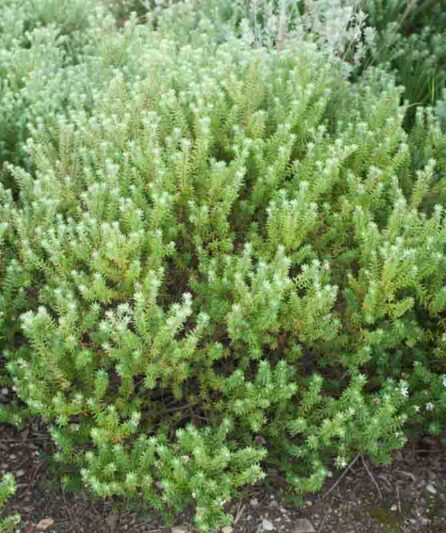


Westringia fruticosa, commonly known as coast rosemary, coastal rosemary, Australian rosemary, or native rosemary, is a tough evergreen shrub admired for its silvery-gray foliage, neat rounded habit, salt tolerance, drought resilience, and year-round usefulness in low-maintenance landscapes. Despite its rosemary-like leaves, it is not culinary rosemary. It belongs to the mint family, Lamiaceae, and is grown as an ornamental coastal shrub, hedge, screen, foundation plant, and waterwise garden staple.
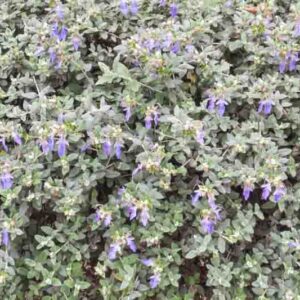
This is one of those plants that looks relaxed but works hard. Westringia fruticosa handles wind, reflected heat, sea spray, sandy soils, and dry summers with a calm, clean appearance that fits modern gardens, Mediterranean-style borders, seaside landscapes, and wildlife-friendly plantings. Its narrow leaves create a soft gray-green texture, while small white to pale lavender flowers appear mainly in spring and summer, often continuing intermittently through the year in frost-free coastal climates.
Westringia fruticosa is a dense, evergreen Australian coastal shrub grown for silver-gray foliage, small white flowers, excellent salt tolerance, drought tolerance once established, and easy clipping. It performs best in full sun, well-drained soil, and mild climates, where it makes a handsome hedge, seaside screen, low-water foundation shrub, or informal rounded accent.
Use: Coastal gardens, evergreen hedges, waterwise borders, foundation planting, slopes, screens, wildlife gardens, modern landscapes, seaside properties, and large containers.
Highlight: Fine gray-green foliage and small white flowers give year-round texture with very little fuss.
Design note: Excellent as a clipped low hedge, informal mound, wind-tolerant coastal screen, or silvery contrast plant beside blue, purple, pink, and white flowers.
| Botanical Name | Westringia fruticosa |
|---|---|
| Family | Lamiaceae |
| Common Names | Coast Rosemary, Coastal Rosemary, Australian Rosemary, Native Rosemary, False Rosemary |
| Native Range | Coastal New South Wales, Australia, especially sea cliffs, headlands, sandy sites, and harbor foreshores |
| Plant Type | Broadleaf evergreen shrub |
| Hardiness | Best in USDA Zones 9-11; may tolerate brief dips near 20°F in sheltered, well-drained sites |
| Height | Usually 3-6 ft. tall in gardens; occasionally taller in ideal mild climates |
| Spread | Usually 4-8 ft. wide; some forms can spread wider with age |
| Sun Exposure | Full sun is best; light afternoon shade is tolerated in hot inland gardens |
| Soil | Well-drained sandy, gravelly, loamy, or improved clay soil; avoid waterlogged sites |
| Bloom Time | Mainly spring to summer; often sporadic year-round in frost-free coastal climates |
| Flower Color | White to very pale lavender, often with soft purple markings |
| Foliage | Evergreen, narrow, rosemary-like, gray-green to silver-green leaves |
| Drought Tolerant | Yes, once established; best with occasional deep watering during prolonged drought |
| Deer Resistant | Often considered deer resistant, but browsing can vary by region and pressure |
| Attracts | Bees, butterflies, and other small pollinators |
| Pet and Child Safety | Ornamental, not grown as an edible herb; discourage chewing of foliage |
Westringia fruticosa is a compact to medium-sized evergreen shrub native to the coast of New South Wales, Australia. In the wild, it grows near the sea, often on exposed cliffs, headlands, skeletal soils, sandy ground, and harbor foreshores. That background explains its garden personality: it is naturally adapted to bright light, wind, salt-laden air, lean soil, and periodic dryness.
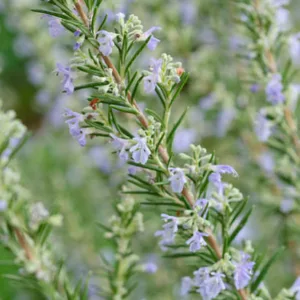
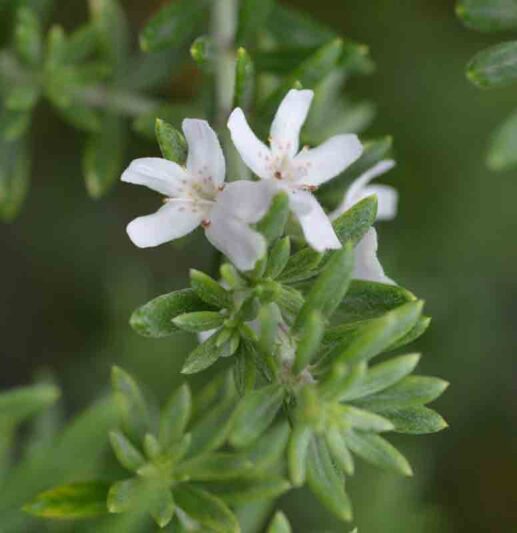
The common name coast rosemary comes from the plant’s narrow, rosemary-like leaves, but this shrub is grown for ornament, not cooking. The leaves are typically gray-green or silver-green, arranged neatly around the stems, and useful for softening hardscape, gravel gardens, walls, driveways, and sunny borders. The flowers are small, two-lipped, and usually white with faint lavender or purple markings, bringing a gentle pollinator-friendly sparkle rather than a loud floral show.
Good to know: Westringia fruticosa is one of the best evergreen shrubs for coastal gardens because it combines salt tolerance, drought tolerance, wind tolerance, silver foliage, and easy pruning in one tidy plant.
Westringia fruticosa is native to coastal New South Wales, Australia, where it grows close to the ocean from exposed sea cliffs and headlands to sandy and rocky coastal soils. It is widely cultivated outside its native range in mild-climate gardens, especially in California, Mediterranean-climate regions, coastal Australia, and other frost-light landscapes.
Blooming is heaviest in spring and summer, but in mild, frost-free coastal gardens, flowers may appear at almost any time of year. The flowers are small, white to pale lavender, and attractive to bees and butterflies. For a shrub that is mostly valued for foliage, Westringia fruticosa flowers surprisingly generously when grown in full sun.
The foliage is evergreen, narrow, aromatic-looking, and softly gray-green, creating a cooling effect in hot gardens. It pairs beautifully with blue flowers, purple salvias, white gaura, pink sea thrift, silver artemisia, ornamental grasses, and dark-leaved shrubs. Because the leaves stay on the plant through winter in mild climates, Westringia gives structure when many perennials are resting.
Most garden plants grow about 3-6 feet tall and 4-8 feet wide, though unpruned plants in ideal climates may become larger. Growth is moderate rather than rampant, which makes coast rosemary easier to manage than many fast hedging shrubs. For a low hedge, space plants about 2.5-4 feet apart, depending on the cultivar and how quickly you want the hedge to close.
Westringia fruticosa has received the Royal Horticultural Society Award of Garden Merit, reflecting its strong performance, ornamental value, and reliability in suitable garden conditions.
Westringia fruticosa is best suited to USDA Zones 9-11. Established plants may tolerate brief cold near 20°F when soil drains well and the site is sheltered, but prolonged freezes, wet winter soil, or cold drying winds can damage foliage and stems. In marginal gardens, plant it near a warm wall, slope, courtyard, or protected coastal exposure.
Westringia fruticosa has ornamental wildlife value. Its small flowers attract bees, butterflies, and beneficial insects, while its dense evergreen growth can provide light shelter. For stronger ecological performance, combine it with regionally native flowering perennials, seed-bearing grasses, and nectar-rich plants that support bees, butterflies, and beneficial insects.
Westringia fruticosa is often listed as deer resistant because of its narrow, aromatic-looking foliage and tough texture. However, no plant is fully deer-proof. Young plants may still be sampled where deer pressure is high, especially during drought or winter food shortages. Protect new hedges until they are established.
Once established, Westringia fruticosa is drought tolerant and well suited to low-water landscapes. It still looks best with occasional deep watering during long dry periods, especially in hot inland gardens or containers. The key is drainage: deep, infrequent irrigation in well-drained soil is far better than frequent shallow watering in heavy ground.
Westringia fruticosa is an ornamental shrub and should not be treated as a culinary substitute for rosemary. It is not typically grown as a major toxic landscape plant, but the safest practice is to discourage children and pets from chewing ornamental foliage. Wear gloves when pruning if you have sensitive skin.
Westringia fruticosa is widely cultivated in mild climates and is generally used as a managed ornamental shrub. In Australia, it may occur outside its core native distribution in some areas, so gardeners near sensitive habitats should follow local invasive plant guidance. In ordinary landscape use, pruning spent growth and avoiding dumping garden waste in natural areas are sensible precautions.
Water regularly during the first growing season to establish a deep root system. After that, reduce irrigation and water deeply during extended dry spells. Established plants in coastal climates may need very little supplemental water, while inland plants appreciate occasional deep soaking in summer.
Feed lightly in spring only if growth is weak or foliage color is poor. Compost, a low-rate slow-release fertilizer, or a mild organic shrub food is usually enough. Avoid heavy nitrogen feeding, which can make growth too lush and reduce the plant’s naturally compact, resilient character.
Apply a 2-inch layer of gravel, bark, composted mulch, or leaf mold around the root zone to conserve moisture and suppress weeds. Keep mulch a few inches away from the main stems so the crown stays dry and healthy.
Care tip:
The secret to a long-lived Westringia is simple: full sun, sharp drainage, light pruning, and no soggy winter soil.
Prune Westringia fruticosa lightly in spring or after the main flowering flush. In mild climates, it can also be clipped during active growth to maintain a hedge or rounded shape. Avoid severe late-season pruning in marginal climates because tender regrowth may be more vulnerable to cold.
For a low, informal hedge, space plants about 2.5-4 feet apart. Begin light tip-pruning early so the plant branches from the base. Do not wait until the shrub is oversized before shaping it. Westringia responds best to regular light clipping, not harsh renovation cuts into old, leafless wood.
Westringia fruticosa can grow well in a large container if drainage is excellent. Use a free-draining potting mix, avoid saucers that hold water, and water deeply when the upper mix dries. Container plants dry faster than in-ground shrubs, so they may need more regular summer irrigation.
Westringia fruticosa is commonly propagated from semi-ripe cuttings taken during the growing season. Cuttings preserve the shape, flower color, compactness, and foliage qualities of named selections. Seed may be possible where produced, but seedlings can vary and are less predictable for hedging or formal design.
This shrub struggles in heavy wet clay, poorly drained containers, deep shade, prolonged hard freezes, and humid sites with stagnant air. Yellowing foliage, dieback, and weak growth often point to root stress rather than lack of fertilizer. If a plant looks tired, check drainage and watering first.
| Task | Best Time |
|---|---|
| Planting | Spring, or fall in mild coastal climates |
| Flowering | Mainly spring to summer, often sporadic year-round in frost-free areas |
| Pruning | Spring through summer during active growth |
| Feeding | Spring, lightly if needed |
| Winter Protection | Late fall to winter in marginal climates |
Yellow leaves often indicate excess moisture, poor drainage, compacted soil, or root stress. Before feeding, check whether the soil is staying wet. Westringia prefers lean, well-drained conditions and may decline when roots sit in cold, saturated soil.
Leaf drop can follow drought stress, transplant shock, severe pruning, or root problems. New plants need consistent establishment water, while mature plants prefer deep, occasional irrigation. Mulch can help stabilize the root zone without keeping the crown wet.
Brown tips or scorched foliage may appear after frost, cold wind, or sudden temperature drops. In colder gardens, choose a sheltered site with excellent drainage and avoid late feeding that encourages soft growth before winter.
Root rot is the most serious problem in poorly drained soil. Improve drainage before planting, avoid overwatering, and use free-draining mixes in containers.
Healthy Westringia plants are usually low maintenance, but stressed shrubs may attract scale insects or other sap-feeding pests. Good sun, airflow, drainage, and watering habits are the best long-term pest prevention.
Fast diagnostic: Leggy growth usually means too much shade. Yellowing often means wet roots. Sparse flowering usually means not enough sun. Browning after winter usually means cold exposure.
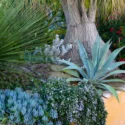
Use Westringia fruticosa wherever you want a soft evergreen shrub that looks polished without demanding constant care. Its gray-green foliage cools down hot paving, bright walls, gravel paths, and stucco architecture. It is especially strong in coastal gardens, dry borders, poolside plantings, Mediterranean landscapes, and contemporary designs where texture matters as much as flowers.
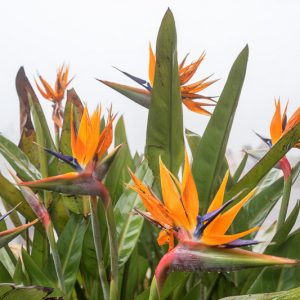
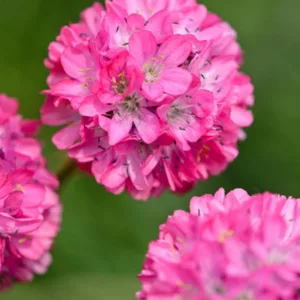
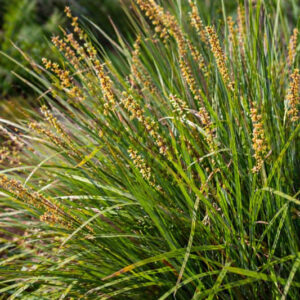
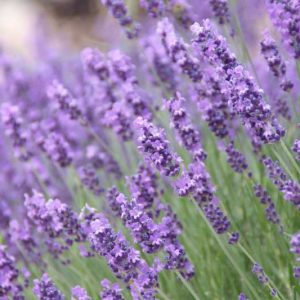
Good companions for Westringia fruticosa include plants that enjoy full sun, well-drained soil, mild hardiness zones, and low to moderate moisture once established. Excellent Gardenia.net companions include English Lavender (Lavandula angustifolia), Spanish Lavender (Lavandula stoechas), Rosemary (Salvia rosmarinus), Creeping Rosemary (Salvia rosmarinus Prostratus Group), Sea Thrift (Armeria maritima), Lomandra (Lomandra longifolia), Gaura (Oenothera lindheimeri), Baby Sage (Salvia microphylla), Common Sage (Salvia officinalis), and Sea Thrift ‘Splendens’. Most are best in USDA Zones 8-11 or 9-11, full sun, well-drained soil, and low to moderate water once established.
No. Westringia fruticosa is commonly called coast rosemary because its narrow gray-green leaves resemble rosemary, but it is an ornamental Australian shrub and should not be used as culinary rosemary.
Westringia fruticosa usually grows about 3 to 6 feet tall and 4 to 8 feet wide in gardens, though old unpruned plants in mild climates may become larger.
Yes. Westringia fruticosa is drought tolerant once established, especially in coastal and Mediterranean climates. It looks best with occasional deep watering during prolonged hot, dry weather.
Westringia fruticosa tolerates light shade, but full sun gives the densest growth and best flowering. Deep shade can make the plant open, leggy, and less attractive.
Yes. Westringia fruticosa is excellent for coastal gardens because it tolerates salt spray, wind, sandy soil, and dry conditions once established.
Prune Westringia fruticosa lightly in spring or after the main flowering flush. Regular light clipping keeps the shrub dense and shapely. Avoid hard pruning into old bare wood.
No. Westringia fruticosa is not native to any U.S. state. It is native to coastal New South Wales, Australia.
Updated: May 2026 • Reviewed by Gardenia Editors
| Hardiness |
9 - 11 |
|---|---|
| Heat Zones |
9 - 12 |
| Climate Zones | 8, 9, 14, 15, 16, 17, 18, 19, 20, 21, 22, 23, 24 |
| Plant Type | Shrubs |
| Plant Family | Lamiaceae |
| Common names | Westringia |
| Exposure | Full Sun |
| Season of Interest | Spring (Early, Mid, Late), Summer (Early, Mid, Late), Fall, Winter |
| Height | 3' - 6' (90cm - 180cm) |
| Spread | 4' - 8' (120cm - 240cm) |
| Spacing | 48" - 96" (120cm - 240cm) |
| Maintenance | Low |
| Water Needs | Low |
| Soil Type | Loam, Sand |
| Soil pH | Acid, Alkaline, Neutral |
| Soil Drainage | Well-Drained |
| Characteristics | Showy, Evergreen, Plant of Merit |
| Native Plants | Australia |
| Tolerance | Drought, Salt, Rocky Soil, Dry Soil |
| Attracts | Bees, Butterflies |
| Garden Uses | Banks And Slopes, Beds And Borders, Ground Covers, Hedges And Screens, Patio And Containers |
| Garden Styles | Butterfly Garden, Coastal Garden, Gravel and Rock Garden, Informal and Cottage, Mediterranean Garden, Pollinator Garden |


| Hardiness |
9 - 11 |
|---|---|
| Heat Zones |
9 - 12 |
| Climate Zones | 8, 9, 14, 15, 16, 17, 18, 19, 20, 21, 22, 23, 24 |
| Plant Type | Shrubs |
| Plant Family | Lamiaceae |
| Common names | Westringia |
| Exposure | Full Sun |
| Season of Interest | Spring (Early, Mid, Late), Summer (Early, Mid, Late), Fall, Winter |
| Height | 3' - 6' (90cm - 180cm) |
| Spread | 4' - 8' (120cm - 240cm) |
| Spacing | 48" - 96" (120cm - 240cm) |
| Maintenance | Low |
| Water Needs | Low |
| Soil Type | Loam, Sand |
| Soil pH | Acid, Alkaline, Neutral |
| Soil Drainage | Well-Drained |
| Characteristics | Showy, Evergreen, Plant of Merit |
| Native Plants | Australia |
| Tolerance | Drought, Salt, Rocky Soil, Dry Soil |
| Attracts | Bees, Butterflies |
| Garden Uses | Banks And Slopes, Beds And Borders, Ground Covers, Hedges And Screens, Patio And Containers |
| Garden Styles | Butterfly Garden, Coastal Garden, Gravel and Rock Garden, Informal and Cottage, Mediterranean Garden, Pollinator Garden |
How many Westringia fruticosa (Coast Rosemary) do I need for my garden?
| Plant | Quantity | |
|---|---|---|
| Westringia fruticosa (Coast Rosemary) | N/A | Buy Plants |
Create a membership account to save your garden designs and to view them on any device.
Becoming a contributing member of Gardenia is easy and can be done in just a few minutes. If you provide us with your name, email address and the payment of a modest $25 annual membership fee, you will become a full member, enabling you to design and save up to 25 of your garden design ideas.
Join now and start creating your dream garden!
Create a membership account to save your garden designs and to view them on any device.
Becoming a contributing member of Gardenia is easy and can be done in just a few minutes. If you provide us with your name, email address and the payment of a modest $25 annual membership fee, you will become a full member, enabling you to design and save up to 25 of your garden design ideas.
Join now and start creating your dream garden!