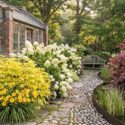
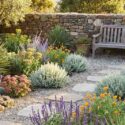
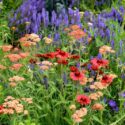
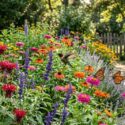
Turn your hottest garden spot into a gorgeous flower border. Discover heat-loving perennials that thrive in intense afternoon sunshine, from colorful salvias and coneflowers to airy Russian sage and ornamental grasses. Compare plants for dry and humid summers, avoid common mistakes, and create beautiful combinations that withstand the heat.


By three o’clock on a July afternoon, some gardens feel more like ovens. Sunlight beats against west-facing walls, heat rises from patios and driveways, and flowers that looked fresh that morning begin to droop. Even plants labeled “full sun” can struggle when temperatures soar.
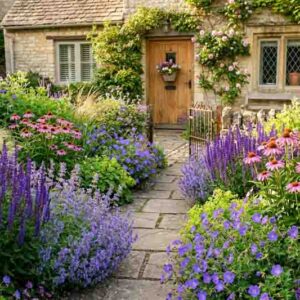
Fortunately, plenty of beautiful perennials can handle intense afternoon sunshine. Russian sage thrives in exposed borders, coneflowers bring summer color to prairie-style gardens, and hardy salvias flourish where more delicate flowers surrender to the heat.
But there’s an important distinction: a perennial can survive extreme heat without necessarily looking beautiful or continuing to flower. Some plants remain attractive through a heat wave, others pause flowering until temperatures moderate, and some need extra moisture despite their reputation for toughness.
So which are the best perennials for hot afternoon sun? The answer depends on whether your garden experiences dry western heat, humid southern summers, reflected heat from paving, or heavy soil that holds moisture. Here’s how to choose plants that won’t merely survive your hottest garden spot but have a genuine chance to thrive there.
Quick answer: Best perennials for hot afternoon sun
For hot, dry conditions, start with Russian sage, yarrow, suitable agastaches, autumn sage, and drought-adapted penstemons. For hot, humid summers, consider Rudbeckia fulgida, coneflowers, daylilies, and threadleaf coreopsis. Upright stonecrops, butterfly weed, and appropriate ornamental grasses offer additional options. Match each plant to your winter hardiness, soil drainage, and available water.
Six hours of morning and midday sunlight can produce very different growing conditions from six hours of intense afternoon exposure. By late afternoon, soil, paving, and nearby walls may have absorbed hours of heat, while warm winds increase moisture loss.
A west-facing flower bed beside a brick wall can be considerably harsher than an open border receiving the same number of sunlight hours. Containers and narrow planting strips surrounded by paving experience additional root-zone stress.
For gardeners, it’s useful to distinguish four types of heat performance:
These qualities aren’t interchangeable. Daylily foliage may remain healthy while certain dark-colored flowers suffer in intense sunshine. Some salvias temporarily reduce flowering during extreme heat and resume when temperatures moderate.
Remember, too, that USDA hardiness zones measure winter cold, not summer heat tolerance. A Zone 8 garden in the Pacific Northwest can have very different summer conditions from a Zone 8 garden in the Southeast.
Gardenia’s comparison below separates plants that generally tolerate heat and drought from those that handle high temperatures but appreciate more moisture to maintain vigorous growth and flowering.
These are qualitative horticultural assessments for established plants in appropriate conditions, not experimental heat-tolerance ratings. Performance varies by species, cultivar, climate, and soil.
| Perennial | Heat performance | Drought tolerance | Flowering in extreme heat | Best situation |
|---|---|---|---|---|
| Russian Sage | Very good | High | Often maintains summer color | Dry, well-drained borders |
| Yarrow | Very good | High | May slow under severe stress | Lean, sunny soil |
| Salvia greggii | Very good | Moderate-high | May pause and rebloom | Warm, dry-summer climates |
| Agastache rupestris | Very good | High | Long summer display in suitable sites | Dry, sharply drained soil |
| Gaillardia | Good | Moderate-high | Often prolonged with some moisture | Hot, sandy borders |
| Echinacea purpurea | Good | Moderate | Can decline during severe drought | Sunny borders with occasional water |
| Rudbeckia fulgida | Good | Moderate | Best with adequate moisture | Hot, humid borders |
| Daylily | Good | Moderate | Flower quality varies by cultivar | Sunny borders with irrigation |
| Butterfly Weed | Very good | High | Summer flowers; not continuous | Dry, sunny native gardens |
| Upright Stonecrop | Good in suitable climates | High | Late-season flowers | Well-drained sunny borders |
How Gardenia evaluates these choices: Heat performance describes general suitability for hot, sunny conditions. Drought tolerance refers to established plants, not new transplants. Flowering performance describes typical horticultural behavior, not guaranteed continuous bloom or a standardized temperature threshold.
Before selecting any plant, check its USDA hardiness, mature size, drainage requirements, and tolerance of your region’s humidity.
In hot, dry-summer gardens, the strongest performers often come from prairies, rocky slopes, and open landscapes where sunshine is plentiful and water is limited. Good drainage is particularly important, and plants generally need time to establish before their drought tolerance can be tested.
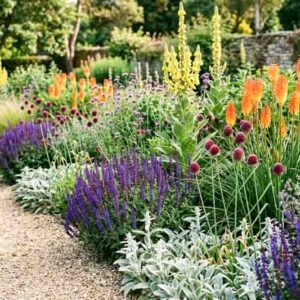
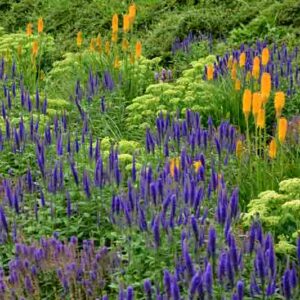
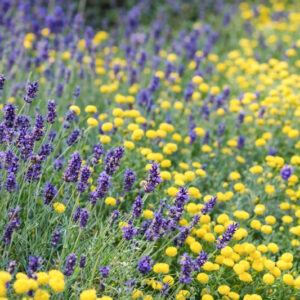
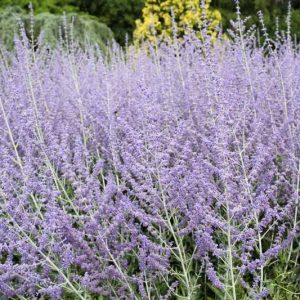
With silvery foliage and clouds of blue-violet flowers, Russian sage brings an airy quality to exposed borders. Its woody base and drought tolerance make it particularly useful in dry, sunny gardens. Allow room for its mature spread, and avoid persistently wet soil.
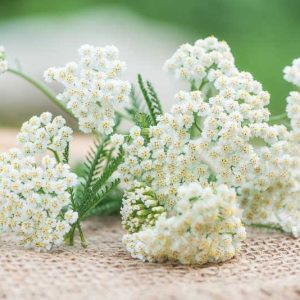
Yarrow’s flat flower clusters and finely divided foliage look beautiful beside ornamental grasses. Selections such as ‘Moonshine’ provide strong summer color, although flowering can decline during prolonged drought. Plants grown in overly rich soil may develop weak, floppy stems.
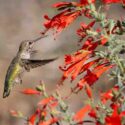
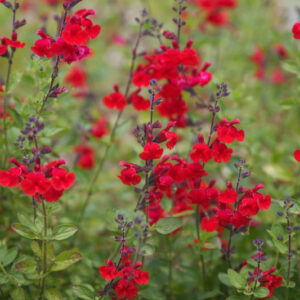
A favorite for warm-climate borders, this small woody perennial or subshrub produces tubular flowers in red, pink, coral, or purple. Flowering may slow during severe heat and resume with cooler temperatures. It generally appreciates good drainage and occasional deep watering during prolonged drought. Cold hardiness varies.
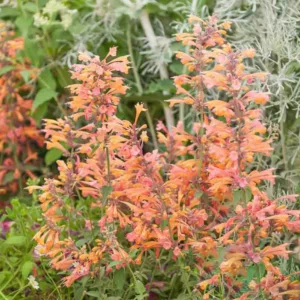
Slender orange-pink flowers, aromatic foliage, and exceptional hummingbird appeal make this a wonderful addition to dry-summer gardens. It prefers excellent drainage, especially in winter. Other Agastache species have different moisture requirements, so select carefully.
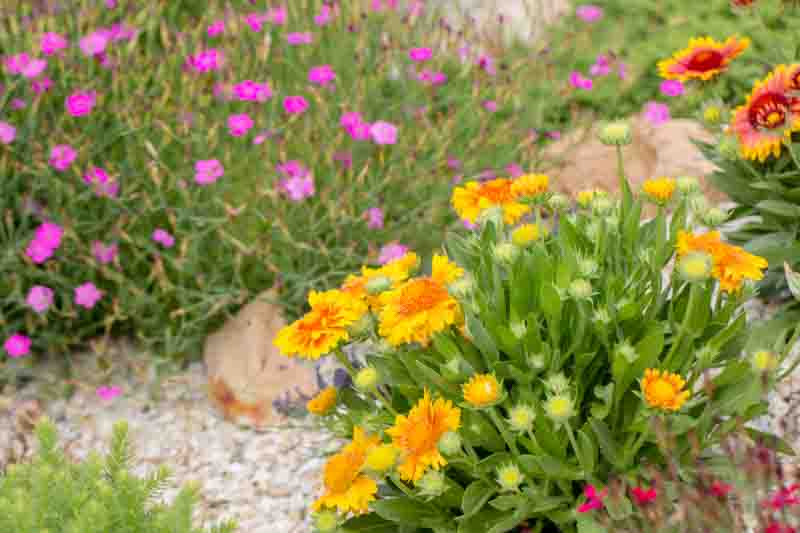
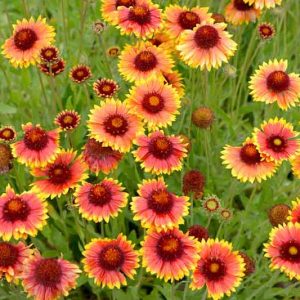
Few flowers look happier in a sunny border than blanket flowers, with their vivid red, yellow, and orange petals. Many perform well through summer when drainage is good and some moisture remains available. Garden hybrids can be short-lived, particularly in wet winter conditions.
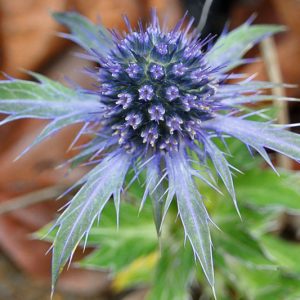
Selected western Penstemon species flourish in sunny, rocky or sandy soils, while Eryngium brings spiny, architectural flowers and a striking blue or silver appearance. Neither genus has universal growing requirements. Choose species according to local climate, drainage, and winter hardiness.
For more detailed low-water recommendations, explore Gardenia’s drought-tolerant perennial guide.
| Plant Type | Perennials |
|---|---|
| Genus | Achillea, Agastache, Asclepias, Coreopsis, Echinacea, Eryngium, Gaillardia, Heliopsis, Hemerocallis, Hibiscus, Monarda, Panicum, Penstemon, Rudbeckia, Salvia, Schizachyrium |
| Exposure | Full Sun |
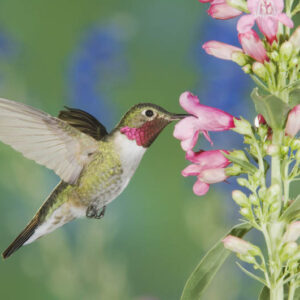
Hot, humid summers create a different challenge. Warm nights, frequent rainfall, and prolonged leaf moisture can contribute to disease problems, while dryland plants adapted to arid climates may struggle in heavy or poorly drained soils.
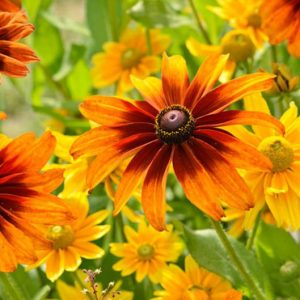
Golden flowers with dark central cones make this a standout for hot summer borders. Reliable perennial selections of Rudbeckia fulgida generally tolerate humid conditions well, particularly with good air circulation and adequate moisture. Choose it over the often short-lived Rudbeckia hirta when long-term persistence is a priority.
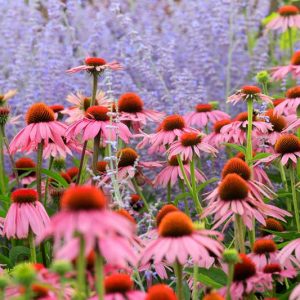
One of the most recognizable summer perennials, Echinacea combines colorful flowers with excellent wildlife value. Established plants tolerate heat and some drought, but severe water shortages can reduce flower production. Straight species plants and well-established cultivars may prove more persistent than certain heavily bred hybrids.
Fine-textured foliage and cheerful yellow flowers make threadleaf coreopsis particularly useful near the front of a sunny border. Cultivars such as ‘Moonbeam’ can provide an extended display in suitable conditions, although persistence varies with climate and winter drainage.
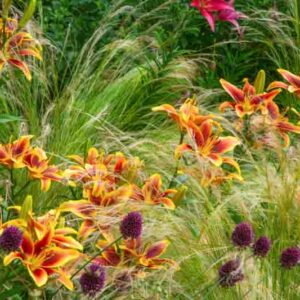
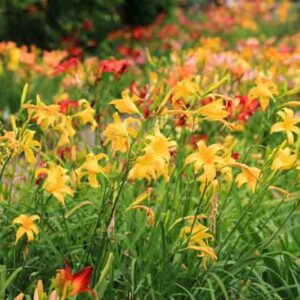
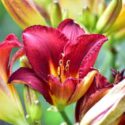
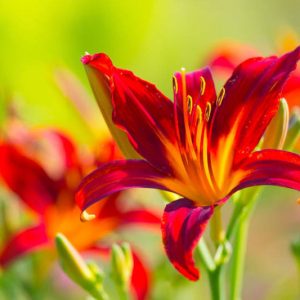
Daylilies are famous for their adaptability, but vigorous foliage doesn’t guarantee perfect flowers during extreme heat. Some dark red and purple cultivars can show heat-related flower damage, while lighter-colored selections often look better in exposed positions. Adequate moisture improves bud production and flowering.
For cultivar-specific guidance, see Gardenia’s guide to daylilies for full sun and hot summers.
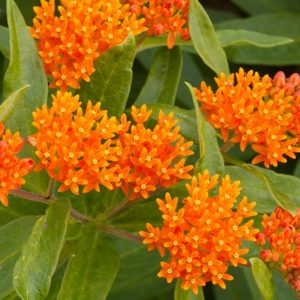
This brilliant orange-flowered native perennial is particularly valuable in sunny, well-drained gardens within its native range. Established plants tolerate considerable heat and dryness, while their foliage provides food for monarch butterfly caterpillars. Its deep taproot makes mature plants difficult to transplant.
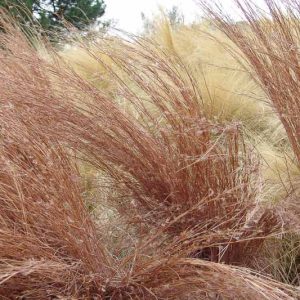
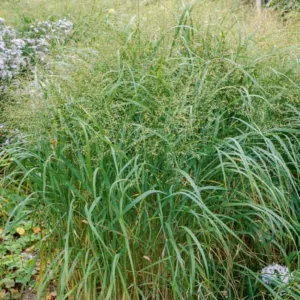
Schizachyrium scoparium (little bluestem) and suitable Panicum virgatum (switchgrass) cultivars bring texture, movement, and late-season interest. Little bluestem generally favors leaner, well-drained ground, while switchgrass includes selections adapted to heavier and more moisture-retentive soils.


For hot, humid gardens, Heliopsis helianthoides (False Sunflower) is a reliable choice, producing cheerful golden-yellow flowers throughout summer. It tolerates heat, clay soil, and occasional drought, although flowering benefits from moisture during prolonged dry spells.
Monarda didyma (Bee Balm) also thrives in sunny, humid climates when the soil remains consistently moist. Choose mildew-resistant cultivars such as ‘Jacob Cline’ or ‘Gardenview Scarlet’ and provide good air circulation. For a spectacular display in sunny, moist borders,
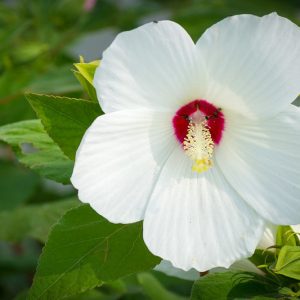
Hibiscus moscheutos (Hardy Hibiscus) produces enormous flowers from midsummer into early fall. Unlike Russian sage or lavender, both Monarda and hardy Hibiscus require more consistent moisture.


Before planting your hottest garden spot, look beyond the amount of sunshine. Reflected heat, drainage, and root competition often determine whether a perennial thrives.
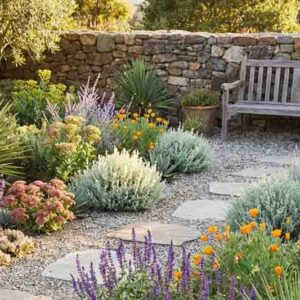
Try Russian sage, yarrow, suitable salvias, and drought-adapted penstemons where soil drains freely. Avoid trapping crowns between paving and compacted ground. Organic mulch may moderate soil temperature, while gravel can increase surface heating in some situations.
Choose perennials capable of handling prolonged afternoon exposure, such as autumn sage in suitably warm climates or Russian sage where winter hardiness permits. Leave space for air circulation and mature spread. If reflected heat is extreme, increasing planting-bed width can make as much difference as plant choice.
Daylilies, suitable rudbeckias, and certain switchgrasses are generally better starting points than lavender or dryland agastaches. Clay soil can support vigorous plants when drainage is adequate, but persistent waterlogging requires different selections or a suitably designed raised bed.
Compact salvias, gaillardias, and selected succulent perennials can work in containers, but pots heat and dry much faster than garden soil. Larger, insulated or light-colored containers may reduce root stress. Even drought-tolerant plants require careful watering in exposed pots.
When afternoon shade is the better solution
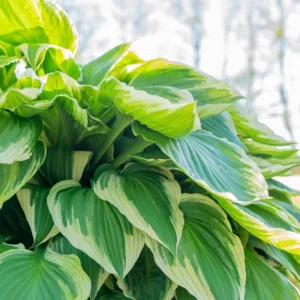
Not every perennial should be forced to tolerate a west-facing garden. Astilbes, many hostas, cool-summer delphiniums, and some dark-flowered daylilies may perform better with afternoon protection. If a favorite plant repeatedly scorches despite suitable watering, relocating it may be wiser than increasing irrigation indefinitely.
Even established heat-loving plants can show stress during unusually hot weather. The key is distinguishing temporary afternoon wilting from a more serious problem involving roots, drainage, or prolonged drought.
| What you see | Possible cause | Check first |
|---|---|---|
| Wilts in afternoon, recovers overnight | Temporary heat or water-demand stress | Soil moisture and morning recovery |
| Still wilted in the morning | Drought or impaired roots | Root-zone moisture and drainage |
| Brown or scorched leaf edges | Heat, drought, salts, or root stress | Exposure and irrigation |
| Healthy foliage, fewer flowers | Heat-related flowering slowdown | Bud development and water availability |
| Yellowing foliage with wet soil | Poor drainage or root damage | Standing moisture and root health |
Afternoon wilting doesn’t always mean you should water immediately. Plants may temporarily lose turgor when water demand exceeds uptake, even while the soil remains moist. Check below the soil surface before irrigating.
Persistent wilting, progressive browning, or declining growth deserves closer attention. Drought, saturated soil, root disease, and heat stress can produce overlapping symptoms.
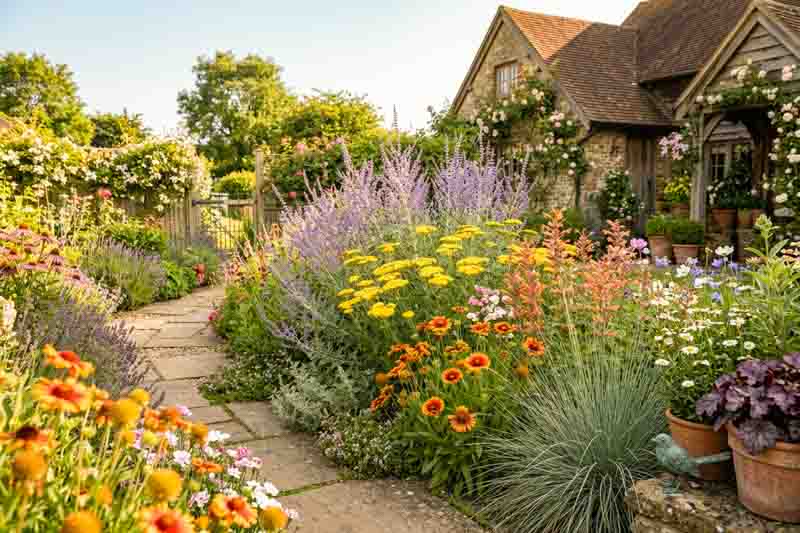
A heat-tolerant garden doesn’t need to look sparse. With the right plants, you can create a generous, colorful border filled with flowers, movement, and pollinator activity.
For a sunny, well-drained border in a temperate, relatively dry-summer climate, consider these five complementary plants:
Planting arrangement: Position Russian sage and little bluestem toward the back, repeat yarrow in the middle, and use blanket flowers near the front. Weave agastache between groups to introduce height, fragrance, and a softer flower shape.
The combination provides varied textures and summer-to-autumn interest without relying on a single flowering period. All five favor sunny sites and generally good drainage, but their precise moisture requirements, mature dimensions, and regional suitability still need checking.
For a hot, humid garden with heavier soil, consider an alternative palette of Rudbeckia fulgida, Echinacea purpurea, Coreopsis verticillata, daylilies, and suitable switchgrass cultivars. Provide sufficient moisture during active growth and flowering.
Plant during mild weather. Spring and early fall are often preferable to midsummer, giving roots time to establish before extreme temperatures arrive.
Water the root zone, not the calendar. Newly planted perennials require regular moisture, even if they will eventually tolerate drought. Once established, adjust irrigation according to soil conditions, rainfall, and plant needs rather than following one schedule for the entire border.
Protect the soil. Appropriate organic mulch can moderate soil temperatures and reduce evaporation. Keep it away from crowns and stems. Gravel mulch may suit some xeric plants, but it can also increase reflected and surface heat.
Avoid unnecessary fertilizer and severe pruning during heat waves. Excess nitrogen encourages soft growth, while heavy pruning can expose previously shaded stems and crowns to intense sunlight.
Accept natural flowering pauses. Some salvias and other perennials reduce flowering during exceptional heat and resume when conditions improve. Healthy foliage and strong recovery are often better indicators of suitability than uninterrupted bloom.
And remember that no plant is truly maintenance-free during establishment. The toughest perennial is one with healthy roots, suitable drainage, and enough moisture to support normal growth.
Russian sage, yarrow, suitable agastaches, autumn sage, butterfly weed, coneflowers, and perennial rudbeckias are excellent starting points. Dry-heat specialists need different growing conditions from plants adapted to humid summers. Match selections to your hardiness, soil drainage, and available moisture.
Russian sage, blanket flowers, suitable agastaches, and certain salvias can maintain attractive summer displays in favorable conditions. However, extreme heat or drought may slow flowering even in resilient plants. Strong growth and recovery are more reliable indicators than expecting continuous bloom.
Established Russian sage, yarrow, butterfly weed, selected penstemons, drought-adapted agastaches, and upright stonecrops tolerate dry conditions in suitable soils. Most require good drainage and careful watering during establishment. Tolerance varies by species and climate.
Rudbeckia fulgida, Echinacea purpurea, daylilies, Coreopsis verticillata, and suitable native prairie grasses are useful choices. Moisture-loving heat-tolerant plants such as Monarda and hardy Hibiscus can also perform well where adequate water is available.
Afternoon wilting can occur when heat and water demand temporarily exceed a plant’s ability to replace lost moisture. Check soil moisture and whether the plant recovers overnight. Persistent wilting may indicate drought, saturated soil, root damage, or disease.
Not necessarily. Watering needs depend on species, soil texture, drainage, plant age, and weather. Check moisture within the root zone and water thoroughly when necessary. Newly planted perennials and container plants usually require more frequent attention than established garden plants.
Updated and reviewed by Gardenia: October 2026
| Plant Type | Perennials |
|---|---|
| Genus | Achillea, Agastache, Asclepias, Coreopsis, Echinacea, Eryngium, Gaillardia, Heliopsis, Hemerocallis, Hibiscus, Monarda, Panicum, Penstemon, Rudbeckia, Salvia, Schizachyrium |
| Exposure | Full Sun |
Create a membership account to save your garden designs and to view them on any device.
Becoming a contributing member of Gardenia is easy and can be done in just a few minutes. If you provide us with your name, email address and the payment of a modest $25 annual membership fee, you will become a full member, enabling you to design and save up to 25 of your garden design ideas.
Join now and start creating your dream garden!