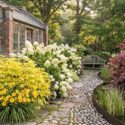
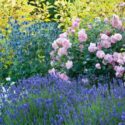
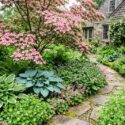
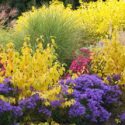
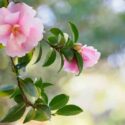
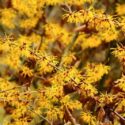
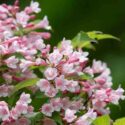
Discover 25 spectacular full-sun shrubs for USDA Zone 4, from fragrant lilacs and flowering hydrangeas to colorful ninebarks and rugged evergreens. Find plants that survive harsh winters, bloom reliably, attract wildlife, and provide year-round interest. Compare sizes, soil needs, and seasonal highlights to create beautiful cold-climate gardens with confidence.


Zone 4 winters can be brutal, with temperatures falling to -30°F (-34°C). Yet a sunny northern garden can still burst with fragrant lilacs, flowering hydrangeas, richly colored foliage, and evergreens that look beautiful beneath the snow.
The secret is choosing shrubs that do more than survive the cold. A windswept Montana hillside, a dry Minnesota front yard, and a moist Wisconsin border may all be in Zone 4, but they need different plants. Winter hardiness, flower-bud survival, drainage, and mature size all matter.
Here are 25 of the best full-sun shrubs for USDA Zone 4, including reliable flowering favorites, North American natives, drought-tolerant choices, hedges, and winter-interest plants. You’ll also find practical comparisons and Gardenia’s Winter Reliability Check to help you choose shrubs that perform beautifully year after year.
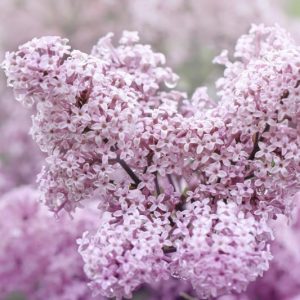
After months of snow and bare branches, spring flowers feel especially rewarding. Northern Gold forsythia opens with brilliant yellow blossoms, while dwarf Korean lilac perfumes the air. Nanking cherry follows with delicate flowers and edible summer fruit.
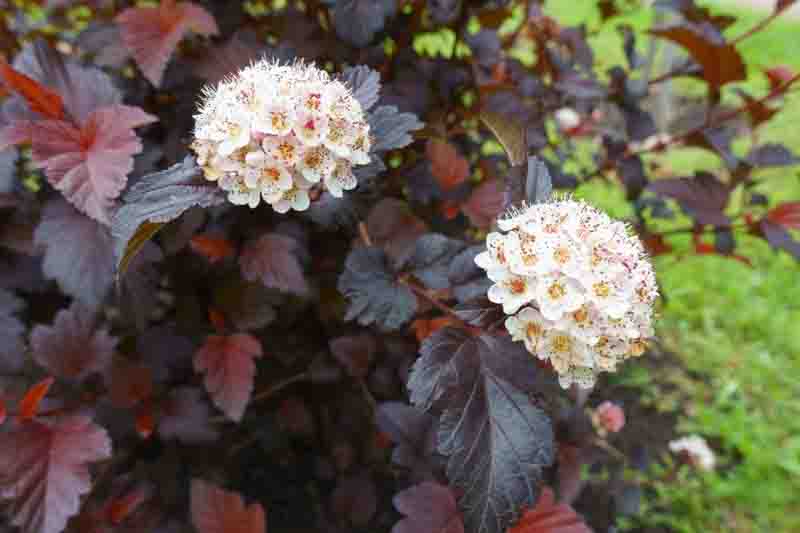
For foliage color, Diabolo ninebark creates a dramatic burgundy backdrop, while ‘Tor Gold’ birchleaf spirea brings golden leaves, white late-spring flowers, and glowing autumn color. These five offer very different effects, from compact foundation plantings to substantial mixed hedges.
| Hardiness |
4 |
|---|---|
| Plant Type | Shrubs |
| Genus | Amelanchier, Aronia, Cornus, Forsythia, Hydrangea, Juniperus, Potentilla, Rhus, Sambucus, Spiraea, Syringa, Viburnum, Weigela |
| Exposure | Full Sun |




Cold-climate flowering tip: A shrub can survive winter yet lose its flower buds. Northern Gold forsythia was selected for improved cold hardiness, including its flower buds. Plant spring-flowering shrubs in full sun and avoid pruning them before they bloom.
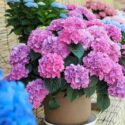
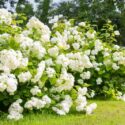
For color after the spring display, hardy hydrangeas are hard to beat. Limelight and Little Lime produce large flower panicles on new growth, making them dependable choices where winter damages older branches. ‘Annabelle’ smooth hydrangea also flowers on new wood, although it needs consistent moisture and may develop floppy stems.
Wine & Roses weigela adds pink late-spring to early-summer flowers against deep purple foliage. Goldfinger cinquefoil, meanwhile, produces cheerful yellow blooms across much of the growing season and is particularly useful for sunny, lower-maintenance borders.




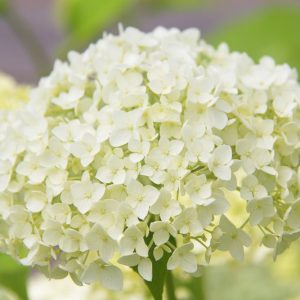
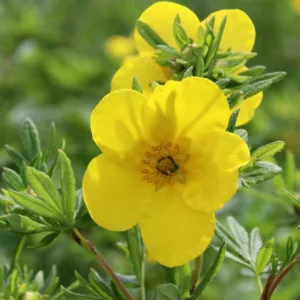
Want dependable summer flowers? Prioritize panicle hydrangeas, smooth hydrangeas, and shrubby cinquefoil. They are generally less dependent on overwintered flower buds than lilacs, forsythias, or weigelas. Remember that hydrangeas need more summer moisture than cinquefoil.
North American native shrubs bring natural beauty and important wildlife value to sunny gardens. Black chokeberry produces dark fruit and striking red fall foliage. Saskatoon serviceberry offers spring flowers, edible berries, and brilliant autumn color, while American cranberrybush displays ornamental red fruit.
Northern bush honeysuckle forms a useful low-growing colony on slopes, and American elderberry attracts pollinators with its broad summer flower clusters. Give these shrubs the space and moisture they need, especially the larger elderberry and cranberrybush.
Regional note: These species are native to different parts of North America. Their suitability for a local native planting depends on their natural ranges, not simply USDA Zone 4 hardiness.
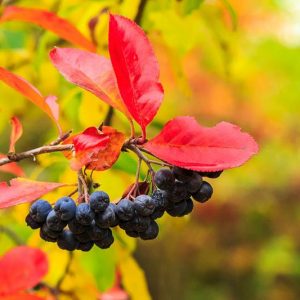


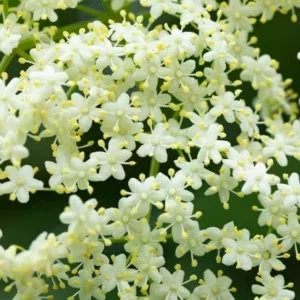
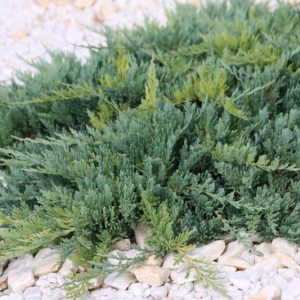
Exposed slopes and dry, freely draining soils call for especially resilient shrubs. Blue Chip creeping juniper forms a low blue-green carpet, while Mops mugo pine brings dense, rounded evergreen structure. Both dislike persistently wet soil.
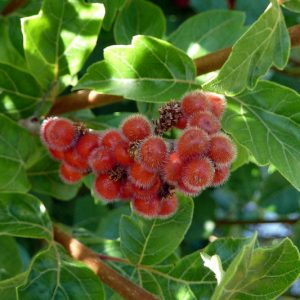
Fragrant sumac (Rhus aromatica) is a tough, spreading native shrub, valued for erosion control and vibrant autumn foliage. Allow room for its broad, suckering growth. Alpine currant makes a reliable deciduous hedge, while Blue Arrow Rocky Mountain juniper provides a striking, exceptionally narrow column of blue-green foliage, ideal for sunny gardens where space is limited.



A northern garden should still look beautiful in January. Dwarf Alberta spruce provides an elegant evergreen silhouette, while red osier dogwood and ‘Sibirica’ dogwood brighten snowy borders with vivid red stems.
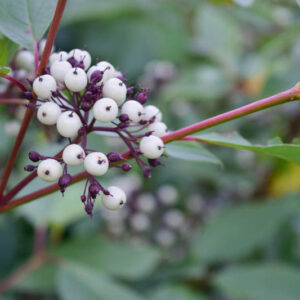
Winter Red winterberry produces scarlet berries on bare branches, and common snowberry offers distinctive white fruit. Both are deciduous. For the best effect, place winter-interest shrubs where they can be admired from a window or pathway.




Don’t forget winterberry pollination: ‘Winter Red’ is female and requires a compatible late-flowering male winterberry, such as ‘Southern Gentleman’ or ‘Apollo’, nearby to produce its spectacular red berries. Plant it in acidic, moisture-retentive soil for the best results.
Need a compact shrub, colorful hedge, or year-round evergreen? This comparison shows approximate mature heights and the features that matter most when choosing plants for cold-climate gardens.
| Shrub | Approx. Height | Main Appeal | Keep in Mind |
|---|---|---|---|
| Northern Gold Forsythia | 6-8 ft. | Early yellow flowers | Prune after bloom |
| Palibin Lilac | 4-5 ft. | Fragrant spring flowers | Allow good airflow |
| Nanking Cherry | 6-10 ft. | Spring flowers, edible fruit | Multiple plants improve fruiting |
| Diabolo Ninebark | 4-8 ft. | Burgundy foliage, bark | Needs room to arch |
| Tor Gold Birchleaf Spirea | 3-4 ft. | Golden leaves, white flowers | Well-drained soil |
| Wine & Roses Weigela | 4-5 ft. | Pink blooms, dark foliage | Flower buds can suffer winter damage |
| Limelight Hydrangea | 6-8 ft. | Large summer flower panicles | Water in drought |
| Little Lime Hydrangea | 3-5 ft. | Compact summer flowers | Moisture improves performance |
| Annabelle Hydrangea | 3-5 ft. | White summer flowerheads | May flop; keep roots moist |
| Goldfinger Cinquefoil | 2-3 ft. | Long yellow flowering season | Good drainage |
| Black Chokeberry | 3-6 ft. | Fruit, brilliant fall leaves | May sucker |
| Saskatoon Serviceberry | 10-15 ft. | Spring flowers, edible fruit | Large shrub or small tree |
| American Cranberrybush | 8-12 ft. | Flowers, red berries | Moisture and space |
| Northern Bush Honeysuckle | 2-3 ft. | Pollinators, slope coverage | May form colonies |
| American Elderberry | 5-12 ft. | Flowers, berries, birds | Needs moisture and room |
| Blue Chip Juniper | Under 1 ft. | Blue evergreen groundcover | Wide spread; avoid wet soil |
| Mops Mugo Pine | 3-4 ft. | Rounded evergreen structure | Needs drainage |
| Fragrant Sumac | 2-6 ft. | Erosion control, autumn color | Spreads 6-10 ft.; may sucker |
| Alpine Currant | 3-6 ft. | Deciduous clipped hedge | No winter screening |
| Blue Arrow Juniper | 10-15 ft. | Narrow blue evergreen accent | Only 1-2 ft. wide; good drainage |
| Dwarf Alberta Spruce | 10-13 ft. eventually | Evergreen conical form | Spider mites; winter burn |
| Winter Red Winterberry | 6-8 ft. | Bright red winter fruit | Late-blooming male required |
| Red Osier Dogwood | 6-9 ft. | Red winter stems | Moisture; spreading habit |
| Sibirica Dogwood | 4-7 ft. | Vivid red winter stems | Renew older stems |
| Common Snowberry | 3-6 ft. | White berries, wildlife | Suckers; fruit not edible |
USDA Zone 4 has average annual extreme minimum winter temperatures of -30°F to -20°F (-34.4°C to -28.9°C). Zone 4a is colder, ranging from -30°F to -25°F, while Zone 4b ranges from -25°F to -20°F. These figures describe winter cold, not summer rainfall, soil conditions, or the severity of individual storms.
Winter survival is only part of the story. Spring-flowering shrubs may lose their flower buds to extreme cold even when their stems and roots remain healthy. Meanwhile, evergreen needles can turn brown during sunny, windy weather when frozen soil prevents roots from replacing lost moisture.
Snow cover may protect low branches, but heavy snow can damage narrow evergreens. On exposed properties, choose well-adapted shrubs and pay particular attention to drainage, wind, and winter sun.
Zone 4a planting tip: In very exposed gardens, a shrub also rated hardy to Zone 3 offers an additional margin of winter cold tolerance. It still needs suitable soil, moisture, and drainage.
Many shrubs are labeled hardy to Zone 4, but that doesn’t mean they’ll perform equally well. Gardenia recommends checking four factors before planting: winter survival, flowering reliability, site resilience, and winter appearance.
Check the hardiness of the exact species or cultivar, particularly in Zone 4a. A shrub rated for Zone 3 provides extra cold tolerance, but poorly drained soil or exposed roots can still cause losses.
Lilacs, forsythias, and weigelas produce many of their flowers from buds formed the previous season. Severe cold or untimely pruning can reduce bloom. Panicle and smooth hydrangeas flower on new growth, often making summer displays more dependable.
Junipers, mugo pine, and established fragrant sumac suit freely draining sites. Winterberry, red osier dogwood, and elderberry prefer more moisture. Strong wind, salt exposure, and snow accumulation may also influence your choice.
Choose conifers for evergreen structure, red-stemmed dogwoods for winter color, and winterberry for persistent fruit. Deciduous hedges may offer summer privacy but become transparent in winter.
Gardenia’s key distinction: A hardy shrub is not necessarily a reliable flowering shrub. When dependable blooms matter, compare both the winter survival of the plant and the cold tolerance of its flower buds.
| Your Garden | Better Choices | Avoid This Mistake |
|---|---|---|
| Cold, exposed sunny border | Goldfinger cinquefoil, ninebark, northern bush honeysuckle | Ignoring wind exposure |
| Small sunny front garden | Little Lime, Goldfinger, Mops mugo pine | Underestimating mature width |
| Dry, rocky slope | Blue Chip juniper, fragrant sumac, Mops pine | Underestimating spreading shrubs |
| Moist sunny border | Winterberry, red osier dogwood, elderberry | Using drought-site conifers |
| Summer flowers after harsh winters | Limelight, Little Lime, Goldfinger | Relying only on old-wood bloomers |
| Wildlife-friendly mixed hedge | Chokeberry, serviceberry, American cranberrybush | Ignoring mature size and native range |
| Winter color against snow | Sibirica dogwood, Winter Red, dwarf Alberta spruce | Forgetting berry pollination |
Start with the row that matches your garden, then check each plant’s mature size, soil requirements, and hardiness. A well-matched shrub can save years of unnecessary pruning, watering, or replacement.
Find Cold-Hardy Shrubs Matched to Your Garden
Use Gardenia’s Plant Finder to filter by USDA hardiness, sun, climate, soil type, drainage, moisture, mature size, and garden purpose. Find shrubs suited to your actual conditions rather than relying on hardiness alone.
Combine shrubs with contrasting foliage, complementary flowering seasons, and compatible soil needs. These three planting ideas offer color and structure beyond the short northern summer.
Combine: Dwarf Korean lilac, Wine & Roses weigela, Little Lime hydrangea, and Goldfinger cinquefoil.
Fragrant lilac flowers open the season, followed by pink weigela blossoms against deep-purple foliage. Little Lime carries the display into autumn, while low-growing cinquefoil provides cheerful yellow blooms across summer.
Best conditions: Full sun, well-drained, reasonably fertile soil, and regular watering while establishing. Give hydrangea extra moisture during drought.
Combine: Black chokeberry, Saskatoon serviceberry, northern bush honeysuckle, and regionally native prairie grasses.
Serviceberry flowers welcome spring, bush honeysuckle attracts pollinators, and chokeberry delivers glossy fruit and spectacular fall color. Grasses bring movement and attractive winter texture.
Best conditions: Full sun, moderate moisture, and enough space for mature shrubs. Check local native ranges before planting.
Combine: Dwarf Alberta spruce, Sibirica dogwood, Winter Red winterberry, and Blue Chip juniper.
Spruce provides a green silhouette, dogwood offers scarlet stems, winterberry glows with red fruit, and creeping juniper brings a blue-green carpet.
Best conditions: Full sun with separate moisture zones. Give winterberry acidic, moisture-retentive soil and a compatible male pollinator such as ‘Southern Gentleman’ or ‘Apollo’. Place juniper in a freely draining area.
Design tip: Plants that look beautiful together don’t always belong in the same irrigation zone. Match drainage and moisture needs before choosing their exact positions.
Discover More Cold-Climate Garden Ideas
Explore Gardenia’s USDA Zone 4 garden ideas for colorful borders, wildlife-friendly combinations, and planting inspiration suited to northern gardens.
Spring is generally reliable because shrubs have a full growing season to establish roots. Early autumn can also work for hardy deciduous shrubs, provided planting occurs well before the ground freezes.
Junipers, mugo pines, and other dry-site evergreens dislike saturated soil. Winterberry and red osier dogwood tolerate substantially more moisture. Don’t group them together simply because they share the same hardiness zone.
Water new shrubs regularly through their first growing seasons. Apply 2-3 inches of organic mulch, keeping it clear of stems. Established cinquefoil and fragrant sumac need less irrigation than moisture-loving hydrangeas and winterberry.
Prune lilacs, forsythias, and weigelas shortly after flowering. Panicle and smooth hydrangeas can be pruned in late winter or early spring because they bloom on new growth. Thin older dogwood stems periodically to encourage brightly colored young shoots.
Cold-hardy evergreens may still suffer from drying winter winds and sun. Water adequately before the ground freezes, avoid excessive late-season fertilizer, and select sheltered positions for plants vulnerable to winter desiccation.
Shrubby cinquefoil, panicle hydrangeas, ninebark, dwarf Korean lilac, birchleaf spirea, mugo pine, and hardy junipers are excellent choices. Match winter hardiness with soil, moisture, and mature size.
Northern Gold forsythia, dwarf Korean lilac, hardy weigela, panicle hydrangea, smooth hydrangea, and cinquefoil are good choices. Flower-bud damage can reduce blooms on shrubs that flower on older wood.
Shrubby cinquefoil is especially valuable for its long flowering season. Panicle hydrangeas also provide showy summer flowers, often remaining attractive into autumn. Flowering duration depends on local conditions.
Mops mugo pine, Blue Chip creeping juniper, Blue Arrow, and dwarf Alberta spruce provide evergreen structure. Check mature dimensions, drainage, wind exposure, and winter drying risk.
Established cinquefoil, creeping juniper, mugo pine, fragrant sumac, and northern bush honeysuckle tolerate relatively dry conditions. Water regularly while they establish, and ensure suitable drainage.
Ninebark, alpine currant, hardy lilacs, and larger native shrubs can provide deciduous screening. Narrow upright junipers offer evergreen accents, although exposed winter sites may require extra care.
Yes. Limelight and Little Lime panicle hydrangeas and Annabelle smooth hydrangea are hardy choices. They bloom on new growth, but still need suitable summer moisture.
Black chokeberry, Saskatoon serviceberry, northern bush honeysuckle, and American cranberrybush are good candidates where regionally native. Check their natural ranges and soil needs.
Spring is generally a reliable choice because roots have the growing season to establish. Early autumn also works for many hardy shrubs if planting occurs well before the ground freezes.
Winter cold may damage flower buds even when the shrub survives. Late frost, incorrect pruning, drought, and insufficient sunlight can also reduce flowering. New-wood bloomers such as panicle hydrangeas often provide more reliable summer flowers.
A cold climate doesn’t have to mean a short season of beauty. Fragrant spring flowers, colorful summer borders, brilliant autumn foliage, and striking evergreens can give a sunny Zone 4 garden interest throughout the year.
Choose shrubs for both winter reliability and their everyday growing needs. Give them enough room, group plants with similar watering requirements, and combine several seasons of interest for a garden that becomes more rewarding with age.
Turn Your Favorite Cold-Hardy Shrubs Into a Garden Plan
Use Gardenia’s Garden Design Tool to save shrubs, check compatibility with your growing conditions, compare mature sizes and seasonal interest, estimate planting quantities, and create a shopping list.
Start free with up to five plants and refine your choices before visiting the nursery.
Updated and reviewed by Gardenia: October 2026
| Hardiness |
4 |
|---|---|
| Plant Type | Shrubs |
| Genus | Amelanchier, Aronia, Cornus, Forsythia, Hydrangea, Juniperus, Potentilla, Rhus, Sambucus, Spiraea, Syringa, Viburnum, Weigela |
| Exposure | Full Sun |
Create a membership account to save your garden designs and to view them on any device.
Becoming a contributing member of Gardenia is easy and can be done in just a few minutes. If you provide us with your name, email address and the payment of a modest $25 annual membership fee, you will become a full member, enabling you to design and save up to 25 of your garden design ideas.
Join now and start creating your dream garden!