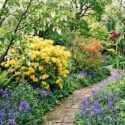
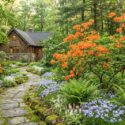
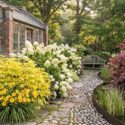
Transform warm, shady corners into beautiful gardens with 25 shrubs for USDA Zone 9. Discover flowering camellias, fragrant gardenias, lush evergreens, native wildlife favorites, and drought-tolerant woodland plants. Compare shade tolerance, climate suitability, and soil moisture to create inviting borders, foundation plantings, and layered gardens with year-round interest.
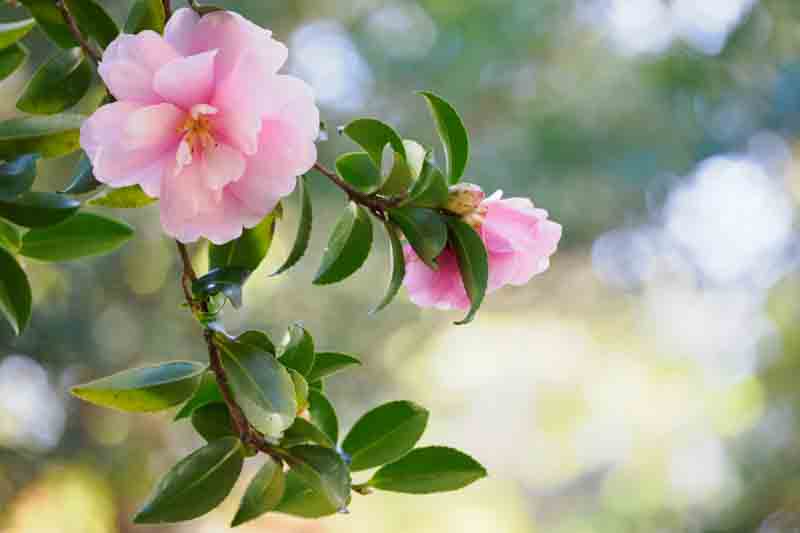


Shade can be a welcome escape from Zone 9’s summer heat, but it doesn’t have to mean a garden without flowers. Camellias brighten winter and spring, hydrangeas bring summer color, and evergreens such as aucuba and Holly Osmanthus provide structure throughout the year.
The challenge is choosing plants for your particular conditions. Dry shade beneath a California oak has little in common with a moist Florida woodland, even though both gardens may be in USDA Zone 9.
Discover 25 of the best shade shrubs for USDA Zone 9, from fragrant flowering favorites to native woodland plants and dry-shade evergreens. Compare their light requirements, climate preferences, and landscape uses to find shrubs that will thrive in your garden.
For colorful blooms and fragrance, choose bright filtered shade or a position with gentle morning sunshine. Most flowering shrubs bloom less freely in deep shade.
| Hardiness |
9 |
|---|---|
| Plant Type | Shrubs |
| Genus | Callicarpa, Camellia, Hydrangea, Ilex, Illicium, Rhododendron, Sarcococca |
| Exposure | Partial Sun, Shade |
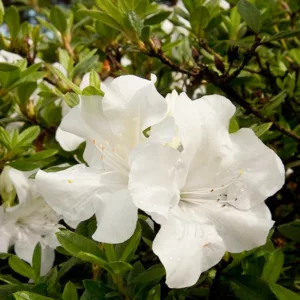


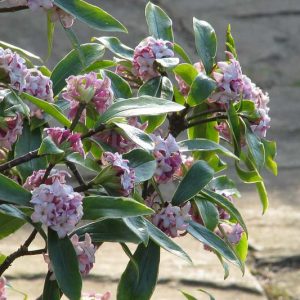
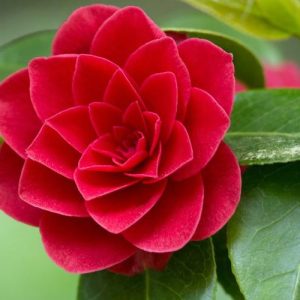
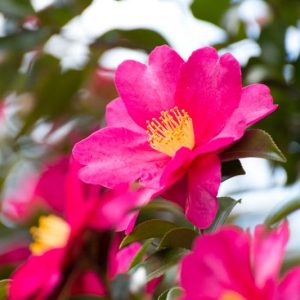
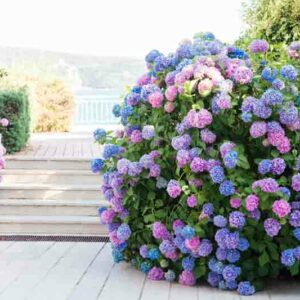
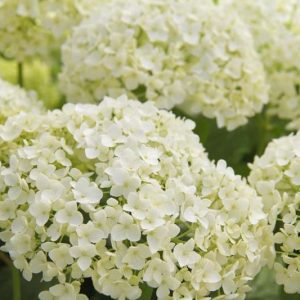
These shrubs bring summer flowers to sheltered borders with reliable moisture. They’re particularly rewarding in humid gardens or irrigated beds, but poor choices for unirrigated shade beneath thirsty trees.
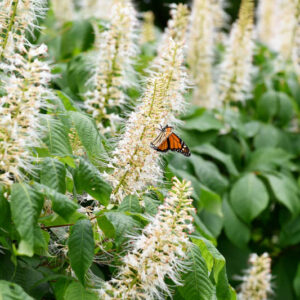
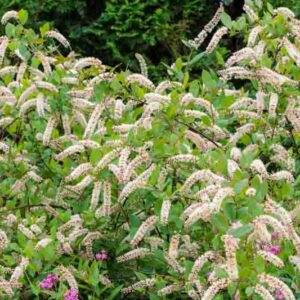
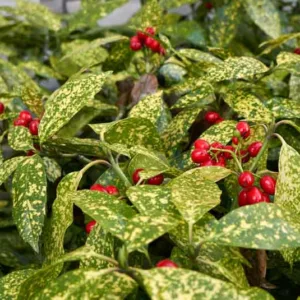
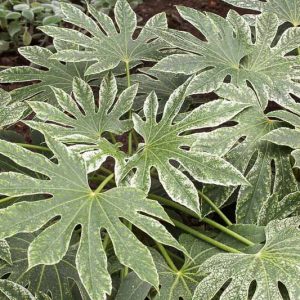
When light is limited, foliage often matters more than flowers. These evergreens offer contrasting textures, bold leaves, and lasting structure. Choose cultivars that suit the available space, since some become large shrubs.
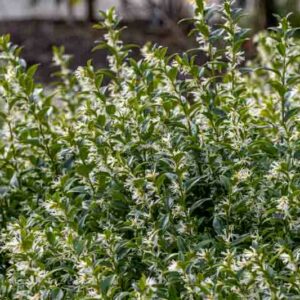

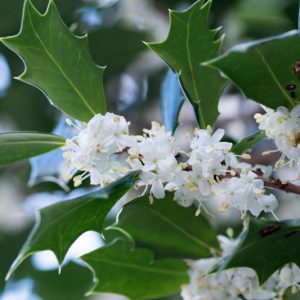
These shrubs provide flowers, berries, evergreen cover, and wildlife value in suitable southeastern gardens. Native ranges vary, so check that each species belongs in your region rather than relying on USDA hardiness alone.


Tree roots often make shaded soil surprisingly dry. Catalina currant is an excellent spreading groundcover for suitable California gardens, while coffeeberry grows more densely with brighter light. Pittosporum and podocarpus offer evergreen structure in appropriate sheltered settings; Cascade mahonia prefers cooler western woodland conditions.
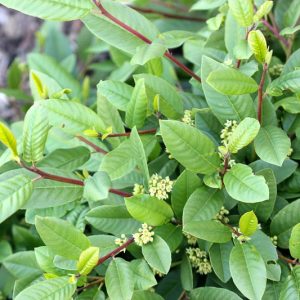
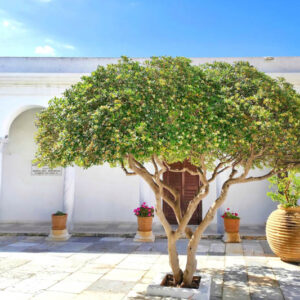
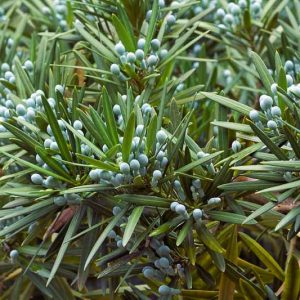

Some shrubs need morning sunshine to flower, while others remain attractive in deeper shade. Use this quick comparison to choose plants for the conditions you have.
| Shrub | Best Light | Best For | Keep in Mind |
|---|---|---|---|
| Japanese Camellia | Bright filtered shade | Winter-spring flowers | Acidic soil, steady moisture |
| Sasanqua Camellia | Morning sun, light shade | Autumn-winter flowers | Fewer blooms in deep shade |
| Encore Autumn Ivory Azalea | Bright partial shade | White flowers, repeat bloom | Needs light and acidic soil |
| Cape Jasmine | Morning sun, bright shade | Fragrant white flowers | Acidic soil, regular moisture |
| Variegated Winter Daphne | Bright partial shade | Fragrant winter-spring flowers | Excellent drainage; highly toxic |
| Bigleaf Hydrangea | Morning sun, afternoon shade | Large summer flowers | Requires moisture |
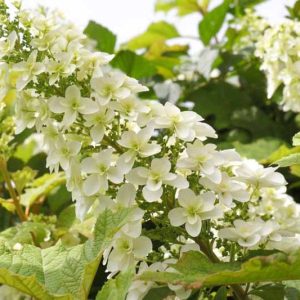
| Oakleaf Hydrangea | Dappled shade | Flowers, fall foliage | Needs space, avoid drought |
| Smooth Hydrangea | Partial shade | Summer flowers | Protect roots from drying |
| Summersweet | Bright partial shade | Fragrant summer flowers | Moist acidic soil |
| Virginia Sweetspire | Partial, dappled shade | Flowers, fall color | May sucker; more light for color |
| Japanese Aucuba | Partial to full shade | Variegated evergreen leaves | Avoid hot afternoon sun |
| Japanese Aralia | Partial to full shade | Bold tropical foliage | Protect from hard freezes |
| Holly Osmanthus | Partial shade | Evergreen hedges, fragrance, privacy | Needs room; denser with more light |
| Sweet Box | Partial to full shade | Fragrance, glossy foliage | Humus-rich, moist soil preferred |
| Yellow Anise | Partial to full shade | Woodland screening | Large; prefers moisture |
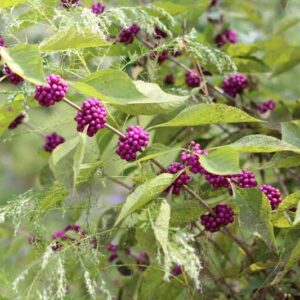
| American Beautyberry | Bright partial shade | Purple berries, birds | Less fruit in deep shade |
| Inkberry Holly | Light partial shade | Evergreen hedges | Acidic soil; thins in shade |
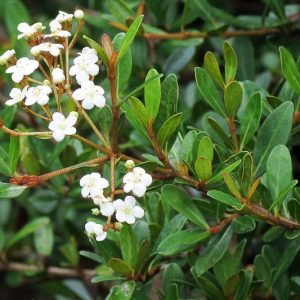
| Walter’s Viburnum | Light or partial shade | Spring flowers, wildlife | Choose size carefully |
| Florida Anise | Dappled to full shade | Native evergreen foliage | Moist acid soil; toxic |
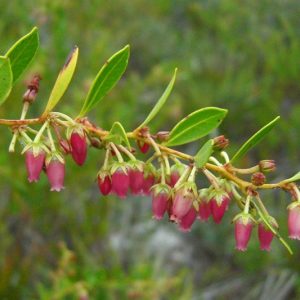
| Fetterbush | Dappled, partial shade | Woodland evergreen | Moist acidic soil |
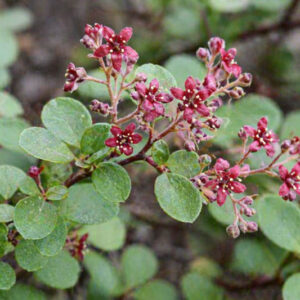
| Catalina Currant | Filtered, partial shade | California dry-shade groundcover | Spreads 4-8 ft. |
| California Coffeeberry | Light, filtered shade | Evergreen screen, wildlife | Denser in brighter light |
| Japanese Pittosporum | Light shade | Coastal hedges | Not for deep shade |
| Yew Plum Pine | Partial to fairly deep shade | Evergreen screens | Choose cultivar |
| Cascade Mahonia | Cool, filtered shade | Western woodland cover | Avoid hot desert sites |
Gardenia’s shade selection principle: Choose bright shade for abundant flowers, filtered shade for woodland planting, and foliage-focused shrubs for deeper shade. Survival in shade does not guarantee a generous floral display.
Shade ranges from bright morning light to the dim conditions beneath dense evergreens. Observe your garden in summer, when tree canopies are fullest.
Usually offering around three to six hours of direct sun, preferably in the morning, this is the best setting for many flowering shrubs. Camellias, azaleas, gardenias, and hydrangeas often flower more freely here than in deep shade.
Shifting light beneath an open tree canopy suits oakleaf hydrangea, Virginia sweetspire, Japanese camellia, and several native woodland shrubs, provided soil moisture is appropriate.
Sites receiving fewer than three hours of direct sun call for foliage-focused plants such as aucuba, fatsia, and sweet box. Very dark sites may still limit growth. Holly osmanthus is better suited to partial shade, where it can develop the dense foliage needed for screening.
Remember: Shade doesn’t always mean cool or moist. Paving can radiate heat, while established tree roots may leave the soil surprisingly dry.
USDA Zone 9 describes average annual extreme minimum winter temperatures of 20-30°F (-6.7°C to -1.1°C). Zone 9a averages 20-25°F, while Zone 9b averages 25-30°F. Hardiness alone cannot tell you whether a shrub will tolerate humid Florida summers or dry California shade.
Use these four checks before making your final selection.
Choose bright shade for flowers, filtered shade for woodland planting, and proven foliage plants for deeper shade. Encore azaleas and sasanqua camellias need more light for abundant flowering than aucuba or sweet box.
Florida anise, fetterbush, and summersweet suit appropriate humid southeastern gardens. Catalina currant and California coffeeberry are more appropriate for many dry-summer western landscapes.
Camellias, gardenias, azaleas, and many southeastern woodland shrubs favor acidic soil. Hydrangeas and summersweet need more consistent moisture than established Catalina currant. Consider tree-root competition and drainage as well as pH.
For groundcover, consider Catalina currant or suitable compact evergreens. For privacy, choose holly osmanthus, taller podocarpus cultivars, or yellow anise where conditions suit them. For fragrant flowers, plant camellia, winter daphne, or gardenia in bright shade. Always check mature width and height.
| Your Garden | Better Choices | Reconsider |
|---|---|---|
| Deep shade, evergreen foliage | Aucuba, fatsia, sweet box | Flower-heavy shrubs in low light |
| Bright shade, fragrant flowers | Gardenia, winter daphne, camellia | Dry alkaline soil |
| Moist acidic southeastern woodland | Florida anise, yellow anise, fetterbush | Exposed, drought-prone beds |
| Dry shade beneath California oaks | Catalina currant; coffeeberry in lighter shade | Heavy irrigation near mature oaks |
| Humid, summer-flowering border | Summersweet, oakleaf hydrangea, sweetspire | Very dry tree-root zones |
| Shady evergreen screen | Holly osmanthus, suitable podocarpus, yellow anise | Deep shade or dwarf varieties for tall privacy |
| Small shaded courtyard | Compact aucuba, sweet box | Large or wide-spreading shrubs |
| Cool western woodland | Cascade mahonia, regionally appropriate currants | Extreme desert heat |
Begin with the row matching your garden, then compare mature size and care requirements. The goal is to find shrubs that flourish without unnecessary watering or pruning.
Find Shade Shrubs Matched to Your Garden
Use Gardenia’s Plant Finder to refine your shortlist by hardiness, light exposure, climate, soil pH, drainage, moisture, mature size, and wildlife value.
Combine contrasting foliage and compatible water needs, repeating a few shrubs for a cohesive planting.
Combine: Japanese camellia, bigleaf hydrangea, golden-variegated aucuba, and evergreen ferns.
Glossy camellia foliage frames lush hydrangea blooms, while aucuba’s golden markings brighten the shadows. Ferns soften the border.
Best conditions: Bright filtered shade, acidic to mildly acidic soil, and reliable moisture. Ideal for humid or irrigated coastal gardens.
Combine: Catalina currant, California coffeeberry, Douglas iris, and hummingbird sage.
Catalina currant spreads beneath taller coffeeberry, while iris and aromatic hummingbird sage bring spring flowers and contrasting textures.
Best conditions: Filtered shade, well-drained soil, and Mediterranean climates. Allow room for spreading currant and avoid excessive irrigation near mature native oaks.
Combine: Florida anise, summersweet, Virginia sweetspire, and holly osmanthus.
Florida anise provides lush evergreen structure, while summersweet adds fragrant summer flowers and sweetspire contributes graceful spring blooms and autumn color. Holly osmanthus brings glossy, holly-like foliage and fragrant white flowers in autumn, extending the garden’s seasonal interest.
Best conditions: Partial or dappled shade, acidic to mildly acidic soil, and consistent moisture with good drainage. Particularly suited to warm, humid southeastern gardens. Give holly osmanthus enough light to maintain dense growth.
Explore More Zone 9 Garden Ideas
Find additional planting inspiration in Gardenia’s USDA Zone 9 garden ideas.
Autumn is often ideal in dry-summer climates, allowing roots to establish during cooler weather. Spring is safer for frost-sensitive shrubs in exposed locations.
Use smaller nursery plants beneath mature trees, avoiding damage to major roots or burying tree trunks. Apply 2-3 inches of mulch, keeping it away from stems and crowns. Consider the existing tree’s watering needs before adding thirsty shrubs.
Tree roots may dry the ground rapidly even in deep shade. Check moisture before watering. Newly planted shrubs need irrigation while establishing; mature Catalina currant generally needs less summer water than hydrangeas or summersweet.
Shape camellias and spring-blooming azaleas shortly after flowering. Bigleaf and oakleaf hydrangeas commonly form buds on older wood, so avoid indiscriminate hard pruning. Smooth hydrangea flowers on new growth and can be cut back in late winter or early spring.
Scorched foliage on aucuba, fatsia, or hydrangea often indicates excessive afternoon sun. Check soil moisture and drainage before assuming pests or disease are responsible. Wait until frost danger passes before removing potentially recoverable stems.
A common mistake: Treating every shady bed as moist. Under established trees, dry roots may be the greatest challenge. Match shrubs to both the available light and actual soil conditions.
Japanese aucuba, fatsia, sweet box, and yellow anise tolerate considerable shade when soil and climate conditions suit them. Even these plants need indirect daylight for healthy growth.
Camellias, gardenias, winter daphne, Encore azaleas, and hydrangeas provide beautiful flowers. Most bloom best with bright filtered light or gentle morning sunshine rather than deep shade.
Aucuba, fatsia, sweet box, Florida anise, and yellow anise provide evergreen structure in suitable shaded gardens. Holly osmanthus is also excellent for evergreen hedges in partial shade, where it develops denser foliage.
Catalina currant is an excellent spreading evergreen for suitable dry, filtered-shade sites. California coffeeberry also tolerates lighter shade. Both need irrigation while establishing.
Yes. Bigleaf, oakleaf, and smooth hydrangeas can thrive in partial or filtered shade with adequate moisture. In hot inland gardens, afternoon protection and irrigation are particularly important.
Florida anise, Walter’s viburnum, American beautyberry, and Virginia sweetspire suit appropriate southeastern regions. Catalina currant and California coffeeberry are useful in suitable California gardens. Always check native ranges.
Insufficient light, incorrect pruning, drought, unsuitable soil, or frost damage may reduce flowering. Many flowering shade shrubs need several hours of gentle sunlight for their best display.
Holly osmanthus, suitable podocarpus cultivars, and yellow anise can provide evergreen screening in partial shade. Check their mature dimensions and allow sufficient light for dense growth. Deep shade may produce thinner foliage.
Autumn is often best in California and other dry-summer climates. Spring is generally safer for tender shrubs in frost-prone areas. Avoid planting during extreme heat.
Many are relatively low maintenance once established. Choose shrubs that suit your light, regional climate, soil moisture, drainage, and available space, and group plants with compatible watering requirements.
A shady garden can offer fragrant flowers, colorful berries, striking leaves, and year-round greenery. The key is choosing shrubs for your actual conditions, not simply their hardiness zone.
Start with your shade level and soil moisture, select plants appropriate to your climate, and combine shrubs with similar growing needs. A thoughtful selection will give you a more beautiful garden with less unnecessary maintenance.
Turn Your Favorite Shade Shrubs Into a Garden Plan
Use Gardenia’s Garden Design Tool to save shrubs, check their compatibility with your garden conditions, compare mature sizes and seasonal interest, estimate planting quantities, and prepare a shopping list.
Start free with up to five plants and refine your choices before visiting the nursery.
Updated and reviewed by Gardenia: October 2026
| Hardiness |
9 |
|---|---|
| Plant Type | Shrubs |
| Genus | Callicarpa, Camellia, Hydrangea, Ilex, Illicium, Rhododendron, Sarcococca |
| Exposure | Partial Sun, Shade |
Create a membership account to save your garden designs and to view them on any device.
Becoming a contributing member of Gardenia is easy and can be done in just a few minutes. If you provide us with your name, email address and the payment of a modest $25 annual membership fee, you will become a full member, enabling you to design and save up to 25 of your garden design ideas.
Join now and start creating your dream garden!