What grows best with okra? Discover productive companions, from cowpeas and bush beans to basil, peppers, zinnias, and marigolds. Learn what research reveals about intercropping, which combinations risk overcrowding, and how to manage root-knot nematodes. Recreate Gardenia's original summer garden plan with practical spacing and planting quantities.
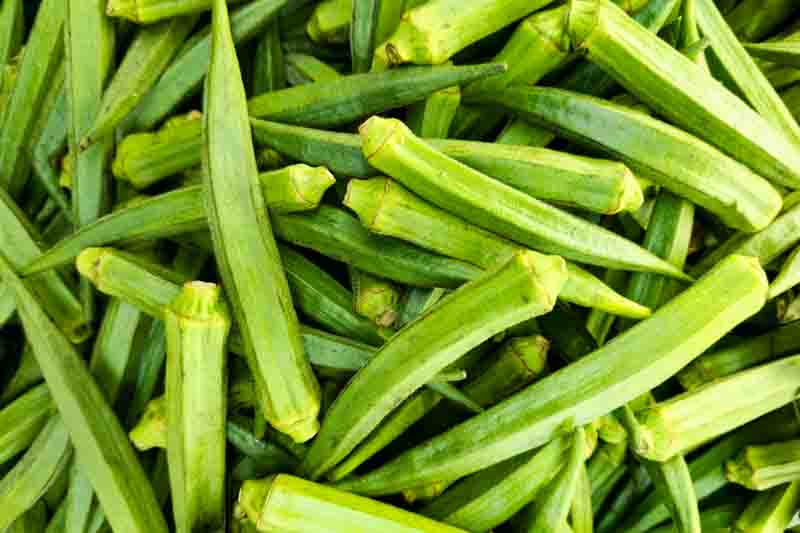


What grows best with okra? Beans, peppers, basil, and marigolds often appear on companion planting lists, while tomatoes, squash, and corn are sometimes labeled bad neighbors. But which combinations actually help, and which claims are gardening myths?
The best companion plants for okra share its love of summer heat, make efficient use of space, or support beneficial insects. Cowpeas are especially interesting because research has measured their performance alongside okra, including overall productivity and pest damage.
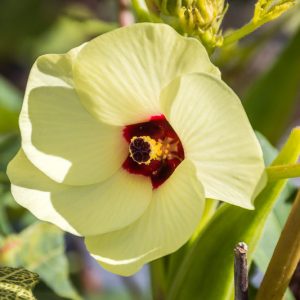
Okra (Abelmoschus esculentus), also known as lady’s fingers, is a vigorous warm-season vegetable with beautiful hibiscus-like flowers and tender edible pods. Its height, broad foliage, and susceptibility to root-knot nematodes make companion selection particularly important.
Discover the best and worst okra companion plants, what scientific research reveals, and how to recreate Gardenia’s original Summer Okra Companion Garden.
Quick Answer: Cowpeas are among the best-researched okra intercrops. Bush beans, basil, peppers, and eggplant are useful warm-season neighbors. Zinnias, cosmos, and French marigolds add flowers for visiting insects. Cucumbers and tomatoes need careful spacing, while tall corn, sunflowers, sprawling squash, and sweet potatoes generally need separate space. In gardens affected by root-knot nematodes, companion choice and crop rotation require particular care.
Gardenia’s Okra Companion Decision Matrix evaluates plants by growing compatibility, mature size, research evidence, and potential pest concerns. A good neighbor is not necessarily a proven pest repellent, while a plant best grown separately is not automatically harmful to okra.
| Companion Plant | Assessment | Main Advantage | What to Watch |
|---|---|---|---|
| Cowpeas | Research-supported | Combined land-use efficiency | Competition, nematodes |
| Bush beans | Good | Additional summer harvest | Spacing, nematodes |
| Peppers, eggplant | Good | Similar growing conditions | Shade, root competition |
| Basil | Excellent practical neighbor | Compatible warmth, culinary harvest | Needs adequate sunlight |
| Cucumbers | Conditional | Warm-season compatibility | Spreading vines |
| French marigolds | Good flowering border | Summer flowers, insect visitors | No guaranteed pest control |
| Cosmos, zinnias | Good flowering neighbors | Color, floral resources | Tall varieties need room |
| Nasturtiums | Climate-dependent | Edible flowers | Sensitive to extreme heat |
| Tomatoes | Conditional | Compatible growing season | Crowding, nematodes |
| Squash, sweet potatoes | Better separated | Additional summer crops | Extensive ground coverage |
| Corn, sunflowers | Better separated | Extra harvest or flowers | Shade, competition |
| Lettuce, cool-season greens | Best in succession | Use beds before or after okra | Different temperature needs |
Gardenia’s approach: Prioritize sunlight, water, spacing, and harvesting access. Then consider whether a companion offers another harvest, flowers for beneficial insects, or a documented intercropping benefit. Traditional claims that a plant automatically repels pests should not determine your planting plan.
Ready to plant? Jump to Gardenia’s original 12 x 8 ft Summer Okra Companion Garden, with planting quantities and a practical harvesting layout.
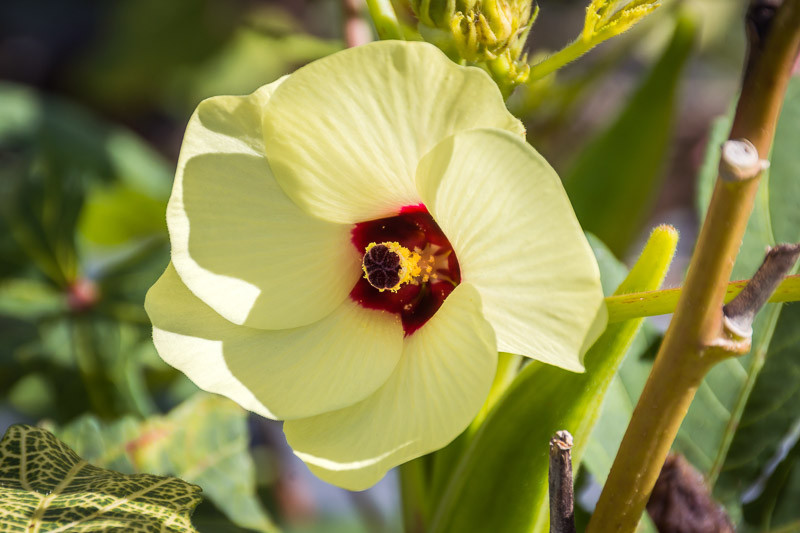
Okra thrives in summer heat, developing broad leaves, upright stems, and attractive flowers that mature into edible pods. Successful companion planting starts with matching its growing requirements.
The most useful companions fit these conditions without blocking sunlight or making the pods difficult to reach. This is particularly important because mature okra plants can become surprisingly broad.
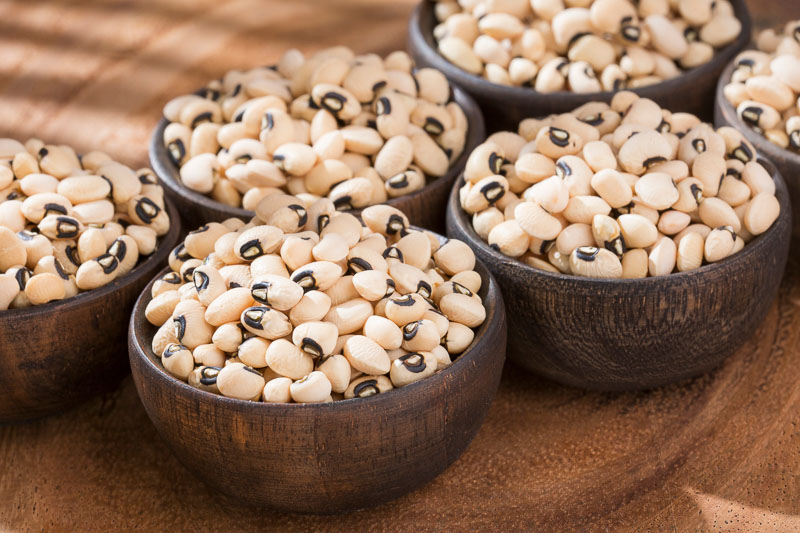
Cowpeas (Vigna unguiculata), including southern peas and black-eyed peas, are among the most promising okra companions because field trials have examined their effects on crop productivity and pest damage.
A study published in the Indian Journal of Entomology, Intercropping as Sustainable Approach Against Okra Shoot and Fruit Borer, compared okra grown alone with okra intercropped with cowpeas, maize, and sorghum.
| Measured Outcome | Okra Alone | Okra + Cowpeas (1:1) |
|---|---|---|
| Actual okra yield | 109.3 q/ha | 79.0 q/ha |
| Okra-equivalent yield | 109.3 q/ha | 111.4 q/ha |
| Land equivalent ratio | 1.00 | 1.31 |
| Okra fruit damage from Earias | 18.42% | 12.25% |
What does this mean? Growing cowpeas reduced the actual okra yield per hectare, but the combined harvest of both crops used land more efficiently. A land equivalent ratio of 1.31 indicates that approximately 31% more land would have been needed under separate monocultures to achieve comparable combined yields.
The intercrop also experienced less fruit damage from Earias shoot and fruit borers. However, these results concern a specific experimental arrangement, not guaranteed protection in every garden.
A separate 2020 study in Ghana found that introducing cowpeas two weeks after okra achieved the highest land equivalent ratio among the tested treatments, at 1.75, along with the highest gross monetary return.
These findings reinforce an important point: companion planting success depends not only on which crops grow together but also on their timing and arrangement.
Gardenia’s research interpretation: Cowpeas can improve the productivity of a combined okra-cowpea planting without increasing the okra harvest itself. Their value depends on planting density, timing, cultivar, and local growing conditions.
For home gardens: Grow compact cowpeas in a separate row, leaving enough room to harvest both crops. Cowpeas fix atmospheric nitrogen, but they do not automatically fertilize neighboring okra during the growing season.
Nematode caution: Cowpea cultivars vary in susceptibility to root-knot nematodes. Where infestations are known, select locally recommended resistant varieties rather than assuming all cowpeas improve soil health.
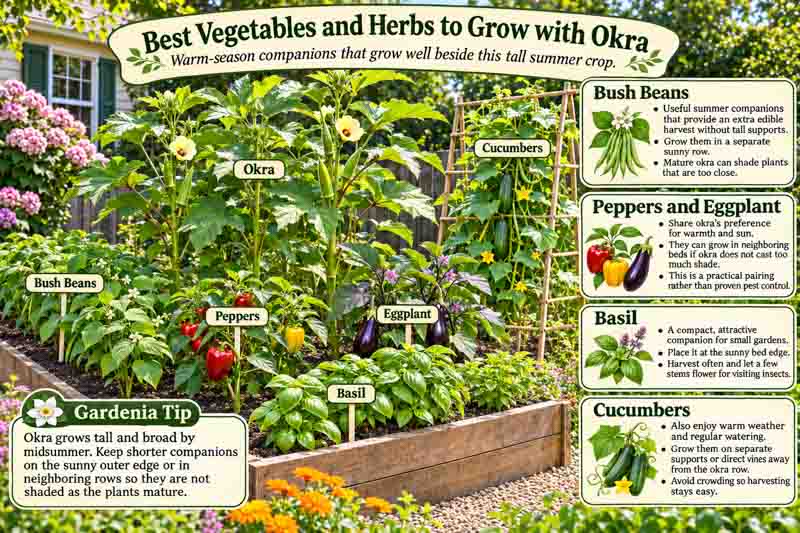
Bush beans are useful summer companions because they remain relatively low and provide another harvest. Grow them in a separate row where they receive adequate sunlight rather than beneath mature okra foliage. Explore Gardenia’s Bean Companion Planting Guide.
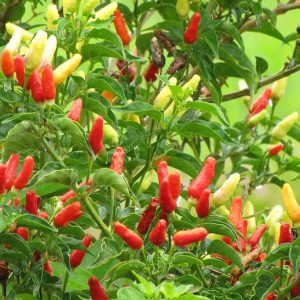
Peppers and eggplant share okra’s preference for warm conditions, sunshine, and regular moisture. They make practical neighbors in separate rows or beds, provided tall okra plants do not shade them excessively.
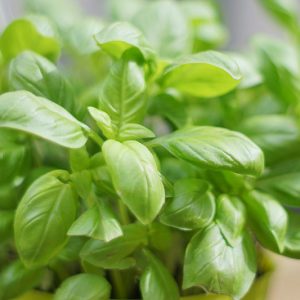
Basil is a particularly attractive companion for small summer gardens. Its compact habit and culinary value complement okra. Position it along a sunny edge and harvest regularly. Basil is not proven to reliably repel okra pests, but it is an excellent practical neighbor. See Gardenia’s Basil Companion Guide.
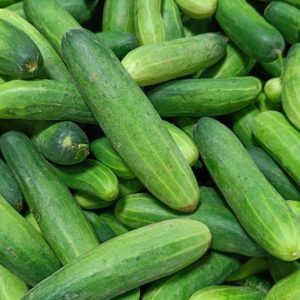
Cucumbers enjoy similar warm-season growing conditions. They can grow near okra when trained onto separate supports or directed away from harvesting paths. Avoid letting their vines spread through the okra row.
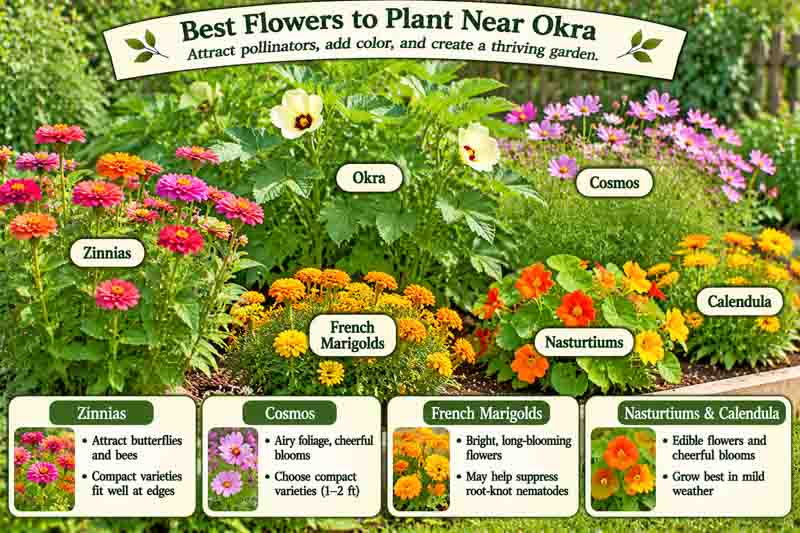
Okra’s hibiscus-like blossoms already make it an attractive vegetable. Adding flowering annuals provides color and resources for visiting insects, although these plants are not essential for okra to produce pods.
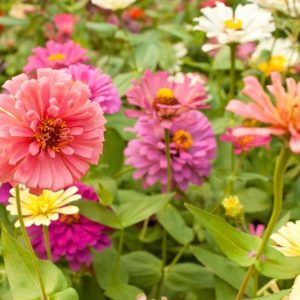
Zinnias thrive in summer heat and attract butterflies and bees. Choose compact varieties for borders.
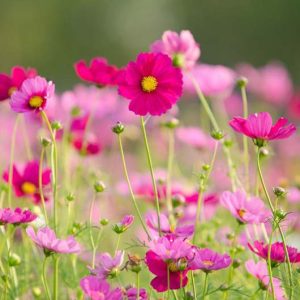
Cosmos offers airy foliage and abundant flowers. The compact Sonata Series is particularly suitable for smaller gardens, while taller varieties need separate space.
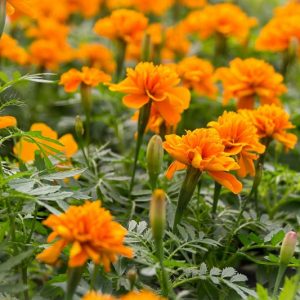
French marigolds make cheerful, low-growing edging plants. Certain cultivars have demonstrated suppressive effects against particular root-knot nematodes when used in managed cropping systems. However, a few marigolds planted beside okra will not reliably eliminate nematodes or repel every pest.
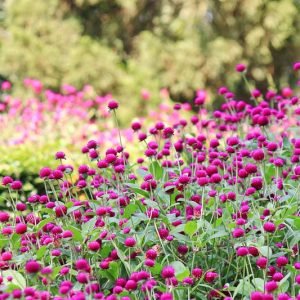
Globe amaranth (Gomphrena globosa) is an excellent flowering companion for okra, thriving in the same hot, sunny conditions. Its cheerful purple, pink, or white globe-shaped flowers attract bees and butterflies from summer until frost. Compact varieties, typically 6-24 inches tall, make attractive edging plants without shading the vegetable crop.
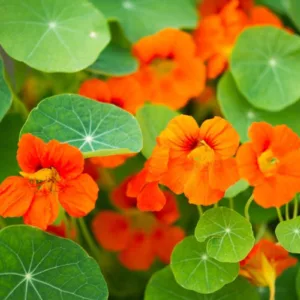
Nasturtiums and calendula provide edible or ornamental flowers but generally perform better in milder weather. For gardens experiencing intense summer heat, zinnias and French marigolds are usually easier choices.
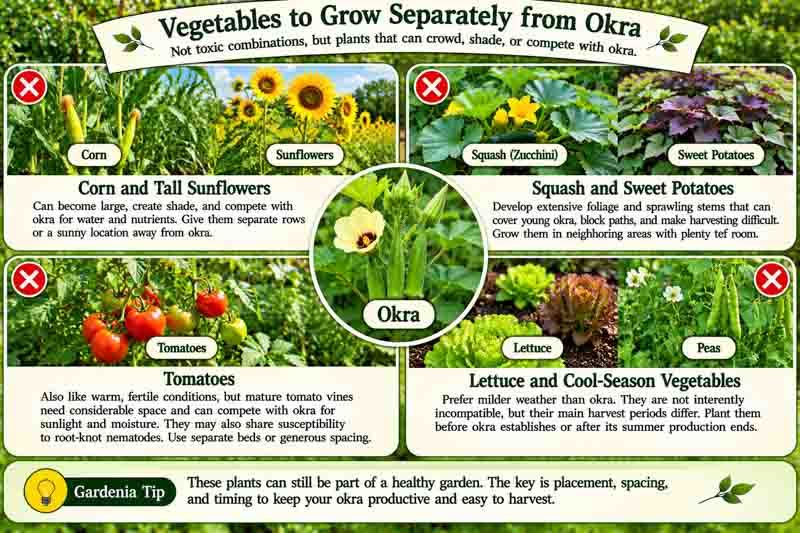
Most plants described as bad okra companions are not biologically incompatible. Problems usually arise from excessive shade, competing roots, sprawling foliage, or different growing seasons.
Corn and sunflowers can become tall enough to compete with okra for sunlight and space. Corn-okra intercropping has been studied, so corn is not inherently harmful. In small gardens, however, separate rows usually make harvesting easier.
Zucchini, pumpkins, and sweet potatoes can spread extensively, covering soil and obstructing paths. Give these crops their own growing area rather than allowing them to overwhelm young okra plants.
Tomatoes are not inherently bad companions. Both crops like warmth and fertile soil, but vigorous tomato vines can crowd okra. They may also share susceptibility to root-knot nematodes, making crop rotation particularly important.
Lettuce, peas, and many cool-season greens generally prefer milder temperatures than okra. Grow them before or after the main okra season rather than forcing them to share a bed through midsummer.
Important: Root-knot nematodes can affect okra, tomatoes, peppers, beans, cucumbers, squash, and sweet potatoes. These plants may grow well together in healthy soil, but repeatedly growing susceptible crops in affected beds allows nematode problems to persist.
Root-knot nematodes: These microscopic soil pests cause swollen roots, poor growth, and reduced yields. Where infestations occur, select locally recommended resistant varieties and rotation crops. Some cowpeas and marigolds may be useful in specific management systems, but not all varieties suppress nematodes.
Aphids: Aphids can colonize tender okra shoots. Flowering plants may support hoverflies, lady beetles, and other beneficial insects, but regular monitoring remains essential.
Stink bugs and caterpillars: These insects can damage developing pods. Basil, marigolds, or other aromatic plants do not guarantee protection. Identify the pest before choosing a control method.
Pollination: Okra flowers are generally self-fertile and can produce pods without neighboring flowering plants. Bees and other visitors may contribute to pollination, but flowering companions are primarily useful for biodiversity and garden interest.
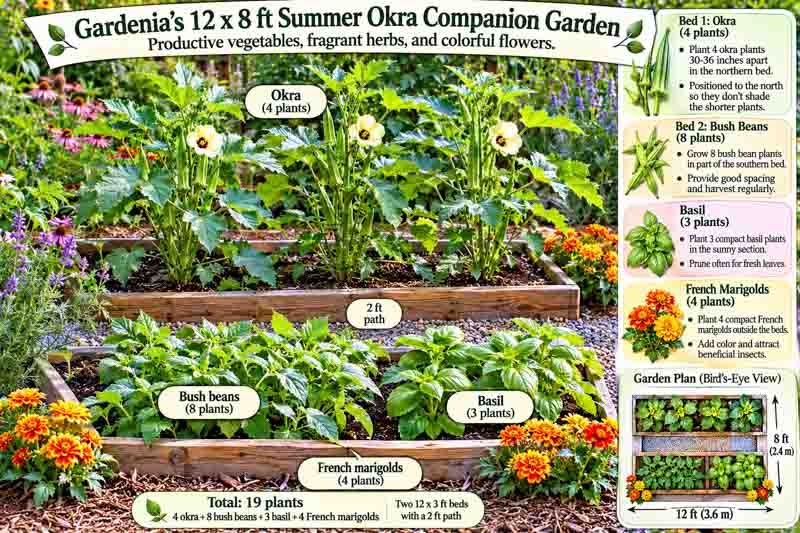
Gardenia’s Summer Okra Companion Garden combines productive okra, bush beans, fragrant basil, and French marigolds in an attractive, accessible planting.
The design occupies 12 x 8 ft, with two 12 x 3 ft beds separated by a 2 ft central path. Four French marigolds grow just outside the main footprint.
Grow 4 okra plants in one row along the northern 12 x 3 ft bed, approximately 30-36 inches apart. Choose a moderately sized cultivar and position the plants near enough to the central path for easy harvesting.
Placing taller okra to the north, in the Northern Hemisphere, helps reduce shading of the shorter southern bed.
Grow 8 bush bean plants in one portion of the southern 12 x 3 ft bed, following the selected variety’s recommended spacing. Position 3 compact basil plants along a separate sunny section, approximately 12-18 inches apart.
Keep enough open space for airflow, growth, and harvesting. Succession sow beans where the growing season allows.
Plant 4 compact French marigolds outside the ends or southern edge of the main garden, approximately 10-12 inches apart. Their flowers add summer color without crowding the vegetables.
Leave both ends of the 2 ft-wide central path accessible, with additional access along outer bed edges where possible. Harvest okra every 2-3 days, pick beans regularly, and prune basil to encourage fresh growth.
Gardenia’s planting quantities: 4 okra plants in the northern bed; 8 bush beans and 3 basil plants in the southern bed; 4 compact French marigolds outside the main footprint. Total: 19 plants, with a central harvesting path.
Why it works: Tall okra occupies its own sunny bed, while beans and basil grow separately with easy harvesting access. Marigolds provide summer flowers without competing directly with the vegetables.
Gardeners interested in experimenting with research-based intercropping can substitute a separately managed cowpea strip for the bush beans, provided the selected variety fits the available space. This home-garden arrangement is not intended to reproduce agricultural trial conditions.
Build your own okra garden: Compare okra, beans, basil, and French marigolds. Use Gardenia’s Plant Finder and Garden Design Tool to organize plants, growing conditions, and quantities.
For more growing advice, explore Gardenia’s Okra Plant Profile.
Cowpeas are among the best-researched okra intercrops. Bush beans, basil, peppers, eggplant, and carefully managed cucumbers are useful warm-season neighbors. Zinnias, cosmos, and French marigolds add flowers. Choose plants according to sunlight, spacing, moisture, and pest risks.
Avoid crowding okra with tall corn, large sunflowers, sprawling squash, or vigorous sweet potato vines. Tomatoes are not inherently incompatible but may compete for space. Cool-season greens are usually better grown before or after okra’s summer season.
Not necessarily. In one field trial, okra produced less when intercropped with cowpeas than when grown alone, but combined land-use efficiency improved. Another study found strong combined productivity when cowpeas were introduced two weeks after okra.
Yes. Tomatoes and peppers share okra’s warm-season preferences but need adequate sunlight, moisture, and spacing. They may also be susceptible to root-knot nematodes, making crop rotation important in affected gardens.
Certain French marigold cultivars have been studied for suppressing particular root-knot nematodes under managed growing conditions. However, planting a few marigolds beside okra does not reliably eliminate nematodes, aphids, or other pests.
Okra flowers are generally self-fertile and can produce pods without neighboring flowering plants. Bees and other insects may visit the flowers, while companion flowers add biodiversity and ornamental interest.
Discover Gardenia’s guides to tomato companion plants, basil companions, herb companions, lettuce companions, and sweet potato companions.
Updated and reviewed by Gardenia: November 2026
Create a membership account to save your garden designs and to view them on any device.
Becoming a contributing member of Gardenia is easy and can be done in just a few minutes. If you provide us with your name, email address and the payment of a modest $25 annual membership fee, you will become a full member, enabling you to design and save up to 25 of your garden design ideas.
Join now and start creating your dream garden!