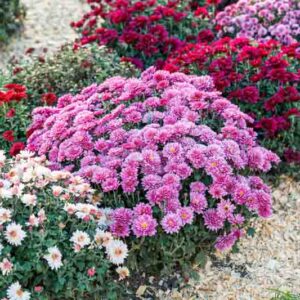
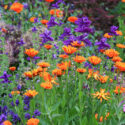
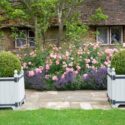
What should you plant with chrysanthemums? Discover 12 companions that do more than match mum colors. Combine late-season asters and goldenrods, architectural grasses, low edging plants, and summer bloomers using Gardenia's Companion Fit framework to match growing conditions, extend the season, balance mature size, and create a better-designed fall border.
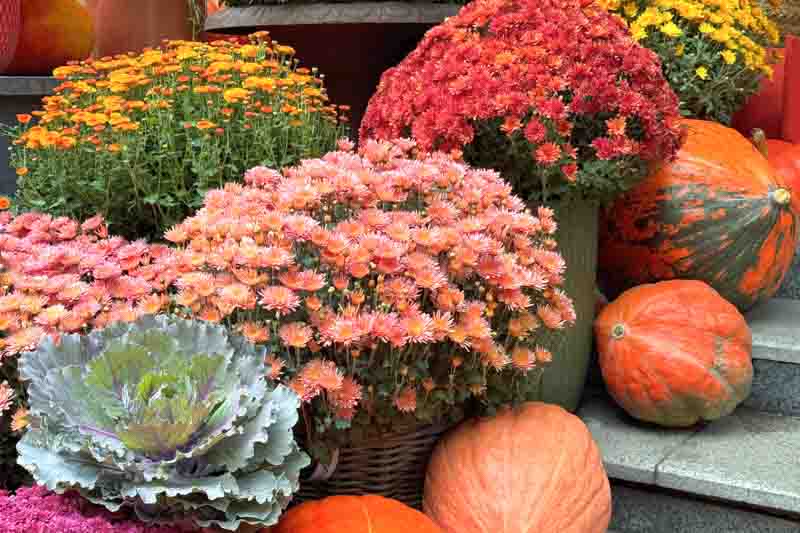


The best companion plants for chrysanthemums are not simply plants that look attractive beside mums. They should share enough overlap in sun, drainage, moisture, hardiness, and border conditions to grow well nearby, while contributing something chrysanthemums do not – earlier flowers, lighter texture, vertical structure, movement, or a different late-season flower form.
Asters, goldenrods, ornamental grasses, sedums, Japanese anemones, Russian sage, Rudbeckia, and Helenium are among the strongest choices. Several are directly recommended with hardy garden chrysanthemums by authoritative horticultural sources, while others have an especially strong fit when their bloom periods, mature size, and growing conditions are compared carefully.
Quick answer: Pair chrysanthemums with asters and goldenrods for fall flowers, ornamental grasses for height and movement, Rudbeckia for a summer-to-fall handoff, sedums and Russian sage in drier sections, and Helenium or Japanese anemones where soil stays evenly moist but well drained.
Use Gardenia’s Chrysanthemum collection or Chrysanthemum comparison tool to check your mum’s mature size, hardiness, bloom period, and growing requirements before choosing its companions.
A good chrysanthemum companion should solve both a horticultural problem and a design problem. Gardenia’s Chrysanthemum Companion Fit asks four questions in order:
Gardenia’s Chrysanthemum Companion Fit: Can they share the site? Do their seasons connect? Do their forms contrast? Will their mature sizes stay balanced? Answer those four questions before choosing by color.
This matters because garden mums vary considerably. A compact chrysanthemum may sit comfortably near the front or middle of a border, while a broad perennial cultivar may need several feet of room. The best companion depends on the mum you are actually growing.
The table below shows how these companions fit into a chrysanthemum border. “Moisture fit” refers to how closely each plant’s preferred root-zone moisture matches a typical garden mum growing in moist but well-drained soil.
| Companion | Best Role | Best Position | Moisture Fit |
|---|---|---|---|
| Aster ‘Purple Dome’ | Fall flowers | Middle | Close |
| Aster ‘Mönch’ | Long-season flowers | Middle | Slightly drier |
| Solidago ‘Fireworks’ | Fall flowers and texture | Middle-back | Moister |
| Panicum ‘Northwind’ | Vertical structure | Back | Close |
| Calamagrostis ‘Karl Foerster’ | Vertical structure | Back | Close |
| Prairie dropseed | Fine texture | Front-edge | Drier |
| Sedum ‘Autumn Joy’ | Fall structure | Front-middle | Drier |
| Rudbeckia ‘Goldsturm’ | Summer-fall handoff | Middle | Close |
| Helenium ‘Moerheim Beauty’ | Fall flowers | Back | Moister |
| Russian sage ‘Blue Spire’ | Airy contrast | Middle-edge | Drier |
| Japanese anemone ‘Honorine Jobert’ | Airy fall flowers | Back | Moister |
| Verbena bonariensis | Transparent through-layer | Through border | Regionally appropriate |
The key is not to force all 12 plants into one bed. Choose from the table according to the conditions and design role your chrysanthemum planting actually needs.
Asters and goldenrods are among the most natural partners for mums because they peak during the same broad late-summer and fall season while offering lighter, looser flower forms.
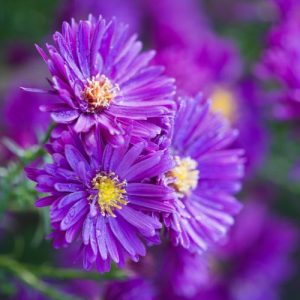
Aster novae-angliae ‘Purple Dome’ forms a compact mound around 18-24 inches tall and produces masses of deep purple daisy-like flowers from late summer into fall.
Its scale works well beside many garden mums, and its purple flowers are particularly striking with yellow, bronze, orange, red, or apricot chrysanthemums. It performs best in full sun and moist but well-drained to well-drained soil, giving it a strong cultural overlap with many mum plantings.
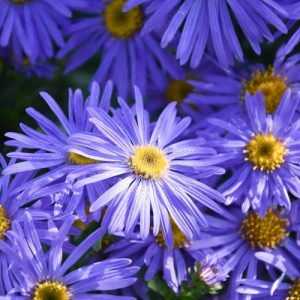
Aster x frikartii ‘Mönch’ produces lavender-blue daisy flowers over a long late-season period on a loose, open plant.
Its relaxed habit is useful beside dense rounded chrysanthemums because it prevents the border from becoming visually heavy. It suits full sun and well-drained soil and is particularly effective with yellow, orange, bronze, and red mums.
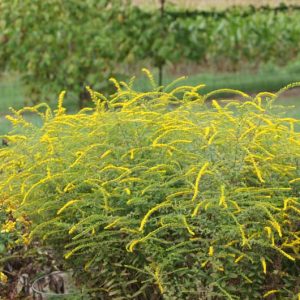
Solidago rugosa ‘Fireworks’ sends out arching sprays of bright yellow flowers from late summer into fall.
The cascading flower stems provide an excellent contrast with rounded chrysanthemum flowers. ‘Fireworks’ is particularly well suited to a moist, well-drained mum border. It tolerates more moisture than many chrysanthemums, so give it the more moisture-retentive part of the bed without allowing water to remain stagnant around mum crowns.
| Hardiness |
5 - 9 |
|---|---|
| Heat Zones |
5 - 9 |
| Climate Zones | 2, 2A, 2B, 3, 3A, 3B, 4, 5, 6, 7, 8, 9, 10, 11, 12, 13, 14, 15, 16, 17, 18, 19, 20, 21, 22, 23, 24, H1 |
| Plant Type | Annuals, Perennials, Shrubs |
| Plant Family | Asteraceae |
| Genus | Chrysanthemum |
| Exposure | Full Sun |
| Season of Interest | Summer (Late), Fall |
| Maintenance | Average |
| Water Needs | Average |
| Soil Type | Clay, Loam, Sand |
| Soil pH | Acid, Alkaline, Neutral |
| Soil Drainage | Moist but Well-Drained |
| Characteristics | Cut Flowers, Showy |
| Attracts | Butterflies |
| Landscaping Ideas | Beds And Borders, Patio And Containers |
| Garden Styles | City and Courtyard, Cutting Garden, Informal and Cottage, Traditional Garden |
Classic fall combination: Mums supply dense color, asters contribute cooler daisy flowers, and goldenrod introduces loose yellow sprays. The seasons overlap, but the flower shapes remain distinct.
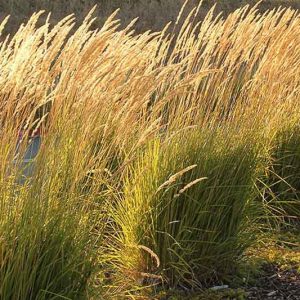
Ornamental grasses contribute exactly what rounded mum clumps often lack: vertical line, fine texture, movement, and structure that persists after frost.
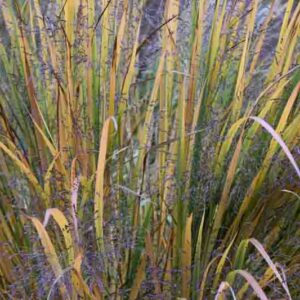
Panicum virgatum ‘Northwind’ forms a strongly upright column of foliage topped with fine flower panicles in late summer.
Its narrow architectural habit works especially well behind compact or medium-height mums because it adds height without producing a bulky screen. The stems remain attractive long after the chrysanthemum flowers have faded.
Calamagrostis x acutiflora ‘Karl Foerster’ produces tall, slender stems topped with feathery flowers that mature to warm tan.
Its slim footprint makes it particularly useful where you need height without much width. Its preference for moist but well-drained or well-drained soil overlaps comfortably with many chrysanthemum beds.
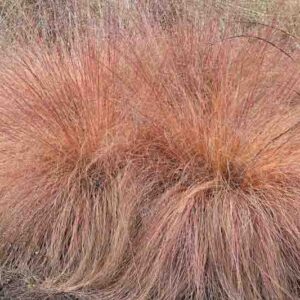
Sporobolus heterolepis is a graceful North American native grass with fine arching foliage and airy late-summer flower panicles.
It is lower and softer than Panicum or Calamagrostis, making it useful along the front or edge of the planting. Prairie dropseed prefers a drier, well-drained root zone once established, so place it where the mum border becomes more sharply drained.
Mums provide mass. Grasses provide line. Panicum and Calamagrostis create vertical structure; prairie dropseed adds a softer, flowing edge.
These three companions connect summer with fall, but they occupy different moisture niches within the border.
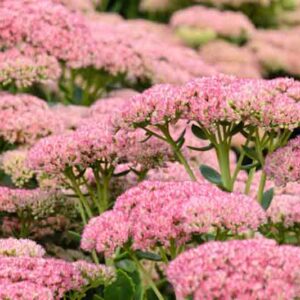
Sedum ‘Herbstfreude’ (‘Autumn Joy’), now commonly classified as Hylotelephium, is a classic fall companion with succulent foliage and broad flattened flower heads.
Its sturdy flower plates contrast with rounded chrysanthemums, and the dried heads remain useful after frost. Sedum tolerates considerably drier conditions than mums, so place it toward the sunny, quick-draining edge of the bed.
Rudbeckia ‘Goldsturm’ produces masses of golden-yellow flowers from midsummer into early fall.
Its season leads naturally into the chrysanthemum display, and its preference for full sun and moist but well-drained soil makes it one of the closer cultural matches in this group. Pair it with burgundy, purple, pink, bronze, or red mums for strong contrast.
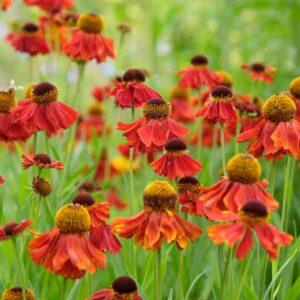
Helenium ‘Moerheim Beauty’ produces coppery orange-red flowers from summer into fall on tall upright stems.
This is a companion for a moist, well-drained chrysanthemum border rather than a dry one. Helenium dislikes dry soil and performs best where moisture remains reasonably consistent. Use it toward the more moisture-retentive part of the bed, behind lower mums.
Its rich orange-red coloring is particularly effective with yellow, bronze, apricot, orange, and red chrysanthemums.
Match the root zone: Helenium belongs in the moister part of the planting, Rudbeckia is a close middle-ground match, and sedum belongs where drainage is fastest.
Dense mum plantings can become visually heavy. Airier companions create transparency and allow the eye to move through the border.
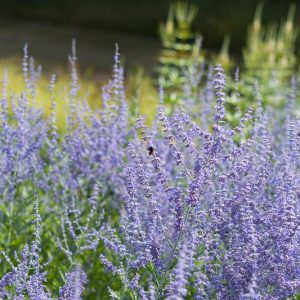
Salvia ‘Blue Spire’, formerly widely sold as Perovskia, creates an airy haze of blue-violet flowers above silvery stems and foliage.
Its open habit and cool coloring contrast beautifully with yellow, bronze, orange, red, or pink mums. Russian sage wants full sun and a drier, sharper-drained root zone than chrysanthemums, so position it toward a raised or quick-draining edge.
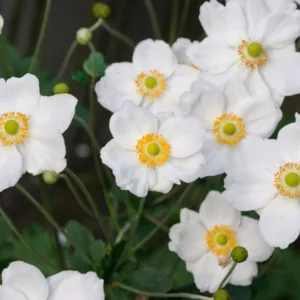
Anemone x hybrida ‘Honorine Jobert’ produces pure white flowers on tall, wiry stems from late summer through fall.
Its floating flowers form a light vertical layer above or behind lower mums. It works best in rich, evenly moist, well-drained soil and is most successful where summers are not excessively hot and dry.
Use it with pink, purple, burgundy, or bronze chrysanthemums for a softer late-season composition.
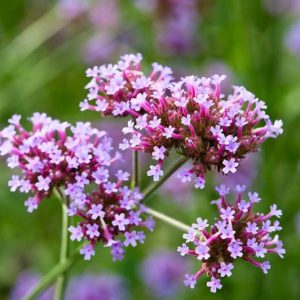
Verbena bonariensis carries violet-purple flower clusters on tall, thin stems from summer until frost.
Its design strength is transparency: chrysanthemums remain visible through the branching stems, making Verbena useful as an airy through-layer rather than a solid background.
Use Verbena bonariensis only where regionally appropriate. It self-seeds freely, has naturalized widely, and may be considered invasive or problematic in some areas. Check local invasive-plant guidance before planting.
Dense mum? Add air. Russian sage, Japanese anemone, and Verbena can all lighten a planting visually, but they are not culturally interchangeable. Match the plant to your moisture, drainage, climate, and regional guidance.
Once the plants can share the site, mature size becomes one of the easiest ways to organize them.
| Layer | Useful Plants | Design Role |
|---|---|---|
| Back | Panicum ‘Northwind’, ‘Karl Foerster’, Helenium, Japanese anemone | Height and background structure |
| Middle | Chrysanthemums, asters, Rudbeckia, Solidago, upright sedum | Main flowering mass |
| Front / edge | Prairie dropseed, lower sedums, compact mums | Soften transitions to paths or lawn |
| Through-layer | Verbena bonariensis, Russian sage where scale permits | Transparency and movement |
These positions are starting points rather than rigid rules. Always compare the mature height and spread of the specific mum cultivar because perennial chrysanthemums can be substantially larger than compact fall pots.
Once site conditions and mature scale work, use color to refine the combination.
Yellow and bronze mums look particularly effective with violet asters, blue Russian sage, white Japanese anemones, and tan grass seed heads.
Red and burgundy chrysanthemums gain brightness from goldenrod, Rudbeckia, pale grasses, and purple flowers.
Pink mums combine beautifully with lavender asters, white Japanese anemones, silver Russian sage, and fine-textured grasses.
White mums act as a visual pause among stronger autumn colors and pair elegantly with goldenrod, dark seed heads, bronze grasses, and purple flowers.
Repeat colors, vary shapes. A chrysanthemum mound beside an aster daisy, goldenrod spray, grass plume, sedum plate, or floating anemone flower creates a richer border than color matching alone.
There is no useful universal blacklist of plants that are chemically incompatible with mums. Poor combinations usually fail because of conflicting growing requirements, excessive competition, or bad scale.
Instead of treating the entire bed as one uniform root zone, use its natural variations. Put Helenium and moisture-loving partners in the more moisture-retentive areas, while sedum, Russian sage, and prairie dropseed occupy the faster-draining edges.
You do not need all 12 companions. A convincing border can be built from four different jobs:
For a cool-toned planting, combine bronze or yellow chrysanthemums with ‘Purple Dome’ aster, ‘Karl Foerster’ grass, and Russian sage on the drier edge.
For a warm autumn border, pair burgundy mums with Solidago ‘Fireworks’, Helenium ‘Moerheim Beauty’, and upright Panicum. Keep the goldenrod and Helenium in the more evenly moist portion of the bed.
For a softer scheme, combine pink chrysanthemums with white ‘Honorine Jobert’ Japanese anemones, lavender asters, and fine-textured prairie dropseed.
Gardenia’s border rule: Give each plant a different job. One flowering mass + one seasonal partner + one structural layer + one contrasting form usually creates more impact than surrounding chrysanthemums with several plants that all perform the same role.
Companion planting works best when you design around mature plants rather than nursery pots.
Check your chrysanthemum’s expected height and spread, then compare potential companions for hardiness, sun, soil moisture, drainage, bloom period, and mature size.
Gardenia’s Plant Finder can help narrow plants by site conditions and design goals. The Garden Design Tool can then help you move from individual plants to an actual planting plan based on mature dimensions and garden conditions.
Found a chrysanthemum you love? The next question is not simply what looks good with it.
Use Gardenia’s Plant Finder to find companions suited to your actual conditions, then use the Garden Design Tool to check mature height, spread, water needs, and overall garden fit.
The recommendations in this guide combine direct horticultural guidance on chrysanthemum companions with the growing conditions, bloom periods, and mature sizes recorded in Gardenia’s individual plant profiles.
The best companion plants for chrysanthemums share enough growing conditions to thrive nearby while contributing a different seasonal or visual role. Asters and goldenrods add classic fall flowers; ornamental grasses bring height and movement; Rudbeckia connects summer with fall; Helenium suits moist late-season borders; sedum and Russian sage work best in drier areas; and Japanese anemones or regionally appropriate Verbena add an airy layer.
Gardenia’s Chrysanthemum Companion Fit asks four questions: Can they share the site? Do their seasons connect? Do their forms contrast? Will their mature sizes stay balanced? Use those questions first, then refine the combination by flower color and style.
Excellent chrysanthemum companions include asters, goldenrods, ornamental grasses, sedums, Japanese anemones, Russian sage, Rudbeckia, and Helenium. Choose them according to sun, drainage, soil moisture, mature size, bloom season, and the role they will play in the border.
Yes. Asters are among the classic late-season partners for mums. They bloom during the same broad season, thrive in sunny borders, and their loose daisy flowers contrast well with dense chrysanthemum mounds.
Panicum ‘Northwind’, Calamagrostis ‘Karl Foerster’, and prairie dropseed are useful choices. Their upright or fine-textured foliage and airy flower heads contrast with rounded mums and provide structure after flowering ends.
Yes. Upright sedums such as ‘Autumn Joy’ are classic fall companions for mums. Both like full sun and good drainage, but sedum tolerates drier soil, so position it toward the faster-draining edge of the planting.
Yes, but Helenium is best in a moist, well-drained mum border. It prefers more consistent moisture than sedum or Russian sage, so place it in the more moisture-retentive section of the bed.
Yes, especially in rich, evenly moist, well-drained soil. Japanese anemones flower from late summer into fall and their tall, airy flowers contrast beautifully with dense chrysanthemum mounds.
Verbena bonariensis can be an attractive airy companion where it is regionally appropriate. Its tall transparent stems flower through summer and fall, but it can self-seed freely and may be invasive or problematic in some regions, so check local guidance first.
Avoid true shade plants, plants requiring permanently saturated soil, extreme dry-garden species that cannot tolerate regular irrigation, aggressive spreaders, and oversized neighbors that will shade or crowd the mums.
Use chrysanthemums as the main fall flowering mass, add one seasonal partner such as an aster or goldenrod, include an ornamental grass or other structural plant, and add a contrasting form such as sedum or Russian sage. Check mature size, sun, soil moisture, and drainage before planting.
Updated: September 2026 • Reviewed by Gardenia Editors
| Hardiness |
5 - 9 |
|---|---|
| Heat Zones |
5 - 9 |
| Climate Zones | 2, 2A, 2B, 3, 3A, 3B, 4, 5, 6, 7, 8, 9, 10, 11, 12, 13, 14, 15, 16, 17, 18, 19, 20, 21, 22, 23, 24, H1 |
| Plant Type | Annuals, Perennials, Shrubs |
| Plant Family | Asteraceae |
| Genus | Chrysanthemum |
| Exposure | Full Sun |
| Season of Interest | Summer (Late), Fall |
| Maintenance | Average |
| Water Needs | Average |
| Soil Type | Clay, Loam, Sand |
| Soil pH | Acid, Alkaline, Neutral |
| Soil Drainage | Moist but Well-Drained |
| Characteristics | Cut Flowers, Showy |
| Attracts | Butterflies |
| Landscaping Ideas | Beds And Borders, Patio And Containers |
| Garden Styles | City and Courtyard, Cutting Garden, Informal and Cottage, Traditional Garden |
Create a membership account to save your garden designs and to view them on any device.
Becoming a contributing member of Gardenia is easy and can be done in just a few minutes. If you provide us with your name, email address and the payment of a modest $25 annual membership fee, you will become a full member, enabling you to design and save up to 25 of your garden design ideas.
Join now and start creating your dream garden!
Create a membership account to save your garden designs and to view them on any device.
Becoming a contributing member of Gardenia is easy and can be done in just a few minutes. If you provide us with your name, email address and the payment of a modest $25 annual membership fee, you will become a full member, enabling you to design and save up to 25 of your garden design ideas.
Join now and start creating your dream garden!